Category: Social Media

  • Dog Preventative Care

    Dog Preventative Care

    Dog Preventative Care Tips

    Dogs should visit the veterinary on an annual basis for checkup. However, some dogs may require frequent visits. Essentially, a dog’s individual needs will determine the frequency of visits. Prevention is better than cure and hence avoiding the risk of illnesses is better than seeking treatment. So let’s discuss how you can keep diseases at bay.

    How frequent should your dog visit the vet?

    Since dogs normally age faster than humans, it is advisable to take them to the vet regularly. A dog’s calendar year is equal to about 4 – 10 human years easily depending on the breed and how dogs mature. As dogs have a rapid aging process, preventive health care is more important than ever before.

    Preventive health care stipulations

    An elaborate preventive health care plan typically revolves around the integration of scheduled exams to maintain the dog’s optimum health levels. And to create a standard wellness plan, the American Animal Hospital Association (AAHA) gathered pertinent medical information from other pet specialty organizations and formulated guidelines in regards to preventive health care for dogs and cats.

    Why these recommendations are important

    Here’s an outline of some of the recommendations formulated by AAHA for preventive health care for dogs.

    History – Your dog’s general home life can give the vet a good idea of whether his overall health is optimum. For example, you may not be able to explain your dog’s change in demeanor until the vet asks you a few questions. 

    Does the dog ever experience shortness of breath? Does he have any problem when urinating? Or does he drink plenty of water? Your answers will help your vet recommend an appropriate coarse of action that will enhance your dog’s overall health.

    Examinations – Healthy dogs should also be examined annually by the vet. But if the dog has pre-existing medical conditions, frequent visits might be necessary. Comprehensive physical exams are helpful and can detect abdominal tumors, heart murmurs, skin tumors, enlarged lymph nodes, or shrunken liver, or kidneys that might instigate systemic disease.

    Treating dog disease

    Of course, since dogs lack the ability to communicate, the vet cannot ask them what is ailing them. And dogs typically have innate survival instincts that make them hide illness to avoid appearing vulnerable or weak to predators. Therefore, after thorough physical examination including urine and blood tests, the vet will know your dog’s overall health. And early diagnosis will make treatment more easier and less costly.

    Conclusion 

    To ensure you dog lives a healthier and longer life, you should observe all the guidelines mentioned above. Take your dog to the vet at least twice a year for check up to prevent the onset of diseases.

    References: VCA Hospitals, Apah24, Pet Health Network

    Copyright: Local Value

  • German Shorthaired Pointers

    German Shorthaired Pointers

    German Shorthaired Pointer 

    This sporting German dog breed is an excellent hunter that retrieves prey from water or land, and is a great companion as well. They have an attractive, easy-to-care coat and they need regular exercise to eliminate pent up energy.

    If you ensure it gets the right physical and mental challenges it craves, it will become your trusted friend. But without enough space to exercise and play, it can easily get bored and become destructive around the home.

    Breed Characteristics

    This stylish sporting dog breed is an excellent family companion and is an ideal partner when hunting. It can hunt both furred and feathered game and can trail deer as well. When the sun sets, he is playful indoors or might choose to sleep near the sofa. If you don’t hunt, this dog breed can jog or hike with you.

    Generally smaller than most dog breeds, the German Shorthaired Pointer features an attractive chiseled head and dark eyes. It has a large nose and is intelligent and striking good-humored demeanor. The ears are broad and dropped. And the tail is docked while the coat is dense and may be white or solid liver.

    Energetic and playful

    This intelligent, energetic dog is both enthusiastic at play and work. As a great companion, it is friendly around children but might be quite rough for the little ones. And due to its vibrant personality, it easily becomes unhappy and irritable when left alone for extended periods. Regular exercise and companionship is recommended to prevent destructive behavior.

    Plenty of exercise is recommended 

    Males are usually more aggressive and outgoing than females. But generally, this breed usually needs plenty of exercise. A two hour walk on a daily basis is sufficient. With a water-resistant coat, this dog enjoys swimming occasionally. 

    Care

    This dog breed isn’t recommended for those living in apartments. It is more suited to those who live in an area with plenty of space. Remember that this breed has a lot of stamina and energy, thereby require plenty of space to play and exercise. When they don’t get enough play time, they easily become destructive.

    Health

    While this dog breed is generally healthy like other breeds, they are vulnerable to specific health conditions. Therefore, it is advisable to take your dog to the vet for check up at least once a month.

    Conclusion

    If you notice your dog is stressed, lethargic or depressed, you should visit the vet as soon as possible to ensure the dog receives an appropriate treatment.

    References: Dog Time, Hills Pet, AKC

    Copyright: Local Value


    https://www.hillspet.com/dog-care/dog-breeds/german-shorthaired-pointer

    https://www.akc.org/expert-advice/lifestyle/10-things-only-a-german-shorthaired-pointer-owner-would-understand/

  • 4th of July and your Pet

    4th of July and your Pet

    Ways To Keep Your Pets Safe On The 4th Of July

    While the 4th of July is a great day for fireworks, friends and plenty of food, for our cherished pets, it can seem like an alien invasion! After the 4th of July celebrations, animal shelters are usually the busiest as pets often panic and escape the loud noises and bright lights common during these celebrations. Here are ways to keep your pets safe during this stressful day.

    Keep your pets away from crowds

    You should keep your pets from parades and super crowded gatherings where there are a lot of activities happening. Loud noises, scorching heat and tightly packed spaces can be stressful to your pets and can affect their health as well.

    You should leave them with toys in a secure room and ensure they have plenty of drinking water. Avoid bringing your pets near firework to prevent them from running away.

    Exercise them out

    Ensure your pets get plenty of exercise at home so that they will be worn out by night. An active play session and exercises will help minimize your pets anxiety and stress levels. In fact, your pets can sleep through the firework celebrations after a day of exercises.

    Keep them indoors during the celebrations

    Before the fireworks start you should keep your pets indoors in a comfortable spot. Close all the windows and lower the blinds, or offer them a cozy resting place where they can relax while playing with a chew toy. You can turn on your radio or tv to mask the loud noises outside.

    Invest in an anti-anxiety coat or wrap

    Limiting your pets movements will make them feel calm throughout the festivities and that is why you can consider investing in an anti-anxiety coat or wrap. Alternatively, you can create one by yourself with a scarf. The idea behind this is to ensure your pets are safe and calm during the celebrations, which prevents them from being scared.

    Consider giving them anti-anxiety pills

    If your pets stress easily, you can consult your vet about anti-anxiety pills and other helpful remedies that can aid in relaxation. Fortunately, there are many effective homeopathic and prescription solutions designed specifically for pets. They can help provide the relaxation your pet needs to deal with the festivities.

    Conclusion

    As mentioned earlier, fireworks can be scary for cats and dogs. But if your pets get injured accidentally when they run haphazardly looking for safe refuge during the celebrations, you should visit the vet immediately.

    References: Found Animals, Dog Time, ASPCA

    Copyright: Local Value

  • Beach Danger

    Beach Danger

    Beach Danger: Keep Your Pets Safe

    While pets enjoy playing at the beach, it is important to be mindful of their health and safety. Your pets are often exposed to dehydration and blocked bowels when playing at the beach. And to ensure your pets are always safe at the beach, here are the common health threats you need to look out for:

    Sunburn

    Dogs are vulnerable to get sunburned – and light or white-colored pets are often at high risk. If you want to keep your pups safe at the beach, carefully apply sunscreen on their ear tips, nose, inner legs and abdomen. More importantly, ensure your pets get sufficient shade.

    As a precaution, you should only use sunscreens that are pet-formulated. This is important because most human sunscreens contain toxic elements that may harm your pets if consumed.

    Snacking on beach sand

    Though pets enjoy digging in the sand at the beach, some may end up ingesting the sand. And though ingesting a small amount of sand is not harmful, consuming large quantities can cause blockage of the bowels or intestines.

    Symptoms your pet has ingested a lot of sand include abdominal discomfort, repeated vomiting, loss of appetite, distended belly, and heavy panting when defecating. It is therefore important to keep an eye on your pets as they play at the beach to prevent them from ingesting sand.

    Ingesting seawater

    You should never allow your dogs to drink seawater. A common side effect of drinking seawater is diarrhea but when they consume a lot of it, then salt toxicity can occur.

    Ingesting too much salt can cause electrolyte imbalance, which often leads to dehydration, kidney failure, brain damage and death in rare cases. Always ensure you carry a pet bowl and fresh drinking water.

    Dry drowning

    To prevent accidental drowning, you should never let your pets swim unattended. Your dog can easily be pulled away by strong currents and tides, and the exhaustion can cause drowning when the dog ingests water.

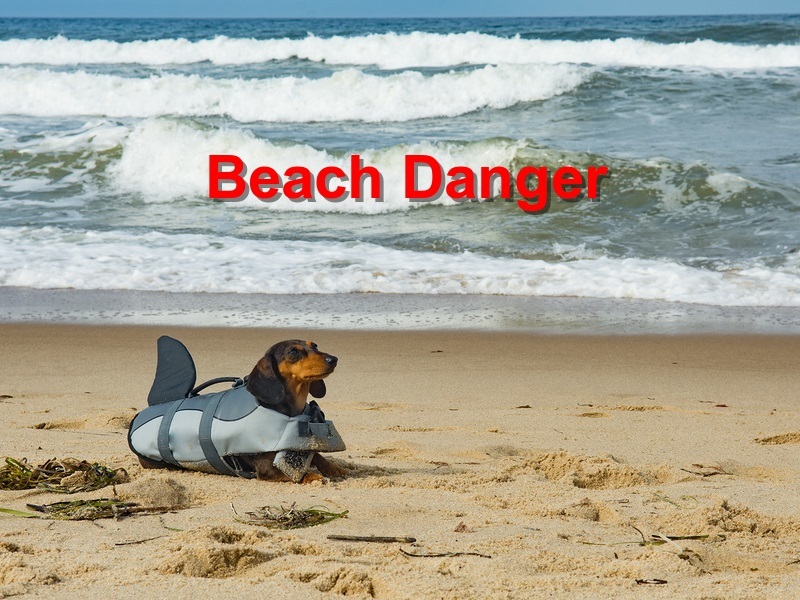
    This ingested water can cause built-up of fluids inside the lungs that may result in cardiac arrest or respiratory distress. You can keep your pets safe by using lifejackets to prevent accidental drowning.

    Heat sickness

    Pets are vulnerable to heat stroke as well, which can be fatal within minutes. Therefore, you should keep your dogs away from the beach during extremely hot days. During summer, ensure your pets have access to shade and water.

    Conclusion

    Although you can carry your pet with you on your vacation, you should consider the safety precautions if you decide to visit the beach. And if your pet experience sunburns, heatstroke and any of the mentioned threats, you should visit your vet as soon as possible.

    References: Modern Dog Magazine, Vets-now, The Bark

    Copyright: Local Value

  • Cats and Bacon

    Cats and Bacon

    Can Cats Consume Bacon? Here Are The Facts 

    Cats are carnivores by nature and that means they enjoy eating meat. Essentially, their bodies need meat. However, dogs are scavenging carnivores and that means they primarily eat meat but they can survive on plant diets when push comes to shove. But can cats eat bacon? More importantly, should they?

    To answer the aforementioned questions, let’s first discuss what constitutes a bacon. Well, bacon is basically pork, and this is a versatile meat if you want to plan your dog’s diet. However, bacon is loaded with calories, fats, and sodium that your cats should only eat in small doses.

    Is it healthy for cats to eat bacon?

    So, should you allow your cats to eat bacon? Yes, it’s completely healthy. Nonetheless, they should only consume a small amount as mentioned earlier. Studies now show that ingesting bacon is likely to have adverse effects on your cat. Most cats, for instance as they age – sleep more often than they play or hunt. That means they need a proper nutrition profile that can help counteract their inactivity.

    A cat has a sleeping schedule of 15 to 20 hours every day. This isn’t sufficient time for your cat to completely burn the calorie profile that exists in bacon. Bacon also contains a lot of fat and sodium, which is harmful for your cat when ingested in high doses.

    Can you feed your cat turkey bacon?

    Turkey bacon isn’t necessarily a healthy option as compared to the normal bacon, either. You should feed your cat small doses of turkey bacon as they are loaded with sodium and toxic preservatives.

    Can your cat consume bacon bits?

    Most people often ask, ‘’Is it okay to feed my cat bacon bits?’’ Again, you need to avoid all artificial bacon bits as they are over-processed, which means they are sodium laden products that can harm your cat’s overall health.

    Can you give your cat bacon as treats?

    If you decide to feed your cat bacon, what is the right time to feed them? You can feed your cat small bits of bacon as a reward after a trip to your vet. That means it’s only an occasional treat and not something you should do regularly.

    Conclusion

    When your cat unintentionally consumes a lot of bacon, it is likely to get stomach upset that could result in vomiting. If this happens, you should consult your vet as soon as possible.

    References: Catster, Cuteness, Cancateat

    Copyright: Local Value

  • Camping with your Dog

    Camping with your Dog

    Is It Possible To Camp Safely With Your Dog?

    Dogs love adventure and you can definitely take them with you for camping. They enjoy playing outdoors as this gives them an opportunity to explore nature. However, before you decide to take your dog with you camping, you need to keep a few things in mind. Let’s discuss some of the things you need to consider to make your camping eventful.

    Consult your veterinarian

    You need to take your dog to an accredited vet to determine fitness levels as this is important for spirited hiking and other outdoor activities. The vet will analyze your dog’s overall health and inject the vaccinations, as well as preventive medications required for camping, which includes tick, flea and heartworm prevention.

    Besides ensuring your dog is fully accessed by the vet, you also need to pack a few basic pet medications as you prepare your camping trip. You can consider installing a microchip on your pet for easy identification if you are accidentally separated.

    Pack all the essential canine necessities

    Remember to carry with you all the basic essentials, including bowls, water, food, waste bags, and airtight containers. Dry kibble is an excellent option than carrying canned food, which often needs proper refrigeration after it’s opened. 

    Store your pet snacks and food in airtight, waterproof containers to prevent attracting rodents. And never leave traces of food out in the open after your pet has finished eating. Keep your camping ground as clean as possible and remove all the waste.

    Confinement options may come in handy

    Besides carrying a sturdy harness or collar and identification tags, you should also pack a stake and tether. Confine your dog securely and safely inside the crate if you want to prevent them from roaming aimlessly in the wildlife. A curious puppy can easy tear apart your camping tent when it smells or hears a fascinating critter.

    On the other hand, it can be easily lured astray by a stranger. While most pest listen to instructions at home, that training might not really work when camping due to high excitement levels.

    Stock up on your entertainment essentials

    To prevent your dog from making unnecessary noise when camping outdoors, bring distractions like toys filled with treats, food puzzles, or chew bones. These distractions will prevent your dog from becoming restless.

    Conclusion 

    While camping outdoors with your dog is adventurous and fulfilling, you should always remember to pack a first aid kid. But in the event your dog accidentally gets injured, you should visit the vet immediately.

    References: AAHA, KOA, ROVER

    Copyright: Local Value

  • Boxers

    Boxers

    Characteristic Of Boxers

    Key Characteristics

    Boxers have well-developed muscles with chiseled heads. Additionally, they have unique coat appearance that covers their toned muscles. Studies also show that they have the longest tongue as compared to most dog breeds.

    They have brown eyes with docked tails. However, this practice is now seen as unnecessary and cruel. Their coat often come in white, black, brindle or fawn. 

    Where do they come from

    This dog breed originated from Europe back in the early 16th century. And the earliest ancestor boxer breed was a popular fighting dog that originated from Tibet. Most people believe that boxers are closely related to terriers and bulldogs.

    While they were initially used for bull baiting and dogfighting activities, those practices have now been outlawed. Hunters also used boxers for hunting purposes, where they pinned down large preys awaiting for the hunters.

    This dog breed was later refined in the 19 century in Germany and was recognized by The American Kennel Club in 1904. The breed become popular in 1930’s but in limited numbers.

    Are they friendly?

    Boxers are affectionate and patient with adults and children. Furthermore, they are courageous, fearless and protective, and these desirable qualities make the breed an excellent choice if you are considering getting a dog.

    They are easy to train and are quite intelligent. They are playful and energetic dogs with a curiosity to learn new things. When properly socialized, this breed can live well with other pets. However, you should never leave them alone with small pets.

    Should you get a boxer?

    While boxers are extremely active indoors, they can do well in residential areas and apartments. They need a brisk walk regularly to help eliminate pent up energy. They are sensitive to extreme temperature changes (both cold and hot).

    To ensure they are always happy, this dog requires a lot of playtime. You can’t leave your Boxer outdoors and then leave them to play alone. Remember that boxers that aren’t socialized properly or trained to expel pent up energy are often likely to become difficult and stubborn.

    Grooming Needs

    Boxers have low grooming needs and weekly brushing might be sufficient. You should bathe the boxer once in a while and apply natural oils on its coat. Also remember to clip the nails regularly and clean their ears, too.

    Conclusion

    If your boxer has any health condition, it is always advisable to visit the vet immediately to prevent the condition from worsening.

    References: Petful, AKC, Dog Time

    Copyright: Local Value

  • Cat Bites

    Cat Bites

    Cat Bites and Cat Bites Infection: Why you should keep an eye


    Sally, the office cat, once took a bite of my left pinkie from under the table. While this was uncommon, Sally had lately been showing aggressive signs. Still, I had a part of my skin torn. But the worst part was not the cat bite harm rather what was to follow next. 

    Why are cat bites dangerous? 

    Cat bites are quite infectious as I found out. That is despite coming in second to dog bites accounting for 10-20% of animal-related bite injuries. Dog bites tend to be more significant wounds, but with cats, the scars are small but deep like hypodermic needles. 

    Research puts it as cat bites being infectious due to several reasons. 

    First, cats room around with various bacteria in their mouths and teeth. These bacteria are capable of tissue infection on other animals and even humans. 

    One-bite has infectious pathogenic bacteria such as staphylococci, streptococci, and Pasteurella multocida. These spread and either cause cat bite cellulitis or cat-scratch disease(Bartonella henselae) Infection. 

    How long after a cat bite does infection set in? 

    Symptoms should not be expected immediately at the onset of a cat-bite. On average, the cat bite infection will develop within a day or two in about 20% of the cases. But, this depends on the situation with other symptoms that may show in three to fourteen days. 

    What are the cat bite symptoms?

    Prompt medical evaluation and proper treatment are mandatory upon a cat-bite to determine a favorable outcome. If not done the following symptoms are common in most patients. 

    • Redness
    • Swollen wound with pus or abscess
    • Fever on the whole body
    • Heat in the bite wound
    • Odor can also develop from the bite wound
    • Blood infection(septicemia) in severe infections cases

    What to do if a cat bites you

    • Apply pressure to stop bleeding before drying it off
    • Wash the wound immediately using a mild salt solution or soap and water. Avoid disinfectants and use peroxide instead. 
    • Get a sterile bandage and apply after stitching
    • Contact a physician immediately for a check-up and anti-biotics. That is especially for the elderly or people with pre-existing health conditions such as diabetes
    • Get your rabies shot within 14-days 

    Some jurisdictions may need you to contact the local department of health for a follow-up. This totals up to help you act and prevent a health risk from the cat bite.

    References: WHO, Medicine Journal, Medscape, ncbi.nlm.nih.gov, cdc.gov

    Copyright: Local Value