Category: Social Media

  • Lyme Disease

    Lyme Disease

    Lyme disease

    Lyme disease, commonly known as zoonotic illness usually affects both humans and animals. It is currently the most prevalent vector-borne disease in the United States. The disease is often transmitted by ticks, and the illness is quite hard to detect not to mention the fact that it can cause recurring and serious health problems. So, it is important to take appropriate measures to prevent possible infection from tick bites. 

    How the disease is transmitted 

    The bacteria responsible for Lyme disease –  a spiral-shaped worm like bacteria is primarily transmitted by the deer tick. And in most cases, you can easily find deer ticks in wooded, grassy, marshy areas and in forests. Animals or people might be bitten by these deer ticks when enjoying outdoor activities like camping or hiking. For that reason, it is important to prevent possible infection by vaccinating your dogs against this disease.

    As mentioned earlier, Lyme disease is quite a common illness and this means that all laboratories and health care providers that treat cases of this disease should report them to their local health departments.

    How you can prevent this illness

    An effective way to ensure you protect your dog from Lyme illness is by taking preventive measures that reduce their chance of contracting the illness. Remember that this disease can also spread during summer and that people and pets are more likely to get infected with tick-borne illness like Lyme disease, as well as other diseases like ehrlichiosis, Rocky Mountain Spotted Fever, or anaplasmosis.

    It is therefore important that people with household pets should:

    Ensure they use effective tick suppressant products. You can consult your vet to advice you on the most appropriate tick preventative product that is appropriate for your pet.

    You can also work with the vet to determine if it’s important to vaccinate your pets against the prevalent Lyme disease. Generally, your vet’s advice might depend on your location, as well as your pets overall health and everyday lifestyle. 

    If possible, you should avoid all areas that you may find ticks. Such areas include marshes, wooded areas and tall grasses.

    Check your animals for ticks once indoors. It is also important to ensure you aren’t carrying any ticks on your clothing either.

    It is also important to clear out shrubbery in your compound and keep your lawns properly maintained.

    Conclusion

    It’s important to ensure you follow your vet’s advice after your pet has been diagnosed and treated for Lyme disease. The vet can recommend further testing or evaluation if need be.

    References: AVMA, Healthline, Webmd

    Copyright: Local Value

  • When do cats need shots

    When do cats need shots

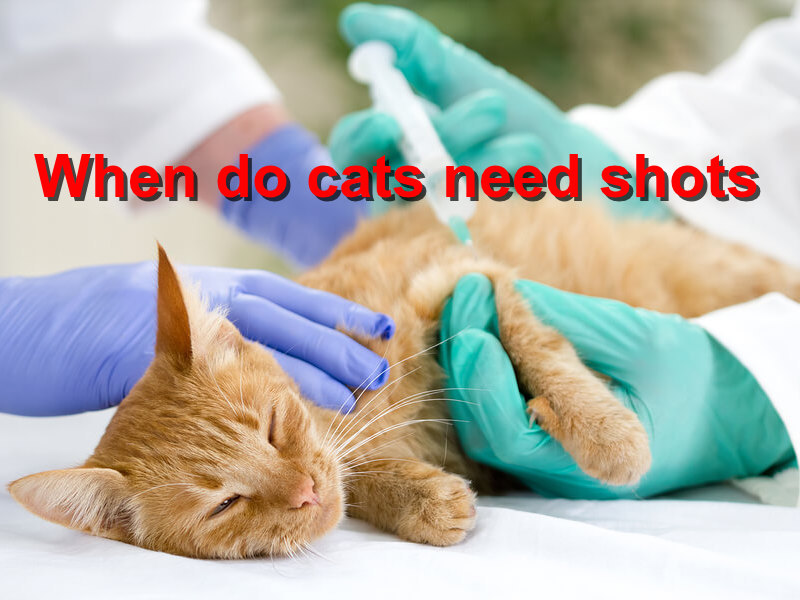
    When do cats need shots?

    How often should you take your cat to the vet for shots, as well as other essential preventive measures such as heartworm and flea treatments? Read on to learn why it is important to take your cat for shots on a regular basis.

    But before we discuss the importance of taking your cat to the vet for shots, let’s first answer this question. ‘’How often should your cat get shots?” Well, the answer to this question varies depending on lifestyle, immune system and geographic location. Put simply, there is no straightforward answer to this question. Nonetheless, you can follow a set of guidelines to ensure you understand cat vaccines as well as preventive measures.

    Do cats require regular flea prevention?

    Do cats require flea prevention or is it only essential for outdoor cats? Before we address this question, it is important to remember that fleas are contagious and can easily be transmitted to all household pets. And though flea prevention is important for all pets, keep in mind that fleas have an outstanding capacity of surviving and spreading. More importantly, indoor cats can also get flea infestation regardless of whether they have contact with other pets or not.

    However, this doesn’t mean that your cat requires monthly flea prevention. Cats that don’t have skin problems can easily get by when you use occasional flea preventative applications. This means that flea prevention is option particularly for indoor cats. Nonetheless, be aware that fleas have excellent survival skills and it’s common that most cat owners are often unaware that their pets have significant infestation.

    Heartworm prevention

    Is heartworm prevention important for your cat? Heartworm disease can also affect indoor cats as it is spread to pets by mosquitos. And while outdoor cats are more vulnerable to mosquitos that spread this disease, indoor cats can also be infected by these parasites. For that reason, heartworm prevention is important for all household cats. The best thing about heartworm prevention is that it also prevents the onset of intestinal worms that can easily spread to human beings.

    Are vaccine booster shots important for cats?

    While there is no definite answer to this question, it is important to ensure your cat receives booster shots at least once after a period of three years. For example, kittens should receive shots to prevent feline panleukopenia. After all, preventions is definitely better than cure.

    Conclusion

    If you are not sure if your cat is supposed to receive shots, you should consult your vet who will attend to your cat’s specific needs. 

    Reference: Catster, Webmd, My pet needs that

    Copyright: Local Value


  • What dogs feel for you

    What dogs feel for you

    What Dogs Feel For You

    Most pet owners often ponder what their dogs think about them when they look at them with their loving, wide eyes. You might wonder, ‘’ What are they thinking?”. Recent studies have now helped up us move closer to finding an answer to this common question. Two researchers recently did a study to find out if canines have the ability to express empathy – the capability of understanding emotion.

    According to the study, many people believe that their dog actually has the ability to comfort them. But while all not dogs can show comfort, they are not hard-hearted either. Essentially, dogs can show a lot of care in many ways than most of us assume.

    How the dogs responded to the study

    Researchers recently gathered a variety of untrained pets that mainly consisted of mixed breed, which were then divided into groups of two – males and females. Then they requested the presence of the dog’s owner as well as a stranger who had never met the dog. The stranger and the owner would alternatively hum, cry or talk in a strange way. The researchers simply wanted to check how these dogs reacted to the sound.

    The dogs did respond well to the sounds that even came from strangers. As a result, the researchers believed that this was a way the dogs used to express empathy. Additionally, the researchers believed that when the dogs wanted comfort they would seek out their caretaker. But the study ultimately raises a number of questions. Do dogs express emotions like anger or pleasure? And how do they respond to children.

    Dogs and their owners enjoy a healthy symbiotic relationship

    Nonetheless, recent findings show that dogs and their owners usually have a strong bond. And though more research is essential to determine ways of strengthening this bond, we definitely benefit from a healthy symbiotic relationship with our dogs.

    While there is no definitive way to explain how your dog feels for you, the joy and companionship you get from your canine friend speaks volumes. More importantly, dogs not only endure hostile environments but also seem to enjoy it as well. And you might wonder, what do dogs think in such situations?

    The research also shows that dogs are more responsive to information that comes from us, as opposed to sounds from inanimate signals such as bell. Put simply, dog enjoy our presence as much as we enjoy theirs. 

    Conclusion

    Although dogs have the ability to show empathy, they can be jumpy and aggressive when they are sick. For that reason, you should take them to the vet when you spot a change of behavior just to be on the safe side.

    References: Cesars way, Discover magazine, Huffpost

    Copyright: Local Value

  • Holiday Safety For Your Pets

    Holiday Safety For Your Pets

    Holiday Safety for Your Pets

    While you prepare to celebrate the holidays with friends and family, you can’t forget your furry companions. If you plan to have a Christmas tree or light your Christmas decorations, you should keep a watchful eye on your pets during the holiday to prevent accidents.

    1. Allow them to enjoy their alone time

    Your home will get busy during the holiday, with friends and family exchanging food and gifts, so you should remember that strangers can easily stress your pets. Besides dealing with strangers, your pets also have to navigate through the holiday decorations that seem to invade their living area.

    Whether your pets are sociable or not, they can easily become anxious or overexcited when your home has a stream of guests. You can keep them in one of the rooms so that they can enjoy their alone time away from the strangers. The garage is a safe place where they can escape from all the activities happening around your home. For cats, you can store them in a cardboard box.

    1. Keep holiday decorations away from their reach

    Remember that holiday decorations are likely to pose a threat to your pets. Lightening decorations can potentially break inside your cat’s or dog’s mouth when they ingest it. On the other hand, chew-happy pets can easily get electrocuted, and ornaments fallen from the tree, can cut the pets feet. As an alternative, you can use plastic bulbs and place decorations at the top of the Christmas tree where pets can’t reach.

    Since most ornaments are small enough, they might pose choking hazards and may lead to internal damage if swallowed. For that reason, you should keep a watchful eye on your pets as they play around the Christmas displays.

    1. Keep them away from holiday goodies and treats

    One common thing that is abundant during the holidays is food. Your pets will want to get their fair share of the delicacies. However, most human treats are not good for pets. For instance, chocolate can damage your dog’s digestive system, as well as cookies, candies and other artificial treats. Fatty trimmings, grapes, onions and cage are dangerous for pets as well. 

    1. Don’t allow your pets to drink the water tree

    As cats are notoriously curious, they will want to taste the sparkling water on the corner of the Christmas tree. The water found in a tree stand can be harmful for pets as it is infested with toxic bacteria that can cause your pets to become ill. You can cover the tree stand when you are out running errands so that pets don’t drink water from the stand.

    Conclusion

    If you suspect your dog has ingested something toxic during the holiday, you should visit your veterinarian immediately.

    References: The dodo, AVMA, Petmd

    Copyright: Local Value


  • French Bulldogs

    French Bulldogs

    Common Traits Of French Bulldogs

    Key characteristics 

    The playful French bull dog is small, muscular and compact. These dogs normally have an evenly shaped head and bat-like ears. Additionally, they have a unique underbite. Their body is pear-shaped and often appears wider when you look at it from the front.

    Their loose skin forms wrinkles, especially around the shoulders and head. Frenchie bull dog’s tails also appear corkscrew or straight.

    Where they originate from

    This breed traces its origin in England back in the early 19th century. French bulldogs initially were a preferred alternative to the larger and heavier English Bulldog. More importantly, Frenchies were beloved by lace-makers who existed in that period.

    But with the onset of the industrial revolution, most artisans were jobless and subsequently relocated to France, carrying with them their dogs. With time, the bulldog became increasingly popular. And the Frenchie became more developed as characterized by the bat-like ears. Although most Frenchies nowadays have batlike ears, the original breed had rose-shaped ears.

    Gradually, when more Americans moved to France, they developed a liking for the breed and ultimately it become popular in most homes in the United States. Frenchies remained popular among many Americans but their popularity and numbers began to decline after the word war. It is now considered a rare dog breed but recently made a comeback.

    Are they friendly?

    The French bulldog is an awesome companion and was actually bred for this purpose. The beloved dog can gladly share with you the sofa as you enjoy your favorite show, and can even share your warm bed at night.

    Frenchies are curious and playful and can easily get into trouble without close supervision. Generally, they interact well with other household pets and are affectionate toward strangers. Frenchies also need regular companionship. You should never leave them in isolation for a long period of time.

    Exercise needs

    Frenchie bulldogs can live comfortably in a house or apartment that has a yard. Ensure you engage your dog in regular walks to keep them from being bored and keep obesity at bay. But you should avoid walking your Frenchie in extremely hot days. Also ensure you keep them indoors during the cold days.

    Conclusion

    Frenchies without a doubt need comfortable homes. If you decide to adopt one, make sure you do your research to avoid falling prey to dealers that run puppy mills. As a word of caution, you should consult a vet to instruct you on what to look out for if you want to get a Frenchie.

    References: Petful, AKC, Dogtime

    Copyright: Local Value

  • Confident Dog

    Confident Dog

    How to Make Your Dog Confident

    If your dog is timid, there is no need to worry as there are ways you can make it more confident. While some dogs are usually shy since childbirth, others may have experienced terrifying events that made them timid or fearful. Here are some of the ways that can help your dog gain some confidence.

    Where does the fear originate from?

    When puppies are between 7 and 10 weeks old, they often undergo a critical socialization period. During this period, the brain is still learning how to build associations, and it’s a time when dogs are vulnerable to develop phobias or fear.

    In most cases, dogs develop fear when something scared them during their socialization period. Due to this, the dog might become fearful of a certain thing, or may become nervous or timid in general. These timid or nervous dogs can get help from confidence-building workouts that can eliminate the fear that is commonly attached to multiple things or situations.

    Are confidence-building workouts effective for dogs?

    To build confidence in dogs, counter-conditioning training or confidence-building exercises are recommended. But how do these exercises really work? Well, these exercises can desensitize your dog by exposing it to the stimulants that make it fearful, be it fireworks, children, strangers or loud noises.

    Similarly, these confidence-building exercises can help develop the dog’s behavioral response to any objects that cause fear in your dog. For instance, when your dog has a phobia for strangers, the exercises will prevent the dog from becoming fearful by working on activities, like playing with a ball.

    How you can desensitize your dog from fear-inducing stimuli

    A great way to desensitize your dog from fear inducing stimuli is by adding a reward during the counter conditioning exercises. If you want to give your dog treats during training, then you should ensure the treats require minimal chewing. When your dog completes a specific exercise successfully, you can offer him a reward. If you want to effectively desensitize your dog from the fear-inducing stimuli, you should reintroduce the dog to the fear stimulus at a safe distance.

    For example, if your canine is scared of fireworks, you can play a soft recording so that the dog isn’t scared. Hold your dog with a leash and using a safe volume, when the dog is not showing any symptoms of fear, request your dog to sit calmly and pay attention. If the dog responds positively to the request, offer them a treat.

    Conclusion
    Remember that your dogs need patience and compassion. If your dog is too sick to undergo these conditioning exercises, you should consult your veterinarian immediately.

    References:  PetmdDogster, Puppy leaks

    Copyright: Local Value


  • Beagles

    Beagles

    5 Things You Should Know About Beagles

    While beagles are great hunters, they are lovable and excellent companion pets as well. Learn if this sociable dog is the right pet for you.


    1. Key characteristics


    Beagles are excellent hunting dogs and are very popular in the United States. Their compact coats often require minimal grooming. These breeds come in 2 different sizes, the 15-inch Beagle and 13-inch tall Beagle. Common coat colors include white, lemon, red, and tri-color. They have large, brown eyes. The ears are long and wide, and the nose is dark black, while the tail is erect.


    1. Where do they come from?

      While records show that Beagles were discovered in early 1500s, more research is needed in this area. The Beagles were first discovered in England during the early days before the Romans started to arrive in the late 18th century. Since fox hunting was popular at this time, beagles were commonly used as hunting dogs. The beagle was later bred with the southern hound dog and become popular in the United States. 


    1. Are they friendly?

      Beagles are usually gentle, affectionate, loving and sweet. They are sociable dogs with high intelligence and natural curiosity. They can get along well with children, but their exemplary hunting instincts might prevent them from socializing with non-canine pets. While beagles are smart, consistent training can help prevent negative or unwanted behaviors like biting, snapping, destructive behavior and obsessive barking.


    1. Is this dog the right breed for you?

    Since beagles have a lot of stamina, they require regular exercise. A slow jog or daily walk is recommended. The breed can do well indoors provided you ensure they get daily exercise. A play yard will come in handy if your dog is extra playful. 

    1. Grooming needs

    Coat shedding is minimal and so grooming is not time-consuming. You can brush it’s coat weekly using a soft brush. Bathe the dog when necessary but not too often. Also regularly check the ears to ensure they don’t have any infection.

    Conclusion

    Beagles are often found in rescues and shelters, so you can find them there or find other adoption options online or in your local area. If you decide to get your beagle from a breeder, ensure you find a legitimate breeder. Also ensure you get health certificates from the dogs’ owner. When your dog has any health problem, you need to visit your veterinarian immediately.

    References: Petful, AKC, Dog time

    Copyright: Local Value

  • Do cats get colds

    Do cats get colds

    Do cats get colds?

    Cats are vulnerable to get colds, just like us. Upper respiratory infection [URI] or a cold is a common disease that affects kittens. Cats can get a cold in a setting where they are overcrowded, like shelters, breeding facilities and pet stores. Kittens found in shelters and pet stores have a high chance of developing upper respiratory infections since their immune system is not fully developed. And since they live close to other cats in the shelter, they are likely to get a cold.

    What is an URI?

    Colds or upper respiratory infections that affect the larynx, pharynx, and nose are either caused by bacteria or viruses. Some of the common viruses that cause colds are herpes and calicivirus, as well as bacteria such as chlamydia, mycoplasma and Bordetella. These harmful agents are spread in cats through a process called aerosolization.

    When the sick cat sneezes, minute droplets that contain infectious materials are directly released into the atmosphere. Since the droplets are quite small, they remain airborne longer and can easily infect cats that are a distant away. This explains why colds spread quickly in an area with a large cat population. One sick cat can spread the cold to other cats in it’s proximity by sneezing. Infections may also spread by direct contact. On the other hand, it can spread through inanimate objects known as fomites. These inanimate objects can spread the disease if they become contaminated with infectious organisms. Common fomites include towels, food bowls and bedding material.  

    Symptoms and signs of cat colds

    Cats that have a cold often develop mild signs, such as watery eyes, runny nose and frequent sneezing. In most cases, these symptoms can resolve without treatment. However, vulnerable cats, especially the old and young, can easily develop severe infections. Cats that have severe cold may develop:

    Dehydration

    Loss of appetite

    A fever

    Yellowish, thick eye or nasal discharge

    A fever

    Thick, yellowish nasal or eye discharge

    Cats might become lethargic

    How to treat cat colds

    The appropriate treatment of colds in cats will depend on the severity. While the symptoms can be irritating for cats, mild URI and common cold can easily resolve without treatment. For more severe infections, eye medication and/or oral antibiotics might be necessary to treat the symptoms. If your cat is not drinking or eating, additional treatments like appetite stimulants, subcutaneous fluids and hospitalization may be necessary.

    Conclusion

    When you notice your cat’s symptoms have become severe, you should visit your veterinarian immediately to ensure your cat receives appropriate medication.

    References: pet health network, Petmd, Pet plan

    Copyright: Local Value