Category: Social Media

  • Hairballs in Cats

    Hairballs in Cats

    Hairballs in Kitties: What you need to Know

    Although hairballs are not exactly normal, they are pretty commonplace to the extent that most pet owners have grown so accustomed to them, especially if they own a long-haired species.  However, trichobezoars – another name for hairballs – are a sign of many underlying no-so-good issues. 

    But what is a hairball?

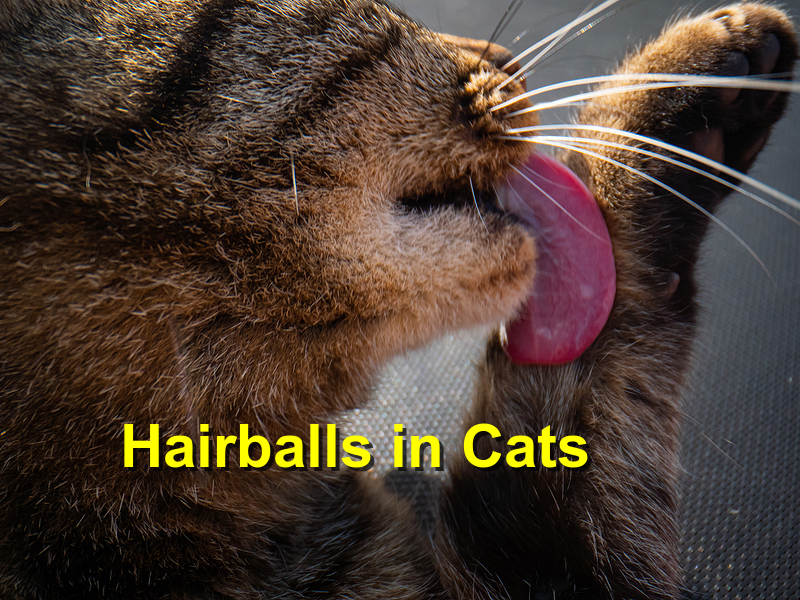
    You see, cats love to groom themselves every now and then. This shouldn’t be a problem except for the fact they have relatively rough and spiky tongues compared to ours. In the course of their self-grooming regimen, these barbs will remove and collect loose fur which they could accidentally swallow. Now, if the cat’s gastrointestinal system is working as it should, the hair swallowed inadvertently should pass through the intestines and the stomach and excreted as stool. 

    Nonetheless, if there is another grooming or underlying health issue at play, the hair ordinarily lumps together in the stomach instead of being passed along. The cat will then bring it up as a hairball in a characteristic retch or cough. On observation, the fanfare involved in churning out the hairball has led to many cat owners just dismissing it the vomiting or chocking up as being ‘merely a hairball’, which is hardly the case. 

    Treatment Options

    When it comes to correcting hairball disorders in cats, the best approach is one that is aimed at addressing the underlying reason for this anomaly. While occasional hairball vomiting or coughing up is not a reason of concern particularly among long-haired cat breeds, at times it can be a sign of a serious problem lurking behind the shadows. And this is especially if your cat gets into the habit of bringing up hairballs ever so often than they normally would. 

    Begin with a thorough physical exam with the supervision of a trained veterinarian to assess your pet’s overall health. Based on the results of this examination, the vet may be in a position to recommend a set of further diagnosis to ascertain the cause of the aggressive grooming which could be an allergy, skin infection, stress triggers or change of the environment. Further, urine and blood testing could also be recommended to evaluate the status of the cat’s major organs and blood cells. 

  • Adolescent Dogs are Similar To Teenagers

    Adolescent Dogs are Similar To Teenagers

    Rebellious Dog? Canines Exhibit Similar Behaviors To Adolescent Humans 

    Teenagers in their adolescent years usually tend to be emotional and rebellious. According to studies, this age group has its fare of challenges. And similar to humans, young adolescent dogs also experience a period of hormonal-fueled conflict. During this stage, dogs give their caregiver’s a difficult time and don’t respond to commands.

    The research observed Labrador Retrievers, Golden Retrievers, and German shepherds raised in dog training programs in one study. In this study, caregivers were requested to rate the puppies based on their attention-seeking behavioral issues. Some of the expected behaviors include trembling, agitation, whining, or sitting close to one household member.

    Consequences of insecure attachments

    Results of the study showed that puppies with high scores in all the categories began experiencing puberty earlier. The puppies began puberty at only five months – which is not normal. The findings further reflect research on adolescent teenagers, and showed how insecure attachments to caregivers might cause early puberty.

    Testing for obedience and compliance

    To check whether dogs respond swiftly to commands, researchers tested a group of canines between 5 and 9 months. In this experiment, two people commanded the dog to sit: one stranger and a caregiver. At only five months, all puppies sat when given the command. But at eight months, the adolescent dogs refused to follow instructions from their caregivers.

    Interestingly, the dogs responded swiftly to the strangers. Such disobedience toward familiar authority somewhat mirrors adolescent teenage behavior.

    Benefits of socialization and proper training

    With socialization and proper training, it’s easier to eliminate these undesirable traits. After carefully analyzing results from multiple dog guides, researchers believe that adolescent dogs are trainable. However, the study encourages lifelong training to discourage your dog from being rebellious. That said, dogs need regular training to ensure they pass the frustrating and rebellious stage.

    Unfortunately, most pet owners only focus on giving their dogs the simple, common commands like stay and sit. While these skills are essential for all dogs, you need to use them more frequently. When your dog no longer responds to cues quickly, you need training sessions to reinforce the skills. As a suggestion, reinforce the desired response with a delicious treat.

    Conclusion

    Training your adolescent dogs can enhance their skills, and enhance your bond with your furry friends. But if you notice your dog is withdrawn, uneasy, or aggressive out of the blues, visit the vet to determine whether the dog has an underlying health problem.

    References: Pet Coach, Dogster, Wag walking

    Copyright: Local Value

  • Why Dogs How

    Why Dogs How

    Why Do Dogs Howl?

    Dogs often use howling as a form of communication to ward off possible intruders. While this behavior is common among wolves, here’s what you should know about the gradual evolution of howling among canines.

    What does howling mean?

    Most dog owners usually ask, why is my dog howling? Well, here are the common reasons your dog is howling.

    Maybe your furry friend needs attention.

    One common reason why most dogs howl is that they need attention from their owners. An incessant howling is the only way to grab the owner’s attention quickly. As you well know, most people respond to loud sounds faster. So, if you hear your dog howling, you need to respond promptly and let the dog knows you’re attentive. That’s why howling is an efficient mode of communication.

    Most pet owners also enjoy their dog’s repeated howling and find it entertaining and funny. Meanwhile, dogs see it as a way to express their joy or frustration.

    How to minimize attention-seeking howling

    If you want to discourage this unbecoming behavior, it’s better to learn behavior conditioning – commonly known as reinforcement. When your dog is used to excessive howling, avoid it altogether. And when the dog is calm and stops howling, reward it with positive reinforcement.

    Either give them treats or play with them for a few minutes. Never pay attention or punish the dog for howling as this might amplify the behavior.

    Separation anxiety

    The other reason your dog might howl is due to separation anxiety. If the dog starts howling when you leave for work, this is a symptom of separation anxiety. An excellent way to deal with this behavior is to get counsel from a specialized veterinarian that deals with such issues. Visit your local vet to find out how you can rectify the condition.

    The dog has detected unfamiliar noises.

    Dogs also howl when they detect unfamiliar noises outside. Maybe your dog has heard loud sirens. This kind of howling is normal and expected in residential areas. That said, there’s a way you can discourage your furry friend from excessive howling when they hear strange noises. Try counterconditioning or desensitization – both are effective behavioral conditioning techniques.

    Hunger

    Your dog might be howling due to thirst or hunger. When the dog starts howling excessively, determine and address their needs promptly. Puppy howling can be a sign of loneliness. And if that’s the case, play with your puppy when you’re not busy to keep them entertained.

    Conclusion

    While dogs howling is a common way for them to express their frustrations, excessive howling can indicate an underlying problem. Visit the vet if your dog is howling faintly or excessively as this might be a sign that your dog has a health issue.


    References: Petmd, Dogster, pets.webmd

    Copyright: Local Value


  • Do Cats Love Their Owner

    Do Cats Love Their Owner

    Do felines love their Owners: Research reveals more

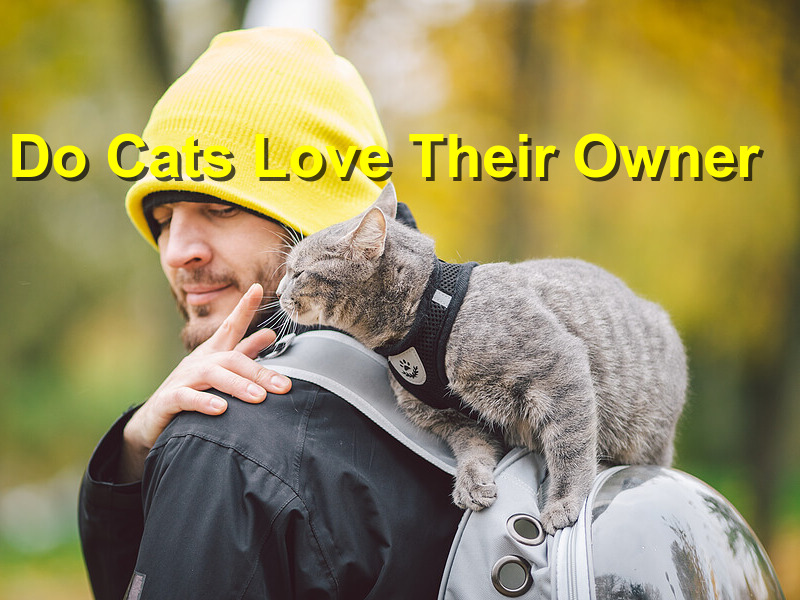
    Cats are independent creatures and often seek attention when they are lonely and need petting. While most people assume that cats are indifferent to humans and lead a solitary life, this is far from the truth. Researchers recently did a study to examine the bonds between humans and cats. They found that felines have the same attachment to humans the same way dogs and children do.

    How researchers tested cat bonding

    To accomplish the study researchers placed different feline subjects in a strange room for 5 minutes with their owner. The cats were left alone for 2 minutes, and later the caregiver joined them for two more minutes.

    Experts examined the cat’s behavior in all the different scenarios, specifically when they were reunited with the owner. They classified the cats into different kinds of attachment.

    Here is the breakdown of the common attachment styles:

    Disorganized: The cat switches from clinging to their owner to avoiding the owner altogether.

    Avoidant: Cats avoid their owners and stay isolated at the corner of the room.

    Ambivalent: Cats cling tightly to their owners when reunited.

    Securely attached: Cats explore the room carefully and look for attention from their owners.

    Results of the study

    To comprehensively explain the study, cats with secure attachment experienced a low-stress response with the caregiver during the caregiver’s absence and subsequent return. This response is known as the Secure Base Effect. On the other hand, cats who experienced an insecure attachment were stressed and often engaged in excessive ambivalent attachment or proximity-seeking behaviors.

    Researchers did the study above on kittens as well – aged 4-8 months – and on full-grown felines. The studies explain that cats are believed to form insecure and secure attachments toward their caregivers as children and dogs do.

    Just as children are attached to their caregivers, cats also exhibit such behavior to their respective caregiver. Cat attachment is relatively stable and also becomes normal in adulthood. So, forget the misconception that all cats have an independent nature. Cats are attached to humans, and they enjoy constant petting.

    Conclusion

    If you notice your furry friend is withdrawn, sleepy, or hides throughout the day, then you should visit the vet to determine whether your cat has an underlying health problem. Remember that cats are playful and adventurous creatures. Any behavior contrary to the norm is an issue of concern to the caregiver.

    References: Petmd, Pet Finder, The Spruce Pets

    Copyright: Local Value

  • Keep Your Pet Safe From Covid-19

    Keep Your Pet Safe From Covid-19

    Ways To Keep Your Pets Safe From COVID-19

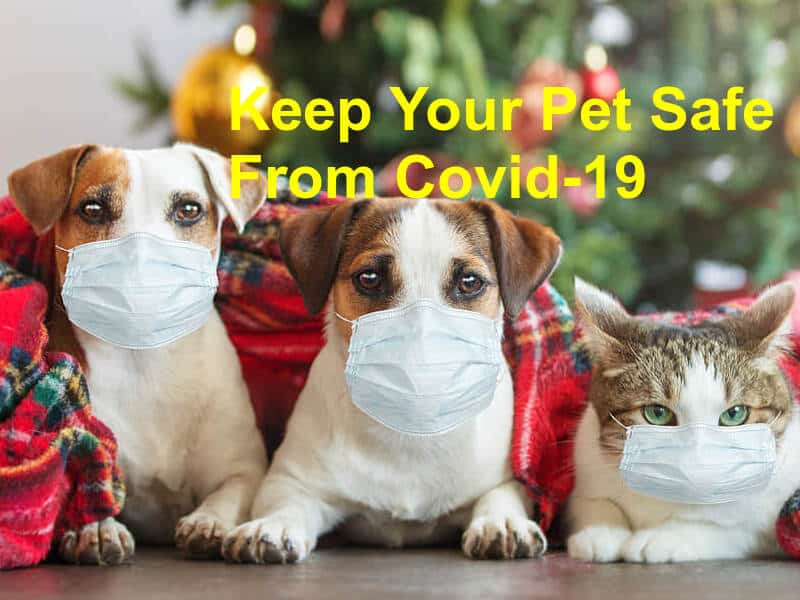
    During the current COVID-19 pandemic, as we struggle with social distancing, one thing that stays the same is our love for our pets. But what happens to them if we’re sick? Are they in danger, too? What do you need to do to keep your pets safe from COVID-19? Here’s essential information to keep in mind;

    Symptoms of COVID-19 in dogs and cats

    Recently, two cats from New York tested positive for coronavirus. And doctors believe they contracted the disease through infection from sick people. Fortunately, the cats only had mild breathing difficulty and will make a quick recovery. This particular case was not surprising to veterinarians and scientists since felines are also vulnerable to coronavirus.

    On the other hand, a pug also tested positive in North Carolina. In the same household, three family members tested positive, and it is believed they infected the cat. The symptoms exhibited by the family members were incessant coughing, gagging, and difficulty breathing. But the pug was only sick for a few days and made a quick recovery.


    Can dogs and cats be vaccinated against COVID-19?

    Currently, COVID-19 vaccines are only available for humans. According to the World Health Organization, the vaccine could be available in 12-16 months. So, since there’s no vaccine designed for our furry friends, you should keep your pets safe to ensure they aren’t at risk of the disease.


    How you can keep your pets safe from COVID-19 if you’re infected

    If you suspect you have COVID-19, restrict your movements and stay away from your pets as much as possible. If possible, request a friend or family member to care for the pets until you fully recover. Avoid sharing food with your pets and don’t pet them, either. But if you cannot get outside help, then remember to wash your hands after handling your pets.


    Is your dog safe from COVID-19 when you visit the Vet?

    Veterinary hospices are following all the health guidelines to ensure their patients and clients are healthy and safe. Most vets have reduced elective and wellness procedures, and have cut back staff hours. Additionally, most vets now attend to pets while wearing PPE while others are offering a virtual diagnosis. If you want to visit the Vet, first call ahead and check if they follow the right protocol in line with COVID-19 prevention.


    Conclusion

    During this time, it’s advisable to keep your pets away from strangers. Try and keep them indoors as much as possible. But if you need to visit the Vet, follow the necessary preventive precautions.

    References: Petmd, ASPCA, cdc.gov

    Copyright: Local Value

  • Grape and raisin poisoning in dogs

    Grape and raisin poisoning in dogs

    Grape and Raisin Poisoning in Dogs

    If you suspect your dog has ingested raisin or grapes, you should visit the vet immediately to avoid health problems. But if the dog ate the raisins just a few minutes ago, then there’s no need to visit the hospital as you can induce vomiting. Raising and grape poisoning in dogs can cause kidney failure and can be fatal if left untreated.

    Common symptoms of Raisin and Grape poisoning in dogs 

    The most immediate symptom associated to grape or raisin toxicity is vomiting that happens in the first few minutes. Often, your dog might seem in good health for about 12 hours and then suffer from kidney failure. Some of the common symptoms of raisin and grape poisoning include dehydration, excessive thirst, loss of appetite, bad breath, weight loss, and breathing trouble.

    What causes raising and grape poisoning in Dogs

    Raisin poisoning is caused by the ingestion of excessive grapes or raisins. But how do you determine what amount is toxic or poisonous to your dog? Well, you dog’s weight can affect the level of toxicity. That said, it is important to avoid feeding your dog grapes or raisins and store them away safely away from their reach.

    How to diagnose raisin or grape poisoning in Dogs

    The vet will stabilize the dog before diagnosis. He will induce vomiting using apomorphine and thereafter wash the dog’s stomach by passing a sterile solution down the throat. Alternatively, the doctor might use activated charcoal to absorb toxins left in the dog’s stomach. There’s no specific test for grape or raisin poisoning, but the vet might find traces of raisins or grapes undigested in the dog’s throat or mouth.

    What’s more, the vet has to perform thorough physical examination to monitor weight, reflexes, respirations, heart rate, and body temperature. Additionally, the vet will examine the abdomen carefully to check for stomach or kidney inflammation. Urinalysis and blood count are also done to help determine the severity of the kidney damage.

    Treatment of grape and raisin poisoning in Dogs

    Once the vet completes charcoal treatment and gastric lavage, he will hospitalize the dog to administer IV fluids. Observation is important for the first 24 hours to remove water and waste, thereby support proper function of the kidneys. More importantly, the vet provides basic monitoring and supportive care to prevent kidney damage.

    Conclusion

    If your pet has accidentally ingested grapes or raisin, you should visit the vet immediately to prevent kidney failure as this can be fatal. Try to induce vomiting if the dog has only ingested a small amount of raisin or grapes.

    References: Wagwalking, Vca Hospitals, Petmd

    Copyright: Local Value

  • Why do dogs lick and chew their paws?

    Why do dogs lick and chew their paws?

    Why Dogs Chew And Lick Their Paws

    Does your dog licks its paws excessively? Well, its important to determine whether your dog has an underlying health problem if this happens regularly. There are many reasons why canines chew or lick their paws. Below is a guide to help you determine why your dog is licking and chewing the paws.

    Grooming

    Dogs occasionally lick the paws for self-grooming. But if the dog licks its paws consistently, or licks one paw attentively, then there might be a problem. Here are common reasons why dogs lick or bite their paws from time to time.

    Dandruff/Flakes

    Dandruff in the dog’s fur might indicate dry and itchy skin, which often happens when your dog stays in certain seasons for long. That said, you should find moisturizing creams suitable for dogs to prevent dry and itchy skin.

    Hot Spots

    Repetitive licking by your dog can cause hot spots due to inflammation. This is usually a response to itchiness that happens overnight. As a result, this causes hair loss and turns the skin moist and red. If you notice these hot spots, you should apply an antimicrobial and anti-inflammatory spray designed for dogs. 

    Bacterial Infection

    Often, bacterial infections develop if the dog’s skin is damaged. Look for presence of hair loss, flaky skin and generally redness of the skin. Wipe the skin with dog shampoo routinely to restore healthy balance of essential organisms that nourish the dog’s skin.

    Yeast Infection

    Yeast can also cause infection when left untreated and can cause odor, itchiness, and greasy skin. To treat greasy skin or yeast infection, you can use dog wipes and medicated shampoos with antifungal ingredients to prevent the infection from spreading.

    Allergies

    When the dog has itchy paws, then it might have an allergy. Studies show that allergies are often caused by food, environment, or any irritant that touches the dog’s sensitive skin. Brown staining, dark pigmentation and redness of the paws indicate signs of allergic reactions. Wipe or bath the dog’s paws regularly after it finishes playing outside to eliminate these allergens.

    Conclusion

    While topical dog sprays or creams can help to reduce the itch, intense licking usually indicate a underlying health problem. That means you have to visit the vet to get systemic medication to treat the condition before it worsens.


    References: Petmd, The Spruce Pets, The Bark

    Copyright: Local Value

  • Pet CPR

    Pet CPR

    Everything You Need to Know About Dog CPR

    Most of you are certainly familiar with CPR that is performed on humans. However, an emergency or accident that affects your furry friend might also require CPR. In fact, performing CPR on your pet can easily save their life. Let’s discuss the importance of learning how to perform CPR on your pets at home.

    What is pet CPR 

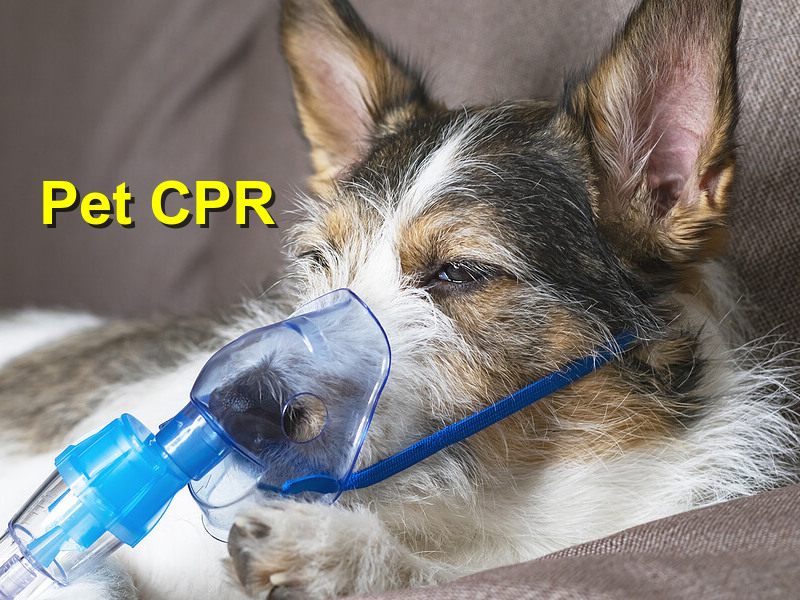
    Similar to human CPR, dog CPR is an emergency-saving procedure done using chest compressions and artificial respirations to help the pet breath normally. When your pet stops breathing, the blood oxygen levels drop faster. Without adequate oxygen supply in the blood, the liver, kidney and other essential organs can fail.

    Often, respiratory failure can occur and this might lead to brain damage. So, it’s important to diagnose the problem quickly to keep your pet out of danger.

    First response drills to save your dog

    Under an ideal circumstance, first respondents are usually medical professionals with the right equipment such as masks and oxygen ventilators. Nonetheless, emergencies often happen unannounced and require immediate attention.

    What if the vet or firefighter isn’t nearby? Can you perform CPR on your pet? Well, if you find yourself in an emergency situation that warrants CPR, visit the vet immediately. But if your vet is too far away, you need to offer medical assistance as you transport the dog to the vet. 

    Check for obstructions on the pet’s airway

    Open your pet’s mouth to check for obstructions. Throat blockage is known to affect the pet’s air supply and can cause breathing problems. Therefore, ensure the throat or airway is clear and then perform CPR.

    Determine whether your pet has regular breathing 

    Watch your pet’s chest closely and check whether it falls and rises as expected. But if you don’t see any breathing movements, try to check if the pet’s nose has airflow. Remember that your pet might be unconscious and still breathing naturally. If your furry friend is breathing, then CPR isn’t necessary.

    Check for heartbeat

    First lay the pet on its right side and then push the elbow to its chest. The area where the elbow comes into contact with the chest marks the position of the heart. Place your hand on this are to check for heartbeat.

    Conclusion

    If your pet requires medical emergency, perform CPR immediately before you visit the vet. But if the pet has seizures, wait for it to subside. Keep your pet quiet and warm, and then contact your vet.

    References: Aspca Pet Insurance, PDSA, Firstaidforpets

    Copyright: Local Value