Category: Social Media

  • Polyedactyl Cats

    Polyedactyl Cats

    Interesting Facts About The Rare Polydactyl Cats 

    Polydactyl cats – or cats with extra toes are awesome and we just cherish them. While polydactyl cats are common nowadays, most people still don’t understand the condition behind this abnormality.

    1. It is caused by genetic abnormality

    Start by counting your cats toes. Most cats usually have 18 toes with four at the rear paw and five at the front paw. If the cat is polydactyl, it might have eight toes on a single paw. Polydactyl cats have eight toes on the front paws that somewhat resemble adorable mittens. 

    2. These cats are popularly referred to as Hemingway cats

    At the popular Ernest Hemingway Museum, Polydactyl cats still thrive as a colony. In fact, most of these cats are the progenies of Hemingway’s original polydactyl. Polydactyl are so popular that they once occupied the White House. 

    3. This condition exists commonly in Maine Coons

    Historically, this trait is common in Maine Coon cats. And most breeds originate in Maine with extra doublewide paws that function as snowshoes. For instance, most Maine Coons currently have extra toes. But though this trait is not predominating among the breed, Polydactyls are well liked by cat lovers from all walks of life.

    4. World Record polydactyl cat has 28 paws 

    Based on records form the Guinness World Book, Jake – a cat from Canada boasts of seven toes on each paw and this totals to 28. Interestingly, all toes have their own pad, claw, and bone structure. However, having extra toes can affect a cat’s mobility.

    5. They are considered good luck when sailing

    In the old days, most fishermen took their polydactyl cats on their fishing journeys. And to earn their usefulness – these efficient mouse hunters often use their extra tows for better balance on rough waters. Therefore, this explains the cat’s vast travels and this is the reason they predominantly exist throughout the U.S.

    Conclusion 

    Fortunately, having extra toes is completely healthy and isn’t detrimental to the cat’s health in any way, shape or form. However, trimming the cat’s nails can be more difficult. If you notice your cat has twisted or underdeveloped forelegs due to this genetic condition, you should visit the vet immediately to get the right diagnosis.

    References: Catster, The Sprucepets, Tree Hugger

    Copyright: Local Value

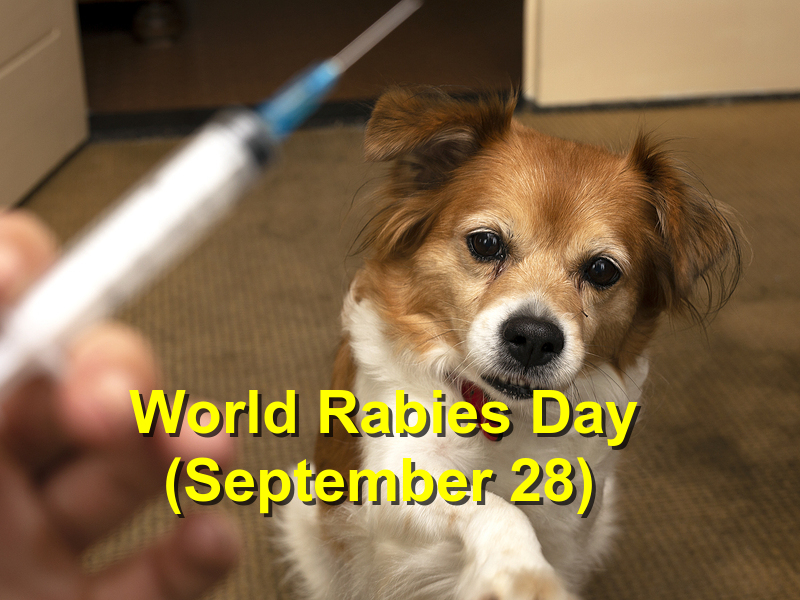
  • World Rabies Day (September 28)

    World Rabies Day (September 28)

    World Rabies Day

    Background

    Rabies can be fatal and is often transmitted through an infected nervous tissue and saliva of a sick animal. The World health Organization has listed it as the most dangerous tropical disease. Further studies show that rabies has the highest fatality rates than any other disease. Nonetheless, rabies is preventable through better educational awareness, mass vaccination and human post-exposure prophylaxis.

    Rabies cases are transmitted by infected dogs. And despite proven treatment methods, an estimated 60,000 people day every year die due to this canine-transmitted disease. Over 90% of rabies fatalities occur in Asia and Africa respectively. As a result, thousands of dogs are killed inhumanely in an attempt to prevent the spread of the virus.

    Funding and political will against rabies

    Where funding and political will exist, there’s a better chance to control the spread of this dangerous disease. For starters, dog vaccination is important to help control the disease from progressing to alarming levels. But unfortunately, most people are dying in marginalized communities due to lack of proper collaboration among stakeholders and experts.

    Rabies is a major cause of concern for dogs worldwide and has led to thousands of deaths every year. In fact, 1-2 people die of rabies annually in the U.S. But what can you do to keep this dangerous disease at bay? For starters, you should vaccinate all your pets by keeping them away from wildlife as they can easily spread the disease.

    Importance of the global rabies awareness 

    The infamous World Rabies Day was started in 2007 to help raise awareness about the dangers of rabies, and to provide essential information on ways to prevent this dangerous disease. Support advocacy has ultimately led to increased efforts toward rabies control.

    Through the International World Rabies Day, the rabies campaign reach offers a powerful platform to provide resources that helps to fight the disease. In the last decade, over 1,000 rabies events have been held to highlight the issues of dealing with rabies in the community. Canine rabies prone countries especially in Asia and Africa have held more events to help control the spread of rabies.

    The continued success of the World Rabies Day

    World Rabies Day started in the early 2007 as an initiative by the World Health Organization and the Centers for Disease Control. This day is meant to provide a global platform that encourage international stakeholders to take a unified action against rabies.

    Conclusion

    The World Rabies Day is an event that provides global resources designed to help communities control the spread of rabies. For pet owners, it is important to vaccinate your dogs and cats against rabies as this disease can be fatal.

    References: AVMA, Tdtmv journal, Awareness Days

    Copyright: Local Value


  • Dachshunds

    Dachshunds

    Dachshunds

    5 Interesting facts about Dachshunds 

    Meta description: Learn about the common traits that make Dachshund popular, their exercise and grooming needs, and other informative tips.

    While they might be small in size, Dachshunds are usually full of curiosity and spunk. Learn more about what makes this dog breed unique.

    1. Physical traits 

    This dog breed is commonly known as the sausage dog, wiener dog or hot dog. This short and elongated dog breed is liked for its friendly personality. In German, it’s known as the ‘’badger dog’’.

    It is an efficient hunter and is considered the most sought after dog by most people. They come in 15 different color combinations, with medium-sized eyes. What’s more, they have rounded ears that drop downward toward the cheeks. Also, the head slightly slopes to form an arched shape with stretched lips.

    2. Where do they originate from

    The Dachshund breed traces its origin to the early 15th century. Its unique name was used to describe its smooth and coat varieties. As the breed was beginning to develop, 2 popular sizes were popular: the Dachshunds weighing 35 pounds hunted boars and badgers, while smaller dogs weighing 25 pounds hunted rabbits and foxes.

    3. Are they friendly?

    This dog breed is playful, lively, amusing, curious and clever. They can adapt well to a new environment without difficulty and are known to be affectionate and brave companions. They interact well with children and other household pets provided they are properly socialized. Unfortunately, they are quite difficult to train and hence might require house-training.

    4. Exercise and grooming needs

    Playtime and daily walks are amazing exercises for these dogs. However, Dachshunds are vulnerable to back injuries so ensure your dog doesn’t jump from a steep height. This dog breed is very active indoors but can do well in an apartment. On the other hand, grooming often depends on the type of coat. 

    Regular bathing and brushing is important for all breeds, but wirehaired and longhaired breeds need more grooming. Since they enjoy digging when playing, trimming is essential at least once every six months. You can wipe the smooth coats with a wet towel.

    5. Can you adopt one?

    You can adopt a Dachshund as they are mostly found in rescues and shelters. Most people often make the mistake of adopting a Dachshund based on their looks or popularity without really considering the dog’s specific need. If you are considering adopting the dog, you should find a reliable breeder.

    Conclusion

    If your Dachshund has any health problems, it is always important to consult a vet to diagnose the problem.

    References: Petful, Dogtime, AKC

    Copyright: Local Value

  • Raw Food Warning

    Raw Food Warning

    Undercooked or Raw Animal-Source Protein in Cat And Dog Diets

    Uncooked or raw diets are usually derived from domesticated or wildly caught animals. They can include skeletal muscles, internal organs, and brittle bones from fish, poultry, or mammals. Raw food also includes unpasteurized milk products and uncooked foods. But here is the cause for concern – are they really healthy for your pets?

    Is it healthy to feed your pets raw or uncooked foods?

    Often, this question is controversial and there is still debate on whether feeding your pets uncooked food is healthy. For instance, while some pet owners advocate buying uncooked foods for their furry friends, vets are totally opposed to these types of diets. In fact, there is no evidence that encourages feeding your dog with uncooked foods.

    Based on the recommendations by the renowned America Animal Hospital Association, pet owners are discouraged against feeding their pets undercooked or raw animal products.

    Are pets vulnerable to bacterial infections after ingesting raw foods?

    Yes, similar to our restaurants and home kitchens, raw animal products contain harmful bacteria. This means that animal products are likely to affect your health as well. Any animal or person that consumes undercooked food is therefore exposed to harmful bacteria right away. According to a study done recently, raw meats contain E.coli bacteria.

    On the other hand, undercooked diets contained Salmonella enterica. This can have negative health consequences for your pets. Remember that animals that consume raw foods often shed E.coli and Salmonella, which are isolated in faces. 

    Additionally, toxic bacteria like Clostridium often pose a health risk to your pets.In fact, Clostridium is very dangerous to the old, young, and pregnant women as well as those who are immunosuppressed. A study done recently shows that most raw-based meats are contaminated with Listeria, which also pose a health risk when consumed by pets.

    Are raw diets balanced nutritionally?

    To alleviate the risks linked to feeding your pets raw animal diets, the America Animal Hospital Association or AAHA recommends that:

    • You feed your pets treated animal diets.
    • You restrict your pets from consuming animal carcasses when hunting.
    • You offer your pets a fresh and nutritionally balanced diet that is home-cooked.
    • You practice thorough personal hygiene (i.e. proper handwashing) prior to feeding your pets their treats.

    Conclusion

    If you suspect your dog/ cat has ingested a raw diet, you need to visit the vet as soon as possible to get appropriate medication to prevent stomach disorders.

    References: Avma, Fluxergy, Alberta Animalhealth Source

    Copyright: Local Value

  • Cat Snoring

    Cat Snoring

    Cats Snoring: Is It Healthy? 

    Does your cat snore? Should you be worried about it? Well, some cats often snore and for many, this is normal. Nonetheless, cat snoring might indicate an underlying medical disorder.

    Snoring usually occurs when the upper airway passages – the throat, pharynx, mouth, or nose – vibrate audibly when the cat is breathing. Snoring and resultant vibrations occur the moment the uppermost airways are at rest during sleep.

    When cat snoring indicates a health disorder

    Cat snoring can indicate an underlying health disorder. The most common health problem that instigates cat snoring is obesity or overweight. Excess weight often leads to build up of fat on the tissues that surround the inner airways, thereby triggering snoring. This affects both dogs and cats, and people as well.

    Cats that have respiratory infections may develop snoring. This audible breathing is caused by mucus buildup or sinus congestion inside the nose airways. Bacterial and viral infections are also major causes of cat snoring, but they are curable with appropriate medication. Nonetheless, fungal infections are more difficult to treat.

    What leads to sinus infections

    Generally, foreign objects like grass blades can get trapped inside the nose or mouth and ultimately trigger snoring, agitation, and coughing. More often, tumors or masses in the upper airways or the sinuses can lead to snoring. On the other hand, cancers like adenocarcinoma, fibrosarcoma and lymphoma can cause cat snoring. 

    Ways of determining whether your cat has a health disorder to excessive snoring

    There are a few guidelines to help you determine if your cat snoring indicates an underlying health disorder. For starters, light snoring is not related to respiratory issues and that means your cat is absolutely healthy. 

    Cat snoring often becomes louder with time and is accompanied with symptoms like coughing, sneezing and lack of appetite. If you notice any of these signs, medical emergency is important. If you aren’t sure whether your cat is healthy or not, always consult your vet. Antibiotics can facilitate speedy recovery if your cat is suffering from respiratory infections. 

    The vet can perform anesthetic evaluation to check for a foreign object inside the throat. Overall, snoring is quite normal and could as well define your cat’s unique character.

    Conclusion

    If your cat exhibits excessive snoring than usual, you need to visit the vet immediately to diagnose the problem before it worsens.

    References: Catster, Animal Friends, The Spruceness

    Copyright: Local Value

  • Siberian Huskies

    Siberian Huskies

    Facts About Siberian Huskies

    Siberian huskies have a coarse coat and dense undercoat, and come in white, brown, black or a bled of different head markings. Their eye color often varies but most of them have blue eyes.

    1. Where do they originate from

    Siberian Huskies is a popular dog breed that was common among the Chukchi tribe found in the chilly Northeast Asia. They were used as sled dogs for carrying small loads through the cold artic weather. In 1910, Siberian Huskies participated in a 400-mile race and averaged about 80 hours. In fact, they emerged victories in the race and the record time has never been broken to date.

    2. Character traits

    The dog boasts of amazing energy and endurance, and they can stay for a long period without food. Essentially, their unique metabolism works depending on their physical demands. This is an aspect that still puzzles the medical world. Unlike other dog breeds, Siberian Huskies can live well in cold climatic conditions.

    3. Are Siberian Huskies friendly?

    Huskies are alert, lovable, outgoing and friendly. They have amazing predatory instinct but can be aggressive when left alone with other pets. Huskies are known to injure household cats and even kill them. 

    4. They require plenty of exercise

    Siberian Huskies enjoy digging a lot. Ensure they get plenty of exercise during the day to expel build up energy. Find them a place for digging or else they will destroy your furniture to smithereens. The good thing is that Huskies are easy to train buy they need an authoritative leader. 

    That means you need to provide firm training to discourage aggressive behavior. Remember that Huskies can be stubborn when they don’t get what they want.

    5. Grooming needs

    Huskies have a dense double coat that requires regular maintenance. This is important since they shed their coat regularly. For that reason, you should brush their coat weekly to minimize shedding. Their fur can easily stick to your furniture and mats, so brushing is of the essence. Also brush their furry tail as well.

    6. Health problems 

    Huskies are prone to eye and hip problems. Moreover, they are prone to hip dysplasia but this is rare. Huskies require thorough eye examination to prevent cataracts and other eye disorders.

    Conclusion

    If you are considering adopting a huskie, you should avoid visiting puppy mills. As a suggestion, you can consult a vet for recommendation on where you can find a reputable adoption agency.

    References: Petful, Dog Time, AKC

    Copyright: Local Value

  • Walking your Dog

    Walking your Dog

    Ways To Make Your Dog Enjoy The Daily Walks 

    Our furry friends need plenty of walk. This is a great way for them to exercise, and asserts their position as active pack leaders. Walking your dog is fun for you as well as it allows you to bond with your best friend. 

    But what can you do when your dog is moody, is bored and seems uninterested in talking a walk? Well, there is a way to remedy this and so here are useful tips that will alleviate boredom to ensure your dog is enthusiastic about talking a walk.

    1. Find a new route

    Often dog owners use a common route as they consider this the best thing to do. However, this can be boring over the long run for your dog. As an alternative, you should consider livening things up by making small changes. For instance, you can try walking on the opposite direction as you take your dog for a walk. You can also visit the park or take a stroll down the beach.

    2. Visit dog-friendly eateries

    Even when you take new routes, the routine of going for walks with your pup and returning home gets old with time. That said, you should try to make the walk more fun by participating in other activities like visiting a dog-friendly eatery. After you’re done, simply continue with your daily walk contented that you successfully accomplished an entirely different task.

    3. Try obedience training

    A simple way to make your pup enthusiastic about taking a walk is trying obedience training. If you notice your dog shows aggressive behavior or acts up, discourage this immediately. Correct the behavior and only continue the walk when they are well mannered. As a suggestion, you can carry with you treats to reward their good behavior from time to time.

    4. Find a good company

    Ever considered taking a walk with your friend. While walking your dog usually offers good company, you might need someone to chat with during your walk. Call your friends or check if your neighbor is available to meet up at least once a week so that you can walk your dogs together. 

    5. Ensure your dogs enjoys sufficient playtime during the walk

    Make the walk more fun by complementing it with playtime. Bring with you some toys that can keep your dog active and engaged. For example, you can carry a ball and then visit the park to play with your dog. But the dog should first earn the playtime by walking in a calm manner for about thirty minutes.

    Conclusion

    If your dog becomes aggressive when taking a walk and gets injured, you need to visit the vet immediately to get the appropriate treatment.

    References: Cesars Way, The Spruce Pets, AKC

    Copyright: Localvalue

  • How long do Cats live?

    How long do Cats live?

    What is a Cat’s Average Lifespan?

    To determine the average life expectancy of a cat, it is essential to consider several factors including health, diet and environment. Is the cat neutered or spayed? This also determines the cat’s lifespan.

    Neutering and spaying eliminates the chance of the cat developing common infections that affect the cat’s reproductive system when they age. Recent studies suggest that with dietary and medical advancements, a cat can live for at least 20 cat years. Generally, the lifespan of a domestic cat is about 15.1 years.

    Cat breed

    Research further suggests that cat breed can affects it’s lifespan. Based on our findings, mixed cat breeds are hardier and thereby love longer. But if you have questions concerning your cat’s longevity, you can consult experts on hybrid and purebred cat breeds.

    On average, male cats usually have a shorted lifespan than female cats. On the other hand, indoor cats have a longer lifespan than wild cats. Homeless, feral and wild cats live shorter lives when compared to domestic cats.

    How long do indoor cats live?

    Most people often ask, ‘’How long do indoor cats live?’’. Well, overwhelming research shows that indoor cats have a longer lifespan than homeless cats. This is because indoor cats get to live away from the dangers and risks of the harsh outside world. More importantly, they are vaccinated and sterilized often and this increases their lifespan. 

    While indoor cats often get more attention than outdoor cats, they should always get adequate exercise to keep obesity at bay. Fortunately, most pet owners understand the value of exercise for their hairy friends.

    How long do outdoor cats live?

    Outdoor cats generally have a shorter lifespan due to harsh challenges of the outside world. But this will depend on where the cat lives. For example, does it live in a suburban, remote or rural location? Are other outdoor cats living nearby? 

    Are there stay or feral cats nearby? Increased exposure to ticks, fleas and illnesses ultimately lowers the lifespan of an outdoor cat. And due to many unpredictable variables, the average lifespan of an outdoor cat is 5 cat years.

    Conclusion

    If you want to learn ways on how to increase your cat’s lifespan, you can visit the vet to get dietary suggestions and other tips geared towards enhancing the cat’s overall health.

    References: Catster, Sciencealert, The spruce Pets

    Copyright: Local Value