Category: Pet

  • Can Pets Spread Covid-19

    Can Pets Spread Covid-19

    Can Pets Spread Covid-19? A Comprehensive Outlook 

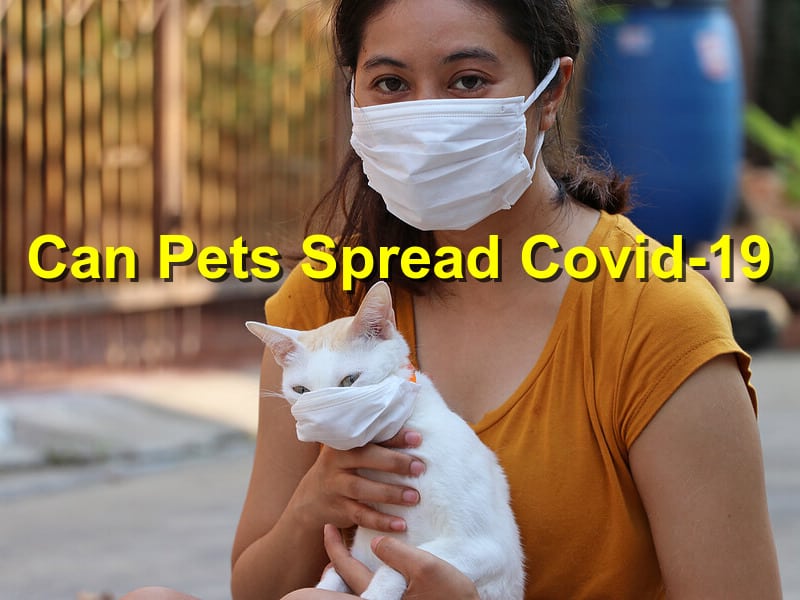
    We are the middle of a health crisis, and as expected, there are loads of misinformation and half-truths floating around. One of them touches on the issue, myth and belief that pets spread covid-19 which is yet to be wholly debunked. While there have been reports of a few cats and dogs becoming infected and testing positive for the novel virus, most of us are still in the dark on whether or not we are a risk of catching the virus from our pets. 

    There’s no Hard Evidence that Pets Spread Covid-19

    According to the World Health Organization (WHO), the current transmission of the coronavirus flu is as a result of human-to-human spread. To date, there is no clear and tangible medical evidence to suggest that our companion animals can act as a vector of the virus thereby acting as an important medium in the transmission and spread of the virus. For this reason, there’s no justification whatsoever for taking strict quarantine measures against our furry friends that could compromise their healthiness and welfare. 

    Wash your Hands After and Before Petting your Furry Companions

    While certain fungi and bacteria are known to inhabit the hair, skin and fur of common domestic animals, there is no hard evidence that the pathogen responsible for Covid-19 illness can be spread by touching or petting your pet’s hair.  Granted, however, it is still a recommended practice to wash your hands thoroughly after snuggling, petting, playing or touching your favorite pet – there could be other germs or bacteria lurking in the shadows. 

    It is Still Safe and Actually Advisable to Adopt Shelter Animals

    Since there is no tangible evidence from any recognized institutions that shelter pets spread Covid-19, you shouldn’t shy away from fostering or adopting a pet from a home. What’s more, considering how times have been hard financially in the aftermath of the virus, a lot of shelters are desperately looking for adopters and fosters who can ease the burden off their backs and give the poor animals a chance at having a warm and loving family. 

    It’s a win-win situation if you look at it; the shelter will have one less animal to worry about while you will have a new furry companion to interact with during this lockdown period when you can hardly venture outside. 

  • Pet CPR

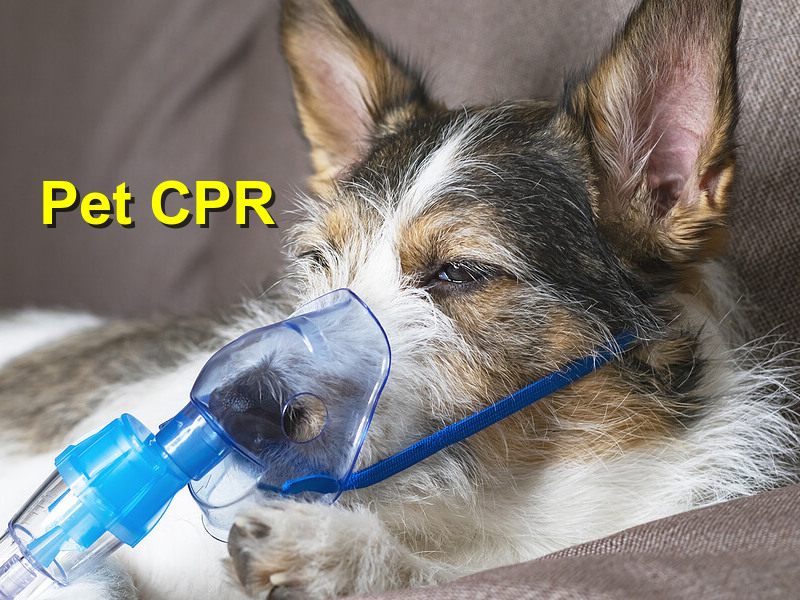
    Pet CPR

    Everything You Need to Know About Dog CPR

    Most of you are certainly familiar with CPR that is performed on humans. However, an emergency or accident that affects your furry friend might also require CPR. In fact, performing CPR on your pet can easily save their life. Let’s discuss the importance of learning how to perform CPR on your pets at home.

    What is pet CPR 

    Similar to human CPR, dog CPR is an emergency-saving procedure done using chest compressions and artificial respirations to help the pet breath normally. When your pet stops breathing, the blood oxygen levels drop faster. Without adequate oxygen supply in the blood, the liver, kidney and other essential organs can fail.

    Often, respiratory failure can occur and this might lead to brain damage. So, it’s important to diagnose the problem quickly to keep your pet out of danger.

    First response drills to save your dog

    Under an ideal circumstance, first respondents are usually medical professionals with the right equipment such as masks and oxygen ventilators. Nonetheless, emergencies often happen unannounced and require immediate attention.

    What if the vet or firefighter isn’t nearby? Can you perform CPR on your pet? Well, if you find yourself in an emergency situation that warrants CPR, visit the vet immediately. But if your vet is too far away, you need to offer medical assistance as you transport the dog to the vet. 

    Check for obstructions on the pet’s airway

    Open your pet’s mouth to check for obstructions. Throat blockage is known to affect the pet’s air supply and can cause breathing problems. Therefore, ensure the throat or airway is clear and then perform CPR.

    Determine whether your pet has regular breathing 

    Watch your pet’s chest closely and check whether it falls and rises as expected. But if you don’t see any breathing movements, try to check if the pet’s nose has airflow. Remember that your pet might be unconscious and still breathing naturally. If your furry friend is breathing, then CPR isn’t necessary.

    Check for heartbeat

    First lay the pet on its right side and then push the elbow to its chest. The area where the elbow comes into contact with the chest marks the position of the heart. Place your hand on this are to check for heartbeat.

    Conclusion

    If your pet requires medical emergency, perform CPR immediately before you visit the vet. But if the pet has seizures, wait for it to subside. Keep your pet quiet and warm, and then contact your vet.

    References: Aspca Pet Insurance, PDSA, Firstaidforpets

    Copyright: Local Value

  • Pet Thanksgiving

    Pet Thanksgiving

    Safety Thanksgiving Tips For Your Pets

    Pets and thanksgiving go hand in hand and you should keep your furry friends safe during this day filled with treats and festivities. There are a few things you need to do before the celebrations start. It is important to make the festivities safe and pet-friendly to avoid unnecessary incidents. 

    Food Safety

    Often, thanksgiving is more about food and treats, but not all diets are safe for your furry friends. Below are some foods you should be careful with as they might be poisonous for pets:

    • Chocolates – While a tasty box of chocolate is a great treat for your guests, it can be poisonous to cats and dogs and can cause seizures, diarrhea, vomiting, high blood pressure, and other undesirable symptoms.
    • Cakes and pies – Try to keep kitty and puppy noses from the mixing bowl when baking using raw eggs as it can poison them. Also, remember that xylitol – an artificial sweetener found in most desserts can be potentially fatal when consumed by pets.
    • Bread Dough – When your cat or puppy accidentally ingests bread dough, the yeast found in the dough can be poisonous for your pet.
    • Turkey – Boneless turkey pieces should be just fine for your guests but leftover carcasses can choke your pets and cause gastrointestinal injury.

    Costume reminders

    If you plan to dress your cat or dog for Halloween, you can consider buying a costume that suits the thanksgiving festivities. Just ensure the costume is spacious enough to avoid limiting mobility or obstruct breathing. More importantly, the costume shouldn’t have any choking hazards like feathers, beads, and other dangling pieces.

    Decoration dangers

    While corn and decorative pumpkins aren’t toxic, consuming too much can cause stomach upset for your pets. So, be extra careful of candles as your curious pets can easily knock them over. That said, avoid thanksgiving decorations that have smaller pieces as they can choke your pets. Alternatively, hang the ornaments on an elevated place.

    Floral Centerpieces

    Most people usually brighten their homes with an array of floral arrangements. Just ensure you know some of the plants that are toxic to cats and dogs. Some of the poisonous festive decorations include chrysanthemum, autumn crocus, and acorns from oak trees.

    Conclusion

    If you suspect that your cat or dog has ingested a poisonous treat or plant, act fast and visit the vet to address the problem. Remember that poisoning can be fatal for pets and hence should be addressed as fast as possible. 


    References:

    Aspca pet insurance, AVMA, AVMA

  • Great Dane

    Great Dane

    Important information about the Great Dane dog breed

    For anyone looking for a dog breed for companionship and affection, the Great Dane is the best dog. It is the tallest dog breed in the world, with short and thick coats. It has merle or irregular mantle or patches and their coats can be blue, black, or fawn .

    Where they originate from

    The Great Danes originated from ancient Egypt in 3000 B.C. But the dog breed that is found in most households today is the hunting dog that was used in Germany to hunt boars. Later, the breed developed in Europe in the 1800s and 1876. But once they were no longer valuable for their hunting endeavors, the Great Dane has now become a companion pet.

    Are they friendly?

    While Great Danes are intimidating, they have a large and confident stature. This tall dog breed is affectionate and gentle, and can get along with people and other pets. Moreover, they are very protective and are excellent hunting dogs. 

    Is the Great Dane the best dog for you?

    Great Danes mature quickly than other dog breeds. Often, they are at risk of bones and joints problems. And due to this, you should limit the exercises you give to the puppies to avoid stunted growth. However, Great Danes still require regular walks to keep them active and healthy. Avoid too much exercise such as running as it can cause fatal bloating. That said, daily and consistent exercise is enough.

    Grooming needs

    Ear cropping is often done to protect its ears for boars as they hunt. Today, some folks crop the dog’s ear for beauty purposes, but this practice has been banned in most countries. Furthermore, Great Danes don’t require regular breathing. Excessive bathing can strip the dog of its essential body oils. On the other hand, shedding is minimal as compared to other dog breeds.

    Health problems

    Some of the common health problems linked to the dog breed include cancer, bloat, and joint issues. Neutering or spaying can minimize the risk of uterine infections and prostate cancer. As a suggestion, you should feed the dog from an elevated height to reduce the chance of bloating.

    Conclusion

    If you are considering to adopt the Great Dane, consult a vet to help you determine the criteria to use to find a good adoption center. But if you settle for a breeder, get health clearance certificates from the puppy’s previous owners.

    References: Petful, Akc, Dogtime

    Copyright: Local Value

  • Pet Insurance

    Pet Insurance

    Do You Know Hot Pet Health Insurance Works?

    Regardless of how cautious you are with your dog – accidents are unavoidable at some point in time. Sometimes these accidents can be costly and you may have to visit the vet for a surgery. For example, your dog might have swallowed a maize cob or a play toy and require immediate medical attention. How can you keep the medical costs low?

    Consider pet health insurance 

    Most pet owners today face steep veterinary costs. Due to technological advancements for procedures like hip replacements and chemotherapy for dogs, many pet owners are spending thousands of dollars for veterinary services. In fact, routine wellness visits to the vet are upward $200 per year which can be costly.

    That is why pet health insurance comes in handy – to keep these costs manageable. Pet health insurance often comes with a financial risk management tool that can help you determine if you can afford quality health care for your dog.

    Benefits of pet health insurance


    Pet health insurance offers many financial benefits as it helps to cut down veterinary fees. Essentially, it gives dog owners some freedom and is less restrictive financially for them. In other words, they don’t need to make vet decisions based on cost.

    More importantly, pet insurance offers protection against any unforeseen medical expenses, and offers them confidence knowing they have sufficient resources if their pet becomes ill or injured.

    • Pet insurance offers owner the ability to take their vets for treatment and this helps before the condition worsen. They don’t have to worry about cost of vet care provided they have pet insurance.
    • Pet insurance allows you to give your pets top-notch care as far as medical treatments are concerned. 
    • Pet insurance keeps your pets healthier, longer with few visits to the vet.

    But obviously, pet insurance packages have some limitations, too. And depending the insurance policy, some conditions might be excluded, including pre-existing conditions and routine treatments such as dental maintenance and parasite management.

    When signing the insurance policy, the insurer might have considered some factors such as the dog’s age, if its mixed or purebred, or where it lives. Also, there are waiting periods, according to vet’s recommendations. Typically, accident insurance usually has a 48-hour wait period before the cover can be used on an illness. Some pet insurance policies can take longer to manifest.

    Conclusion

    As mentioned earlier, pet health insurance is not any different from human health insurance. After selecting an insurance plan for your pet, you have to pay a monthly fee and then pay other deductibles when you take your pets to the vet.

    References: Cesarsway, Healthy paws pet insurance, Pet insurance

    Copyright: Local Value

  • Raw Food Warning

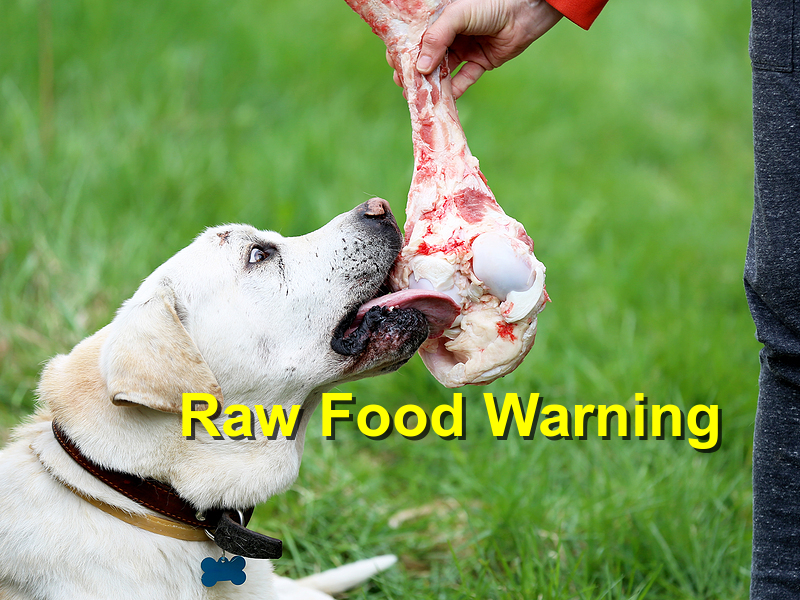
    Raw Food Warning

    Undercooked or Raw Animal-Source Protein in Cat And Dog Diets

    Uncooked or raw diets are usually derived from domesticated or wildly caught animals. They can include skeletal muscles, internal organs, and brittle bones from fish, poultry, or mammals. Raw food also includes unpasteurized milk products and uncooked foods. But here is the cause for concern – are they really healthy for your pets?

    Is it healthy to feed your pets raw or uncooked foods?

    Often, this question is controversial and there is still debate on whether feeding your pets uncooked food is healthy. For instance, while some pet owners advocate buying uncooked foods for their furry friends, vets are totally opposed to these types of diets. In fact, there is no evidence that encourages feeding your dog with uncooked foods.

    Based on the recommendations by the renowned America Animal Hospital Association, pet owners are discouraged against feeding their pets undercooked or raw animal products.

    Are pets vulnerable to bacterial infections after ingesting raw foods?

    Yes, similar to our restaurants and home kitchens, raw animal products contain harmful bacteria. This means that animal products are likely to affect your health as well. Any animal or person that consumes undercooked food is therefore exposed to harmful bacteria right away. According to a study done recently, raw meats contain E.coli bacteria.

    On the other hand, undercooked diets contained Salmonella enterica. This can have negative health consequences for your pets. Remember that animals that consume raw foods often shed E.coli and Salmonella, which are isolated in faces. 

    Additionally, toxic bacteria like Clostridium often pose a health risk to your pets.In fact, Clostridium is very dangerous to the old, young, and pregnant women as well as those who are immunosuppressed. A study done recently shows that most raw-based meats are contaminated with Listeria, which also pose a health risk when consumed by pets.

    Are raw diets balanced nutritionally?

    To alleviate the risks linked to feeding your pets raw animal diets, the America Animal Hospital Association or AAHA recommends that:

    • You feed your pets treated animal diets.
    • You restrict your pets from consuming animal carcasses when hunting.
    • You offer your pets a fresh and nutritionally balanced diet that is home-cooked.
    • You practice thorough personal hygiene (i.e. proper handwashing) prior to feeding your pets their treats.

    Conclusion

    If you suspect your dog/ cat has ingested a raw diet, you need to visit the vet as soon as possible to get appropriate medication to prevent stomach disorders.

    References: Avma, Fluxergy, Alberta Animalhealth Source

    Copyright: Local Value

  • 4th of July and your Pet

    4th of July and your Pet

    Ways To Keep Your Pets Safe On The 4th Of July

    While the 4th of July is a great day for fireworks, friends and plenty of food, for our cherished pets, it can seem like an alien invasion! After the 4th of July celebrations, animal shelters are usually the busiest as pets often panic and escape the loud noises and bright lights common during these celebrations. Here are ways to keep your pets safe during this stressful day.

    Keep your pets away from crowds

    You should keep your pets from parades and super crowded gatherings where there are a lot of activities happening. Loud noises, scorching heat and tightly packed spaces can be stressful to your pets and can affect their health as well.

    You should leave them with toys in a secure room and ensure they have plenty of drinking water. Avoid bringing your pets near firework to prevent them from running away.

    Exercise them out

    Ensure your pets get plenty of exercise at home so that they will be worn out by night. An active play session and exercises will help minimize your pets anxiety and stress levels. In fact, your pets can sleep through the firework celebrations after a day of exercises.

    Keep them indoors during the celebrations

    Before the fireworks start you should keep your pets indoors in a comfortable spot. Close all the windows and lower the blinds, or offer them a cozy resting place where they can relax while playing with a chew toy. You can turn on your radio or tv to mask the loud noises outside.

    Invest in an anti-anxiety coat or wrap

    Limiting your pets movements will make them feel calm throughout the festivities and that is why you can consider investing in an anti-anxiety coat or wrap. Alternatively, you can create one by yourself with a scarf. The idea behind this is to ensure your pets are safe and calm during the celebrations, which prevents them from being scared.

    Consider giving them anti-anxiety pills

    If your pets stress easily, you can consult your vet about anti-anxiety pills and other helpful remedies that can aid in relaxation. Fortunately, there are many effective homeopathic and prescription solutions designed specifically for pets. They can help provide the relaxation your pet needs to deal with the festivities.

    Conclusion

    As mentioned earlier, fireworks can be scary for cats and dogs. But if your pets get injured accidentally when they run haphazardly looking for safe refuge during the celebrations, you should visit the vet immediately.

    References: Found Animals, Dog Time, ASPCA

    Copyright: Local Value

  • Beach Danger

    Beach Danger

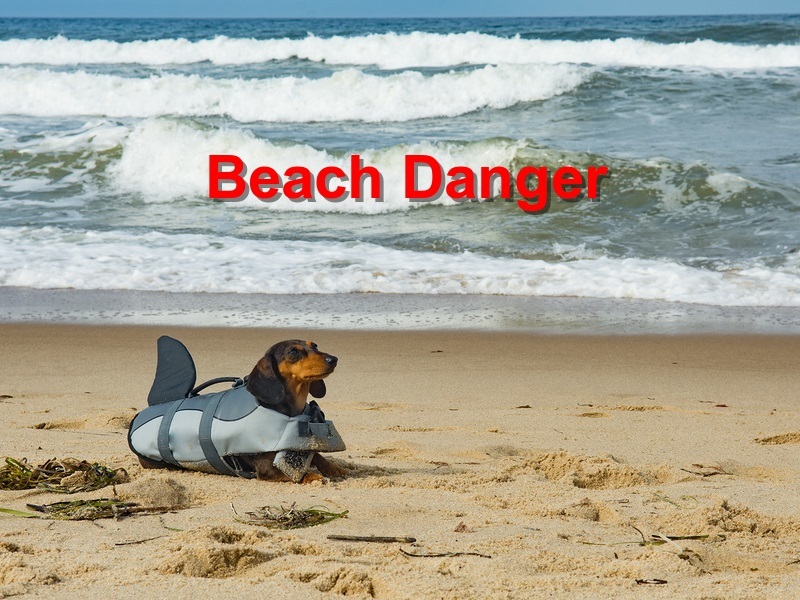
    Beach Danger: Keep Your Pets Safe

    While pets enjoy playing at the beach, it is important to be mindful of their health and safety. Your pets are often exposed to dehydration and blocked bowels when playing at the beach. And to ensure your pets are always safe at the beach, here are the common health threats you need to look out for:

    Sunburn

    Dogs are vulnerable to get sunburned – and light or white-colored pets are often at high risk. If you want to keep your pups safe at the beach, carefully apply sunscreen on their ear tips, nose, inner legs and abdomen. More importantly, ensure your pets get sufficient shade.

    As a precaution, you should only use sunscreens that are pet-formulated. This is important because most human sunscreens contain toxic elements that may harm your pets if consumed.

    Snacking on beach sand

    Though pets enjoy digging in the sand at the beach, some may end up ingesting the sand. And though ingesting a small amount of sand is not harmful, consuming large quantities can cause blockage of the bowels or intestines.

    Symptoms your pet has ingested a lot of sand include abdominal discomfort, repeated vomiting, loss of appetite, distended belly, and heavy panting when defecating. It is therefore important to keep an eye on your pets as they play at the beach to prevent them from ingesting sand.

    Ingesting seawater

    You should never allow your dogs to drink seawater. A common side effect of drinking seawater is diarrhea but when they consume a lot of it, then salt toxicity can occur.

    Ingesting too much salt can cause electrolyte imbalance, which often leads to dehydration, kidney failure, brain damage and death in rare cases. Always ensure you carry a pet bowl and fresh drinking water.

    Dry drowning

    To prevent accidental drowning, you should never let your pets swim unattended. Your dog can easily be pulled away by strong currents and tides, and the exhaustion can cause drowning when the dog ingests water.

    This ingested water can cause built-up of fluids inside the lungs that may result in cardiac arrest or respiratory distress. You can keep your pets safe by using lifejackets to prevent accidental drowning.

    Heat sickness

    Pets are vulnerable to heat stroke as well, which can be fatal within minutes. Therefore, you should keep your dogs away from the beach during extremely hot days. During summer, ensure your pets have access to shade and water.

    Conclusion

    Although you can carry your pet with you on your vacation, you should consider the safety precautions if you decide to visit the beach. And if your pet experience sunburns, heatstroke and any of the mentioned threats, you should visit your vet as soon as possible.

    References: Modern Dog Magazine, Vets-now, The Bark

    Copyright: Local Value