Category: Pet

  • Heart Disease in Pets

    Heart Disease in Pets

    Tips on Dealing with Heart Disease in Pets

    Finding out that your cat or dog is suffering from heart disease can be quite tough. Depending on how far the condition has advanced, your veterinarian may have limited treatment options. However, although they are no scientifically proven methods of preventing heart disease, experienced veterinarians recommend that you recognize the symptoms of this health problem early. An early diagnosis means that your vet will have enough time to create a good treatment plan to help your pet maintain a decent standard of life. 

    Heart Disease Symptoms in Dogs

    The symptoms of heart disease typically appear in puppies who have the condition from birth. In contrast, acquired heart problems show up with old age. In both cases, slowing down and lethargy are indicative of cardiac issues and not just orthopedic discomfort or arthritis. 

    As the health issue progresses to the heart failure stage, most dogs start coughing along with increased respiratory effort and rate. It is recommended to monitor your dog’s natural breathing rate by counting the number of times their chest rises up in one minute. Anything under 35 is normal, but if you notice a progressive increase in effort or the rate, then go to the vet for a checkup immediately.

    Heart Disease Symptoms in Cats

    According to researchers, cat owners have a hard time noticing if their pet’s behavior is indicative of a health problem until the disease has progressed much further. For instance, your cat may be displaying the normal laziness associated with cats or they could be lethargic due to heart disease. Nevertheless, heart disease in cats can cause lack of appetite, respiratory difficulty, and enhanced reclusiveness.

    The cat purring behavior makes it challenging to count their respiratory rate. However, you can still try and count how many breaths they take every minute while your cat is sleeping. Anything under 50 breaths every minute is normal.

    Are Specific Pet Breeds More Vulnerable to Heart Disease?

    Some dog breeds are more vulnerable to developing heart problems. Certain large dog breeds like Dobermans, Boxers, and Great Danes are likely to develop cardiac myopathy, which involves enlargement of heart muscles, thus affecting its capability of pumping blood. Poodles, Schnauzers, and Pomeranians are all susceptible to valve diseases. In contrast, various breeds like Cairns, Terriers, and Westies among many others do not tend to become affected with heart complications as compared to other dogs. 

    It is harder to make the same sweeping generalizations for cats since many people do not own purebred cats. Nevertheless, several breeds like Bengals, Maine Coons and Sphinxes are the most affected by genetic hypertrophic cardiomyopathy. More scientific research is, however, necessary to understand the genetic causes of heart problems in cats. 

    Conclusion

    Early detection is critical to maintaining your pet’s optimal health even if they have heart disease. When the pet owner, a vet and a specialist intervene early on with the right medication, the dog or cat can live for years without experiencing fatal heart failure. 

    References: Pet MD, 2nd Chance, Pet Care Rx


  • Heart Disease in Pets

    Heart Disease in Pets

    Tips on Dealing with Heart Disease in Pets

    Finding out that your cat or dog is suffering from heart disease can be quite tough. Depending on how far the condition has advanced, your veterinarian may have limited treatment options. However, although they are no scientifically proven methods of preventing heart disease, experienced veterinarians recommend that you recognize the symptoms of this health problem early. An early diagnosis means that your vet will have enough time to create a good treatment plan to help your pet maintain a decent standard of life. 

    Heart Disease Symptoms in Dogs

    The symptoms of heart disease typically appear in puppies who have the condition from birth. In contrast, acquired heart problems show up with old age. In both cases, slowing down and lethargy are indicative of cardiac issues and not just orthopedic discomfort or arthritis. 

    As the health issue progresses to the heart failure stage, most dogs start coughing along with increased respiratory effort and rate. It is recommended to monitor your dog’s natural breathing rate by counting the number of times their chest rises up in one minute. Anything under 35 is normal, but if you notice a progressive increase in effort or the rate, then go to the vet for a checkup immediately.

    Heart Disease Symptoms in Cats

    According to researchers, cat owners have a hard time noticing if their pet’s behavior is indicative of a health problem until the disease has progressed much further. For instance, your cat may be displaying the normal laziness associated with cats or they could be lethargic due to heart disease. Nevertheless, heart disease in cats can cause lack of appetite, respiratory difficulty, and enhanced reclusiveness.

    The cat purring behavior makes it challenging to count their respiratory rate. However, you can still try and count how many breaths they take every minute while your cat is sleeping. Anything under 50 breaths every minute is normal.

    Are Specific Pet Breeds More Vulnerable to Heart Disease?

    Some dog breeds are more vulnerable to developing heart problems. Certain large dog breeds like Dobermans, Boxers, and Great Danes are likely to develop cardiac myopathy, which involves enlargement of heart muscles, thus affecting its capability of pumping blood. Poodles, Schnauzers, and Pomeranians are all susceptible to valve diseases. In contrast, various breeds like Cairns, Terriers, and Westies among many others do not tend to become affected with heart complications as compared to other dogs. 

    It is harder to make the same sweeping generalizations for cats since many people do not own purebred cats. Nevertheless, several breeds like Bengals, Maine Coons and Sphinxes are the most affected by genetic hypertrophic cardiomyopathy. More scientific research is, however, necessary to understand the genetic causes of heart problems in cats. 

    Conclusion

    Early detection is critical to maintaining your pet’s optimal health even if they have heart disease. When the pet owner, a vet and a specialist intervene early on with the right medication, the dog or cat can live for years without experiencing fatal heart failure. 

    References: Pet MD, 2nd Chance, Pet Care Rx


  • Caring for your pet

    Caring for your pet

    Caring for your pet: Five Possible Tips to Try Out

    With our contemporary lifestyles, it may become a challenge to show your pet that you care. Although most would feel that they are not up to the problem of caring for the pet, there are simple ideas that go a long way in growing the care of the pet and keeping them healthy. Here are the essential ideas you can conduct as a pet parent

    Exercise and Playtime

    Just like us, pets also get dull from spending too much time indoors and as it stands, taking them out for routine morning or evening walks is a great way to reconnect with the animal and growing their company. If you are going for a morning jog, you can opt to take them along and help them exercise to and reduce excess weight.

    Grooming

    Whether owning a cat or dog, shedding fur is bound to happen and rather than have the negative experience of hairballs, and painful mats, you can always schedule grooming appointments at the pet boutique or purchase the grooming products. Getting the pet shampooed, combed and nails clipped would add an excellent touch to keeping them feeling fresh.

    Feed them Properly

    There is nothing that shows care as feeding your dog or cat in the right way and adequately. It is best to ensure the pet is sufficiently fed and receives the proper nutrients, free from toxic ingredients. For extra effort, you can purchase breed-specific foods that are ideal options for different pets. Overall, the market provides plenty of foods for all pets.

    Regular Check-ups

    Routine visits to the vet are necessarily the best option to indeed show your pet that you do care. Getting checks often would ensure the dog or cat is in excellent condition and not susceptible to health problems.

    Bonding Time

    With busy lifestyles and schedules, dogs and cats are often left second in consideration when it comes to spending time after a long day. Showing care would need you to chalk out a day or time in your day where it is nice to spend some alone time with the pet. That could mean lap time in your daily or weekly schedule.

    The best way to show love to your pets is to provide and offer the best for them regarding care. Still, involving the pet in your daily schedule is the best gift to keep your pet company and showing them you care.

    Sources: Health, One Green Planet, Science Direct, Pawster


  • Healthy and Hydrated Pets

    Healthy and Hydrated Pets

    Feeding your pet: How to Keep them Healthy and Hydrated

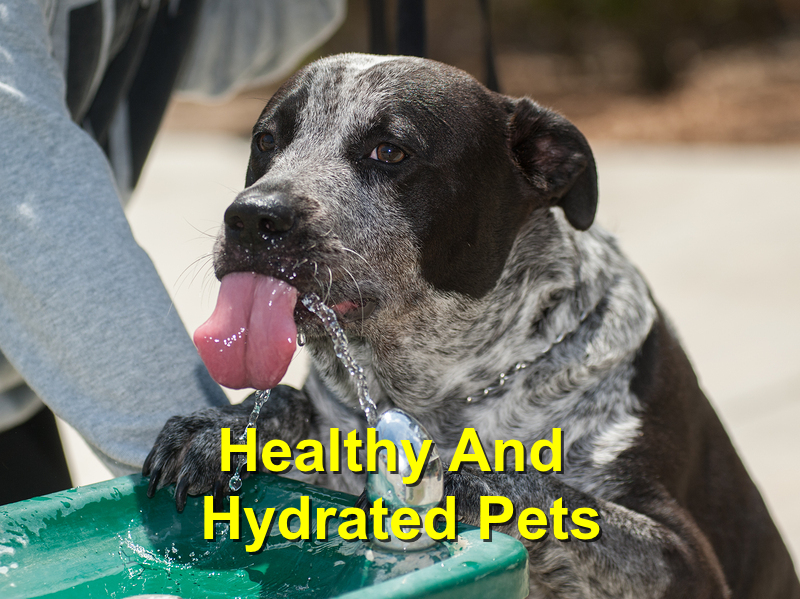
    With the warm weather upon us, it seems like a great time to get out and enjoy the sun while bonding outdoors. However, while the swimming, basking and hanging around outdoors may seem ideal for people, pets could have a hard time especially with issues such as heat, allergies, and bugs.

    Such a scenario necessitates the need to take safety precautions when it’s hot, whether you are traveling or just at home. With the following preventive care measures, you can get detect future heat problems and ascertain what is necessary to do depending on the condition.

    Dehydration signs

    • Generally, lethargy is the first sign of something wrong with the dog or cat. Some of the other symptoms frequently include
    • Decreased appetite due to the reduction in blood flow to the pet’s digestive tract, slowing down the process
    • Elevated breathing and heartbeat as the heart contracts and attempts to increase oxygen to the body tissues
    • Skin flexibility also indicates a level of dehydration with less skin flexibility evident from rigid and dry nose membrane and lack of the skin retaining the usual shape.
    • Water-seeking behavior is a definite indication of the pet’s need for water, and this can lead to the animal potentially drinking water from unfamiliar places.

    What you can do

    1. Consistent Supply of Fresh Water

    The pet hydration needs should be constant since the average dog or cat is said to need an ounce of water per a pound of body weight each day. It is, therefore, necessary to ensure there are water sources that make cold water available to drink whether if it’s indoors or outdoors during hot weather.

    2. Diet

    Making sure the pet is fully hydrated would mean focusing on changing the diet to suit more moist foods. Such a scenario would entail feeding the dog or cat rehydrated commercial feeds or home-prepared meals over the typical dry kibble.

    3. Vet Visit

    At times the heat may become unbearable for the pet, and in dire situations, any fever or health-related ailment would require professional help. You can set up a checkup for the pet whenever you feel the dehydration symptoms are becoming more evident than usual.

    Overall, these are simple precautions that could play an essential role in protecting the pets during the warm weather. As a matter of convenience, you can purchase pet insurance to cover your pet in any case of emergency or accident.

    Sources: AKCCHF, Animal Awareness, VCA Hospitals