Category: Dog

  • Adolescent Dogs are Similar To Teenagers

    Adolescent Dogs are Similar To Teenagers

    Rebellious Dog? Canines Exhibit Similar Behaviors To Adolescent Humans 

    Teenagers in their adolescent years usually tend to be emotional and rebellious. According to studies, this age group has its fare of challenges. And similar to humans, young adolescent dogs also experience a period of hormonal-fueled conflict. During this stage, dogs give their caregiver’s a difficult time and don’t respond to commands.

    The research observed Labrador Retrievers, Golden Retrievers, and German shepherds raised in dog training programs in one study. In this study, caregivers were requested to rate the puppies based on their attention-seeking behavioral issues. Some of the expected behaviors include trembling, agitation, whining, or sitting close to one household member.

    Consequences of insecure attachments

    Results of the study showed that puppies with high scores in all the categories began experiencing puberty earlier. The puppies began puberty at only five months – which is not normal. The findings further reflect research on adolescent teenagers, and showed how insecure attachments to caregivers might cause early puberty.

    Testing for obedience and compliance

    To check whether dogs respond swiftly to commands, researchers tested a group of canines between 5 and 9 months. In this experiment, two people commanded the dog to sit: one stranger and a caregiver. At only five months, all puppies sat when given the command. But at eight months, the adolescent dogs refused to follow instructions from their caregivers.

    Interestingly, the dogs responded swiftly to the strangers. Such disobedience toward familiar authority somewhat mirrors adolescent teenage behavior.

    Benefits of socialization and proper training

    With socialization and proper training, it’s easier to eliminate these undesirable traits. After carefully analyzing results from multiple dog guides, researchers believe that adolescent dogs are trainable. However, the study encourages lifelong training to discourage your dog from being rebellious. That said, dogs need regular training to ensure they pass the frustrating and rebellious stage.

    Unfortunately, most pet owners only focus on giving their dogs the simple, common commands like stay and sit. While these skills are essential for all dogs, you need to use them more frequently. When your dog no longer responds to cues quickly, you need training sessions to reinforce the skills. As a suggestion, reinforce the desired response with a delicious treat.

    Conclusion

    Training your adolescent dogs can enhance their skills, and enhance your bond with your furry friends. But if you notice your dog is withdrawn, uneasy, or aggressive out of the blues, visit the vet to determine whether the dog has an underlying health problem.

    References: Pet Coach, Dogster, Wag walking

    Copyright: Local Value

  • Why Dogs How

    Why Dogs How

    Why Do Dogs Howl?

    Dogs often use howling as a form of communication to ward off possible intruders. While this behavior is common among wolves, here’s what you should know about the gradual evolution of howling among canines.

    What does howling mean?

    Most dog owners usually ask, why is my dog howling? Well, here are the common reasons your dog is howling.

    Maybe your furry friend needs attention.

    One common reason why most dogs howl is that they need attention from their owners. An incessant howling is the only way to grab the owner’s attention quickly. As you well know, most people respond to loud sounds faster. So, if you hear your dog howling, you need to respond promptly and let the dog knows you’re attentive. That’s why howling is an efficient mode of communication.

    Most pet owners also enjoy their dog’s repeated howling and find it entertaining and funny. Meanwhile, dogs see it as a way to express their joy or frustration.

    How to minimize attention-seeking howling

    If you want to discourage this unbecoming behavior, it’s better to learn behavior conditioning – commonly known as reinforcement. When your dog is used to excessive howling, avoid it altogether. And when the dog is calm and stops howling, reward it with positive reinforcement.

    Either give them treats or play with them for a few minutes. Never pay attention or punish the dog for howling as this might amplify the behavior.

    Separation anxiety

    The other reason your dog might howl is due to separation anxiety. If the dog starts howling when you leave for work, this is a symptom of separation anxiety. An excellent way to deal with this behavior is to get counsel from a specialized veterinarian that deals with such issues. Visit your local vet to find out how you can rectify the condition.

    The dog has detected unfamiliar noises.

    Dogs also howl when they detect unfamiliar noises outside. Maybe your dog has heard loud sirens. This kind of howling is normal and expected in residential areas. That said, there’s a way you can discourage your furry friend from excessive howling when they hear strange noises. Try counterconditioning or desensitization – both are effective behavioral conditioning techniques.

    Hunger

    Your dog might be howling due to thirst or hunger. When the dog starts howling excessively, determine and address their needs promptly. Puppy howling can be a sign of loneliness. And if that’s the case, play with your puppy when you’re not busy to keep them entertained.

    Conclusion

    While dogs howling is a common way for them to express their frustrations, excessive howling can indicate an underlying problem. Visit the vet if your dog is howling faintly or excessively as this might be a sign that your dog has a health issue.


    References: Petmd, Dogster, pets.webmd

    Copyright: Local Value


  • Grape and raisin poisoning in dogs

    Grape and raisin poisoning in dogs

    Grape and Raisin Poisoning in Dogs

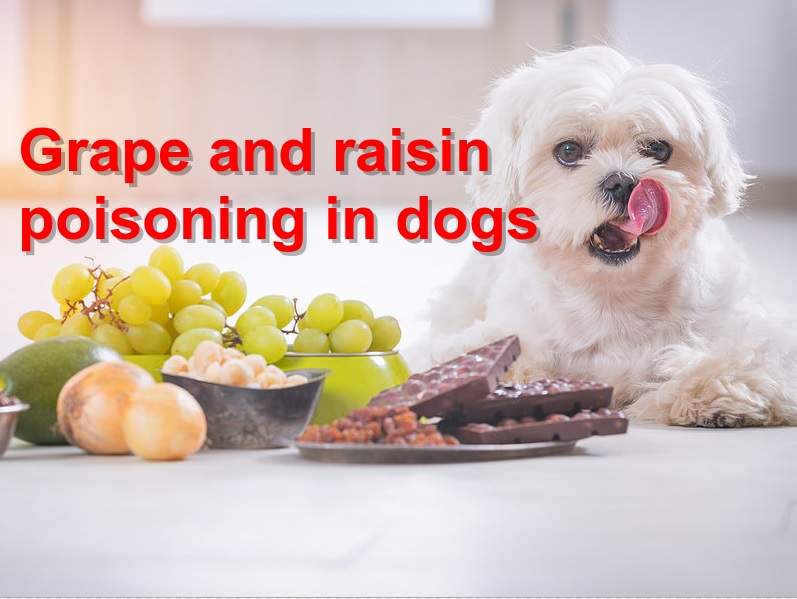
    If you suspect your dog has ingested raisin or grapes, you should visit the vet immediately to avoid health problems. But if the dog ate the raisins just a few minutes ago, then there’s no need to visit the hospital as you can induce vomiting. Raising and grape poisoning in dogs can cause kidney failure and can be fatal if left untreated.

    Common symptoms of Raisin and Grape poisoning in dogs 

    The most immediate symptom associated to grape or raisin toxicity is vomiting that happens in the first few minutes. Often, your dog might seem in good health for about 12 hours and then suffer from kidney failure. Some of the common symptoms of raisin and grape poisoning include dehydration, excessive thirst, loss of appetite, bad breath, weight loss, and breathing trouble.

    What causes raising and grape poisoning in Dogs

    Raisin poisoning is caused by the ingestion of excessive grapes or raisins. But how do you determine what amount is toxic or poisonous to your dog? Well, you dog’s weight can affect the level of toxicity. That said, it is important to avoid feeding your dog grapes or raisins and store them away safely away from their reach.

    How to diagnose raisin or grape poisoning in Dogs

    The vet will stabilize the dog before diagnosis. He will induce vomiting using apomorphine and thereafter wash the dog’s stomach by passing a sterile solution down the throat. Alternatively, the doctor might use activated charcoal to absorb toxins left in the dog’s stomach. There’s no specific test for grape or raisin poisoning, but the vet might find traces of raisins or grapes undigested in the dog’s throat or mouth.

    What’s more, the vet has to perform thorough physical examination to monitor weight, reflexes, respirations, heart rate, and body temperature. Additionally, the vet will examine the abdomen carefully to check for stomach or kidney inflammation. Urinalysis and blood count are also done to help determine the severity of the kidney damage.

    Treatment of grape and raisin poisoning in Dogs

    Once the vet completes charcoal treatment and gastric lavage, he will hospitalize the dog to administer IV fluids. Observation is important for the first 24 hours to remove water and waste, thereby support proper function of the kidneys. More importantly, the vet provides basic monitoring and supportive care to prevent kidney damage.

    Conclusion

    If your pet has accidentally ingested grapes or raisin, you should visit the vet immediately to prevent kidney failure as this can be fatal. Try to induce vomiting if the dog has only ingested a small amount of raisin or grapes.

    References: Wagwalking, Vca Hospitals, Petmd

    Copyright: Local Value

  • Why do dogs lick and chew their paws?

    Why do dogs lick and chew their paws?

    Why Dogs Chew And Lick Their Paws

    Does your dog licks its paws excessively? Well, its important to determine whether your dog has an underlying health problem if this happens regularly. There are many reasons why canines chew or lick their paws. Below is a guide to help you determine why your dog is licking and chewing the paws.

    Grooming

    Dogs occasionally lick the paws for self-grooming. But if the dog licks its paws consistently, or licks one paw attentively, then there might be a problem. Here are common reasons why dogs lick or bite their paws from time to time.

    Dandruff/Flakes

    Dandruff in the dog’s fur might indicate dry and itchy skin, which often happens when your dog stays in certain seasons for long. That said, you should find moisturizing creams suitable for dogs to prevent dry and itchy skin.

    Hot Spots

    Repetitive licking by your dog can cause hot spots due to inflammation. This is usually a response to itchiness that happens overnight. As a result, this causes hair loss and turns the skin moist and red. If you notice these hot spots, you should apply an antimicrobial and anti-inflammatory spray designed for dogs. 

    Bacterial Infection

    Often, bacterial infections develop if the dog’s skin is damaged. Look for presence of hair loss, flaky skin and generally redness of the skin. Wipe the skin with dog shampoo routinely to restore healthy balance of essential organisms that nourish the dog’s skin.

    Yeast Infection

    Yeast can also cause infection when left untreated and can cause odor, itchiness, and greasy skin. To treat greasy skin or yeast infection, you can use dog wipes and medicated shampoos with antifungal ingredients to prevent the infection from spreading.

    Allergies

    When the dog has itchy paws, then it might have an allergy. Studies show that allergies are often caused by food, environment, or any irritant that touches the dog’s sensitive skin. Brown staining, dark pigmentation and redness of the paws indicate signs of allergic reactions. Wipe or bath the dog’s paws regularly after it finishes playing outside to eliminate these allergens.

    Conclusion

    While topical dog sprays or creams can help to reduce the itch, intense licking usually indicate a underlying health problem. That means you have to visit the vet to get systemic medication to treat the condition before it worsens.


    References: Petmd, The Spruce Pets, The Bark

    Copyright: Local Value

  • Pet CPR

    Pet CPR

    Everything You Need to Know About Dog CPR

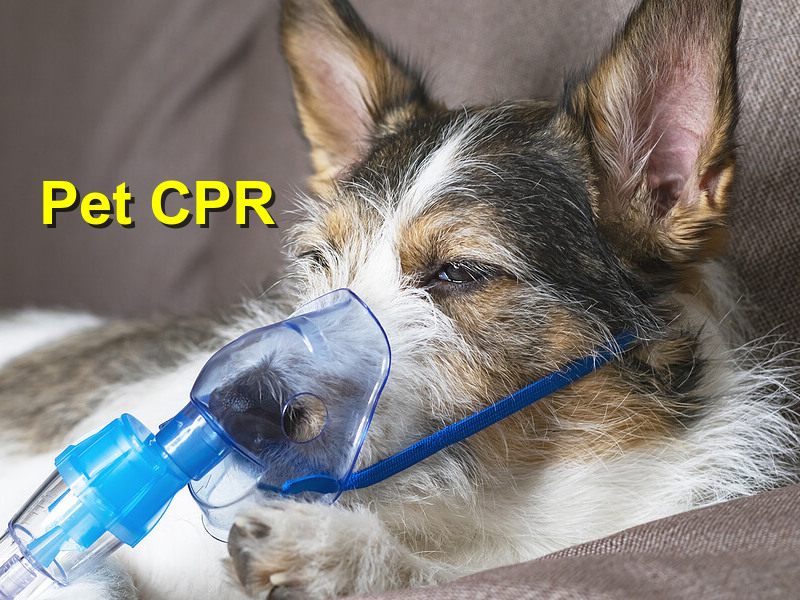
    Most of you are certainly familiar with CPR that is performed on humans. However, an emergency or accident that affects your furry friend might also require CPR. In fact, performing CPR on your pet can easily save their life. Let’s discuss the importance of learning how to perform CPR on your pets at home.

    What is pet CPR 

    Similar to human CPR, dog CPR is an emergency-saving procedure done using chest compressions and artificial respirations to help the pet breath normally. When your pet stops breathing, the blood oxygen levels drop faster. Without adequate oxygen supply in the blood, the liver, kidney and other essential organs can fail.

    Often, respiratory failure can occur and this might lead to brain damage. So, it’s important to diagnose the problem quickly to keep your pet out of danger.

    First response drills to save your dog

    Under an ideal circumstance, first respondents are usually medical professionals with the right equipment such as masks and oxygen ventilators. Nonetheless, emergencies often happen unannounced and require immediate attention.

    What if the vet or firefighter isn’t nearby? Can you perform CPR on your pet? Well, if you find yourself in an emergency situation that warrants CPR, visit the vet immediately. But if your vet is too far away, you need to offer medical assistance as you transport the dog to the vet. 

    Check for obstructions on the pet’s airway

    Open your pet’s mouth to check for obstructions. Throat blockage is known to affect the pet’s air supply and can cause breathing problems. Therefore, ensure the throat or airway is clear and then perform CPR.

    Determine whether your pet has regular breathing 

    Watch your pet’s chest closely and check whether it falls and rises as expected. But if you don’t see any breathing movements, try to check if the pet’s nose has airflow. Remember that your pet might be unconscious and still breathing naturally. If your furry friend is breathing, then CPR isn’t necessary.

    Check for heartbeat

    First lay the pet on its right side and then push the elbow to its chest. The area where the elbow comes into contact with the chest marks the position of the heart. Place your hand on this are to check for heartbeat.

    Conclusion

    If your pet requires medical emergency, perform CPR immediately before you visit the vet. But if the pet has seizures, wait for it to subside. Keep your pet quiet and warm, and then contact your vet.

    References: Aspca Pet Insurance, PDSA, Firstaidforpets

    Copyright: Local Value

  • Heart disease in dogs and cats

    Heart disease in dogs and cats

    Heart Disease in Dogs and Cats?

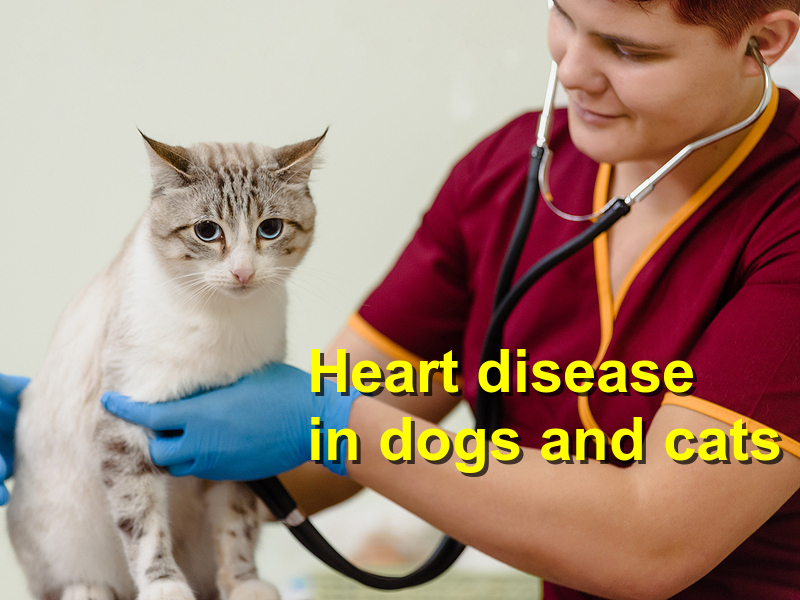
    It can be difficult to diagnose heart disease in cats and dogs without visiting the vet. While the condition might have different symptoms in cats and dogs, a vet can recommend the best treatment option. Unfortunately, there aren’t real proven strategies to prevent heart disease in dogs and cats. 

    Symptoms of Heart Illness in dogs

    The common symptoms of heart disease usually appear in puppies that are born with congenial heart problems. On the other hand, acquired heart diseases can start to show up when the dog ages. Either way, fatigue and inactivity are the first symptoms of congenial heart disease. If you have an active dog, you might start to notice the dog sitting down often during walks. 

    While owners usually attribute this behavior to age, lethargy or arthritis, this isn’t usually the case and could signify a symptom of heart disease. As the condition worsens, dogs start to cough incessantly and some have an increased respiratory effort or rate. So, if your dog is likely to suffer from heart disease due to predisposed conditions, you should monitor the breathing rate. 

    For example, when the dog rests on the floor, try to count the chest palpitations in a minute. If you notice a progressive effort in respect to breathing, then you should visit the vet to correct the problem.

    Symptoms of heart Illness in cats

    The problems is that most cat owners often have difficulty to tell whether their furry friend exhibit symptomatic behavior. But this can progress to heart failure with time when left untreated. It is difficult to tell whether your cat has become inactive due to heart problems, or its just exhibit laziness.

    Common symptoms of heart disease in cats include respiratory difficulty, loss of appetite, and increased reclusiveness. Some few cats even cough to indicate heart disease, especially in the advanced stages. However, purring often makes it challenging to monitor the cat’s respiratory rate. Early diagnosis can help to prevent the condition from worsening.

    How you can assist your pet with congenial heart disease

    As mentioned earlier, it’s important to deal with the symptoms early enough before they progress. The vet will recommend a prescription medication that can extend your pet’s life. So, consult your doctor the moment you suspect your dog or cat has heart disease.

    Conclusion

    Heart disease in dogs and cats has become normal but early detection can treat the symptoms. So, visit the vet if you suspect your pet is ill.

    References:Petmd, Cvcavets, Mulberryvets

    Copyright: Local Value

  • Dog breeds prone to obesity

    Dog breeds prone to obesity

    Dog Breed Vulnerable to Obesity

    Since dog breeds usually have varying genetic traits that can affect their behaviors and appearances, they also are vulnerable to different diseases. In fact, some dog breeds are vulnerable to obesity than other breeds. Besides genetics, some dog breeds often gain weight rapidly since they’re less active and have different appetites and metabolism.

    Here are the common dog breeds that are vulnerable to obesity and what to do to ensure your dog has a healthy weight.

    Pugs

    This dog breed isn’t designed to handle strenuous exercise. Also, pugs have a short nose with small nasal opening, as well as an elongated palate with tiny airways that lead the lungs. That makes it difficult for them to perform exercise and combined with excessive eating, pugs are prone to obesity. 

    Additionally, pugs don’t tolerate outdoor heat well. That means they cannot exercise outdoors as other breeds. They are meant to be indoor pets or lapdogs. And due to their personalities and build, pugs don’t usually get enough exercise, while they receive plenty of treats and affection, which can make them obese.

    Bulldogs

    One reason why bulldogs are overweight is that most people assume they need to have a specific look. People believe that bulldogs look stronger, meaner and prettier when they are obese. And to give these dogs an overweight look, these dogs are overfed resulting to obesity.

    Similar to pugs, bull dogs are short-nosed as well. They have a tiny airway and that can cause intolerance for exercise. Due to their inactivity and intolerance to basic exercise, bulldogs often come obese faster than other dog breeds.

    Beagles

    While beagles are generally active dogs, they often have slower metabolism than other dog breeds. However, they have a good appetite that can lead to overfeeding. Initially, beagles were bred to facilitate rabbit hunting and they were allowed to hunt and roam freely on long distances, which means they didn’t have any obesity issues.

    But today beagles never go on hunting expeditions and rather stay indoors in confined rooms throughout the day. When beagles don’t get enough exercise and fed lots of treats and food, then they are prone to become overweight.

    Conclusion

    If you have one of the dog breed mentioned above, get him to exercise regularly to keep a healthy weight. But if you suspect your dog is sick due to obesity, you need to visit the vet immediately to get appropriate treatment.

    References: Petmd, The active times, Puppy Toob

    Copyright: Local Value


  • Pet Christmas

    Important Pet Safety Tips to Adhere to this Coming Christmas

    Here are a few recommendations and tips to assist you in keeping the pets out of harm’s way even as we head into the festive season. 

    1. Your Christmas tree

    If you are planning on having a real Christmas tree, then it is advisable to get into the habit of cleaning up those tree needles regularly to avoid mishaps that could get these needles stuck in your pet’s throat and paws. Also, ensure that the tree is anchored securely in such a way that it will not fall or trip over thereby endangering your pet. Additionally, it is a good practice to cover the base of the tree to prevent your pet from drinking the water that could contain bacteria or fertilizer. 

    2. Decor 

    It is important to hang the various decor instruments as high up as possible and away from your pet’s reach. This includes stuff like decorative balloons, baubles or tinsel that could break/burst and hurt your pet. And as an extra precaution, you can always build a small playpen around the Christmas tree to discourage your cat or dog from meddling the presents or gifts. Speaking of which, avoid leaving any open flame candles lit and unattended. Also, make sure that they are placed on stable surface, preferable a candle holder. 

    3. Keep treats, drinks and snacks away from the pet

    Get into the habit of keeping alcoholic drinks, sweets, chocolate, and snacks out of the pet’s reach. Alcohol, in particular, is a nerve poison that can end up making the pet weak or even go into a coma. Xylitol (a sweetener used in many snacks) and chocolate, on the other hand, can cause a serious case of food poisoning if consumed accidentally by your pet. 

    4. Pet-proof your leftovers and garbage

    Avoid feeding your pet any leftover food, especially cooked bones or food. Our food is typically too spicy and fatty for our furry friends and could potentially cause serious stomach upsets and complications. The same applies to garbage that can give off a delicious enticing odor to your unsuspecting four-legged companion but be later on turn out to be a source of misery. 

    Sources: Petplan, Insider, QZ

    Copyright: Local Value