Category: Dog

  • World Rabies Day (September 28)

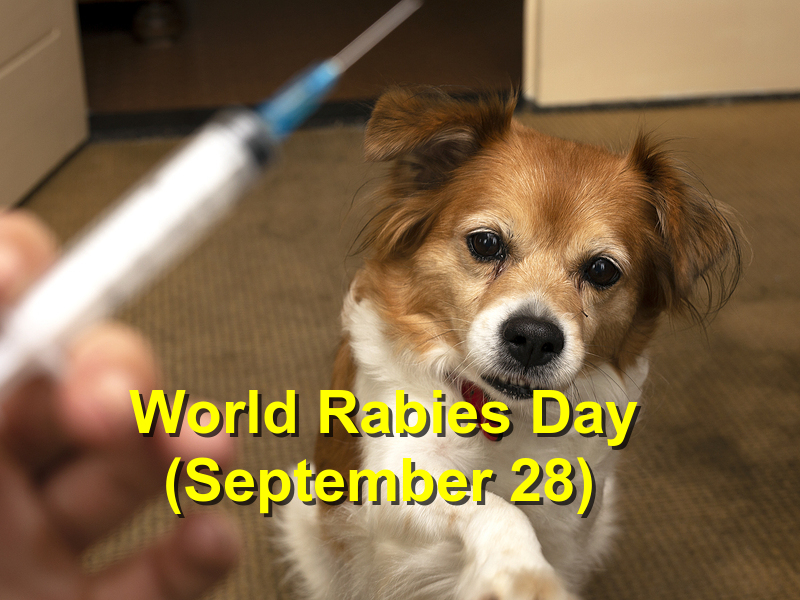
    World Rabies Day (September 28)

    World Rabies Day

    Background

    Rabies can be fatal and is often transmitted through an infected nervous tissue and saliva of a sick animal. The World health Organization has listed it as the most dangerous tropical disease. Further studies show that rabies has the highest fatality rates than any other disease. Nonetheless, rabies is preventable through better educational awareness, mass vaccination and human post-exposure prophylaxis.

    Rabies cases are transmitted by infected dogs. And despite proven treatment methods, an estimated 60,000 people day every year die due to this canine-transmitted disease. Over 90% of rabies fatalities occur in Asia and Africa respectively. As a result, thousands of dogs are killed inhumanely in an attempt to prevent the spread of the virus.

    Funding and political will against rabies

    Where funding and political will exist, there’s a better chance to control the spread of this dangerous disease. For starters, dog vaccination is important to help control the disease from progressing to alarming levels. But unfortunately, most people are dying in marginalized communities due to lack of proper collaboration among stakeholders and experts.

    Rabies is a major cause of concern for dogs worldwide and has led to thousands of deaths every year. In fact, 1-2 people die of rabies annually in the U.S. But what can you do to keep this dangerous disease at bay? For starters, you should vaccinate all your pets by keeping them away from wildlife as they can easily spread the disease.

    Importance of the global rabies awareness 

    The infamous World Rabies Day was started in 2007 to help raise awareness about the dangers of rabies, and to provide essential information on ways to prevent this dangerous disease. Support advocacy has ultimately led to increased efforts toward rabies control.

    Through the International World Rabies Day, the rabies campaign reach offers a powerful platform to provide resources that helps to fight the disease. In the last decade, over 1,000 rabies events have been held to highlight the issues of dealing with rabies in the community. Canine rabies prone countries especially in Asia and Africa have held more events to help control the spread of rabies.

    The continued success of the World Rabies Day

    World Rabies Day started in the early 2007 as an initiative by the World Health Organization and the Centers for Disease Control. This day is meant to provide a global platform that encourage international stakeholders to take a unified action against rabies.

    Conclusion

    The World Rabies Day is an event that provides global resources designed to help communities control the spread of rabies. For pet owners, it is important to vaccinate your dogs and cats against rabies as this disease can be fatal.

    References: AVMA, Tdtmv journal, Awareness Days

    Copyright: Local Value


  • Dachshunds

    Dachshunds

    Dachshunds

    5 Interesting facts about Dachshunds 

    Meta description: Learn about the common traits that make Dachshund popular, their exercise and grooming needs, and other informative tips.
    While they might be small in size, Dachshunds are usually full of curiosity and spunk. Learn more about what makes this dog breed unique.

    1. Physical traits 

    This dog breed is commonly known as the sausage dog, wiener dog or hot dog. This short and elongated dog breed is liked for its friendly personality. In German, it’s known as the ‘’badger dog’’.

    It is an efficient hunter and is considered the most sought after dog by most people. They come in 15 different color combinations, with medium-sized eyes. What’s more, they have rounded ears that drop downward toward the cheeks. Also, the head slightly slopes to form an arched shape with stretched lips.

    2. Where do they originate from

    The Dachshund breed traces its origin to the early 15th century. Its unique name was used to describe its smooth and coat varieties. As the breed was beginning to develop, 2 popular sizes were popular: the Dachshunds weighing 35 pounds hunted boars and badgers, while smaller dogs weighing 25 pounds hunted rabbits and foxes.

    3. Are they friendly?

    This dog breed is playful, lively, amusing, curious and clever. They can adapt well to a new environment without difficulty and are known to be affectionate and brave companions. They interact well with children and other household pets provided they are properly socialized. Unfortunately, they are quite difficult to train and hence might require house-training.

    4. Exercise and grooming needs

    Playtime and daily walks are amazing exercises for these dogs. However, Dachshunds are vulnerable to back injuries so ensure your dog doesn’t jump from a steep height. This dog breed is very active indoors but can do well in an apartment. On the other hand, grooming often depends on the type of coat. 

    Regular bathing and brushing is important for all breeds, but wirehaired and longhaired breeds need more grooming. Since they enjoy digging when playing, trimming is essential at least once every six months. You can wipe the smooth coats with a wet towel.

    5. Can you adopt one?

    You can adopt a Dachshund as they are mostly found in rescues and shelters. Most people often make the mistake of adopting a Dachshund based on their looks or popularity without really considering the dog’s specific need. If you are considering adopting the dog, you should find a reliable breeder.

    Conclusion

    If your Dachshund has any health problems, it is always important to consult a vet to diagnose the problem.

    References: Petful, Dogtime, AKC

    Copyright: Local Value

  • Siberian Huskies

    Siberian Huskies

    Facts About Siberian Huskies

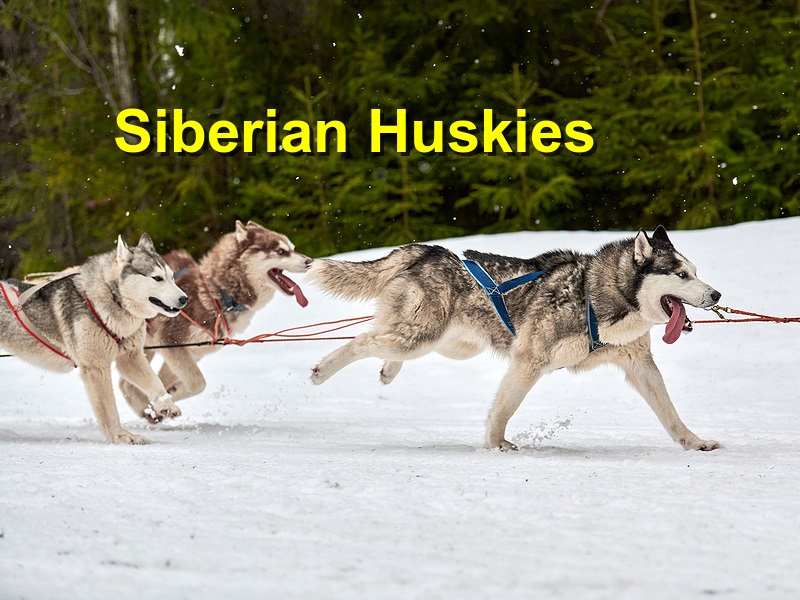
    Siberian huskies have a coarse coat and dense undercoat, and come in white, brown, black or a bled of different head markings. Their eye color often varies but most of them have blue eyes.

    1. Where do they originate from

    Siberian Huskies is a popular dog breed that was common among the Chukchi tribe found in the chilly Northeast Asia. They were used as sled dogs for carrying small loads through the cold artic weather. In 1910, Siberian Huskies participated in a 400-mile race and averaged about 80 hours. In fact, they emerged victories in the race and the record time has never been broken to date.

    2. Character traits

    The dog boasts of amazing energy and endurance, and they can stay for a long period without food. Essentially, their unique metabolism works depending on their physical demands. This is an aspect that still puzzles the medical world. Unlike other dog breeds, Siberian Huskies can live well in cold climatic conditions.

    3. Are Siberian Huskies friendly?

    Huskies are alert, lovable, outgoing and friendly. They have amazing predatory instinct but can be aggressive when left alone with other pets. Huskies are known to injure household cats and even kill them. 

    4. They require plenty of exercise

    Siberian Huskies enjoy digging a lot. Ensure they get plenty of exercise during the day to expel build up energy. Find them a place for digging or else they will destroy your furniture to smithereens. The good thing is that Huskies are easy to train buy they need an authoritative leader. 

    That means you need to provide firm training to discourage aggressive behavior. Remember that Huskies can be stubborn when they don’t get what they want.

    5. Grooming needs

    Huskies have a dense double coat that requires regular maintenance. This is important since they shed their coat regularly. For that reason, you should brush their coat weekly to minimize shedding. Their fur can easily stick to your furniture and mats, so brushing is of the essence. Also brush their furry tail as well.

    6. Health problems 

    Huskies are prone to eye and hip problems. Moreover, they are prone to hip dysplasia but this is rare. Huskies require thorough eye examination to prevent cataracts and other eye disorders.

    Conclusion

    If you are considering adopting a huskie, you should avoid visiting puppy mills. As a suggestion, you can consult a vet for recommendation on where you can find a reputable adoption agency.

    References: Petful, Dog Time, AKC

    Copyright: Local Value

  • Walking your Dog

    Walking your Dog

    Ways To Make Your Dog Enjoy The Daily Walks 

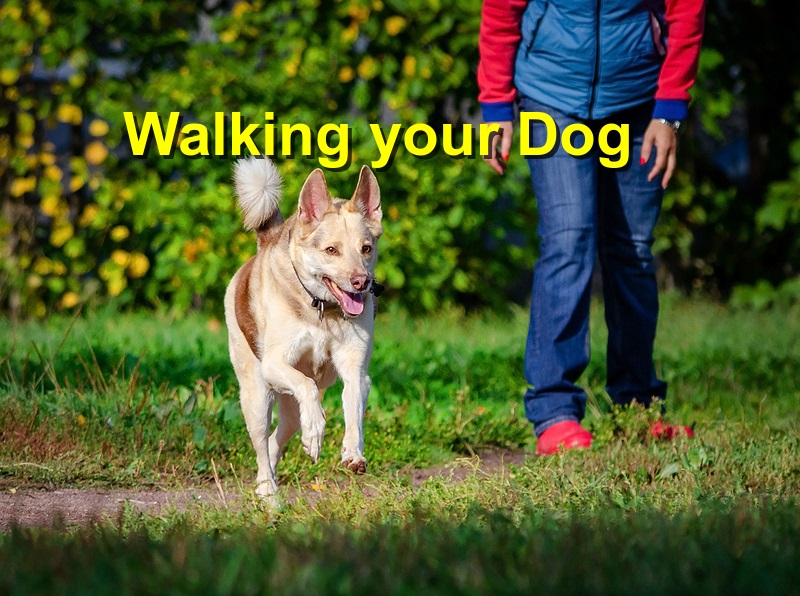
    Our furry friends need plenty of walk. This is a great way for them to exercise, and asserts their position as active pack leaders. Walking your dog is fun for you as well as it allows you to bond with your best friend. 

    But what can you do when your dog is moody, is bored and seems uninterested in talking a walk? Well, there is a way to remedy this and so here are useful tips that will alleviate boredom to ensure your dog is enthusiastic about talking a walk.

    1. Find a new route

    Often dog owners use a common route as they consider this the best thing to do. However, this can be boring over the long run for your dog. As an alternative, you should consider livening things up by making small changes. For instance, you can try walking on the opposite direction as you take your dog for a walk. You can also visit the park or take a stroll down the beach.

    2. Visit dog-friendly eateries

    Even when you take new routes, the routine of going for walks with your pup and returning home gets old with time. That said, you should try to make the walk more fun by participating in other activities like visiting a dog-friendly eatery. After you’re done, simply continue with your daily walk contented that you successfully accomplished an entirely different task.

    3. Try obedience training

    A simple way to make your pup enthusiastic about taking a walk is trying obedience training. If you notice your dog shows aggressive behavior or acts up, discourage this immediately. Correct the behavior and only continue the walk when they are well mannered. As a suggestion, you can carry with you treats to reward their good behavior from time to time.

    4. Find a good company

    Ever considered taking a walk with your friend. While walking your dog usually offers good company, you might need someone to chat with during your walk. Call your friends or check if your neighbor is available to meet up at least once a week so that you can walk your dogs together. 

    5. Ensure your dogs enjoys sufficient playtime during the walk

    Make the walk more fun by complementing it with playtime. Bring with you some toys that can keep your dog active and engaged. For example, you can carry a ball and then visit the park to play with your dog. But the dog should first earn the playtime by walking in a calm manner for about thirty minutes.

    Conclusion

    If your dog becomes aggressive when taking a walk and gets injured, you need to visit the vet immediately to get the appropriate treatment.

    References: Cesars Way, The Spruce Pets, AKC

    Copyright: Localvalue

  • Dog Preventative Care

    Dog Preventative Care

    Dog Preventative Care Tips

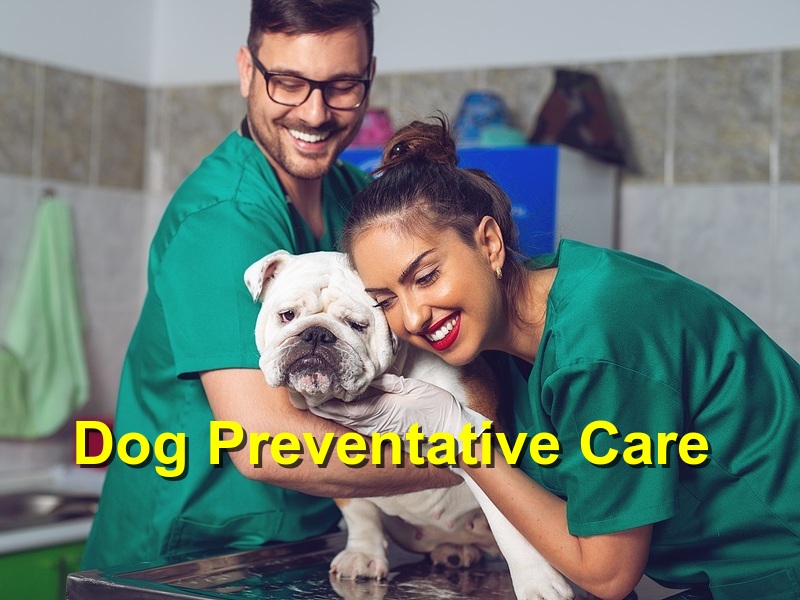
    Dogs should visit the veterinary on an annual basis for checkup. However, some dogs may require frequent visits. Essentially, a dog’s individual needs will determine the frequency of visits. Prevention is better than cure and hence avoiding the risk of illnesses is better than seeking treatment. So let’s discuss how you can keep diseases at bay.

    How frequent should your dog visit the vet?

    Since dogs normally age faster than humans, it is advisable to take them to the vet regularly. A dog’s calendar year is equal to about 4 – 10 human years easily depending on the breed and how dogs mature. As dogs have a rapid aging process, preventive health care is more important than ever before.

    Preventive health care stipulations

    An elaborate preventive health care plan typically revolves around the integration of scheduled exams to maintain the dog’s optimum health levels. And to create a standard wellness plan, the American Animal Hospital Association (AAHA) gathered pertinent medical information from other pet specialty organizations and formulated guidelines in regards to preventive health care for dogs and cats.

    Why these recommendations are important

    Here’s an outline of some of the recommendations formulated by AAHA for preventive health care for dogs.

    History – Your dog’s general home life can give the vet a good idea of whether his overall health is optimum. For example, you may not be able to explain your dog’s change in demeanor until the vet asks you a few questions. 

    Does the dog ever experience shortness of breath? Does he have any problem when urinating? Or does he drink plenty of water? Your answers will help your vet recommend an appropriate coarse of action that will enhance your dog’s overall health.

    Examinations – Healthy dogs should also be examined annually by the vet. But if the dog has pre-existing medical conditions, frequent visits might be necessary. Comprehensive physical exams are helpful and can detect abdominal tumors, heart murmurs, skin tumors, enlarged lymph nodes, or shrunken liver, or kidneys that might instigate systemic disease.

    Treating dog disease

    Of course, since dogs lack the ability to communicate, the vet cannot ask them what is ailing them. And dogs typically have innate survival instincts that make them hide illness to avoid appearing vulnerable or weak to predators. Therefore, after thorough physical examination including urine and blood tests, the vet will know your dog’s overall health. And early diagnosis will make treatment more easier and less costly.

    Conclusion 

    To ensure you dog lives a healthier and longer life, you should observe all the guidelines mentioned above. Take your dog to the vet at least twice a year for check up to prevent the onset of diseases.

    References: VCA Hospitals, Apah24, Pet Health Network

    Copyright: Local Value

  • German Shorthaired Pointers

    German Shorthaired Pointers

    German Shorthaired Pointer 

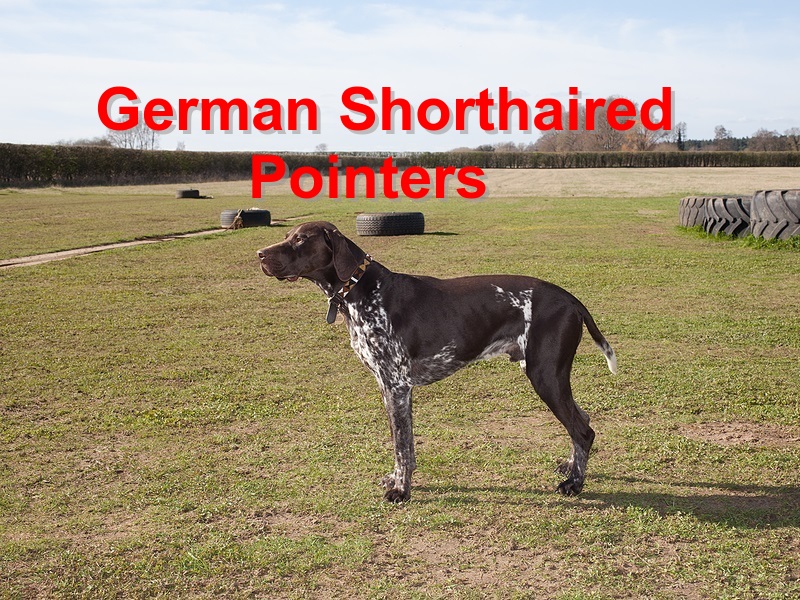
    This sporting German dog breed is an excellent hunter that retrieves prey from water or land, and is a great companion as well. They have an attractive, easy-to-care coat and they need regular exercise to eliminate pent up energy.

    If you ensure it gets the right physical and mental challenges it craves, it will become your trusted friend. But without enough space to exercise and play, it can easily get bored and become destructive around the home.

    Breed Characteristics

    This stylish sporting dog breed is an excellent family companion and is an ideal partner when hunting. It can hunt both furred and feathered game and can trail deer as well. When the sun sets, he is playful indoors or might choose to sleep near the sofa. If you don’t hunt, this dog breed can jog or hike with you.

    Generally smaller than most dog breeds, the German Shorthaired Pointer features an attractive chiseled head and dark eyes. It has a large nose and is intelligent and striking good-humored demeanor. The ears are broad and dropped. And the tail is docked while the coat is dense and may be white or solid liver.

    Energetic and playful

    This intelligent, energetic dog is both enthusiastic at play and work. As a great companion, it is friendly around children but might be quite rough for the little ones. And due to its vibrant personality, it easily becomes unhappy and irritable when left alone for extended periods. Regular exercise and companionship is recommended to prevent destructive behavior.

    Plenty of exercise is recommended 

    Males are usually more aggressive and outgoing than females. But generally, this breed usually needs plenty of exercise. A two hour walk on a daily basis is sufficient. With a water-resistant coat, this dog enjoys swimming occasionally. 

    Care

    This dog breed isn’t recommended for those living in apartments. It is more suited to those who live in an area with plenty of space. Remember that this breed has a lot of stamina and energy, thereby require plenty of space to play and exercise. When they don’t get enough play time, they easily become destructive.

    Health

    While this dog breed is generally healthy like other breeds, they are vulnerable to specific health conditions. Therefore, it is advisable to take your dog to the vet for check up at least once a month.

    Conclusion

    If you notice your dog is stressed, lethargic or depressed, you should visit the vet as soon as possible to ensure the dog receives an appropriate treatment.

    References: Dog Time, Hills Pet, AKC

    Copyright: Local Value


    https://www.hillspet.com/dog-care/dog-breeds/german-shorthaired-pointer

    https://www.akc.org/expert-advice/lifestyle/10-things-only-a-german-shorthaired-pointer-owner-would-understand/

  • 4th of July and your Pet

    4th of July and your Pet

    Ways To Keep Your Pets Safe On The 4th Of July

    While the 4th of July is a great day for fireworks, friends and plenty of food, for our cherished pets, it can seem like an alien invasion! After the 4th of July celebrations, animal shelters are usually the busiest as pets often panic and escape the loud noises and bright lights common during these celebrations. Here are ways to keep your pets safe during this stressful day.

    Keep your pets away from crowds

    You should keep your pets from parades and super crowded gatherings where there are a lot of activities happening. Loud noises, scorching heat and tightly packed spaces can be stressful to your pets and can affect their health as well.

    You should leave them with toys in a secure room and ensure they have plenty of drinking water. Avoid bringing your pets near firework to prevent them from running away.

    Exercise them out

    Ensure your pets get plenty of exercise at home so that they will be worn out by night. An active play session and exercises will help minimize your pets anxiety and stress levels. In fact, your pets can sleep through the firework celebrations after a day of exercises.

    Keep them indoors during the celebrations

    Before the fireworks start you should keep your pets indoors in a comfortable spot. Close all the windows and lower the blinds, or offer them a cozy resting place where they can relax while playing with a chew toy. You can turn on your radio or tv to mask the loud noises outside.

    Invest in an anti-anxiety coat or wrap

    Limiting your pets movements will make them feel calm throughout the festivities and that is why you can consider investing in an anti-anxiety coat or wrap. Alternatively, you can create one by yourself with a scarf. The idea behind this is to ensure your pets are safe and calm during the celebrations, which prevents them from being scared.

    Consider giving them anti-anxiety pills

    If your pets stress easily, you can consult your vet about anti-anxiety pills and other helpful remedies that can aid in relaxation. Fortunately, there are many effective homeopathic and prescription solutions designed specifically for pets. They can help provide the relaxation your pet needs to deal with the festivities.

    Conclusion

    As mentioned earlier, fireworks can be scary for cats and dogs. But if your pets get injured accidentally when they run haphazardly looking for safe refuge during the celebrations, you should visit the vet immediately.

    References: Found Animals, Dog Time, ASPCA

    Copyright: Local Value

  • Beach Danger

    Beach Danger

    Beach Danger: Keep Your Pets Safe

    While pets enjoy playing at the beach, it is important to be mindful of their health and safety. Your pets are often exposed to dehydration and blocked bowels when playing at the beach. And to ensure your pets are always safe at the beach, here are the common health threats you need to look out for:

    Sunburn

    Dogs are vulnerable to get sunburned – and light or white-colored pets are often at high risk. If you want to keep your pups safe at the beach, carefully apply sunscreen on their ear tips, nose, inner legs and abdomen. More importantly, ensure your pets get sufficient shade.

    As a precaution, you should only use sunscreens that are pet-formulated. This is important because most human sunscreens contain toxic elements that may harm your pets if consumed.

    Snacking on beach sand

    Though pets enjoy digging in the sand at the beach, some may end up ingesting the sand. And though ingesting a small amount of sand is not harmful, consuming large quantities can cause blockage of the bowels or intestines.

    Symptoms your pet has ingested a lot of sand include abdominal discomfort, repeated vomiting, loss of appetite, distended belly, and heavy panting when defecating. It is therefore important to keep an eye on your pets as they play at the beach to prevent them from ingesting sand.

    Ingesting seawater

    You should never allow your dogs to drink seawater. A common side effect of drinking seawater is diarrhea but when they consume a lot of it, then salt toxicity can occur.

    Ingesting too much salt can cause electrolyte imbalance, which often leads to dehydration, kidney failure, brain damage and death in rare cases. Always ensure you carry a pet bowl and fresh drinking water.

    Dry drowning

    To prevent accidental drowning, you should never let your pets swim unattended. Your dog can easily be pulled away by strong currents and tides, and the exhaustion can cause drowning when the dog ingests water.

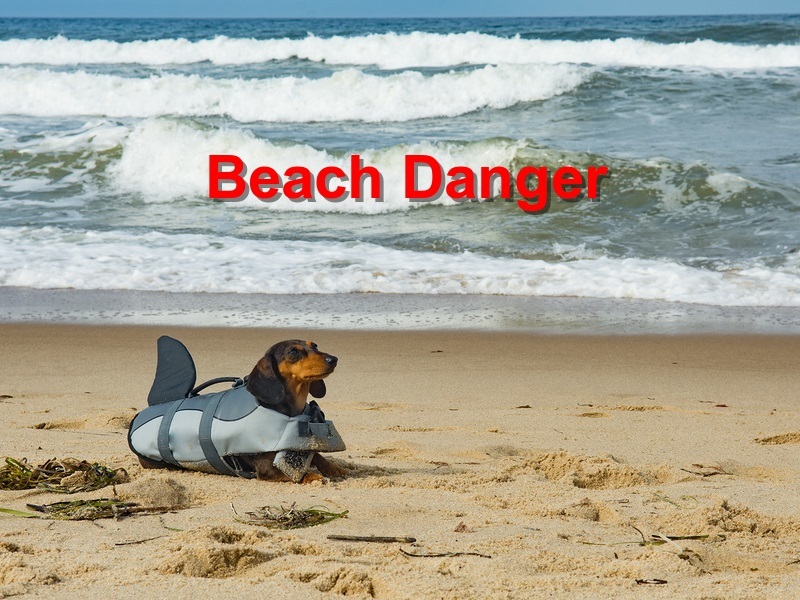
    This ingested water can cause built-up of fluids inside the lungs that may result in cardiac arrest or respiratory distress. You can keep your pets safe by using lifejackets to prevent accidental drowning.

    Heat sickness

    Pets are vulnerable to heat stroke as well, which can be fatal within minutes. Therefore, you should keep your dogs away from the beach during extremely hot days. During summer, ensure your pets have access to shade and water.

    Conclusion

    Although you can carry your pet with you on your vacation, you should consider the safety precautions if you decide to visit the beach. And if your pet experience sunburns, heatstroke and any of the mentioned threats, you should visit your vet as soon as possible.

    References: Modern Dog Magazine, Vets-now, The Bark

    Copyright: Local Value