Category: Dog

  • Pet Christmas

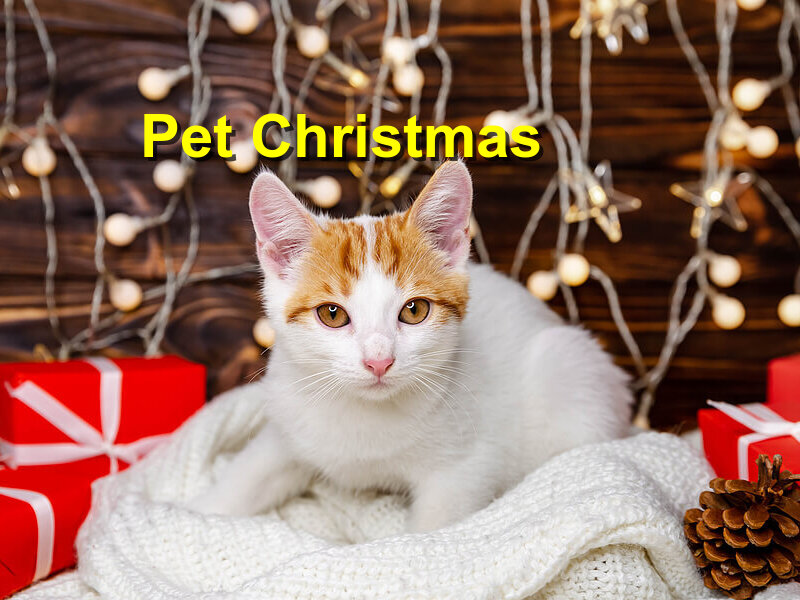
    Pet Christmas

    Important Pet Safety Tips to Adhere to this Coming Christmas

    Here are a few recommendations and tips to assist you in keeping the pets out of harm’s way even as we head into the festive season. 

    1. Your Christmas tree

    If you are planning on having a real Christmas tree, then it is advisable to get into the habit of cleaning up those tree needles regularly to avoid mishaps that could get these needles stuck in your pet’s throat and paws. Also, ensure that the tree is anchored securely in such a way that it will not fall or trip over thereby endangering your pet. Additionally, it is a good practice to cover the base of the tree to prevent your pet from drinking the water that could contain bacteria or fertilizer. 

    2. Decor 

    It is important to hang the various decor instruments as high up as possible and away from your pet’s reach. This includes stuff like decorative balloons, baubles or tinsel that could break/burst and hurt your pet. And as an extra precaution, you can always build a small playpen around the Christmas tree to discourage your cat or dog from meddling the presents or gifts. Speaking of which, avoid leaving any open flame candles lit and unattended. Also, make sure that they are placed on stable surface, preferable a candle holder. 

    3. Keep treats, drinks and snacks away from the pet

    Get into the habit of keeping alcoholic drinks, sweets, chocolate, and snacks out of the pet’s reach. Alcohol, in particular, is a nerve poison that can end up making the pet weak or even go into a coma. Xylitol (a sweetener used in many snacks) and chocolate, on the other hand, can cause a serious case of food poisoning if consumed accidentally by your pet. 

    4. Pet-proof your leftovers and garbage

    Avoid feeding your pet any leftover food, especially cooked bones or food. Our food is typically too spicy and fatty for our furry friends and could potentially cause serious stomach upsets and complications. The same applies to garbage that can give off a delicious enticing odor to your unsuspecting four-legged companion but be later on turn out to be a source of misery. 

    Sources: Petplan, Insider, QZ

    Copyright: Local Value


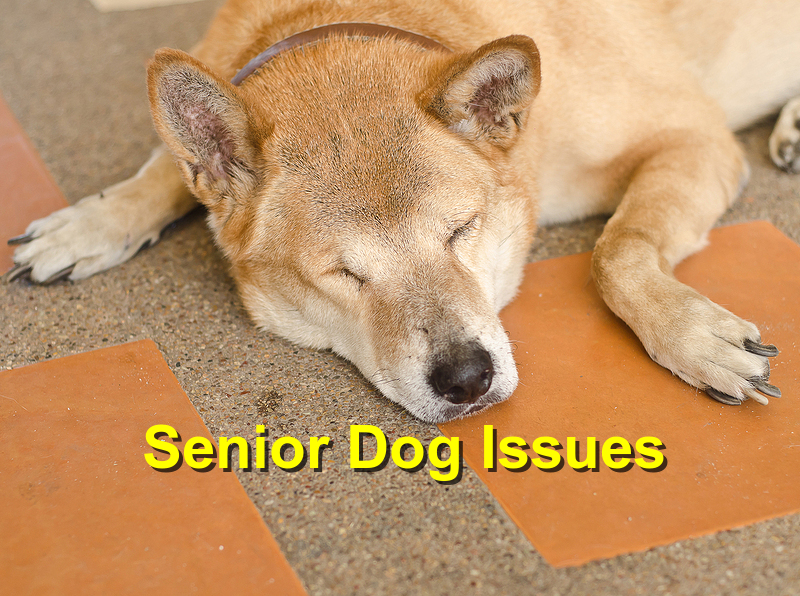
  • Senior Dog Issues

    Senior Dog Issues

    Got an Older Dog? Here’s 4 Things That You Must Know About Senior Dogs 

    1. Old age is part of the natural progression of life and not a disease 

    Your dog could be advanced in age but that does not necessarily mean that it has to be denied access to a healthy, enriched and comfortable life. True, older dogs generally tend to develop more health issues that younger ones, but timely preventive care can keep most of these ailments at bay for as long as possible. Get into the habit, for instance, of taking your senior dog for a comprehensive physical exam at least twice every year. And this should include cancer cells scans and bloodwork if need be. 

    2. Make your home friendly to your senior furry friend 

    It goes without saying that a dog’s physical senses and ability to hear, see, smell and agility takes a heavy toll as the years roll by.  Mindful little changes in their immediate daily living environment, therefore, will go a long way in preventing accidental injuries. It would also be helpful if you changed how you play, interact or exercise with your dog as far staving off injuries go. For instance, you could choose to play with the dog in the backyard instead of going to public parks. 

    3. Pay greater attention to your dog’s diet and nutrition

    The type of food (and also the amount) will typically change as your dog moves through different stages of their life. It is also important to realize that your dog becomes increasingly predisposed to obesity as they near the end of their life. Hence, it is advisable to periodically cut back on their calorific provision to keep unwanted weight gain at bay. Have it at the back of your mind that maintaining recommended weight is paramount to keeping your senior pet active. 

    4. Be on lookout for parasites 

    Senior dogs are known to be prone to infestations by internal parasites. And this is why veterinary doctors recommend that one ought to take the necessary preventive measures to shield them from worms and parasites.

    Sources: NPR, Old Dog Haven, Petcube

    Copyright: Local Value

  • Cat Eye Discharge

    Cat Eye Discharge

    Learn About Cat Eye Discharge – and What You Should Do About it 

    Let’s find out, shall we. 

    What exactly is cat eye discharge? 

    Typically, a cat will produce tears throughout and constantly throughout the day. Normally, the tears secreted often drain at the far corner of the eye without necessarily spilling over. But if something (may be a foreign particle) triggers an irritation to the eye, more tears than normal will be produced hence leading to them spilling over. And it may result to unsightly buggers if their normal pathway/drainage is blocked. 

    1. Small amounts of eye discharge is most likely nothing to fret about

    Technically, a normal cat eye ought not to have any kind or nature of ocular discharge, but this is rarely the case. Experts have observed that certain breeds of cats will show a clear discharge, which at times may be dry, crusty or light brown in color, especially in the morning or after your furry friend wakes from a nap. If this is the case, then it’s perfectly normal and it does not have to be anything to worry about. 

    2. Certain breeds are predominantly more predisposed to discharge and eye buggers

    Himalayans, Persians and other exotic breeds are genetically more prone to develop discharge than others due to the characteristic shape of their eyes. As you may already know, they have short noses, round and large eyes that may make them tear a lot more than other non-brachycephalic breeds. 

    3. Always be on the lookout for abnormal cat eye discharge 

    Often at times some types of eye discharge may be an indication of undiagnosed ophthalmic diseases and disorders such as conjunctivitis, corneal ulcers or entropion. Green or yellow discharge, for example, is not under any circumstances whatsoever normal. And if your cat begins to show more discharge (all of a sudden) than they normally would, then it is highly advisable to book an urgent appointment with the veterinarian as soon as possible. The vet will then carry out extensive and thorough tests to get to the bottom of what exactly is causing your pet’s abnormal eye discharge. 

    4. Hygiene is very important

    It is very important to make sure that your pet’s eye area is always clean and sterile to avoid chances of infection. Use a clean, soft and wet cloth to regularly wipe off boogers and discharge away from around the eye area. 

    Sources: Webmd, Honestpaws, Petcarerx

    Copyright: Local Value

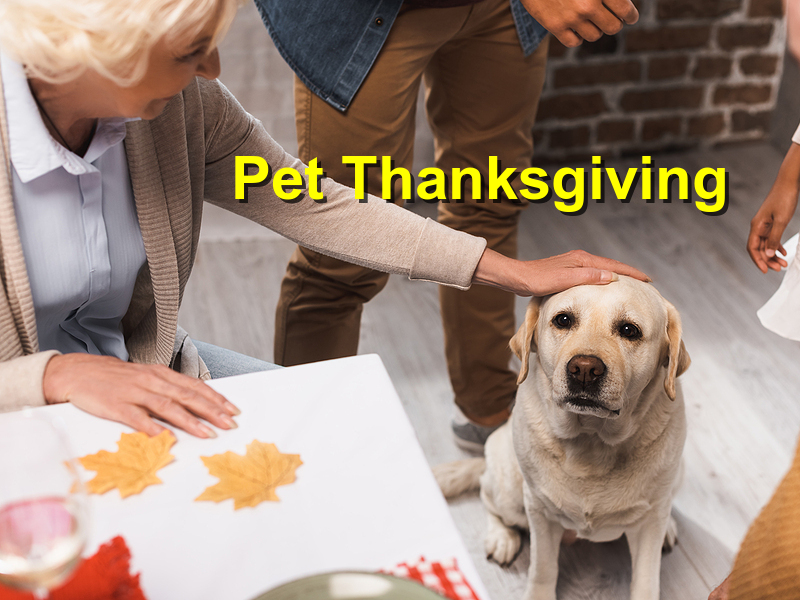
  • Pet Thanksgiving

    Pet Thanksgiving

    Safety Thanksgiving Tips For Your Pets

    Pets and thanksgiving go hand in hand and you should keep your furry friends safe during this day filled with treats and festivities. There are a few things you need to do before the celebrations start. It is important to make the festivities safe and pet-friendly to avoid unnecessary incidents. 

    Food Safety

    Often, thanksgiving is more about food and treats, but not all diets are safe for your furry friends. Below are some foods you should be careful with as they might be poisonous for pets:

    • Chocolates – While a tasty box of chocolate is a great treat for your guests, it can be poisonous to cats and dogs and can cause seizures, diarrhea, vomiting, high blood pressure, and other undesirable symptoms.
    • Cakes and pies – Try to keep kitty and puppy noses from the mixing bowl when baking using raw eggs as it can poison them. Also, remember that xylitol – an artificial sweetener found in most desserts can be potentially fatal when consumed by pets.
    • Bread Dough – When your cat or puppy accidentally ingests bread dough, the yeast found in the dough can be poisonous for your pet.
    • Turkey – Boneless turkey pieces should be just fine for your guests but leftover carcasses can choke your pets and cause gastrointestinal injury.

    Costume reminders

    If you plan to dress your cat or dog for Halloween, you can consider buying a costume that suits the thanksgiving festivities. Just ensure the costume is spacious enough to avoid limiting mobility or obstruct breathing. More importantly, the costume shouldn’t have any choking hazards like feathers, beads, and other dangling pieces.

    Decoration dangers

    While corn and decorative pumpkins aren’t toxic, consuming too much can cause stomach upset for your pets. So, be extra careful of candles as your curious pets can easily knock them over. That said, avoid thanksgiving decorations that have smaller pieces as they can choke your pets. Alternatively, hang the ornaments on an elevated place.

    Floral Centerpieces

    Most people usually brighten their homes with an array of floral arrangements. Just ensure you know some of the plants that are toxic to cats and dogs. Some of the poisonous festive decorations include chrysanthemum, autumn crocus, and acorns from oak trees.

    Conclusion

    If you suspect that your cat or dog has ingested a poisonous treat or plant, act fast and visit the vet to address the problem. Remember that poisoning can be fatal for pets and hence should be addressed as fast as possible. 


    References:

    Aspca pet insurance, AVMA, AVMA

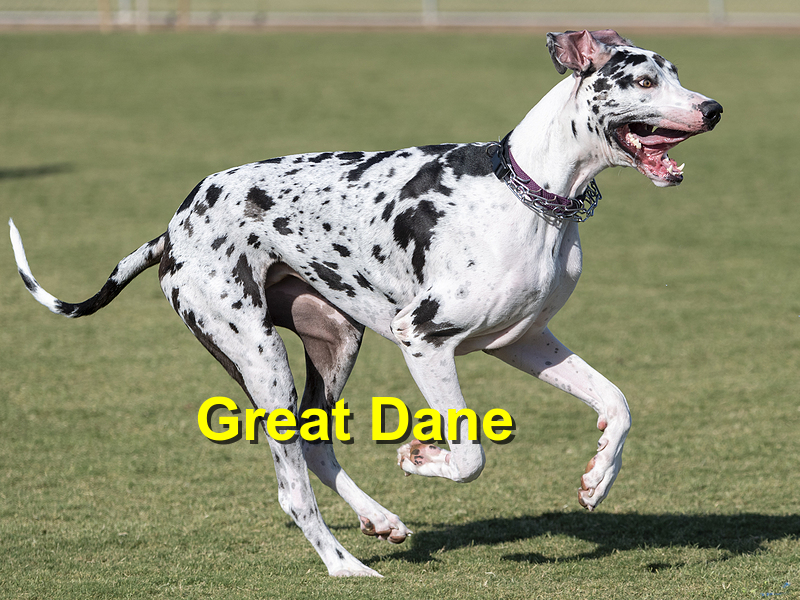
  • Great Dane

    Great Dane

    Important information about the Great Dane dog breed

    For anyone looking for a dog breed for companionship and affection, the Great Dane is the best dog. It is the tallest dog breed in the world, with short and thick coats. It has merle or irregular mantle or patches and their coats can be blue, black, or fawn .

    Where they originate from

    The Great Danes originated from ancient Egypt in 3000 B.C. But the dog breed that is found in most households today is the hunting dog that was used in Germany to hunt boars. Later, the breed developed in Europe in the 1800s and 1876. But once they were no longer valuable for their hunting endeavors, the Great Dane has now become a companion pet.

    Are they friendly?

    While Great Danes are intimidating, they have a large and confident stature. This tall dog breed is affectionate and gentle, and can get along with people and other pets. Moreover, they are very protective and are excellent hunting dogs. 

    Is the Great Dane the best dog for you?

    Great Danes mature quickly than other dog breeds. Often, they are at risk of bones and joints problems. And due to this, you should limit the exercises you give to the puppies to avoid stunted growth. However, Great Danes still require regular walks to keep them active and healthy. Avoid too much exercise such as running as it can cause fatal bloating. That said, daily and consistent exercise is enough.

    Grooming needs

    Ear cropping is often done to protect its ears for boars as they hunt. Today, some folks crop the dog’s ear for beauty purposes, but this practice has been banned in most countries. Furthermore, Great Danes don’t require regular breathing. Excessive bathing can strip the dog of its essential body oils. On the other hand, shedding is minimal as compared to other dog breeds.

    Health problems

    Some of the common health problems linked to the dog breed include cancer, bloat, and joint issues. Neutering or spaying can minimize the risk of uterine infections and prostate cancer. As a suggestion, you should feed the dog from an elevated height to reduce the chance of bloating.

    Conclusion

    If you are considering to adopt the Great Dane, consult a vet to help you determine the criteria to use to find a good adoption center. But if you settle for a breeder, get health clearance certificates from the puppy’s previous owners.

    References: Petful, Akc, Dogtime

    Copyright: Local Value

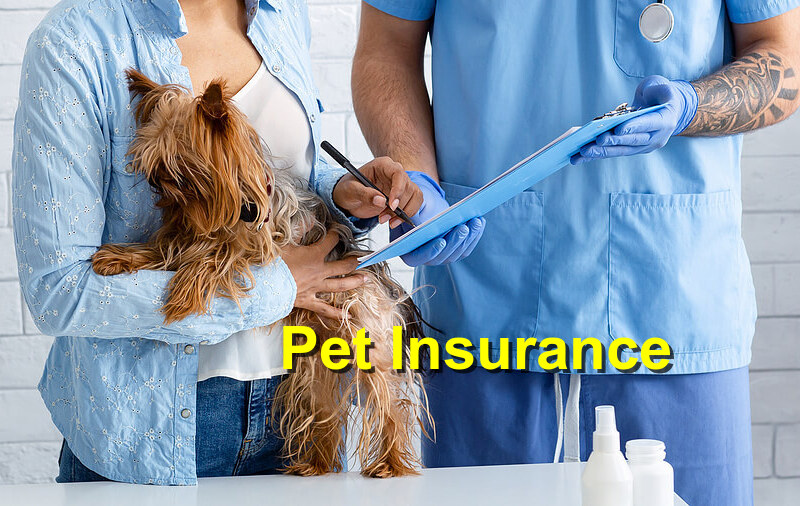
  • Pet Insurance

    Pet Insurance

    Do You Know Hot Pet Health Insurance Works?

    Regardless of how cautious you are with your dog – accidents are unavoidable at some point in time. Sometimes these accidents can be costly and you may have to visit the vet for a surgery. For example, your dog might have swallowed a maize cob or a play toy and require immediate medical attention. How can you keep the medical costs low?

    Consider pet health insurance 

    Most pet owners today face steep veterinary costs. Due to technological advancements for procedures like hip replacements and chemotherapy for dogs, many pet owners are spending thousands of dollars for veterinary services. In fact, routine wellness visits to the vet are upward $200 per year which can be costly.

    That is why pet health insurance comes in handy – to keep these costs manageable. Pet health insurance often comes with a financial risk management tool that can help you determine if you can afford quality health care for your dog.

    Benefits of pet health insurance


    Pet health insurance offers many financial benefits as it helps to cut down veterinary fees. Essentially, it gives dog owners some freedom and is less restrictive financially for them. In other words, they don’t need to make vet decisions based on cost.

    More importantly, pet insurance offers protection against any unforeseen medical expenses, and offers them confidence knowing they have sufficient resources if their pet becomes ill or injured.

    • Pet insurance offers owner the ability to take their vets for treatment and this helps before the condition worsen. They don’t have to worry about cost of vet care provided they have pet insurance.
    • Pet insurance allows you to give your pets top-notch care as far as medical treatments are concerned. 
    • Pet insurance keeps your pets healthier, longer with few visits to the vet.

    But obviously, pet insurance packages have some limitations, too. And depending the insurance policy, some conditions might be excluded, including pre-existing conditions and routine treatments such as dental maintenance and parasite management.

    When signing the insurance policy, the insurer might have considered some factors such as the dog’s age, if its mixed or purebred, or where it lives. Also, there are waiting periods, according to vet’s recommendations. Typically, accident insurance usually has a 48-hour wait period before the cover can be used on an illness. Some pet insurance policies can take longer to manifest.

    Conclusion

    As mentioned earlier, pet health insurance is not any different from human health insurance. After selecting an insurance plan for your pet, you have to pay a monthly fee and then pay other deductibles when you take your pets to the vet.

    References: Cesarsway, Healthy paws pet insurance, Pet insurance

    Copyright: Local Value

  • Pet Halloween Party

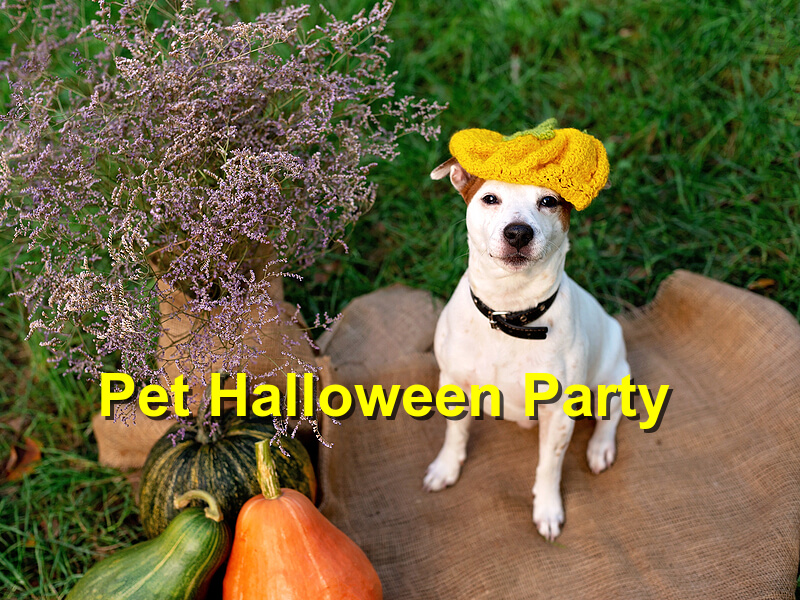
    Pet Halloween Party

    Halloween Party Ideas For Your Pet

    If you are shopping for treats and decorations to prepare your dog’s Halloween bash, there are a few ideas you can consider. Party games will definitely keep your dog busy during Halloween. Here are simple party ideas for your furry friend.

    1. ‘’Fido Says’’

    Many dog owners usually use this game to see whether their dog can listen to instructions in a crowd or will it wander to look for a treat. Simply line up all the dogs with their respective owner and ensure everyone has plenty of space. Find out which pets can pay close attention to the game ‘’Fido says’’ by following the directions.

    2. Bobbing for balls or bones 

    Find tennis balls or meaty bones and then toss them inside a tub. Thereafter, allow the dogs to find the bones and ensure you provide them with plenty of space to enjoy their winnings. Anytime your furry friends are together and have sufficient food, ensure each pet has enough space or allow them to share one plate.

    3. Trick & Treat

    Provide all parents with a dog treat and request them to give it to a random dog after it performs a simple trick ( a simple jump or sit will do the trick). This game is best for dogs that are comfortable around strangers. Also have all the dogs in a line as a group and have each of them do a trick to receive a treat.

    4. Obstacle course


    Simply create a small agility course in an open space preferably your backyard. Use pipes or ropes to create hurdles and hula hoops. Alternatively, design a dog or kids agility tunnel where your furry friends can run through. More importantly, never try to force the dog to do anything out of the ordinary that can cause stress – its supposed to be fun!

    5. Find the treat

    You can spread dog treats all around your house or backyard. Have all your pets try to sniff them out and reward them. Again, ensure each dog has enough space as they search for the treats.

    Conclusion

    Since the Halloween is usually busy filled with treats and decorations, your dog can accidentally ingest something poisonous like candy or chocolate. If this happens, visit the vet immediately to receive treatment.


    References: Barkpost, Akc, Petcentral


  • Doberman Pinscher

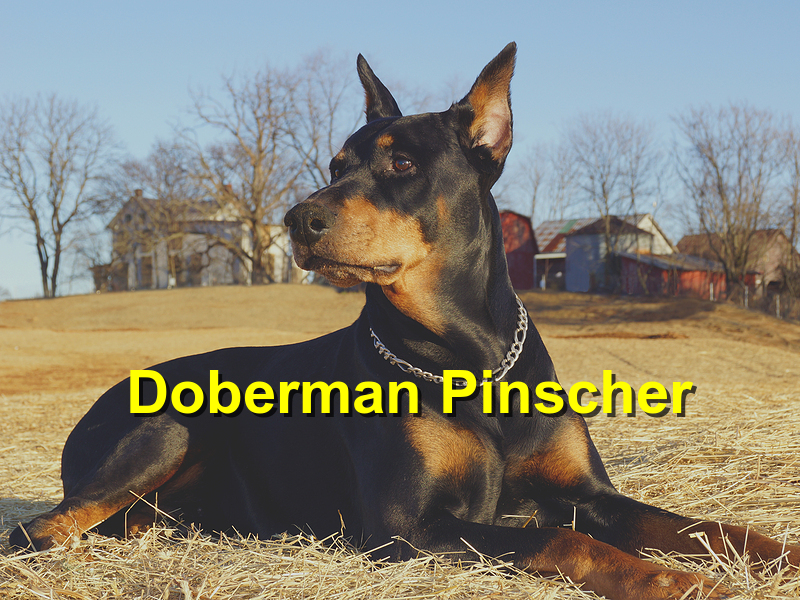
    Doberman Pinscher

    Facts About The Doberman Pinschers

    Dobermans are affectionate and energetic dogs that make excellent pets. They are reliable service animals as well. These muscular and compact size dogs boast of high speed and endurance. Also, they have a regal and elegant appearance. Tail docking and ear cropping is common for this dog breed but these practices have now been banned.

    1. Where do they originate from

    Doberman Pinschers were first discovered in the early 19th century. The first Doberman Pinscher first appeared in a dog show in 1876. Thereafter, the AKC or American Kennel Club later recognized this breed in the year 1908.

    2. Are they friendly?

    Doberman Pinschers are affectionate, intelligent, loyal with exceptional stamina and strength. They are quite easy to train. However, these dogs require leadership and should be properly socialized before they are allowed to interact with children. Young Doberman are friendly and playful with kids. 

    They also do well as therapy dogs. They prefer close companionship with people and are sensitive to the cold climate, hence shouldn’t be allowed to stay outside in winter.

    3. Their temperament

    Generally, Dobermans are described as aggressive or dangerous. And though dominance often varies depending on the breed, viciousness is often a product of socialization and proper training. Similar to the bull terrier, Dobermans are easy to socialize or train to become great family pets or companion animals.

    4. Is a Doberman the right dog breed for you?

    Dobermans are very energetic and require daily exercise to expel pent up energy. So, you should take your dog on short jogs or long walks, and provide proper training regularly. As far as grooming is concerned, Dobermans usually shed minimal hair as compared to other dogs. Brushing their coat once a week will do the trick. Also remember to clean their ears and teeth as well.

    5. Can you adopt a Doberman?

    Are you considering adopting a Doberman as a pet? Well, there are many helpful adoption resources online that can guide you on where you can get a healthy dog. Research local shelters that deal with pure bred dogs and avoid puppy mills. As a suggestion, consult a vet for recommendations on where you can adopt a Doberman.

    Conclusion

    If your Doberman is sick or injured, it is advisable to visit the vet immediately to receive proper treatment. Lastly, take your Doberman to the vet once in a while for check-up.


    References:Petful, Dogtime, Akc