Category: Dog

  • What dogs feel for you

    What dogs feel for you

    What Dogs Feel For You

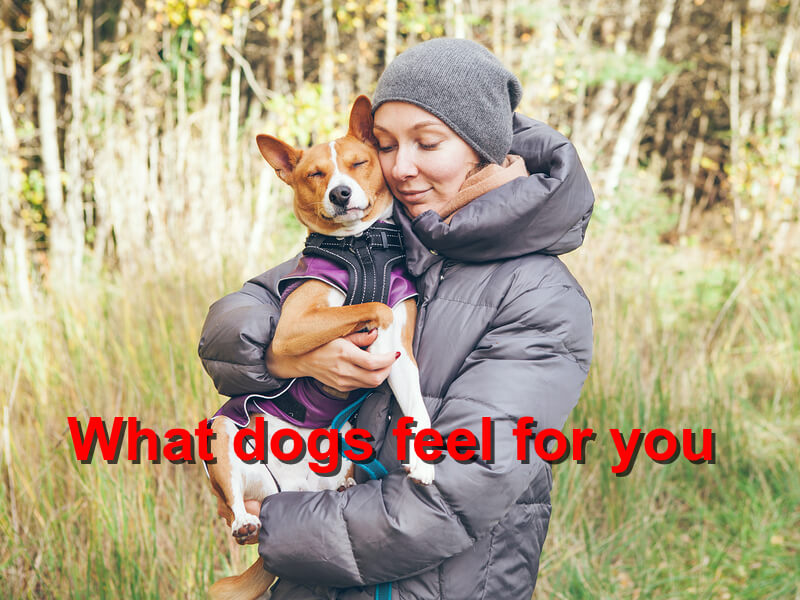
    Most pet owners often ponder what their dogs think about them when they look at them with their loving, wide eyes. You might wonder, ‘’ What are they thinking?”. Recent studies have now helped up us move closer to finding an answer to this common question. Two researchers recently did a study to find out if canines have the ability to express empathy – the capability of understanding emotion.

    According to the study, many people believe that their dog actually has the ability to comfort them. But while all not dogs can show comfort, they are not hard-hearted either. Essentially, dogs can show a lot of care in many ways than most of us assume.

    How the dogs responded to the study

    Researchers recently gathered a variety of untrained pets that mainly consisted of mixed breed, which were then divided into groups of two – males and females. Then they requested the presence of the dog’s owner as well as a stranger who had never met the dog. The stranger and the owner would alternatively hum, cry or talk in a strange way. The researchers simply wanted to check how these dogs reacted to the sound.

    The dogs did respond well to the sounds that even came from strangers. As a result, the researchers believed that this was a way the dogs used to express empathy. Additionally, the researchers believed that when the dogs wanted comfort they would seek out their caretaker. But the study ultimately raises a number of questions. Do dogs express emotions like anger or pleasure? And how do they respond to children.

    Dogs and their owners enjoy a healthy symbiotic relationship

    Nonetheless, recent findings show that dogs and their owners usually have a strong bond. And though more research is essential to determine ways of strengthening this bond, we definitely benefit from a healthy symbiotic relationship with our dogs.

    While there is no definitive way to explain how your dog feels for you, the joy and companionship you get from your canine friend speaks volumes. More importantly, dogs not only endure hostile environments but also seem to enjoy it as well. And you might wonder, what do dogs think in such situations?

    The research also shows that dogs are more responsive to information that comes from us, as opposed to sounds from inanimate signals such as bell. Put simply, dog enjoy our presence as much as we enjoy theirs. 

    Conclusion

    Although dogs have the ability to show empathy, they can be jumpy and aggressive when they are sick. For that reason, you should take them to the vet when you spot a change of behavior just to be on the safe side.

    References: Cesars way, Discover magazine, Huffpost

    Copyright: Local Value

  • French Bulldogs

    French Bulldogs

    Common Traits Of French Bulldogs

    Key characteristics 

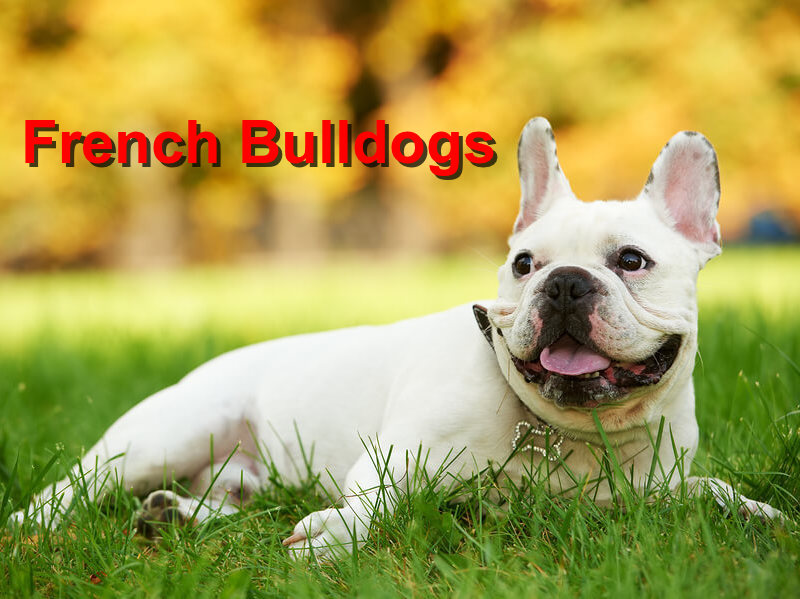
    The playful French bull dog is small, muscular and compact. These dogs normally have an evenly shaped head and bat-like ears. Additionally, they have a unique underbite. Their body is pear-shaped and often appears wider when you look at it from the front.

    Their loose skin forms wrinkles, especially around the shoulders and head. Frenchie bull dog’s tails also appear corkscrew or straight.

    Where they originate from

    This breed traces its origin in England back in the early 19th century. French bulldogs initially were a preferred alternative to the larger and heavier English Bulldog. More importantly, Frenchies were beloved by lace-makers who existed in that period.

    But with the onset of the industrial revolution, most artisans were jobless and subsequently relocated to France, carrying with them their dogs. With time, the bulldog became increasingly popular. And the Frenchie became more developed as characterized by the bat-like ears. Although most Frenchies nowadays have batlike ears, the original breed had rose-shaped ears.

    Gradually, when more Americans moved to France, they developed a liking for the breed and ultimately it become popular in most homes in the United States. Frenchies remained popular among many Americans but their popularity and numbers began to decline after the word war. It is now considered a rare dog breed but recently made a comeback.

    Are they friendly?

    The French bulldog is an awesome companion and was actually bred for this purpose. The beloved dog can gladly share with you the sofa as you enjoy your favorite show, and can even share your warm bed at night.

    Frenchies are curious and playful and can easily get into trouble without close supervision. Generally, they interact well with other household pets and are affectionate toward strangers. Frenchies also need regular companionship. You should never leave them in isolation for a long period of time.

    Exercise needs

    Frenchie bulldogs can live comfortably in a house or apartment that has a yard. Ensure you engage your dog in regular walks to keep them from being bored and keep obesity at bay. But you should avoid walking your Frenchie in extremely hot days. Also ensure you keep them indoors during the cold days.

    Conclusion

    Frenchies without a doubt need comfortable homes. If you decide to adopt one, make sure you do your research to avoid falling prey to dealers that run puppy mills. As a word of caution, you should consult a vet to instruct you on what to look out for if you want to get a Frenchie.

    References: Petful, AKC, Dogtime

    Copyright: Local Value

  • Confident Dog

    Confident Dog

    How to Make Your Dog Confident

    If your dog is timid, there is no need to worry as there are ways you can make it more confident. While some dogs are usually shy since childbirth, others may have experienced terrifying events that made them timid or fearful. Here are some of the ways that can help your dog gain some confidence.

    Where does the fear originate from?

    When puppies are between 7 and 10 weeks old, they often undergo a critical socialization period. During this period, the brain is still learning how to build associations, and it’s a time when dogs are vulnerable to develop phobias or fear.

    In most cases, dogs develop fear when something scared them during their socialization period. Due to this, the dog might become fearful of a certain thing, or may become nervous or timid in general. These timid or nervous dogs can get help from confidence-building workouts that can eliminate the fear that is commonly attached to multiple things or situations.

    Are confidence-building workouts effective for dogs?

    To build confidence in dogs, counter-conditioning training or confidence-building exercises are recommended. But how do these exercises really work? Well, these exercises can desensitize your dog by exposing it to the stimulants that make it fearful, be it fireworks, children, strangers or loud noises.

    Similarly, these confidence-building exercises can help develop the dog’s behavioral response to any objects that cause fear in your dog. For instance, when your dog has a phobia for strangers, the exercises will prevent the dog from becoming fearful by working on activities, like playing with a ball.

    How you can desensitize your dog from fear-inducing stimuli

    A great way to desensitize your dog from fear inducing stimuli is by adding a reward during the counter conditioning exercises. If you want to give your dog treats during training, then you should ensure the treats require minimal chewing. When your dog completes a specific exercise successfully, you can offer him a reward. If you want to effectively desensitize your dog from the fear-inducing stimuli, you should reintroduce the dog to the fear stimulus at a safe distance.

    For example, if your canine is scared of fireworks, you can play a soft recording so that the dog isn’t scared. Hold your dog with a leash and using a safe volume, when the dog is not showing any symptoms of fear, request your dog to sit calmly and pay attention. If the dog responds positively to the request, offer them a treat.

    Conclusion
    Remember that your dogs need patience and compassion. If your dog is too sick to undergo these conditioning exercises, you should consult your veterinarian immediately.

    References:  PetmdDogster, Puppy leaks

    Copyright: Local Value


  • Beagles

    Beagles

    5 Things You Should Know About Beagles

    While beagles are great hunters, they are lovable and excellent companion pets as well. Learn if this sociable dog is the right pet for you.


    1. Key characteristics


    Beagles are excellent hunting dogs and are very popular in the United States. Their compact coats often require minimal grooming. These breeds come in 2 different sizes, the 15-inch Beagle and 13-inch tall Beagle. Common coat colors include white, lemon, red, and tri-color. They have large, brown eyes. The ears are long and wide, and the nose is dark black, while the tail is erect.


    1. Where do they come from?

      While records show that Beagles were discovered in early 1500s, more research is needed in this area. The Beagles were first discovered in England during the early days before the Romans started to arrive in the late 18th century. Since fox hunting was popular at this time, beagles were commonly used as hunting dogs. The beagle was later bred with the southern hound dog and become popular in the United States. 


    1. Are they friendly?

      Beagles are usually gentle, affectionate, loving and sweet. They are sociable dogs with high intelligence and natural curiosity. They can get along well with children, but their exemplary hunting instincts might prevent them from socializing with non-canine pets. While beagles are smart, consistent training can help prevent negative or unwanted behaviors like biting, snapping, destructive behavior and obsessive barking.


    1. Is this dog the right breed for you?

    Since beagles have a lot of stamina, they require regular exercise. A slow jog or daily walk is recommended. The breed can do well indoors provided you ensure they get daily exercise. A play yard will come in handy if your dog is extra playful. 

    1. Grooming needs

    Coat shedding is minimal and so grooming is not time-consuming. You can brush it’s coat weekly using a soft brush. Bathe the dog when necessary but not too often. Also regularly check the ears to ensure they don’t have any infection.

    Conclusion

    Beagles are often found in rescues and shelters, so you can find them there or find other adoption options online or in your local area. If you decide to get your beagle from a breeder, ensure you find a legitimate breeder. Also ensure you get health certificates from the dogs’ owner. When your dog has any health problem, you need to visit your veterinarian immediately.

    References: Petful, AKC, Dog time

    Copyright: Local Value

  • Biggest Health Threat To Your Pet

    Biggest Health Threat To Your Pet

    Obesity in Cats and Dogs: The Biggest Health Threat to Your Pets

    While you might think your cat is perfectly healthy, your veterinarian may say otherwise. Let’s discuss what might be wrong with your pet.

    For starters, obesity in cats and dogs is a severe health crisis. Unfortunately, most people don’t know that obesity can lead to more health problems.

    What are the potential consequences of obesity in pets?

    Obesity can reduce lifespan in pets. Research now shows that thin pets outlive fat dogs by about two years. Therefore, looking at obesity and overweight in cats and dogs as a trivial health problem is a misconception.

    1. Shorter life span and poor quality of life

    If you want to know if your dog is obese, you can use the body condition score. On this scale, 1 shows starvation and eight denotes morbidly obese.

    Research done on Labrador Retrievers now shows that canines that have a lower BCS can live longer than overweight dogs that rank higher on the BCS scale. Slimmer dogs have a lower risk of common chronic diseases. With that in mind, you should remember to ensure your dog has an ideal weight for a long healthy life.

    1. Arthritis

    Leaner dogs are less likely to suffer from arthritis and hence experience less pain when they age than obese dogs. Additionally, low body fat improves mobility and reduce lameness problems.

    1. Intervertebral disk disease

    IVDD, commonly known as intervertebral disk disease, can paralyze your dog. And the sad thing is that all dogs are vulnerable to suffer from this disease. The Dachshund is particularly susceptible to suffer from disk disease. If your Corgi or Doxie is obese, the risk of suffering from disc disease is higher. 

    1. Body inflammation

    Essentially, obese dogs are more likely to suffer from body inflammation, and this can eventually lead to diabetes, pancreatitis, and gastrointestinal disease, to mention a few. You should walk your dog regularly to shed off the extra weight so that you can avoid the onset of these diseases.

    1. Breathing problems

    Overweight dogs usually have trouble breathing that may lead to the onset of conditions such as laryngeal paralysis or collapsing trachea. Obesity in dogs will also overwork the heart. You should ensure your dog has a healthy weight for prolonged, better life. Instead of walking your dog, you can take a morning job with them to keep them healthy so that they can avoid arthritic or breathing problems.

    Conclusion

    If you suspect your dog is suffering from obesity, you need to consult your vet as soon as possible to avoid the onset of diseases.

    References: Petful, Banfield, Omicsonline

    Copyright: Local Value

  • Bulldogs

    Bulldogs

    5 Things that make Bulldogs special 

    If you are looking for the best protection dog, then getting a bulldog is a great idea. Bulldogs are powerful dogs with a lot of love to share.

    1.Key characteristics

    Bulldogs are compact dogs and are very popular in most households in the United States for their massive strength. They have short legs, and their head is large than most dog breeds. They also have prominent skin folds on their face that makes them unique. The ears and nose are dark while their ears are thin and small.

    1. What is their origin?

    Bulldogs got their name due to their ability to trap a bull. Due to its massive strength, it can attack a large bull right underneath, and bite into the bulls’ neck to prevent it from escaping. Original bulldogs are somewhat resistant to pain. Additionally, they were known to be savage and fiercely courageous than most dog breeds. Bull baiting in England was later outlawed in early 1835, and so it’s usefulness and was no longer prominent.

    1. Are they friendly?

    Gentle and loving are some of the words that can describe bulldogs that you find in most households today. Bulldogs are friendly and are always playful, and form strong bonds with both adults and children. However, they can be dominating and stubborn; hence, training might be necessary. They often tend to show aggression and therefore are excellent guard dogs. For that reason, you should never disregard their training recommendation if you decide to adopt one.

    1. Is it the right breed for you?

    While bulldogs are energetic, they tend to become calmer when they age. They can handle apartment life as they are inactive indoors. They don’t need a play yard. Daily walks will help the bulldog expel built-up energy, and meet their exercise needs. Nonetheless, you need to ensure you socialize them properly before you allow them around people and other animals.

    1. Where can you adopt one?

    You can find bulldogs in shelters and rescue centers or find one from online pet stores. If you decide to get a bulldog from your local breeder, ensure the breeder is not operating an illegal puppy mill.

    Conclusion

    If your bulldog has any health issue, you should visit a local vet to get your dog checked. The vet can recommend the best treatment.

    References: Petful, AKC, Dog time

    Copyright: Local Value


  • Train your dog to not chew things

    Train your dog to not chew things


    How to Train a Dog Not to Chew on Things

    Destructive chewing affects dog lovers from all walks of life. How can you train your dog not to chew on your things?

    Why puppies chew

    Puppies often use their mouths to learn important life skills. Through their little mouths, they:

    • Learn how to cope with boredom
    • Get out frustrations
    • Soothe teeth and sore gums 
    • Learn about the environment around them
    • Cope with anxiety

    Why older dogs chew

    When do dogs really stop chewing everything they come across? Do they stop this habit when they reach a certain age? If you have dog, you may be looking for answers to these questions.

    Most dogs outgrow this habit that’s often associated with jaw development between the ages of 1-2 years. Chewing is normal when your puppy is teething.

    If your dog never learned the right things to chew while young, they may have a destructive chewing habit when they get older.

    A few things that can cause older dogs to chew:

    • Lack of training 
    • Too much freedom
    • Bad habits learned when young
    • Anxiety
    • Lack of physical exercises
    • A medical problem

    Train your dog to chew on their own toys

    If you want to control this behavior, the goal is not trying to stop chewing. You should show them what to chew instead. Here are some of the ways you can address chewing.

    Confine

    You can try using a crate to train your dog. While many people assume its cruel to use a crate, they are useful when used correctly. Before you try this method, get your puppy used to the crate.

    Sprinkle treats evenly inside the crate and outside

    Encourage your puppy to eat the treats.

    When your puppy finishes eating the treats, you can add more until the puppy gets used to the crate.

    When your puppy is comfortable walking into the crate, offer them a food-stuffed toy and close the door behind them. Once the puppy is done eating the treats from the toy, let them stay there until they are quiet. Gradually leave your dog inside the crate longer and then sprinkle treats after every ten minutes.

    Supervise

    Your puppy won’t stay inside the crate all day. Allow them to play outside the crate but ensure you are nearby to supervise them. By leaving your pup in the crate filled with food-stuffed chew toys, they will learn to chew their own toys instead of chewing on household items. 

    Conclusion

    Chewing has many benefits for dogs but you need to train your dog to chew on their toys and not on your things. If your dog is chewing on its skin, visit the veterinarian as soon as possible as this may cause allergies.

    References: Petful, Dogtime, Cesarsway

    Copyright: Local Value

  • Golden Retrievers

    Golden Retrievers

    A Few Things to Know About Golden Retrievers

    Golden retrievers are energetic and reliable dogs. They make excellent service animals as well.

    Key Characteristics 

    Golden retrievers are friendly and active dogs. They have a double coat that is water-repellant. Their unique gold color usually varies and can either be light or dark.

    Where do they originate from?

    The breed was first developed in the 19th century by Lord Tweedmouth from Scotland who bred a Tweed Water Spaniel with a Yellower Retriever. This cross-breeding produced an offspring that was later bred with spaniels, Bloodhounds and Irish Setters and developed to the breed we have today. The breeding created a dog that can do extremely well for retrieval purposes on water or land.

    Are Golden Retrievers friendly?

    The dog is friendly and can get along well with everyone. They can be trained to become great search dogs and excellent service dogs. 

    Golden Retrievers are friendly dogs who get along with everyone. They never show aggression or hostility toward people or other dogs. They are trustworthy, reliable, energetic, active and always ready to learn new things.

    Exercise Needs

    The breed can easily become obese so you need to ensure yours gets daily rigorous exercise. Golden Retrievers are energetic and active, and you need to keep them busy with regular exercise to maintain their healthy and general wellness. Lack of regular exercise can cause chewing and behavioral difficulties.

    Grooming Needs

    The breeds’ double coat often sheds seasonally so you have to brush yours frequently. According to experts, you need to brush this dog at least twice a week, and more often in the summer when it’s much warmer. The dogs’ long furs collect dirt easily, so ensure you bathe yours regularly. Trim the nails and clean their ears as well.

    Health Problems

    The common health problems that affect Golden Retrievers include cataracts, hip dysplasia, obesity, cancer, bleeding disorders, heart disease and elbow dysplasia, allergies, kidney failure, and muscle dystrophy.

    Can you adopt a Golden Retriever?

    You can adopt a Golden retriever as most of these breeds often wind up in rescue centers. Alternatively, you can check local adoption resources.

    Conclusion

    Before you adopt a Golden Retriever, you need to consult a vet to ensure you find a dog that is healthy and up-to-date on all immunizations. Also, if you decide to try local breeders, ask for clearance tests. These are tests performed to check if any of the conditions found in the parents can affect the puppies.

    References: Petful, Rover, Pet Helpful

    Copyright: Local Value