Category: Dog

  • Funny Dog Breeds

    Funny Dog Breeds

    10 Funniest Dog Breeds in The World

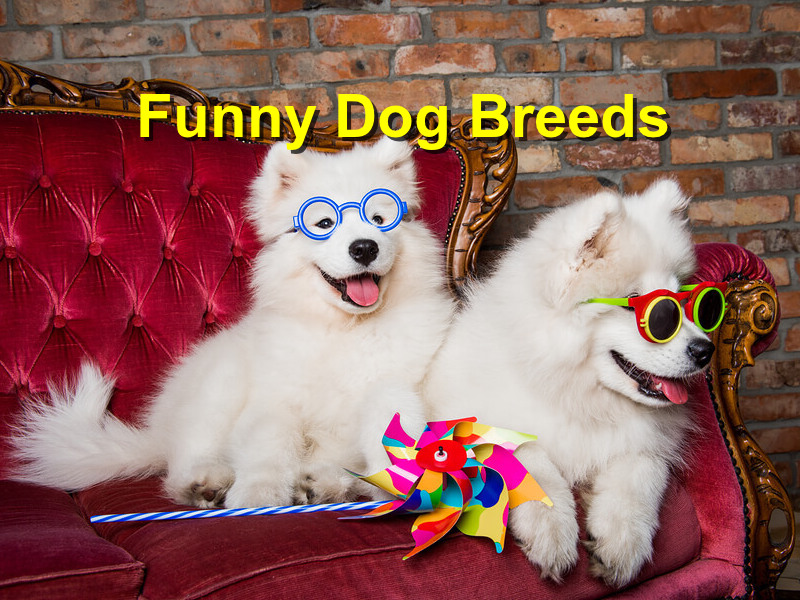
    There are very funny and strange looking dogs out there. Listed below is a compilation of some of the funniest canine breeds.

    1. Chinese Crested

    The Chinese Crested has an intriguing mohawk and is often present in the popular ‘’ugly dog’’ competition held annually. The breed is well known for its small features and playful demeanor.

    1. Puli

    This breed looks like a twisted dirty mop. They are agile and fast, loyal and strong. The puli has tight curls that make it waterproof. These dogs usually have black faces.

    1. Xoloitzcuintli

    The Mexican hairless dog is a rare breed. These funny looking pups were once thought to have healing properties by the ancient tribes of Mayans and Toltecs.

    1. Bergamasco

    The breed resembles the Komondors and Pulis. Commonly known as a sheepdog, the breed has a rare matted coat. The breed has a combination of colors and can either range from gray to silver gray or black and brown. This coloration was probably a camouflage deep in the Italian mountains where it originated.

    1. Brussels Griffon

    These toy puppies are well-known for their charming fuzzy beards. If you look at the breed closely, you’ll notice it somehow resembles a little monkey.

    1. Neapolitan Mastiff

    This massive dog breed has a sagging face and lengthy wrinkles. While they may appear docile, the Neapolitan Mastiff is powerful and fearless.

    1. Dandie Dinmont Terrier

    The breed has an elongated body and short little legs. Dandie Dinmont Terriers also have a funny looking white pouf on their heads.

    1. Bedlington Terrier

    Most people insist that the Bedlington looks like a lamb. This breed has wooly fur, triangular eyes and elongated ears. They are reliable, calm and smart, and surprisingly they were used to scare away badgers.

    1. Bull Terrier

    The breed is well-known for their funny looking egg-shaped head that is almost flat at the top and gradually slants down at the end. Bull terriers have a clownish personality and a carefree gait.

    1. Dachshund

    The dachshund is everyone’s favorite dog and is a source of amusement for many. This short-legged, long-bodied puppy with curved tail and flappy ears is stubborn but playful. The Dachshund has been featured in many political comics and cartoons. In fact, this playful puppy is considered one the most popular pet in cities.

    Conclusion


    When you notice signs that your dog might have health complications, you need to consult a vet as soon as possible.

    References: Petful, Animal Fair, Animal Fair

  • End of Life Care for your Dog

    End of Life Care for your Dog

    Tips on Improving End of Life Care for Dogs

    You have spent memorable days with your dog and it has been an amazing journey. However, your pet has become less playful and you are afraid that maybe that journey is nearing its end. It is your duty as the owner to try and lessen its symptoms. Here are useful tips on improving end of life care for your pet.

    Consider Hospice care

    When your dog is unable to lead a qualifying life due to terminal illness, you can settle for hospice care. When you choose this option, you become the primary caregiver for your pet and try to make their last days as comfortable as possible. You can visit your vet to receive instructions on how you can manage your dog’s pain and suffering.

    Euthanasia

    What can you do when you discover no treatments or medication can alleviate your dog’s suffering? When the physical signs of suffering become more obvious, your vet may ask you to consider euthanasia. This procedure secures a painless and peaceful end if your dog is suffering and terminal.  Your vet will give the dog a sedative and the procedure usually takes about 15 seconds. 

    Create a quiet environment

    Avoid chaos around the home as this will stress your dog during this difficult time when you are trying to make your last moments together meaningful. Ensure your dog enjoys a quiet environment away from other pets. The dog may also become irritable and grumpy during this period. For that reason, you can play soft music to calm them.

    Provide comfortable bedding

    Put down comfortable blankets where your dog can lay down comfortably. If your dog is unable to regulate his body temperature, ensure you have blankets nearby ready for use. Be patient with your dog as they may begin experiencing muscle and joint problems and become frustrated.

    Prepare a tasty meal for them

    If your dog has a favorite meal, then you can make some of it. However, solid food might upset your pet’s stomach as certain body systems that aid in digestion begin failing. During this stage, dogs often lose their appetite so ensure you are gentle and attend to them with compassion.

    Conclusion

    It is important to ensure you monitor your pets’ behavior regularly. Also check their weight and temperature or any other indicator that may show their health is deteriorating. Consult your vet if are ready for hospice care.

    References: Petmd, Pet health network, VCA Hospitals

  • German Shepherd

    German Shepherd

    Breed Profile: German Shepherd

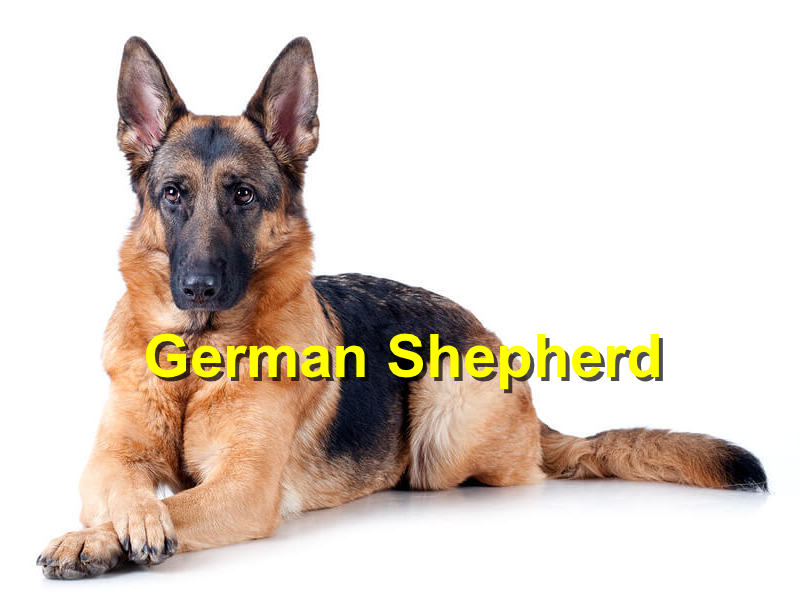
    German shepherds are skilled in many tasks and make great working dogs for guarding work. They make good family dogs as well.

    Physical Description

    The dog is muscular and strong with a bushy tail and dark eyes. They have a variable coat that can be plush, double or long haired. Their average height ranges between 20 and 25 inches and can have a maximum weight of 85 pounds.

    Purpose

    German shepherds can serve as companion pets, working dogs and competitors in annual dog competitions. Their perfect instincts make them ideal for protection and herding, and these qualities make them great tracking dogs for the military and police. They can also assist in drug and bomb detection, and can detect gas leaks and underground mines.

    This breed has amazing speed and flexibility. Whether running around training courses, sniffing for mines and drugs or taking down suspects, the dedication, stamina and boundless energy of the breed is exceptional to say the least.

    Temperament

    German shepherds are popular and respected as they are easy to train, which make them ideal for specialized tasks. Their active nature, a great combination of courage, loyalty, intelligence, protective and fearlessness, are desirable qualities that make them suited for a variety of tasks.

    This breed is patient and has an amazing sense of smell. They are also decisive and observant, which makes them brilliant service dogs for people with disabilities.

    This breed is always alert and ready to learn. They are active and need activities to expel their energy. While they can be nervous around strangers, once you form a friendship with them, you will enjoy their company.

    German shepherds can also experience separation anxiety when you leave them in isolation for a long period. They relate well with children and other pets as they are well socialized.

    Exercise Needs

    This energetic breed is always looking for something to do to expel energy. Jogging, daily walks and play can help keep them happy and healthy. You should ensure your dog gets plenty of exercise for general well-being. This active, intelligent breed desires tasks and work, so you can meet these needs through either exercise or jobs. They can live comfortably in apartments provided you keep them busy with exercise.

    Conclusion

    This breed is found in rescue centers and you can adopt one today. If your dog has any health complication, consult your local veterinary as soon as possible.

    References: Petful, Dogtime, Dogtime

  • Stop Your Dog From Jumping

    Stop Your Dog From Jumping

    Stop Your Dog From Jumping

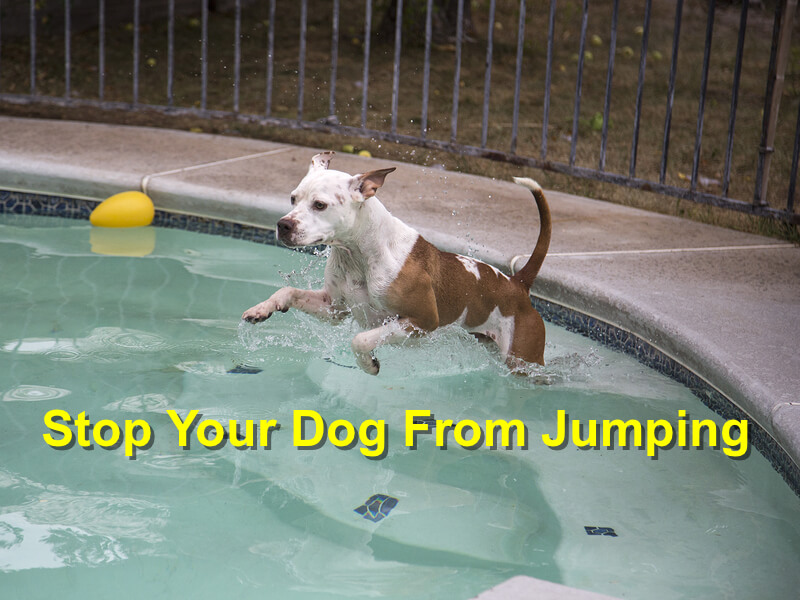
    Getting a new puppy can be very exciting. The fun personalities, playfulness, kisses, and wet noses are always adorable. However, if that puppy grows into a big dog and continues to exhibit the same behaviors, then you have a problem. Dogs that jump up on family members as a way of saying hello can easily prevent guests from coming to your home or make it challenging to enter your home. Learn how to stop that behavior here below.

    Why Do Dogs Jump Up?

    Remember that a dog doesn’t mean to upset you when they jump up on you. Dogs think that this behavior is a sort of greeting, primarily if they not taught differently. Both puppies and adult dogs can be trained to avoid this behavior. Your family will benefit from fewer torn clothes, scratched legs, and also children getting knocked down due to excited dogs. 

    How to Train Your Dog to Stop Jumping

    Start the training by leaving home and then returning after a few minutes. When the dog jumps up to greet you, you can give a firm command like stay or sit. Walk out once more and repeat the entry and command process. Repeat the exercise until your dog stops jumping up every time you enter your home. Also, ensure to give plenty of praise or treats to reinforce the positive behavior.

    If your dog jumps when you’re indoors, start by crossing your arms and turning your back away from the dog. That way you remove your hands from easy access by the dog so that they don’t keep on playing or licking your hands. 

    As dogs love attention, they will likely walk around and face you. At this point, give a firm sit command making sure to reward when they obey. If not, you ignore your dog once again, and you turn around. Repeat this training until the dog stops jumping and obeys your commands. 

    For success with these training methods, it is best to ask everyone in your home to always do similar actions whenever the dog starts jumping. Let your family know the reasons you’re training the dog and ask for their help during their interactions with the dog.

    What to Avoid

    Avoid negative physical reinforcement, where you squeeze the dog’s paws or hit them when they jump up. You can end up causing severe pain and damage to your furry friends. Ultimately, your dogs could even become more aggressive or fearful. 

    Conclusion

    Don’t forget to give treats and also praise your dogs every time they stop jumping up. It helps the dog understand that their behavior is positive and acceptable as well as that you are happy with them. If you’ve tried to train your dog and aren’t getting anywhere, consider consulting a trainer or dog behaviorist for help. 

    References: PetfulThe happypuppy site , Humane society

  • Hypoallergenic Dogs

    Hypoallergenic Dogs

    Hypoallergenic Dogs

    People with allergies and asthma often wonder if they can ever own pets without compromising their health. Even though most dog breeds do shed their fur and may trigger allergic reactions like an asthma attack, certain breeds are much better and appear not to cause too many issues. Below are a few hypoallergenic dogs to help you get started on your search.

    Remember that it’s not only the size of the dog’s fur that will determine whether it’s a hypoallergenic dog. The fur isn’t the only factor that leads to breathing issues and allergies, but it’s the dander component found in the dog’s urine, saliva, and skin. That is the reason why just touching the dog can trigger unwanted allergic reactions. 

    A Poodle

    A miniature poodle is perfect for people with allergies or asthma and also those who live in tight spaces. Unlike most dog breeds that have fur, poodles grow real hair. The hair itself is quite short and will barely have any issues related to shedding. Poodles are also easily trainable, and you can live with them indoors without being anxious about cleaning up fur around your house.

    Yorkshire Terriers

    Besides having little fur, the Yorkshire terrier can also get a shorter haircut, which means that you wouldn’t need to be concerned with the need to brush their hair regularly. This tiny dog breed is ideal for families that have young children, and they also tolerate longer grooming sessions. While you can grow this breed’s hair out, keeping it neat and short by regularly trimming it will help preserve the hypoallergenic benefits.

    The Miniature Schnauzer

    The cross-breed of a schnauzer and a poodle, the miniature schnauzer, is an active and playful breed. Like the poodle, this breed sheds very little hair, which makes it ideal for those with allergies. Also, miniature schnauzers are quite alert and require lots of attention; thus, you must ensure you spend time with this pet.

    Shih Tzu

    A friendly and energetic dog breed, the Shih Tzu, is also great for younger kids. Despite its small size, it has plenty of energy and is quite endearing to kids. However, since their fur is quite long, you must brush it every day to maintain its natural sparkle. 

    The Coton de Tulear

    Another hypoallergenic dog breed that is perfect for kids, the trustworthy and affectionate Coton de Tulear breed is worth considering. Although it may seem quite fluffy, it doesn’t cause allergic reactions. However, you must do regular grooming to keep this dog looking neat and fluffy.


    References

    https://www.petful.com/breeds/5-dog-breeds-for-people-with-asthma-allergies/

    https://www.verywellhealth.com/do-allergy-free-dogs-exist-201238

    Best Dog Breeds for People With Allergies

  • Labrador Retreivers

    Labrador Retreivers

    Labrador Retrievers

    If you want a family dog, exercise partner and loyal companion, a lab retriever could be the best dog for you. Labrador retrievers are among the best-loved dogs in America for their active, sweet temperament and playful personalities. 

    Key characteristics

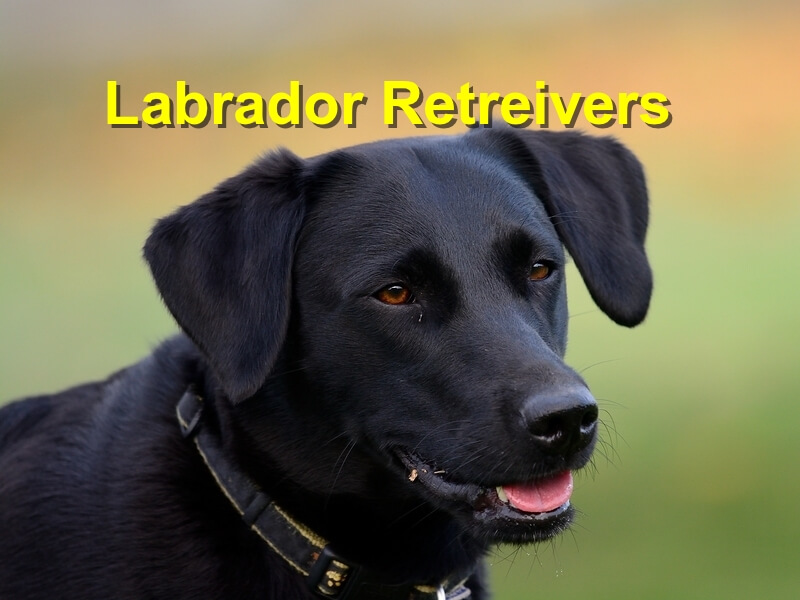
    Bred to endure icy temperatures, Labradors are tireless swimmers and can withstand freezing water than other breeds, which make them ideal for retrieving downed waterfowl when hunting. They have short and dense coats that can be yellow, chocolate and black.

    Labradors play an extensive role including water rescue, drug detection, search and rescue, tracking and hunting. Due to their pleasant personalities, labs not only make great service dogs but are also wonderful animal assisted rehabilitation dogs.

    Where do they come from?

    Labradors originated in Newfoundland. After the Europeans settled in Newfoundland in the 16th century, they first developed the lesser Newfoundland or St. John’s Dog. The dogs were primarily used to retrieve fishermen’s nets. As more settlers arrived, St. John’s water dog was bred with Mastiffs from Portugal and become the first retriever.

    Are they friendly?

    Gentle, playful, loving, kind and hardworking, labs have the best personalities as compared to other dog breeds. They are soft-mouthed and can use their mouths to carry a raw egg without breaking it. These positive traits make labs ideal family dogs as they provide loyal friendship to children and adults.

    Is this breed the perfect fit for you?

    Lab retrievers need plenty of exercise to ensure they remain in good physical condition. Thirty minutes of moderate to vigorous exercise, either swimming, fetching, running or play will work wonders. You can spend at least 10 minutes a day playing with your lab as this offers enough mental stimulation. Although generally quiet, labs often turn to excessive barking when they stay inactive for a long time.

    Grooming essentials

    Labradors require ear cleaning and an occasional nail trim. Additionally, you need to brush their coat at least twice a week.

    Health issues

    Lab retrievers are overbred due to their popularity and this has led them to being predisposed to genetic health complications. Common health problems that affect labs are luxating patellas, osteoarthritis, osteoarthritis and elbow dysplasia.

    Can you adopt one?

    You will find different types of cats at the shelter, from seniors to kittens, long-haired to short-haired, all colors and sizes. However, if you want an exotic breed, you can research online for cat-specific shelters to find a new friend.

    Conclusion

    You need to visit the vet if you are considering breeding your lab. A vet can also advice you on the best diet for your Lab Retriever.

    References: Petful, Akc, Hillspet

  • Be the Pack Leader

    Be the Pack Leader

    Be the Pack Leader

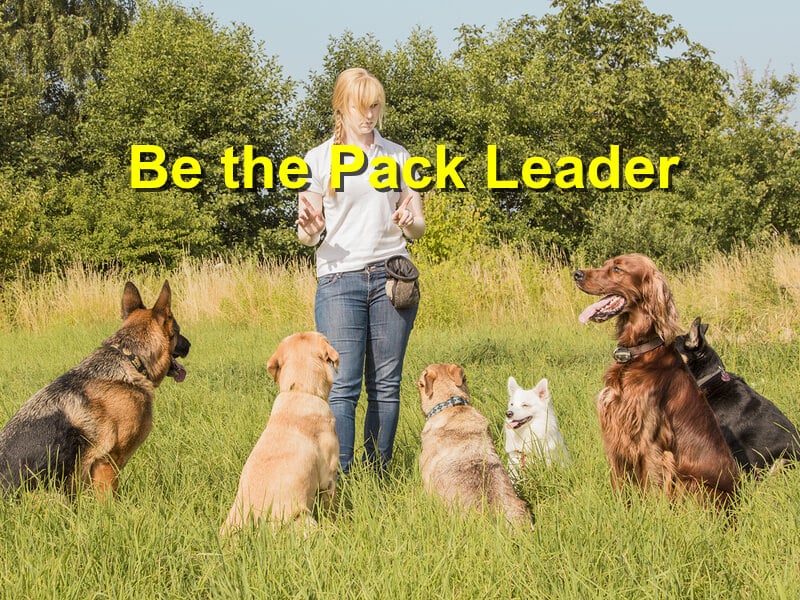
    The only way you can ever have a well-balanced pack is when there is a strong and confident pack leader. That pack leader is any human in your family, right from the old to young children. To attain this leadership position, it is essential that your dog understands who is in charge of them.  However, you cannot achieve that with only words, but you must communicate in ways that the dogs will understand. Here are some tips to help you be the pack leader.

    Have a Calm and Assertive Energy

    Most animals communicate using body language and energy. That is the reason squirrels can easily perceive that dogs are a threat. It is also how various animals across different species interact and live together. Having negative or weak energy when you’re around your dogs is similar to mumbling. You must have calm and assertive energy to have a better chance of appropriately communicating with your dogs.

    Set the House Rules

    When you don’t give your dog instructions or rules to live by, they can get confused or anxious. Some dogs will even start misbehaving and testing your limits to see what is permitted. That is the reason for setting boundaries, limitations and creating and enforcing rules is critical.

    The rules will determine the dog’s behavior at home. For instance, it could be something simple as where the dogs should stay when you’re eating and also whether or not they should sit on your furniture. The boundaries also help the dog understand where they must not go, like outside when not invited. The limitations then determine how intensely or how long dogs can perform a specific activity.

    Consistency is Critical

    Dogs learn through linking the cause of doing a specific action and its effect. For instance, when the dogs touch your hand with their paws, they receive a treat. Making these significant associations is one of the skills they use to survive. Make sure you are consistent with all causes and effects regardless of whether you are at home or outside in the park. That way, the dog will understand what you mean.

    Conclusion

    Besides providing direction and protection with consistent rules, you should also ensure that you’re fulfilling your dog’s needs for exercise, affection and discipline. Dogs aren’t so complicated after all. By following these tips, you will provide better leadership to your dogs and earn loyalty and love in return.

    References: Cesar’s Way, Cesar’s Way, Cesar’s Way

    Copyright: Local Value

  • National Mutt Day is July 31st

    National Mutt Day is July 31st

    National Mutt Day is July 31st

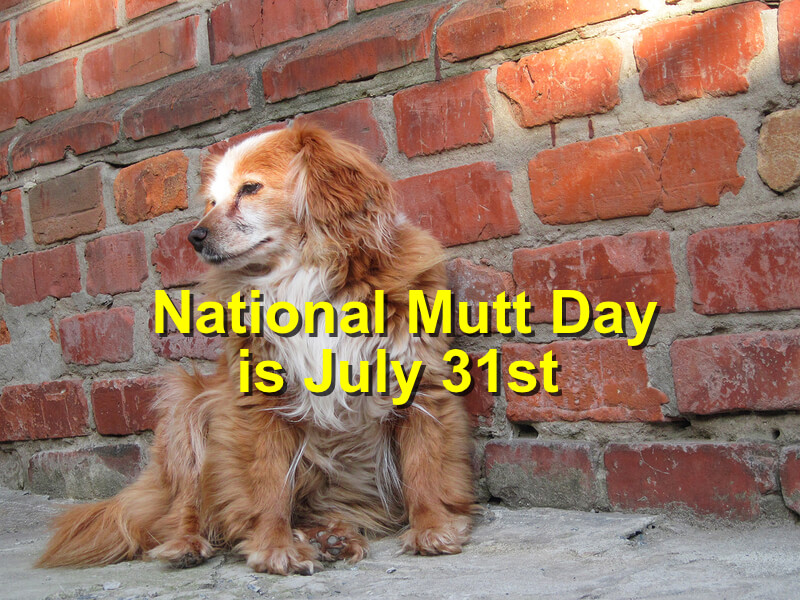
    Dog owners have a reason to celebrate, and there are lots of national holidays set aside to prove it. National Mutt day on July 31st for instance, focuses on mixed dog breeds that are often unappreciated. This day inspires and encourages people to consider adopting a canine companion. National Mutt Day encourages us to adopt the many mixed breed canines looking for a place to call home.

    Consider adopting a mixed dog breed

    Adopting a mixed dog breed can be a good thing as there are plenty of great mixed breeds who lack decent shelter just because they are not purebred. While this is certainly a big responsibility to take, a mixed dog breed will be happier, healthier and will be generally better behaved than a pedigree.

    Donate essentials at the local shelter

    If you are not comfortable adopting a mutt for personal reasons, you can donate to your local shelter. The money will help to buy things like toys, medicine and food. Your contribution can help make a difference in providing comfort for all the mixed breeds out there.

    They have better health

    These dog breeds have better health. Unlike pedigrees, these dogs have a perfect gene sequence, and this helps them fight deficiencies. Your mutt will have a great sampling of genes, improving the dog’s well-being, and overall lifespan.

    Mutts need companionship, too

    This breed often ends up living at the shelter, and they usually stay longer before finding an owner. But mixed dogs also need care as their cousins, the purebred. National Mutt Day celebrates their uniqueness and encourages people to give them the attention they deserve.

    Mutts have a great personality

    Whether you got your mutt at the shelter or from a local breeder, they demonstrate genuine affection. While mixed breed canines aren’t as popular as their pedigree cousins, they have pure love. People even argue that most Mutts love us more since they spend most of their time at the shelter.

    Volunteer at the local shelter

    You can volunteer at the local shelter and spend time with the dogs. Playing with them and taking them for walks can help uplift their spirits, which in turn increases their chances of getting adopted.

    Conclusion

    If you’re are shopping for a mutt, you need to do your research. A visit to your local vet can help you identify ways of keeping your mutt healthy and in the best shape.

    References: nationaltoday, dogtimedogtime

    Copyright: Local Value