Category: Pet

  • Vaccinations

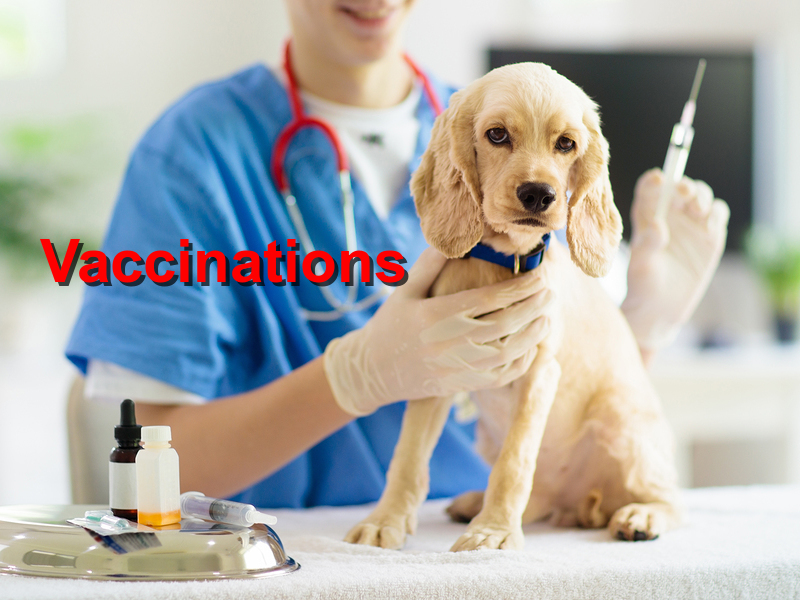
    Vaccinations

    Pet Vaccinations: All the FAQs answered

    Just like in humans, vaccines are of utmost importance to your pet health and protect it from dangerous bacterial and viral diseases.

    Unfortunately, as pet owners, we do not recognize the need to keep our pets’ health safe through vaccinations. Much of the blame lies in the little knowledge of how much little is known about vaccines.

    Do I need to vaccinate my pet(s)?

    While vaccination is the number one reason you would want to prevent your pet’s fatality, it’s not the only reason.

    Here are the reasons we find vaccines are necessary for your pets.

    • State and local laws

    There are mandatory laws in the United States that need pets to get a variety of core and non-core vaccines. For example, some states need all dogs to get rabies vaccines, even for traveling.

    • Protect your health

    A lousy incident such as a dog bite may end up with you having rabies, which is a common transmittable yet fatal disease. So, to reduce the chance of infection, vaccines can reduce the risk of an animal to human transmission of zoonotic diseases.

    • Saves costs

    As much as vaccines are essential, they are much more preventative than curative. That means they help fight potential illnesses such as rabies, parvovirus before even they happen. As a result, this can help you save a lot when it comes to your pet’s health budget and treatments.

    • Protect other pets

    Sadly, animal to human infection is not the only danger with unvaccinated pets. There is also the chance that the zoonotic disease can jump on other pets through contact with the sick pet. To prevent such a scenario, getting all the pets vaccinated ensures there are no diseases to be passed from your cat to dog or vice versa.

    Are there any dangers of working with pet vaccines?

    Sadly, it’s not all gloom with vaccines since research shows there are potential adverse side-effects that could happen. Reports of adverse reactions point to effects such as:

    • Vomiting
    • Diarrhea
    • Loss of consciousness, collapse
    • Pain
    • Lethargy
    • Fever
    • Cough
    • Lack of efficacy
    • Neurological disorders

    As such, there are a variety of risk factors to consider before getting pet vaccination. The best advice we can offer to get your veterinarian to establish a vaccination program tailored for your pet. It will help deliver the best preventive health care unique to your pet’s protection.

    Reference: AAEP, cdc.gov, AAHA, ncbi.nlm.nih.gov, ncbi.nlm.nih.gov

    Copyright: Local Value

  • Heartworm Disease

    Heartworm Disease

    How To Treat Heartworm Disease

    Heartworm disease is caused by a poisonous parasitic that often infects cats, ferrets and dogs. It is also known to infect different types of wild animals, like sea lions, lions, pumas, tigers, wolves, cayotes and foxes. While they can cause human infection, it is rare and they don’t usually exhibit symptoms of illness.

    Transmission of heartworm disease

    Heartworm disease is usually transmitted between animals by mosquitoes. After mosquitos bite an infected household pet, young heartworms known as microfilariae easily enter the mosquito’s internal system. And within two weeks, microfilariae then develops into larvae inside the mosquito’s body, and the larvae is transmitted to other animals through mosquito bites. 

    The larvae will mature into an adult heartworm after six months. After three months of infection, the larvae slowly migrates inside the animal’s body and eventually reaches the lung. In the preceding months, these immature heartworms develop and become adults. These warms destroy the lung’s blood vessels, interferes with the heart function, resulting in lung and heart disease.

    Where can you find heartworms?

    As mentioned earlier, all cats and dogs are vulnerable to get heartworm infection. Heartworms disease is a real threat in all states and can affect all household pets, regardless of sex, age, or environment. Both outdoor and indoor cats are vulnerable to this disease. If you want to travel to another state with your pets, consult your vet to know the potential risks of heartworm disease.

    Why you should test household pets for heartworm?

    Since heartworms are generally spread by infectious mosquitoes, it is important to test any household pet that has been exposed to mosquitoes. Remember that indoor pets are also at risk as mosquito are found in homes.

    Symptoms of heartworm disease?

    If your dog has been infected with this disease, you may not see any symptoms of illness in the first few weeks. But as the illness progresses in the lungs, the dog might cough, loose appetitive, experience difficulty breathing, and become lethargic. Your dogs might easily tire fast after moderate exercise. On the other hand, cats that have heartworm disease will exhibit symptoms like vomiting, coughing and respiratory distress. 

    Treatment

    Heartworm is a life-threatening illness and earlier detection is the best way to administer appropriate treatment. With earlier detection, the higher chances your pets have for faster recovery and less complications.

    Conclusion

    If you suspect your cats or dogs have heartworm disease, you should consult a vet immediately to prevent the illness from worsening.

    References: AVMA, Webmd, VCA Hospitals

    Copyright: Local Value

  • Pet Valentines Day

    Pet Valentines Day

    4 Simple Ways To Have An Amazing Valentine’s Day With Your Pet

    As you prepare to enjoy Valentine’s day with your loved one, remember that your pets also love you unconditionally. With all the boxes of delicious chocolate lying around, and the bouquets of beautiful roses, your pets are your biggest fan. You should try and make this day a special day for them, too. 

    While chocolate is certainly unhealthy for your flurry friends, there are simple ways to ensure your pets enjoy this day. Here are creative ways to show your pets that you care on this special day.

    1. Find an activity they enjoy doing

    For example, if your dog really get’s a kick out of running laps around the park, spend time with them at the park. But if your pets enjoy long walks, wear a comfortable pair of shoe and go for a walk. You can also play with your cats outdoors.

    Whatever you decide to do, it is important to always get them involved. Forget about the work projects you have to complete or the best gift you still have to get for your loved one. Just enjoy spending quality time with your pet.

    2. Get them a delicious treat

    If you are out shopping for a delicious treat for your furry friend, avoid candy as it is unhealthy for pets. Fortunately, there are many pet bakeries you can depend on to get delicious treats that cater to your pet’s dietary restrictions. Alternatively, you can get instructions online on how to make your own cupcakes or muffins for your furry friends.

    3. Buy them a toy

    As kids are usually excited to visit their favorite toy store, your furry friends are not any different. Some stores like Petsmart and Petco allow dog owners to shop with their pets provided they have a leash. Allow your dogs to freely explore the shelves as they choose the best toy. They will definitely look forward to take it home so that they can start playing.

    4. Consider arranging a play date

    Remember that valentine’s day is the best time to show love to those around you. You can arrange an interactive play date with your furry friends and they can play with their own species. A puppy play date will definitely lift their spirits in ways you could have never imagined.

    Conclusion

    If your furry friends accidentally consume chocolate as you celebrate this special day, it is important to visit the vet as soon as possible.

    References: Wide open pets, ASPCA,Pet poison help line

    Copyright: Local Value

  • Pet Dental Month

    Pet Dental Month

    Importance Of The Pet Dental Month

    While most pet owners usually understand the benefits of having a regular exercise and grooming routine for their pets, dental care may be overlooked. It is therefore important to take proper measures to improve your pet’s overall oral hygiene. Remember that your pets overall health might easily be affected by poor oral health.

    Similar to people, dental diseases often affect pets at one point in time in their lifetime. In fact, dental disease often lead to serious consequences when left untreated. While pets aren’t generally expected to have a fresh breath, a foul odor is a sign that your pet have a serious dental problem.

    Common symptoms of oral disease in pets

    Often, stinking breath is an indicator that your pet has an oral disease. Other common symptoms of oral disease might include inflamed gums, loose teeth, and excessive drooling. After reaching about three years, most cats and dogs usually have periodontal disease. However, most pet owners are not normally aware of this disease.

    Periodontal disease in pets can cause inflammation, infection, oral pain, and can easily lead to the onset of other health complications. It can affect the quality of life for your pets. After your pets get proper dental check up on a regular basis, you will realize that they become active and happier.

    Importance of dental care for cats and dogs

    Dental care is important for cats and dogs to enhance their quality of life. For that reason, veterinary practitioners are working tirelessly in the ever changing field of oral dentistry so that pet owners understand that:

    • It is possible to prevent the onset of periodontal disease through quality home care and regular dental examinations.
    • When left untreated, gum disease can cause untold suffering and pain to your dog.

    As mentioned earlier, it is important to ensure your pets receive regular dental exams. More importantly, you need to revisit analgesic and anesthetic strategies, and observe proper general anesthesia correctly and safely. 

    Vets need to familiarize themselves with the correct steps that need to be observed before and after the dental procedures. Additionally, they need to be confident that the treatment recommendations that they provide are sound and ethical.

    Conclusion
    To promote the general wellbeing of your pets oral hygiene, it is important to take your pets to the vet for regular checkup. Proper oral healthcare is essential to keep periodontal disease at bay.

    References: AAHA, Modern dog magazine,Willows

    Copyright: Local Value

  • Lyme Disease

    Lyme Disease

    Lyme disease

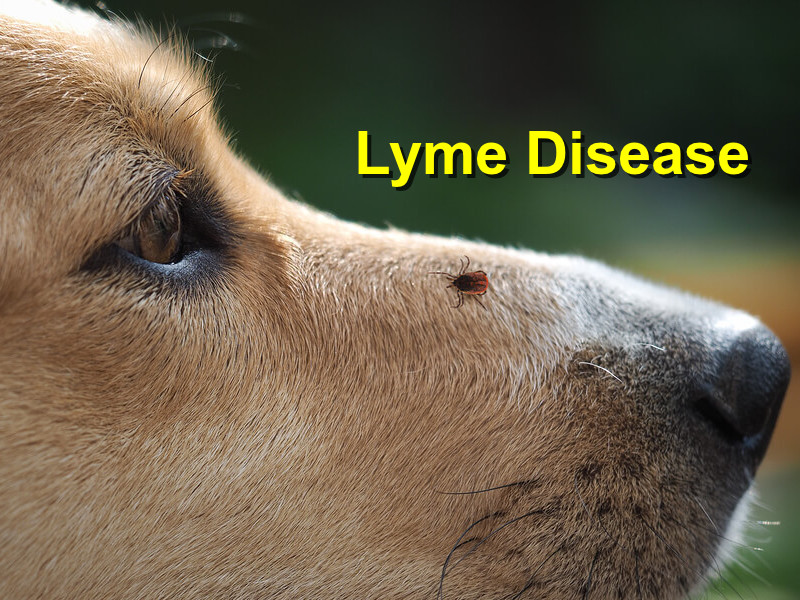
    Lyme disease, commonly known as zoonotic illness usually affects both humans and animals. It is currently the most prevalent vector-borne disease in the United States. The disease is often transmitted by ticks, and the illness is quite hard to detect not to mention the fact that it can cause recurring and serious health problems. So, it is important to take appropriate measures to prevent possible infection from tick bites. 

    How the disease is transmitted 

    The bacteria responsible for Lyme disease –  a spiral-shaped worm like bacteria is primarily transmitted by the deer tick. And in most cases, you can easily find deer ticks in wooded, grassy, marshy areas and in forests. Animals or people might be bitten by these deer ticks when enjoying outdoor activities like camping or hiking. For that reason, it is important to prevent possible infection by vaccinating your dogs against this disease.

    As mentioned earlier, Lyme disease is quite a common illness and this means that all laboratories and health care providers that treat cases of this disease should report them to their local health departments.

    How you can prevent this illness

    An effective way to ensure you protect your dog from Lyme illness is by taking preventive measures that reduce their chance of contracting the illness. Remember that this disease can also spread during summer and that people and pets are more likely to get infected with tick-borne illness like Lyme disease, as well as other diseases like ehrlichiosis, Rocky Mountain Spotted Fever, or anaplasmosis.

    It is therefore important that people with household pets should:

    Ensure they use effective tick suppressant products. You can consult your vet to advice you on the most appropriate tick preventative product that is appropriate for your pet.

    You can also work with the vet to determine if it’s important to vaccinate your pets against the prevalent Lyme disease. Generally, your vet’s advice might depend on your location, as well as your pets overall health and everyday lifestyle. 

    If possible, you should avoid all areas that you may find ticks. Such areas include marshes, wooded areas and tall grasses.

    Check your animals for ticks once indoors. It is also important to ensure you aren’t carrying any ticks on your clothing either.

    It is also important to clear out shrubbery in your compound and keep your lawns properly maintained.

    Conclusion

    It’s important to ensure you follow your vet’s advice after your pet has been diagnosed and treated for Lyme disease. The vet can recommend further testing or evaluation if need be.

    References: AVMA, Healthline, Webmd

    Copyright: Local Value

  • Holiday Safety For Your Pets

    Holiday Safety For Your Pets

    Holiday Safety for Your Pets

    While you prepare to celebrate the holidays with friends and family, you can’t forget your furry companions. If you plan to have a Christmas tree or light your Christmas decorations, you should keep a watchful eye on your pets during the holiday to prevent accidents.

    1. Allow them to enjoy their alone time

    Your home will get busy during the holiday, with friends and family exchanging food and gifts, so you should remember that strangers can easily stress your pets. Besides dealing with strangers, your pets also have to navigate through the holiday decorations that seem to invade their living area.

    Whether your pets are sociable or not, they can easily become anxious or overexcited when your home has a stream of guests. You can keep them in one of the rooms so that they can enjoy their alone time away from the strangers. The garage is a safe place where they can escape from all the activities happening around your home. For cats, you can store them in a cardboard box.

    1. Keep holiday decorations away from their reach

    Remember that holiday decorations are likely to pose a threat to your pets. Lightening decorations can potentially break inside your cat’s or dog’s mouth when they ingest it. On the other hand, chew-happy pets can easily get electrocuted, and ornaments fallen from the tree, can cut the pets feet. As an alternative, you can use plastic bulbs and place decorations at the top of the Christmas tree where pets can’t reach.

    Since most ornaments are small enough, they might pose choking hazards and may lead to internal damage if swallowed. For that reason, you should keep a watchful eye on your pets as they play around the Christmas displays.

    1. Keep them away from holiday goodies and treats

    One common thing that is abundant during the holidays is food. Your pets will want to get their fair share of the delicacies. However, most human treats are not good for pets. For instance, chocolate can damage your dog’s digestive system, as well as cookies, candies and other artificial treats. Fatty trimmings, grapes, onions and cage are dangerous for pets as well. 

    1. Don’t allow your pets to drink the water tree

    As cats are notoriously curious, they will want to taste the sparkling water on the corner of the Christmas tree. The water found in a tree stand can be harmful for pets as it is infested with toxic bacteria that can cause your pets to become ill. You can cover the tree stand when you are out running errands so that pets don’t drink water from the stand.

    Conclusion

    If you suspect your dog has ingested something toxic during the holiday, you should visit your veterinarian immediately.

    References: The dodo, AVMA, Petmd

    Copyright: Local Value


  • Thanksgiving And Your Pet

    Thanksgiving And Your Pet

    How to Keep Your Pet Safe During Thanksgiving

    While thanksgiving is always welcome in our homes to brings together friends and family, it can pose a hazard for pets. The first thing you should do to ensure your pets are safe is to keep all holiday foods away. Follow these useful tips to ensure your pets are safe and healthy during thanksgiving.

    Poison risk

    Fatty foods can cause health problems for your pets as they are difficult for them to ingest. On the other hand, holiday sweets may contain ingredients that can harm your pets. 

    Store fatty foods away from pets

    Always keep the turkey away from pets because ingesting a small quantity can lead to a disease known as pancreatitis. Onions, grapes and raisins are also poisonous to household pets. If you feel generous during thanksgiving and want to offer your pet a treat, buy them something that they can enjoy without affecting their health.

    Store desserts in the fridge

    Chocolate might be poisonous for pets as they contain an active ingredient known as xylitol. Yeast products like cakes can cause painful bloating in pets. To ensure you are on the safe side, you should keep the trash hidden away from pets. A piece of turkey left in the trash bin that is easily accessible to pets could be poisonous to pets if they consume it. Dispose of bones and carcasses in a tightly closed trash bin.

    Be cautious with decorative holiday plants

    Remember that some festive flowers can be harmful to pets. Some of these plants include hydrangeas, Sweet William, Baby’s breath, and amaryllis to mention a few. The best way to avoid problems is to keep the pets locked away in a room away from holiday decorations.

    Keep them in a crate or find an extra room

    Thanksgiving means you will host many visitors, and the noise levels may be quite high. Some pets may feel excited or shy when they are around strangers. If your pets are nervous when strangers are present, you can put them in a crate or have them stay in another room. You can distract them with their favorite toy to ensure they don’t suffer from emotional stress.

    Use microchips and identification tags

    Ensure your pet has proper identification tags with updated contact information. That way, when they sneak out in the wild night, they can be returned safely to you. 

    Conclusion

    Remember that speedy action can help save lives. When your pet accidentally swallows something poisonous, you need to consult your local vet immediately.

    References: AVMA, People.com, HSLM

    copyright: Local Value

  • Pet Ownership Rising

    Pet Ownership Rising

    According to Latest Studies – Pet Ownership Rising 

    There is a significant rise in pet ownership across the US. Dogs make up the highest percentage of pets while huge gains are being seen across less conventional pets such as lizards and poultry. These results were showcased in after recent studies into pet ownership by the AVMA. The comprehensive AVMA report is a critical source of data for pet practices and also for driving conversations regarding the essential need for veterinarians in the country.

    The Pet Ownership Numbers in Detail

    The numbers show that nearly 57% of all American households owned pets in 2016, with cats and dogs being the most common choices of pets. Most significantly, the dog ownership rate was at its highest level ever since the first AVMA study in 1982. Dogs accounted for 38% of the pets in households across the nation, while cats followed closely behind at 25%.

    The data also shows that other exotic kinds of pets were becoming more popular in the country. More households now own specialty pets like rabbits, gerbils, ferrets, fish, snakes, livestock, poultry, lizards, guinea pigs, hamsters, and others. Over 13% of America households had an exotic pet in 2016, representing a significant 25% rise from 2011. Furthermore, poultry pet ownership climbed by 23% over the last five years.

    Which States Had the Most Pets?

    The ownership of pets was found to be highest in predominantly rural states, while urban states had the least percentages. The top ten states with a high rate of American households with pets were the following:

    •    65%: Colorado
    •    65%: Oklahoma
    •    65: Mississippi
    •    69%: Arkansas
    •    69%: Indiana
    •    70%: Idaho
    •    70%: Vermont
    •    70%: Nebraska
    •    71%: West Virginia
    •    72%: Wyoming

    Which States Had the Least Pets?

    Here are the ten states that had the least percentage of households that owned pets:

    •    52%: New Hampshire
    •    51%: Georgia
    •    50%: Connecticut
    •    50%: New York
    •    49%: Massachusetts
    •    49%: Illinois
    •    49%: Maryland
    •    47%: New Jersey
    •    46%: South Dakota
    •    45%: Rhode Island

    Data about Veterinarian Visits

    The AVMA report also considers veterinarian visits, their occurrences, and critical circumstances. The survey results showed that those who owned dogs were the most likely people to get veterinary assistance as compared to other pet owners. In 2016, an average of three visits was made by dog-owning clients whereas cat owners came behind with 2.4 trips.

    Conclusion

    As mentioned earlier, this AVMA report is an informative and fascinating document that showcases the pet ownership sector in the country. By examining and evaluating these trends, veterinarians and pet owners can be able to safeguard the welfare and health of all pets.

    References: AVMAPet Product News

    Copyright: Local Value