Category: Cat

  • Can Pets Spread Covid-19

    Can Pets Spread Covid-19

    Can Pets Spread Covid-19? A Comprehensive Outlook 

    We are the middle of a health crisis, and as expected, there are loads of misinformation and half-truths floating around. One of them touches on the issue, myth and belief that pets spread covid-19 which is yet to be wholly debunked. While there have been reports of a few cats and dogs becoming infected and testing positive for the novel virus, most of us are still in the dark on whether or not we are a risk of catching the virus from our pets. 

    There’s no Hard Evidence that Pets Spread Covid-19

    According to the World Health Organization (WHO), the current transmission of the coronavirus flu is as a result of human-to-human spread. To date, there is no clear and tangible medical evidence to suggest that our companion animals can act as a vector of the virus thereby acting as an important medium in the transmission and spread of the virus. For this reason, there’s no justification whatsoever for taking strict quarantine measures against our furry friends that could compromise their healthiness and welfare. 

    Wash your Hands After and Before Petting your Furry Companions

    While certain fungi and bacteria are known to inhabit the hair, skin and fur of common domestic animals, there is no hard evidence that the pathogen responsible for Covid-19 illness can be spread by touching or petting your pet’s hair.  Granted, however, it is still a recommended practice to wash your hands thoroughly after snuggling, petting, playing or touching your favorite pet – there could be other germs or bacteria lurking in the shadows. 

    It is Still Safe and Actually Advisable to Adopt Shelter Animals

    Since there is no tangible evidence from any recognized institutions that shelter pets spread Covid-19, you shouldn’t shy away from fostering or adopting a pet from a home. What’s more, considering how times have been hard financially in the aftermath of the virus, a lot of shelters are desperately looking for adopters and fosters who can ease the burden off their backs and give the poor animals a chance at having a warm and loving family. 

    It’s a win-win situation if you look at it; the shelter will have one less animal to worry about while you will have a new furry companion to interact with during this lockdown period when you can hardly venture outside. 

  • Hairballs in Cats

    Hairballs in Cats

    Hairballs in Kitties: What you need to Know

    Although hairballs are not exactly normal, they are pretty commonplace to the extent that most pet owners have grown so accustomed to them, especially if they own a long-haired species.  However, trichobezoars – another name for hairballs – are a sign of many underlying no-so-good issues. 

    But what is a hairball?

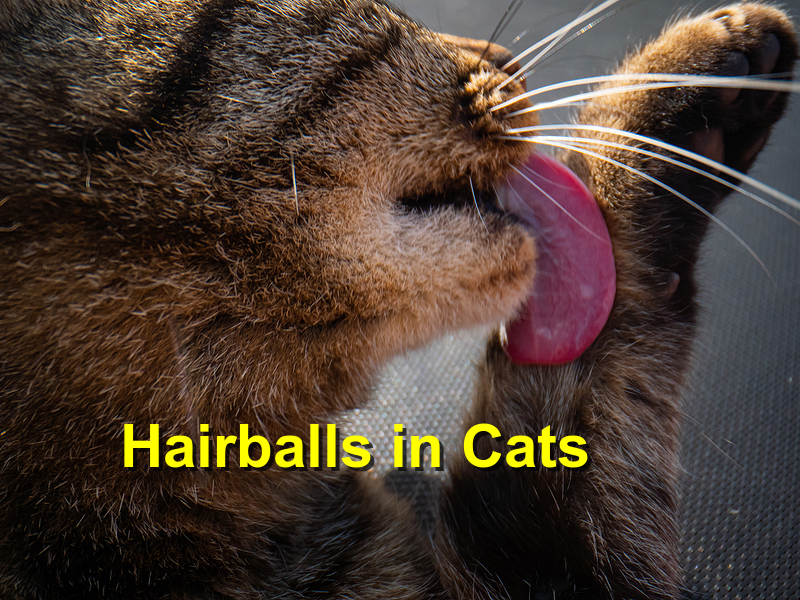
    You see, cats love to groom themselves every now and then. This shouldn’t be a problem except for the fact they have relatively rough and spiky tongues compared to ours. In the course of their self-grooming regimen, these barbs will remove and collect loose fur which they could accidentally swallow. Now, if the cat’s gastrointestinal system is working as it should, the hair swallowed inadvertently should pass through the intestines and the stomach and excreted as stool. 

    Nonetheless, if there is another grooming or underlying health issue at play, the hair ordinarily lumps together in the stomach instead of being passed along. The cat will then bring it up as a hairball in a characteristic retch or cough. On observation, the fanfare involved in churning out the hairball has led to many cat owners just dismissing it the vomiting or chocking up as being ‘merely a hairball’, which is hardly the case. 

    Treatment Options

    When it comes to correcting hairball disorders in cats, the best approach is one that is aimed at addressing the underlying reason for this anomaly. While occasional hairball vomiting or coughing up is not a reason of concern particularly among long-haired cat breeds, at times it can be a sign of a serious problem lurking behind the shadows. And this is especially if your cat gets into the habit of bringing up hairballs ever so often than they normally would. 

    Begin with a thorough physical exam with the supervision of a trained veterinarian to assess your pet’s overall health. Based on the results of this examination, the vet may be in a position to recommend a set of further diagnosis to ascertain the cause of the aggressive grooming which could be an allergy, skin infection, stress triggers or change of the environment. Further, urine and blood testing could also be recommended to evaluate the status of the cat’s major organs and blood cells. 

  • Do Cats Love Their Owner

    Do Cats Love Their Owner

    Do felines love their Owners: Research reveals more

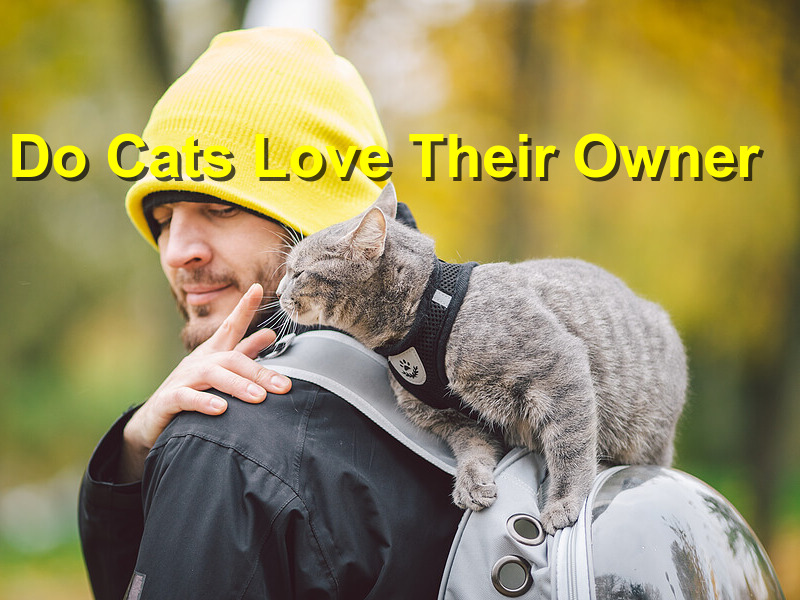
    Cats are independent creatures and often seek attention when they are lonely and need petting. While most people assume that cats are indifferent to humans and lead a solitary life, this is far from the truth. Researchers recently did a study to examine the bonds between humans and cats. They found that felines have the same attachment to humans the same way dogs and children do.

    How researchers tested cat bonding

    To accomplish the study researchers placed different feline subjects in a strange room for 5 minutes with their owner. The cats were left alone for 2 minutes, and later the caregiver joined them for two more minutes.

    Experts examined the cat’s behavior in all the different scenarios, specifically when they were reunited with the owner. They classified the cats into different kinds of attachment.

    Here is the breakdown of the common attachment styles:

    Disorganized: The cat switches from clinging to their owner to avoiding the owner altogether.

    Avoidant: Cats avoid their owners and stay isolated at the corner of the room.

    Ambivalent: Cats cling tightly to their owners when reunited.

    Securely attached: Cats explore the room carefully and look for attention from their owners.

    Results of the study

    To comprehensively explain the study, cats with secure attachment experienced a low-stress response with the caregiver during the caregiver’s absence and subsequent return. This response is known as the Secure Base Effect. On the other hand, cats who experienced an insecure attachment were stressed and often engaged in excessive ambivalent attachment or proximity-seeking behaviors.

    Researchers did the study above on kittens as well – aged 4-8 months – and on full-grown felines. The studies explain that cats are believed to form insecure and secure attachments toward their caregivers as children and dogs do.

    Just as children are attached to their caregivers, cats also exhibit such behavior to their respective caregiver. Cat attachment is relatively stable and also becomes normal in adulthood. So, forget the misconception that all cats have an independent nature. Cats are attached to humans, and they enjoy constant petting.

    Conclusion

    If you notice your furry friend is withdrawn, sleepy, or hides throughout the day, then you should visit the vet to determine whether your cat has an underlying health problem. Remember that cats are playful and adventurous creatures. Any behavior contrary to the norm is an issue of concern to the caregiver.

    References: Petmd, Pet Finder, The Spruce Pets

    Copyright: Local Value

  • Why do cats hide?

    Why do cats hide?

    Why Do Cats Hide?

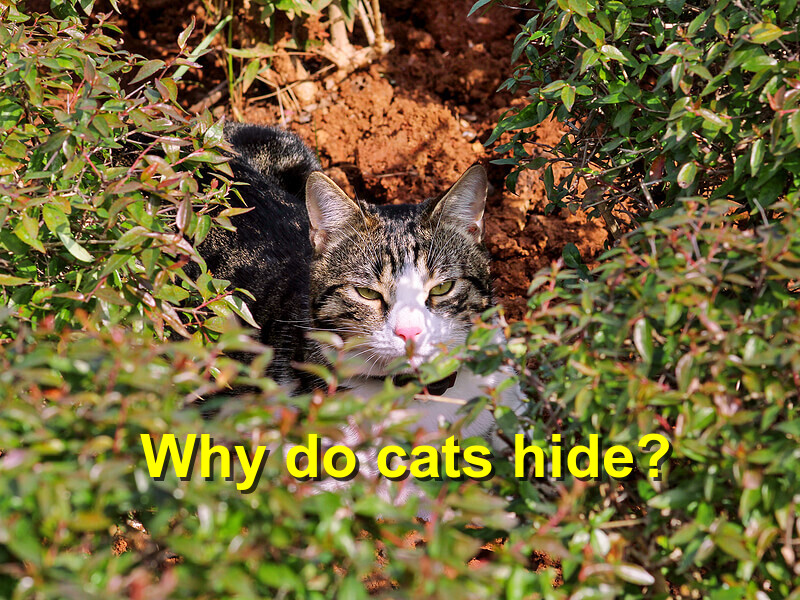
    Did you recently call your cat and noticed it popped out from a hiding spot? Maybe you couldn’t locate where your cat had hidden. Cats enjoy hiding both outdoors and indoors, but why does this happen.

    Kittens aren’t very social

    While cats are social creatures, sometimes they enjoy lonesome company. They might feel overwhelmed when they are around people or animals constantly. But they also need time to sleep, de-stress or groom themselves.

    Your pet loves you, especially when you feed it regularly but don’t feel offended when the cat hides from time to time. When cats are overwhelmed, scared, upset or depressed, they often choose to isolate themselves from everything and everyone. Remember that humans also act this way in certain circumstances.

    Trying out new stuff incognito

    When the cat notices something strange or is placed in a new environment, it might hide due to anxiety and fear. That allows the cat to assess the new environment carefully without too much attention. According to vets, cats feel safer when they are in hiding. And when the cat feels safe that no one is watching, it will feel comfortable to explore its surroundings to determine whether it’s safe.

    Hiding is a common reaction especially when strangers visit your home. If the cat doesn’t feel comfortable around the visitors, it will go into hiding until they leave. Even when you can spot it, the cat will only feel safe in hiding or high on your cabinet – just out of sight.

    Cats also hide when they are anxious and strangers can cause your cat to be anxious. But once the anxiety subsides, the cat will reappear slowly from hiding.

    Hiding is the cat’s natural instinct

    Domesticated cats are hunters by default and that will never change. Cats are born hunters and hunting instincts require them to hide as they wait on their prey. So, if the cat is hunting a rodent or simply playing, hiding provides a vantage point to pounce on the prey the right moment.

    Some cats even play with children this way. If they are pretend hunting, hiding helps to keep them alert and engages their natural instincts. And even when you cannot see them hunting, this doesn’t necessarily mean they aren’t stalking the pray. Cats have sensitive nose and ears and can easily pick up indications of movement with ease.

    Conclusion

    Learning why your cat hides often is key to ensure you identify when something doesn’t seem right. If your cat hides frequently than often, consult a vet to check whether the cat has an underlying health problem.

    References: Pet Emergency Education, Purina, Feline Behavior Solutions

    Copyright: Local Value

  • Your 10 year old Cat

    Your 10 year old Cat

    What to do when your cat is 10

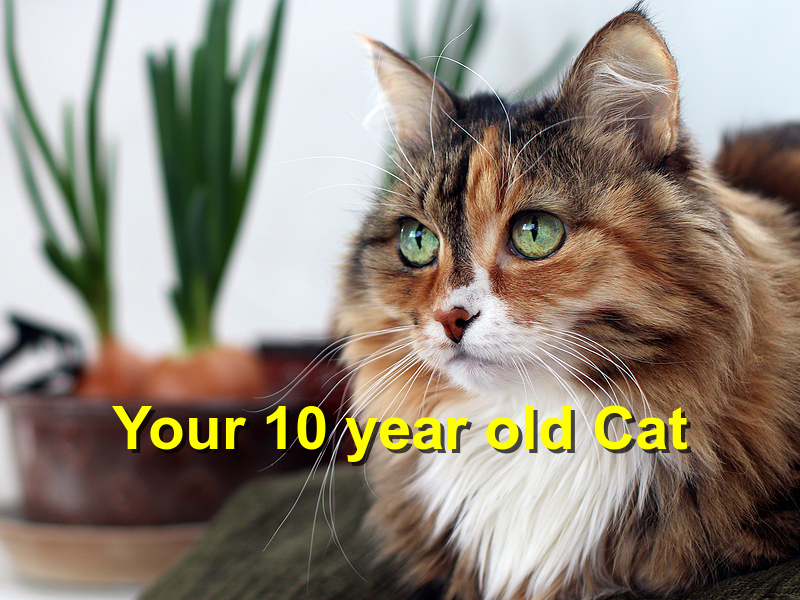
    Better cat care requires medical advances to enhance the cat’s lifespan. That includes feeding the cats special dietary meals designed for elderly cats as they enter their senior years. And similar to humans, elderly cats need adjustments when they grow old. It is important to  pay close attention to their diet, activity levels, and grooming routines. Here are ways to ensure your senior cat is living comfortably.

    Regular senior checkups 

    Cats usually become fragile when they age and their health declines if these underlying issues aren’t addressed. Therefore, to ensure your senior cat is healthy, you should visit the vet regularly for checkups. More importantly, visit the vet when you notice a behavioral change and suspect your cat is sick or has a medical complication.

    Make adjustments accordingly

    You can make small adjustments at home to adjust the limitations that affects the cat’s mobility. Here are simple modifications you can make at home;

    • Add small pet steps, stable boxes, short chairs or perches so that your cat can easily access the play areas with ease.
    • Adjust the napping spots and make them spacious and wider to prevent them from falling when napping.
    • Ensure the litter box is easily accessible. Use large, spacious boxes so that your cat has enough space in the litter box.
    • If you have a large home, place litter boxes on each floor so that your cat doesn’t have difficult accessing them.
    • Since some senior cats can lose their eyesight when they age, you can place small night-lights spread in the home to avoid then getting disoriented.
    • Also, senior cats can lose mobility and flexibility, it can become difficult to reach some spots within the home. That said, play close attention to proper grooming to keep the cat looking presentable and healthy.

    Remember to place the food bowls strategically in a place that’s easily accessible. And if there are other felines in your household, ensure you have enough food bowls. You can spice up their food by adding a bit of freeze dried meat.

    Conclusion

    As your cat grows older, you should create play sessions to keep it active and healthy. Always try to play within your cat’s limitations, especially when it grows older. Lastly, check for behavioral changes as this can indicate a health issue.

    References: Catster, Hillspet, Vetstreet


  • Cat Diabetes

    Cat Diabetes

    Diabetes in Cats – How To Identify The Symptoms And Treatment Options

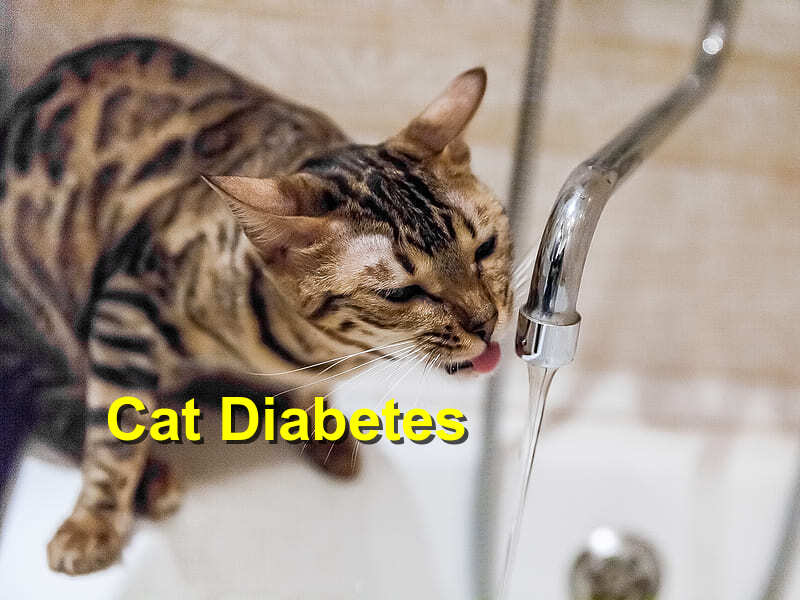
    Diabetes is a common problem that affects most cats. It often occurs when the cats has insulin defeciency, which means the blood glucose levels aren’t properly stabilized. Cats normally suffer from the two main types of diabetes. Essentially, cats that suffer from type one diabetes are unable to create enough insulin while those with type two diabetes can make enough insulin but secretion is weakened.

    What felines are more at risk of diabetes?

    While this condition can occur unannounced at any age, it normally affects middle-aged felines and these are cats that are between 7-9 years old. Studies show that males are more vulnerable to get affected. Another common risk factor is obesity and this is seen in Burmese cats.

    Symptoms to check out for

    Some of the common symptoms of diabetes in cats are weight loss, increased appetite, excessive urination and increased thirst. Most owners often complain that despite eating healthy meals, their cat still experiences weight loss. Others complain of more urine clamps in the litter box. Wobbliness or impaired walking ability by the rear legs is also a common symptom of diabetes in cats.

    Treatment options to consider

    Treatment often aims to address the aforementioned clinical signs. Low-acting medications that treat diabetes for human are also used in cats. Complete diabetic remission is achieved through medications that stabilize blood glucose levels. And fast recovery often depends on the cat’s regular diet, type of diabetic medication, and how properly the low blood sugar is stabilized.

    Diet forms an essential aspect of treatment. In fact, numerous studies now show that feeding your cat a high-protein diet is preferable. Also consider canned low-carbohydrate diets over dry meals when feeding your cat. You can get feed recommendations from your vet or simply conduct internet search on the best foods to feed your cat to alleviate the symptoms of diabetes.

    There are efficient veterinary and human insulin preparations available and they work extremely well. What’s more, monitoring the cat’s glucose levels regularly is important to offer long-term diagnosis of diabetes. But for cats that don’t get complete remission, resolving the clinical symptoms always remains the main goal. Therefore, cat owners are advised to monitors signs of excessive urination and frequent peeing when their cat is on diabetes medication.

    Conclusion

    If you suspect your cat has diabetes, you should visit the vet to receive appropriate treatment. This is important to prevent the condition from worsening.

    References: Catster, Pets.webmd, Catvettucson

    Copyright: Local Value


  • Spay or Neuter

    Spay or Neuter

    Spaying or Neutering: Is it healthy?

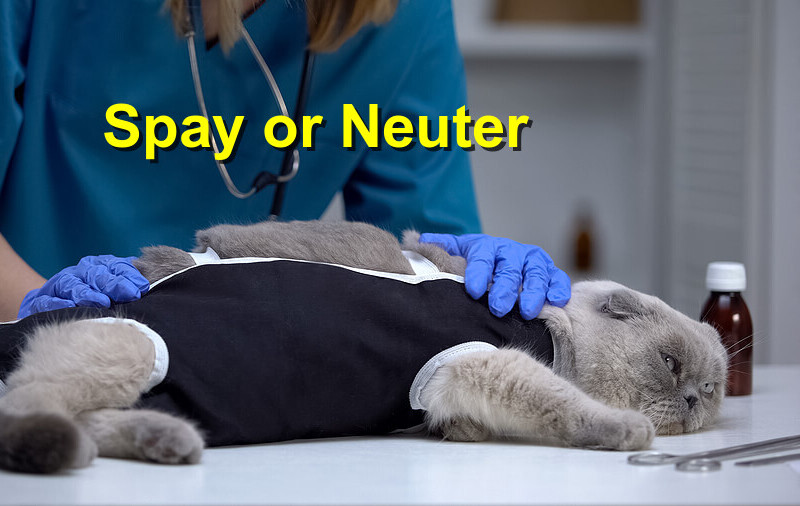
    Spaying or neutering is a medical procedure where your cat is rendered sterile. Male cats are usually sterilized through a process known as neutering. However, when females undergo a similar procedure, it is referred to as spaying.

    Prevent the onset of diseases

    Spaying a female cat before going into heat can help to reduce the risk of both ovarian and cervical cancer. Spaying removes the ovaries and this controls the hormones responsible for the development of cancerous lumps. Therefore, spaying reduces the risks of mammary cancer, too.

    Remember that some diseases can be transmitted when cats mate. For example, feline Aids and feline leukemia are common disease that can be easily spread through small bites by infected cats when they scratch other cats. By reducing the cat’s natural urge to protect its territory over mates, you also minimize their chance of contracting some of the common incurable diseases.

    Prevents fights

    Unneutered cats are naturally driven to look for mating partners and will defend their territory fiercely against any potential intruder. That means two unneutered cats living in one household can be disastrous to say the least. Unnecessary fights are likely to happen more often, especially if they spot a female feline nearby. Neutering cats hence minimize their aggressive behavior.

    Prevent roaming 

    Female cats on heat usually have an incessant urge to look for a mating partner. The cat will always escape fast enough when the door is open in the hopes of finding a partner. On the other hand, males also have a powerful mating instinct and will escape to look for a mate as well.

    Cleaner home

    Often, male cats will spray urine on surfaces to stamp their authority and mark their territory. Unneutered male cats usually emit a pungent order to alert other male cats of their presence. However, unneutered cat urine has a strong smell and this can be intolerable indoors.

    How to feed your cat after neutering

    Cats often gain weight after neutering, so you should keep your furry friend active throughout the day. Overall, there are many benefits of spaying or neutering a cat. In fact, this is the best way to ensure your cat has an optimal weight.

    Conclusion

    While this procedure can be scary for most people, spaying or neutering can be done by a vet. So, you should visit the vet if you are considering having your furry friend neutered.

    References: Hillspet, Webmd, Aspca

    Copyright: Local Value

  • Cat’s and water

    Cat’s and water

    7 Ways To Ensure Your Cat Drinks Enough Water

    Meta description: Is your furry friend drinking enough water? Learn how to ensure your cat drinks enough water and other informative tips.

    How can you tell when your cat isn’t drinking enough water? Cats are self-sufficient and most of the time we assume that they know how to stay healthy but this is not always the case. It is therefore important to ensure your cat drinks enough water to prevent dehydration. Here are simple ways on how to ensure your cat has enough water to drink.

    1. Put small ice cubes in the cat’s food

    Ice cubes help to add moisture on the cat’s food. In fact, this is the safest way to prevent dehydration by ensuring the cat has enough water to drink. Some cats enjoy drinking ice-cold water, as most humans do.

    2. Switch to wet-food diets 

    Vets recommend feeding your cat canned food as it contains more moisture. This is an effective way to prevent dehydration. But if the cat doesn’t enjoy eating wet food, simply add some water to the food and check if it will eat that. When your cat eats canned food, add broth or water to make it wetter. Most cats like the soupy texture this creates. 

    3. Keep the water bowl away from the litter box

    Your cat might avoid drinking water due to the location of the litter bowl. So, you should place the water bowl a distance away from the water bowl. 

    4. Place enough water bowls throughout the home

    Put multiple water bowls throughout the home to make it easier for your cat to drink. A cat having problems of drinking might have difficulty accessing the water bowls in question. As a suggestion, you can try placing drinking glasses around the home to entice the cat to drink more water.

    5. Use the water faucet

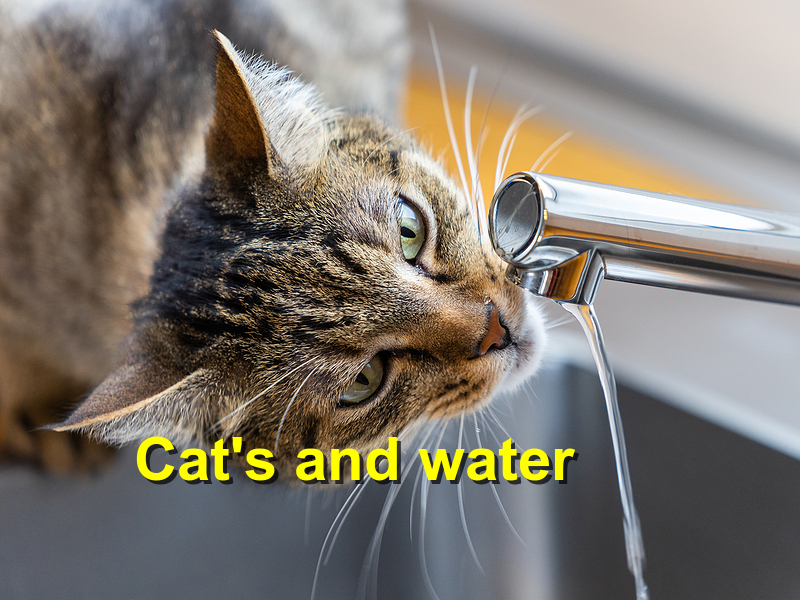
    Some cats might be attracted to running tap and this allows them to drink more water! Turning on the faucet is a fun game for your cat and this might solve the problem of not drinking enough water. Run the faucet several times a day and build a routine. Overtime, this will help your cat to drink more water.

    6. Add flavor to the drinking water

    Flavored water works amazingly well for cats that have trouble drinking water. Try to flavor the water by adding chicken broth or tuna juice.

    7. Invest in cat fountains

    While it may take quite some time to get used to it, most cats enjoy drinking water from a fountain. What’s more, fountains are attractive and will make drinking water interesting for your cat.

    Conclusion

    If you notice your cat is dehydrated and completely avoids drinking water, it is important to visit the vet immediately to get proper diagnosis.


    References: Catster, Hillspet, Webmd

    Copyright: Local Value