Category: Cat

  • Cat Sweat

    Cat Sweat

    Do Cats Sweat?

    The genealogy of domestic cats goes back to the wild cat species in the deserts of Arabia and Africa. That means that cats are originally from scorching environments. Even in the hottest summers, you will never see a cat sweating. Learn how cats keep cool here below:

    Does a Cat Sweat?

    While you might never see a cat sweating,  these furry animals have an efficient internal cooling system. Different from humans who have sweat glands throughout the body, these sweat glands in cats are located in specific hairless regions. These areas include the lips, chin, paws, and on the skin around the anus.

    Once the cat’s body temperature gets too high, these glands start sweating. As the sweat begins evaporating, it creates the cooling effect.  Stress may also cause the sweating effect, which is why you will see wet footprints in a vet clinic when a cat is being examined.

    How cats try to stay cool

    The minimal sweat glands in cats mean that that sweating alone will not be sufficient to manage high temperatures. Cats also use other methods to cool themselves, including grooming. That is why you will notice that your cat’s grooming habits will increase during the hot summer season.

    Besides grooming, cats also sleep during the hot times during the day. They will sleep through most parts of the day and only become active at night. Domestic cats like to find a cool place where they can spread their body on the cold surface for heat dissipation.

    Do Cats Pant?

    Unlike dogs, panting isn’t a regular activity for cats. Even though cats can still use panting as a way of cooling down, it is often a symptom that the cat is under too much stress or that they have underlying lung or heart diseases. If your cat starts panting, move them to a cooler area, and provide cold water. However, if the panting doesn’t stop, it could indicate heatstroke or heat stress, and you should immediately consult your vet.

    Does Excessive Sweating Signify Underlying Medical Conditions?

    In most cases, cats never sweat excessively. Nevertheless, if your cat is living in heat-regulated space and is still leaving sweaty footprints, it could point to anxiety or stress. Luckily, a certified vet or behaviorist can address these problems quickly.

    Other cat owners have noticed excessive sweat production near the mouth. In such cases, the cat isn’t sweating and is salivating excessively because of any stomach or dental problems. Cats will even drool when they are petted. However, if your cat is overly wet around the mouth, then contact your vet.

    References: PetMDIndiana public mediaPetMD

  • Nail Trimming

    Nail Trimming

    Important Pointers on How to Make Nail Trimming Less Stressful

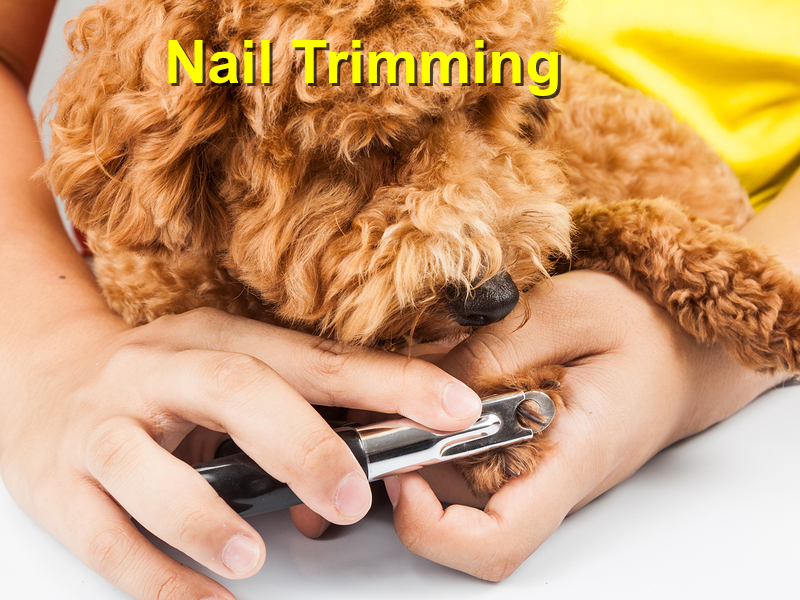
    Of all occasional tasks that pet caregivers, guardians, and owners have to perform, trimming the nails of their favorite canine friend is often the one that they look forward to the least. As you would expect, dogs do not exactly enjoy nail trimming and neither is the trimming process therapeutic.

    Fortunately, here are a few quick tips to how you can make nail trimming non-stressful

    1.  Get your Furry Friend Accustomed to Being Around Nail Clippers

    Dogs have a natural instinct of relating the sight of clippers to past trauma. Hence, it is imperative to resolve this dreadful fear of trimming clippers by reconditioning them to be comfortable around clippers. A good way of doing this is by getting into the habit of summoning your dog while in the presence of clippers. Go even an extra length and act happy as u grab these clippers while giving them a soothing rub or treating them to their favorite snack. If possible, repeat this several times for the next few weeks. Soon, the animal will gradually learn to associate the clippers with treats and praise.

    2. Train them to Allow Relaxed Paw Handling

    Another reason why some pet guardians find it impossible to trim the nails of their pet ( without them being under local anesthesia or a tranquilizing shot ) is that some pets have the tendency of going radioactive as soon as anyone handles their paws. However, you can rework this by getting them accustomed to you touching or applying gentle pressure on the paws. A good approach would be to gift them with supplemental treats and rewards whenever they allow you to handle their paws without objecting or resisting.

    3.  Sharpen the Clippers Regularly

    Dull or blunt clippers can mean excruciatingly painful and comfortable nail trimming. Make sure that the clippers are recently sharpened before attempting to use them on your pet. 

    In Conclusion

    With persistence and a little bit of patience, a majority of our furry faithful friends can accept or even gladly look forward to regular nail clipping and trimming. Nonetheless, if your dog starts to exhibit signs of extreme anxiety and fear such as excessive drooling, trembling, growling, snapping or panting when you attempt to clip their nails, it is best to consult a qualified veterinarian or experienced pet health professional. Avoid aggravating issues by trying to force or coerce them to allow you to clip their nails

  • Thin Cat

    Thin Cat

    Why Is My Cat Getting Thin?

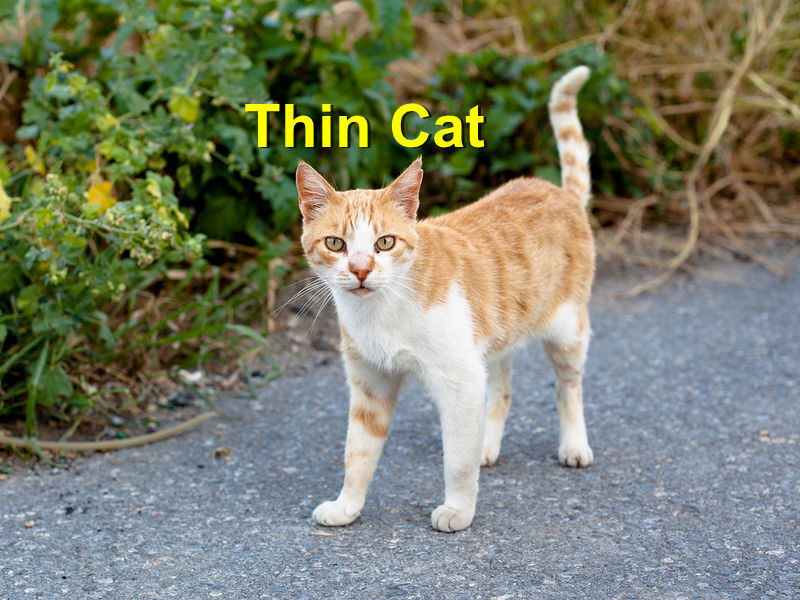
    Most cats experience the weight loss issue, especially in older cats. Determining whether your precious cat is quickly losing weight is often reliant on how the cat feels in your hand instead of the cat’s appearance. That is because the plush coat of fur can easily mask the thinness of your cat. Ensure you take note of whether your cat feels a bit bonier during petting or grooming and also if your previously hefty friend is now feeling very light when you lift her or him.

    Although your cat’s behavior and appetite may seem normal, an unexplained loss of weight is something that your veterinarian should address. Here are some of the come reasons for cat weight loss.

    Lack of Sufficient Food

    When your cat is not consuming enough calories, then weight loss will occur. A few common reasons for cutting back on food intake may include:

        Competition or distress at the eating bowl, especially when several cats are feeding simultaneously

        Painful mouth problems like dental disease or a growth

        Lack of access to the feeding bowl

        Lack of interest in the brand or type of food that you serve

        Anxiety or stress associated with a new home or a new human or pet in their lives

    Diabetes

    Diabetic cats typically seem like they are starving while in the middle of plenty of food. Despite their voracious appetite, such cats can shed weight very quickly. That is because their diabetic condition causes them to be unable to utilize or process the calories that they consume correctly.

    Gastrointestinal Issues

    Gastrointestinal diseases may prevent proper digestion and absorption of essential nutrients, which leads to weight loss. Even though many cats have tapeworms, they rarely cause weight loss. Some typical cat gastrointestinal issues include:

        Inflammatory bowel disease

        Intestinal parasites

        Pancreatitis

        Cancerous processes

    Hyperthyroidism

    Most older cats will develop the hyperthyroidism issue, where thyroid glands start producing excess amounts of thyroid hormones. Hyperthyroid cats will typically have a range of symptoms, including weight loss. The excessive levels of thyroid in the body increase the metabolic rates in the cat’s body, thus burning more calories.

    Tumor

    Some forms of malignant and benign tumors may also cause weight loss. The reason for this is that specific cancerous cells consume all the calories, which robs the cat of any nutrition.

    Organ failure

    The final reason weight loss occurs in cats is due to poorly function essential internal organs like the heart, kidneys or liver. This type of weight loss also comes because of a lack of appetite or interest in food.

    Conclusion

    If your cat is losing weight drastically, make sure your visit your veterinarian for help.

    References: Pet Health Network, E WiskersWebMD

  • Cats and Electrical Cords

    Cats and Electrical Cords

    Cats, Cord-chewing and How to Stop it

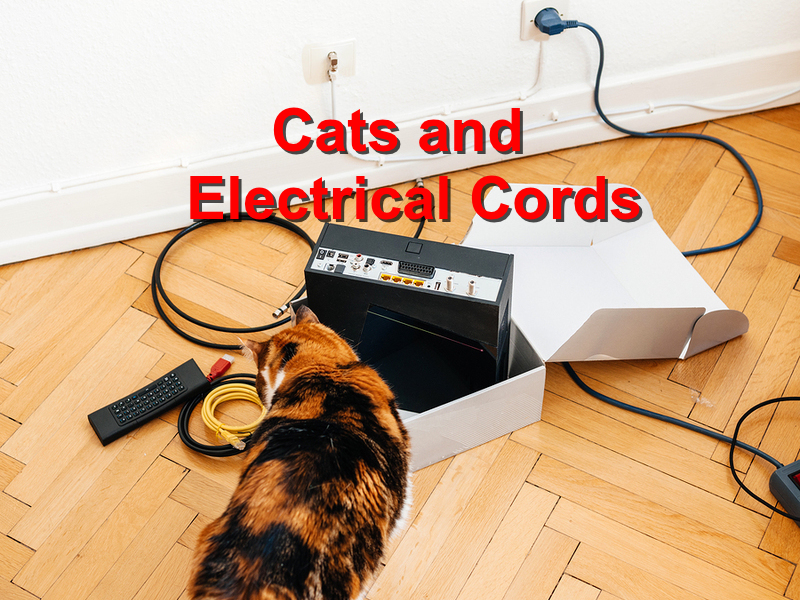
    If your feline is chewing on electrical cords, a variety of factors might be involved. For starters, it might be OCD or an issue related to the environment. Other factors such as irritation caused by a dental problem can also make your feline friend nibble on electrical cords. Whatever the reason, chewing electrical wires is dangerous to cats as it puts them at risk of electrocution. It can also lead to choking which can cause death if no-one is around to help the cat.

    Here are some symptoms of electrical injury in cats.

    Signs of electrical injury in cats

    The most common symptom of electrical injury in cats is burning around the animal’s mouth. If the hairs around the mouth or whiskers are singed, that might also be a sign of electrical injury. Other common signs of electrical injury in cats include coughing, tinged skin, difficulty in breathing, cracking sounds in the cat’s lungs when breathing, and abnormal breathing.

    If you see any of these symptoms in your cat contact us immediately for professional assistance.

    How to stop your pet from chewing cords

    Take them to a vet

    The first step towards stopping your cat from chewing electrical wires is noticing any unusual chewing behavior. Visit us so we can identify the real reason behind such behavior as well as any underlying health issues.

    Cover all cords

    Use PVC pipes to cover your electrical cables. Doing this means not only the cats are safe, but anybody else that might come into contact with an exposed wire in the house. If they still try to chew the pipes, make them less appealing by spraying them with pepper or hot sauce.

    Offer them an alternative

    If your cat is hell-bent on chewing wires, offer them something different such as cardboard. Dip the cardboard in water before giving it to your puppy then use the microwave to soften them further. Your cat might be gnawing on electrical cords as part of their teeth fall out process and can offer significant help.

    Conclusion

    If the methods above do not work, you can also try adding digestible fiber to your cat’s diet. It helps your cat reduce their chewing activity or even stop. Chewing electrical cords can also be a sign of anxiety. Relieve your cat’s stress by bringing them over for a therapy session while learning how to stop cable chewing altogether.

    Sources

    https://www.thesprucepets.com/cat-chewing-electrical-wires-554022

    http://www.pethealthnetwork.com/cat-health/cat-behavior/why-does-my-cat-chew-electrical-cords

    https://www.petmd.com/cat/conditions/cardiovascular/c_ct_electric_cord_bite 

  • Kitten Season

    Kitten Season

    Kitten Season is here! Learn about the cat breeding cycle

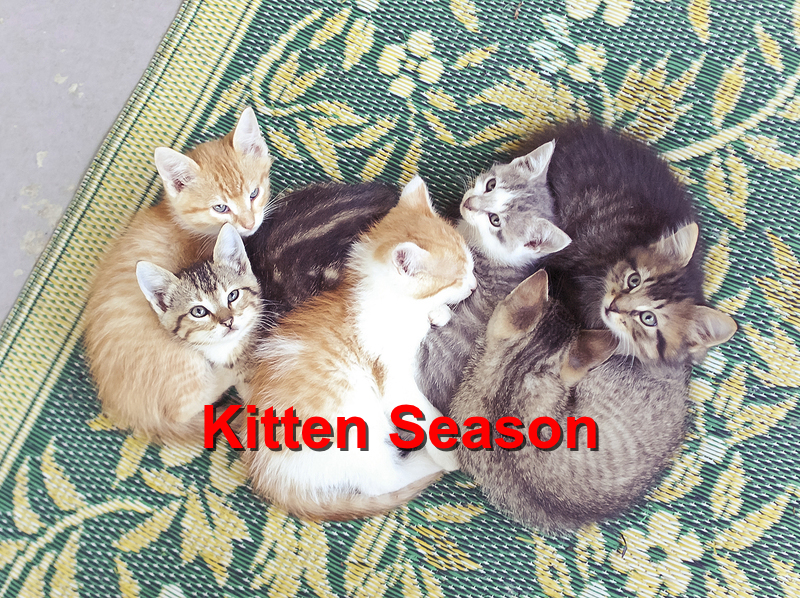
    Kitten season is here with us. And for cat lovers, it may be both an exciting or challenging phase especially if there is a mother cat around. But before we get to learn on what cat lovers get to experience, let’s get to understand what the term ‘Kitten Season’ entails.

    What is the Kitten Season?

    Kitten Season is the period that would see unaltered cats primarily goes into heat and mate. The warmer months from Match to October would have the ‘tomcat’ looking for love from around its area of dominance.  

    On the other hand, the female cats (Queens) would come into the Kitten Season as soon as they are just six months of age. This would continue until the queen is about nine years old. Coming into the Kitten Season, a female cat would enhance the seasonal polyestrous capabilities to allow it to have multiple pregnancies with different males.

    The mating and pregnancy

    The Queen is usually in charge of the coupling, and would often portray signs of being on heat. These signs would have our Miss Kitty make annoying shrill sounds, awful rubbing against anything or drag the hindquarters like in pain. This unfortunate behavior can go on for five days, to last more than a week. At times, the heat cycle can go to over 15 days, if the Queen has not found a mate. A ‘rest period’ of 2 to 14 days known as anestrus would take place before the female cat can resume the heat cycle and start mating once again.

    Once successful in attracting a suitor, the Queen would approach the tomcat and make only then would the male cat make courting attempts. The courtship routine would take several hours while the actual mating is just done in a few minutes. The result would see the Queen give birth to about 18 kittens, which is usually a litter of 4-8 produced after every 60 days.

    Dealing with a cat on heat

    Whatever the case, we still have to consider that the cycle can bring a challenge of kitten overpopulation. The most effective measure to prevent this would be to undertake a spay/neuter program when they are young to make a strong case of birth control. If the cat is already on heat, it would be wise to keep the cat in exercise, away from male cats and use sedative remedies to calm the heat.   

    Sources: SLUWisconsin UniversityAVMANIH


  • Whisker Stress

    Whisker Stress

    Whisker Stress: Coping with this Common cat health problem

    Cat whiskers are not there just for looks. The hair-like structures are pretty crucial to your cat’s lifestyle and health. Unfortunately, not many cat owners understand the role of these tactile hairs in the lives of their feline friend. If you happen to fall into this category, this article may pick your curiosity on correctly what role do whiskers play in the life of your cat.
    Understanding Whiskers Stress

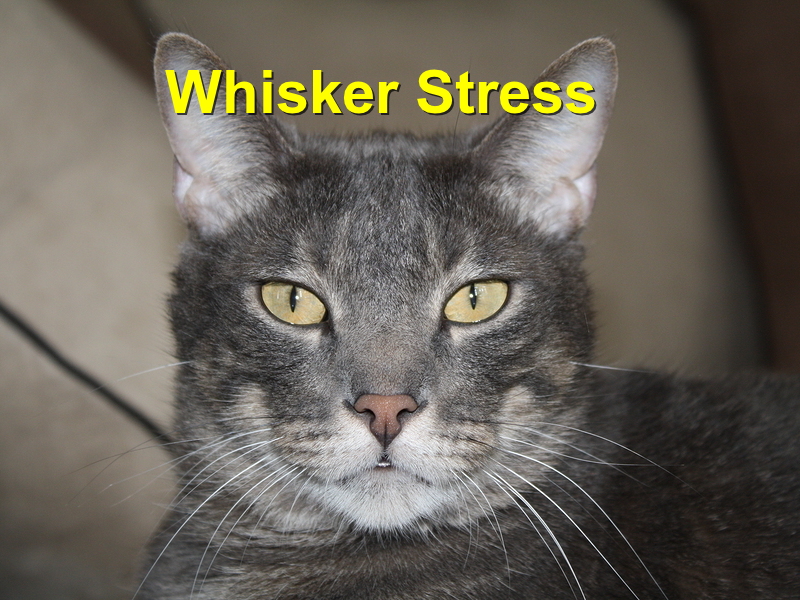
    To understand this issue, we would first need to look at how cat whiskers exactly help felines in their day to day activities. Initially, whiskers are pretty much like the cat’s antennas since they help in interpreting the surroundings through the proprioceptors. That makes whiskers a sensitive part of the cat, to detect the slightest changes in temperature and air pressure in the surroundings.

    Likewise, whiskers are great navigation tool that cats often use to judge the area of space they may want to enter. If the whiskers happen to touch the sides, the cat will hesitate not going through since it indicates the path if not a perfect fit.

    Whisker stress or at times whisker fatigue may be a new controversial concept, but to an extent, it does hold to the possibility of such a condition. The idea is that cats have highly sensitive face antennas that are often stimulated during mealtimes, especially if it involves putting the face inside a bowl.

    Potentially, the cat would show the following signs next time it faces whisker stress from using the bowl

    • Pawing the food to eat from the floor
    • Pacing around the food or water bowl
    • Resisting food since it’s in a bowl

    Avoiding the state

    Fortunately, the fix for cat whiskers stress is quite simple. An easy step would be to first change the food and water bowls into bowls that take the span of the whiskers into account. In essence, the food and watering should be on a flat or mat-like plate. A shallow ceramic, metal or glass bowl can also work to see the symptoms dissipate.

    The possibility of other conditions

    Likewise, you would have to consider visiting the vet if you happen to overrule whisker stress. It is wise to remember that there are plenty of other health issues that can exhibit similar characteristics to whisker stress. Therefore, keep in mind checking up with your local vet can save your cat a lot of pain and discomfort.

    SOURCES: WSU, Science Daily, OK State, Cat Food Dispenser Reviews

    COPYRIGHT: Local Value


  • Stronger Bond With Your Cat

    Stronger Bond With Your Cat

    How to Develop a Stronger Bond with Your Cat

    It is about that time again to make resolutions to enhance your life in the New Year. Some of the typical decisions include stopping bad habits, eating healthier and joining a gym among others. However, you should also consider developing a stronger cat bond. Here are some practical guidelines for improving the relationship with your favorite pets:

    Set Time Aside For Your Pet

    It is easy for cat owners to ignore their pets, especially since they seem self-sufficient and a generally well-behaved. The reality is that there are so many distractions for owners, from TV shows and smartphones to household work that could stop you from spending quality time with your pet. The solution is to set some time aside every day to interact with your cat without getting distracted by anything.

    Find out Your Cat’s Desires

    The next step in strengthening the relationship with your cat is to understand what they love. Discover activities that the cat enjoys and incorporate that into the day. You should even add some play toys to the mix as they help in stimulating your cat’s need for chasing things. For example, using foraging toys can boost your cat’s inbuilt instincts.

    Train your Cat

    Training is not something you would typically associate with cats, as it is more often linked to obedience training in dogs. However, the reality is that cat training is an excellent way of building better communication between both of you. You only need a clicker along with some necessary information about cat training to get started. Start with natural behaviors like sitting up before moving to other complicated tricks.

    Listen to Your Cat

    Cats communicate every day, and most owners tend to overlook their vocalizations as either annoying or cute, without really thinking about the meaning behind the sounds. The other way of building stronger bonds is resolving to watch and hear what your cats are saying. That involves learning their daily routine and general behaviors, which is critical since most behavior changes signify poor health. You will also need to research more information about cat body language to ensure you understand what is going on.

    Plan a Regular Veterinary Visit

    Data from the AMVA shows that cat owners take their precious pets to see the veterinarian fewer times compared to dog owners. It is therefore likely that it has been a long while since you visited the vet. Remember cats require a regular physical examination every year, so ensure you plan for that.

    References: Pet Health Network, I Heart Cats

    Copyright: Local Value


  • Pet Ownership Rising

    Pet Ownership Rising

    According to Latest Studies – Pet Ownership Rising 

    There is a significant rise in pet ownership across the US. Dogs make up the highest percentage of pets while huge gains are being seen across less conventional pets such as lizards and poultry. These results were showcased in after recent studies into pet ownership by the AVMA. The comprehensive AVMA report is a critical source of data for pet practices and also for driving conversations regarding the essential need for veterinarians in the country.

    The Pet Ownership Numbers in Detail

    The numbers show that nearly 57% of all American households owned pets in 2016, with cats and dogs being the most common choices of pets. Most significantly, the dog ownership rate was at its highest level ever since the first AVMA study in 1982. Dogs accounted for 38% of the pets in households across the nation, while cats followed closely behind at 25%.

    The data also shows that other exotic kinds of pets were becoming more popular in the country. More households now own specialty pets like rabbits, gerbils, ferrets, fish, snakes, livestock, poultry, lizards, guinea pigs, hamsters, and others. Over 13% of America households had an exotic pet in 2016, representing a significant 25% rise from 2011. Furthermore, poultry pet ownership climbed by 23% over the last five years.

    Which States Had the Most Pets?

    The ownership of pets was found to be highest in predominantly rural states, while urban states had the least percentages. The top ten states with a high rate of American households with pets were the following:

    •    65%: Colorado
    •    65%: Oklahoma
    •    65: Mississippi
    •    69%: Arkansas
    •    69%: Indiana
    •    70%: Idaho
    •    70%: Vermont
    •    70%: Nebraska
    •    71%: West Virginia
    •    72%: Wyoming

    Which States Had the Least Pets?

    Here are the ten states that had the least percentage of households that owned pets:

    •    52%: New Hampshire
    •    51%: Georgia
    •    50%: Connecticut
    •    50%: New York
    •    49%: Massachusetts
    •    49%: Illinois
    •    49%: Maryland
    •    47%: New Jersey
    •    46%: South Dakota
    •    45%: Rhode Island

    Data about Veterinarian Visits

    The AVMA report also considers veterinarian visits, their occurrences, and critical circumstances. The survey results showed that those who owned dogs were the most likely people to get veterinary assistance as compared to other pet owners. In 2016, an average of three visits was made by dog-owning clients whereas cat owners came behind with 2.4 trips.

    Conclusion

    As mentioned earlier, this AVMA report is an informative and fascinating document that showcases the pet ownership sector in the country. By examining and evaluating these trends, veterinarians and pet owners can be able to safeguard the welfare and health of all pets.

    References: AVMAPet Product News

    Copyright: Local Value