Category: Cat

  • Kitten becoming Cat

    Kitten becoming Cat

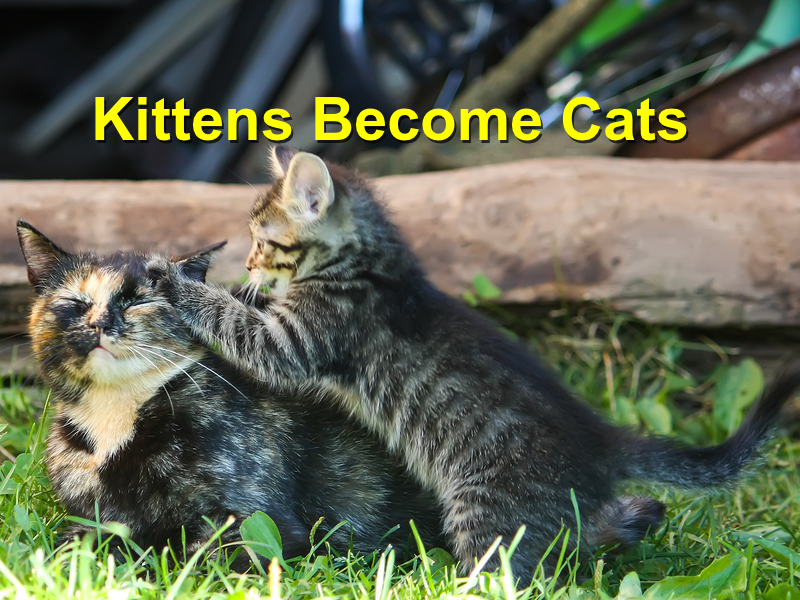
    Things to Look Out For As Your Kitten Transitions to A Senior Cat

    Senior cats will require more care as compared to young kittens. Staying vigilant about their health and taking the senior cats for regular wellness testing and veterinary exams will help to keep your cat healthy even in old age. Since your cat is more vulnerable to diseases with age, your vigilance in checking their daily habits must be increased after seven years to ensure you can catch and prevent issues early before they develop further into more severe complications.

    What to look out for when observing a senior cat

    • Odd litter box behaviors

    • Weight loss or gain

    • Reduced mobility

    • Changes in behavior like sleeping and hiding away from family members

    Common diseases that affect senior cats

    • Osteoarthritis: It affects the joints and causes mobility issues.

    • Kidney disease: It is found in most senior cats, and it is categorized by lager urine clamps, weight loss, and inappetence.

    • Inflammatory bowel condition: The common symptoms here include weight loss, diarrhea, and vomiting.

    • Cognitive dysfunction: Nearly 80% of cats will develop cognitive dysfunction once they reach 15 years old.

    • Cancer: Oral, intestinal and mammary cancers are common in older cats

    • Hyperthyroidism: Increased vocalization, appetite, and weight loss are all hyperthyroidism symptoms in cats

    • Dental disease

    • Diabetes: As the cat adds more weight with age, they are more likely to develop diabetes.

    The significant role of your veterinarian

    To maintain proper health for your cat even in old age, you will need to take them for complete physical examinations twice per year once they reach seven years old. Consider that these biannual visits to the vet are similar to a human going for a checkup after every three or four years. Because cats love hiding their symptoms and usually have several health issues simultaneously, regularly wellness testing and exams will help to keep your senior cats healthy.

    Tips for keeping senior cats healthy

    • Ensure you meet all your senior cat’s needs: They should have enough food, water, social interactions, resting and an easily accessible litter box

    • Arrange regular visits to your veterinary: Once your cat reaches seven years, schedule biannual veterinarian visits.

    • Keep track of their weight: Regularly weigh your cat at home to track any sudden changes in their weight and report to your veterinarian

    • Observe your cat closely: Be more vigilant in observing your cat since any change may mean that something is wrong.

    • Healthy nutrition: Your vet will recommend the best diet for your senior cat, which includes small but several potions of canned foods and encouraging lots of water consumption.

    References: Pet MD, The Spruce Pets


  • Cat Training

    Cat Training

    Tips for Cat Training and Behavior

    For new pet parents, it might seem overwhelming to understand all the subtleties of your cat’s behavior. Luckily, there are easy ways that you can learn how to interpret your pet’s body language and communicate better with your cat. It includes learning what different vocalizations and body postures to avoid misinterpretation and miscommunication, which can compromise the human-pet bond. Here are some practical cat training tips.

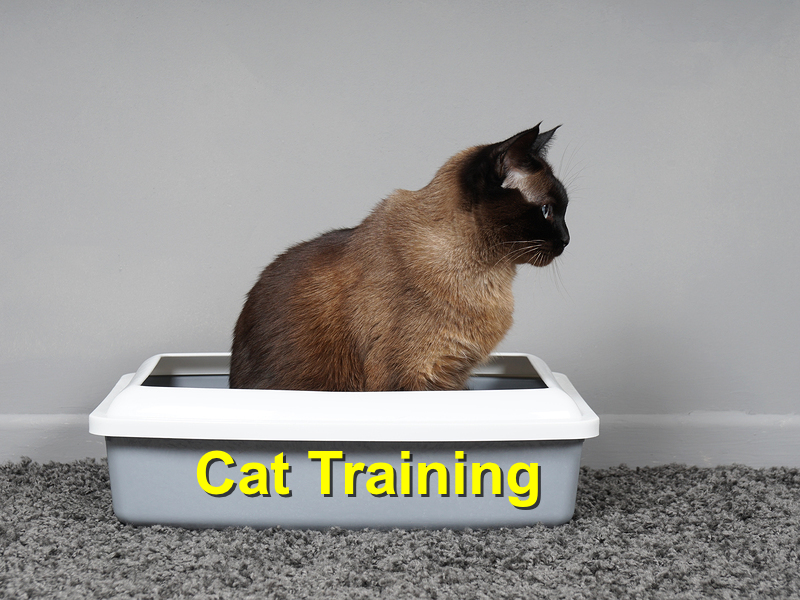
    Start with Training the Cat on Using the Litter Box

    The priority in your cat training must be to teach your pets about how they should properly use their litter boxes. Fortunately, cats pick up quickly on this training. However, the major mistake that many new pet owners tend to make is that they have insufficient litter boxes around the house. Veterinarians recommend at least one more litter box for every cat, which means that if you have two cats, you should get three litter boxes.  

    When buying a litter box for your cat, ensure you consider the size of your cat and also place the boxes tactically around your home, not clustered together. Look for finely grained cat litter that is clumping and unscented. Heavily-fragranced litter boxes that mask odors could end up deterring the cats from learning how to use these critical tools.

    Be Alert and Prevent Any Unwanted Behaviors.

    To prevent common cat training problems, like peeing outside the litter boxes, it is critical that you are proactive in maintaining tidiness. Ensure you keep the cat’s box clean through scooping daily and washing and refilling it with fresh litter every two weeks or so.

    The other familiar, frustrating cat behavior is their tendency to scratch up your curtains or furniture. To solve this issue, you must offer the appropriate scratching accessories and posts. Cats instinctively like to scratch for various reasons, including stretching their limbs, marking their territory and also removing the worn-out outer claw layer.

    Offer Enough Environmental Stimulation to Your Cat.

    Besides giving your cats a nice place for scratching their nails along with the necessary litter boxes, it is vital to ensure your pets are mentally and physically stimulated. Your cats require sufficient enrichment to help in satisfy normal behaviors like scratching, climbing, playing and hunting. When your cats do not have the best outlets where they can perform these natural behaviors, then it leads to unwanted behaviors. Some of the solutions include food puzzles, interactive toys and also interacting with your cats regularly.

    References: Pet Coach, The Spruce Pets, Anti Cruelty


  • Halloween Safety Tips

    Halloween Safety Tips

    Tips for Keeping your Pets Safe During Halloween

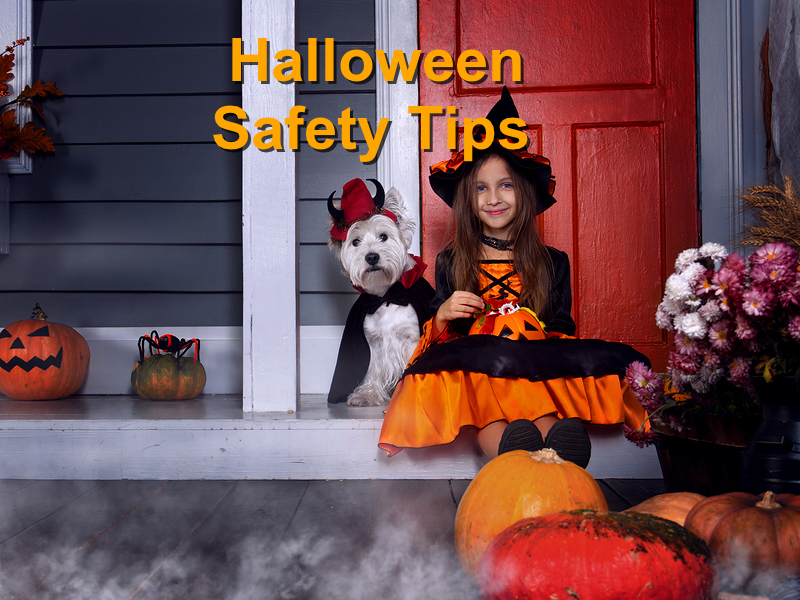
    Unusual activities, costumed visitors, anxiety, and fear can all make Halloween a nightmare for your pets. Whether your pets are prone to anxiety and fear or not, they like their daily routine, which when interrupted can cause them to feel agitated and uncomfortable. Here are some excellent tips for keeping your pets during Halloween.

    Never give your pets candies

    Regardless of how much fun you think it will be for your pets to participate in Halloween, you should never give them candies. All types of chocolate, specifically the dark or baking chocolate, can be lethal for cats and dogs. Chocolate poisoning symptoms include diarrhea, elevated heart rate, seizers, rapid breathing and vomiting. Also, xylitol, an artificial sweetener, can cause your dogs to have liver failure or other issues related to low blood sugar.

    Don’t Leave your pets outside during Halloween

    There are cases of vicious pranksters who injure, tease or even steal pets during Halloween. Black colored cats are more vulnerable to these cruelty-related pranks, so ensure that your pets are safely locked away indoors. 

    Keep your pets away from your front door

    While indoor is much better than staying outdoors during Halloween, your front door will likely be opened and closed constantly, with different visitors wearing strange costumes. Your pets may find that situation scary, resulting in unexpected aggression or escape attempts. Make sure you put your cat or dog away in a room far away from the door as possible to minimize stress.

    Don’t let your pets play with glow sticks

    Even though glow sticks are essential in keeping people safe during Halloween, your pet can easily chew one open. Fortunately, the liquid used in these devices is not toxic. If your pet bites into these glow sticks, offer them fresh water to clear out the material from the mouth.

    Keep all Halloween plants out of your pet’s reach

    Although your pet can safely eat small quantities of pumpkin and corn, ingesting moldy or uncooked Halloween display plants can cause huge problems. Your pet could get gastrointestinal upset or intestinal blockage when they swallow large pieces. 
    Avoid keeping lit items around pets

    When you are using any Halloween decorations that involve fireworks, candles or lanterns, ensure you place them out of easy access by your pets. It will prevent your pets from burning themselves and even causing a huge fire. The same also applies for any battery or electric-powered Halloween decorations. 

    Avoid dressing your pets in limiting costumes

    The pet costumes you choose must not restrict hearing, breathing ability, movement or eyesight. You should aim to make this process fun for your pet through positive reinforcement and treats.

    Lastly, ensure your pets have the proper IDs. Tags and collars are perfect for ensuring that they will be easily returned if they happen to get lost during Halloween. 

  • Cat Panting

    Cat Panting

    Cat Panting and Everything You Need to Know About it

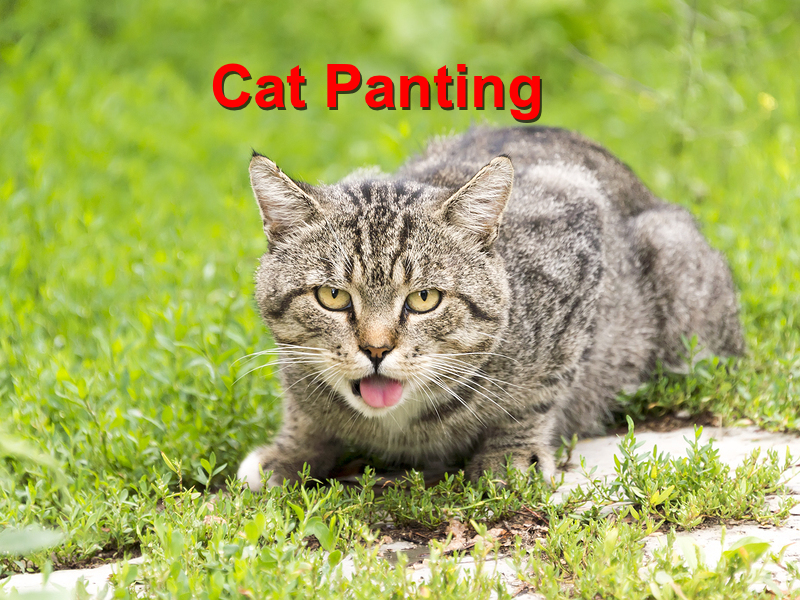
    Panting is often a result of shortness of breath, especially after an exhausting activity. Unlike in other pets especially canines, cat panting is not common. However, your cat can pant after a tiring activity but the panting should only last for a short while.

    The animal should get back to its normal state after it has come down and rested. Persistent cat panting is a sign of a dysfunction of the respiratory system. If you notice abnormal panting in your pet it is vital that you pay more attention and even contact your veterinarian.

    Signs of Cat Panting

    1. Shortness of Breath– panting is usually accompanied with difficulty in breathing and your pet will breath heavily making noises in the process.

    The cat will have its elbows pointed away from the body with a stretched neck and also struggle to stand.

    In some instances, your pet may cough and even end up vomiting.

    Watch out for a change of color of the tongue. It usually turns red and the cat’s gum could also have a bluish or purplish color.

    What causes Cat Panting?

    Cardiomyopathy-which is an enlarged heart than the normal heart usually results in congestive heart failure. There is an accumulation of fluids in the lungs and chest since the heart cannot actively pump. This leads to rapid breathing and panting.

    1. Asthma – If you cat has this condition, you will notice difficulties in breathing that causes it to pant in an effort to get enough air. Asthma causes constriction of airways that connect to the lungs.

    2. Heartworms – When your cat is infested by these parasitic worms the blood vessels in the heart are affected and the entire cardiovascular system leading to respiratory complications.

    What is the Treatment of Cat Panting?

    If you notice any symptoms of abnormal panting in your cat, ensure that you immediately contact your veterinarian. The veterinarian will do a thorough examination of your pet through blood tests and X-rays to determine the root cause of the panting.

    1. Antibiotics – If the doctor finds bacterial infections, antibiotics are administered to treat the infection or inflammation.

    2. Blood transfusion is recommended in the case of a cat diagnosed with anemia

    3. If there is a presence of accumulated fluid, the fluid is drained by putting a needle into the chest to ensure that all the fluid has been removed.

    4. Cats that suffer from asthma are put on medication that will help them manage the condition and allow them to breathe normally.

    Conclusion

    Watch out for any signs that indicate abnormal panting in your cat and contact your veterinarian immediately.

    References: Catster, Pet Place, Mercola


  • Heart Disease in Pets

    Heart Disease in Pets

    Tips on Dealing with Heart Disease in Pets

    Finding out that your cat or dog is suffering from heart disease can be quite tough. Depending on how far the condition has advanced, your veterinarian may have limited treatment options. However, although they are no scientifically proven methods of preventing heart disease, experienced veterinarians recommend that you recognize the symptoms of this health problem early. An early diagnosis means that your vet will have enough time to create a good treatment plan to help your pet maintain a decent standard of life. 

    Heart Disease Symptoms in Dogs

    The symptoms of heart disease typically appear in puppies who have the condition from birth. In contrast, acquired heart problems show up with old age. In both cases, slowing down and lethargy are indicative of cardiac issues and not just orthopedic discomfort or arthritis. 

    As the health issue progresses to the heart failure stage, most dogs start coughing along with increased respiratory effort and rate. It is recommended to monitor your dog’s natural breathing rate by counting the number of times their chest rises up in one minute. Anything under 35 is normal, but if you notice a progressive increase in effort or the rate, then go to the vet for a checkup immediately.

    Heart Disease Symptoms in Cats

    According to researchers, cat owners have a hard time noticing if their pet’s behavior is indicative of a health problem until the disease has progressed much further. For instance, your cat may be displaying the normal laziness associated with cats or they could be lethargic due to heart disease. Nevertheless, heart disease in cats can cause lack of appetite, respiratory difficulty, and enhanced reclusiveness.

    The cat purring behavior makes it challenging to count their respiratory rate. However, you can still try and count how many breaths they take every minute while your cat is sleeping. Anything under 50 breaths every minute is normal.

    Are Specific Pet Breeds More Vulnerable to Heart Disease?

    Some dog breeds are more vulnerable to developing heart problems. Certain large dog breeds like Dobermans, Boxers, and Great Danes are likely to develop cardiac myopathy, which involves enlargement of heart muscles, thus affecting its capability of pumping blood. Poodles, Schnauzers, and Pomeranians are all susceptible to valve diseases. In contrast, various breeds like Cairns, Terriers, and Westies among many others do not tend to become affected with heart complications as compared to other dogs. 

    It is harder to make the same sweeping generalizations for cats since many people do not own purebred cats. Nevertheless, several breeds like Bengals, Maine Coons and Sphinxes are the most affected by genetic hypertrophic cardiomyopathy. More scientific research is, however, necessary to understand the genetic causes of heart problems in cats. 

    Conclusion

    Early detection is critical to maintaining your pet’s optimal health even if they have heart disease. When the pet owner, a vet and a specialist intervene early on with the right medication, the dog or cat can live for years without experiencing fatal heart failure. 

    References: Pet MD, 2nd Chance, Pet Care Rx


  • Heart Disease in Pets

    Heart Disease in Pets

    Tips on Dealing with Heart Disease in Pets

    Finding out that your cat or dog is suffering from heart disease can be quite tough. Depending on how far the condition has advanced, your veterinarian may have limited treatment options. However, although they are no scientifically proven methods of preventing heart disease, experienced veterinarians recommend that you recognize the symptoms of this health problem early. An early diagnosis means that your vet will have enough time to create a good treatment plan to help your pet maintain a decent standard of life. 

    Heart Disease Symptoms in Dogs

    The symptoms of heart disease typically appear in puppies who have the condition from birth. In contrast, acquired heart problems show up with old age. In both cases, slowing down and lethargy are indicative of cardiac issues and not just orthopedic discomfort or arthritis. 

    As the health issue progresses to the heart failure stage, most dogs start coughing along with increased respiratory effort and rate. It is recommended to monitor your dog’s natural breathing rate by counting the number of times their chest rises up in one minute. Anything under 35 is normal, but if you notice a progressive increase in effort or the rate, then go to the vet for a checkup immediately.

    Heart Disease Symptoms in Cats

    According to researchers, cat owners have a hard time noticing if their pet’s behavior is indicative of a health problem until the disease has progressed much further. For instance, your cat may be displaying the normal laziness associated with cats or they could be lethargic due to heart disease. Nevertheless, heart disease in cats can cause lack of appetite, respiratory difficulty, and enhanced reclusiveness.

    The cat purring behavior makes it challenging to count their respiratory rate. However, you can still try and count how many breaths they take every minute while your cat is sleeping. Anything under 50 breaths every minute is normal.

    Are Specific Pet Breeds More Vulnerable to Heart Disease?

    Some dog breeds are more vulnerable to developing heart problems. Certain large dog breeds like Dobermans, Boxers, and Great Danes are likely to develop cardiac myopathy, which involves enlargement of heart muscles, thus affecting its capability of pumping blood. Poodles, Schnauzers, and Pomeranians are all susceptible to valve diseases. In contrast, various breeds like Cairns, Terriers, and Westies among many others do not tend to become affected with heart complications as compared to other dogs. 

    It is harder to make the same sweeping generalizations for cats since many people do not own purebred cats. Nevertheless, several breeds like Bengals, Maine Coons and Sphinxes are the most affected by genetic hypertrophic cardiomyopathy. More scientific research is, however, necessary to understand the genetic causes of heart problems in cats. 

    Conclusion

    Early detection is critical to maintaining your pet’s optimal health even if they have heart disease. When the pet owner, a vet and a specialist intervene early on with the right medication, the dog or cat can live for years without experiencing fatal heart failure. 

    References: Pet MD, 2nd Chance, Pet Care Rx


  • Strange Cat Behaviors: What Do They Mean?

    Strange Cat Behaviors: What Do They Mean?

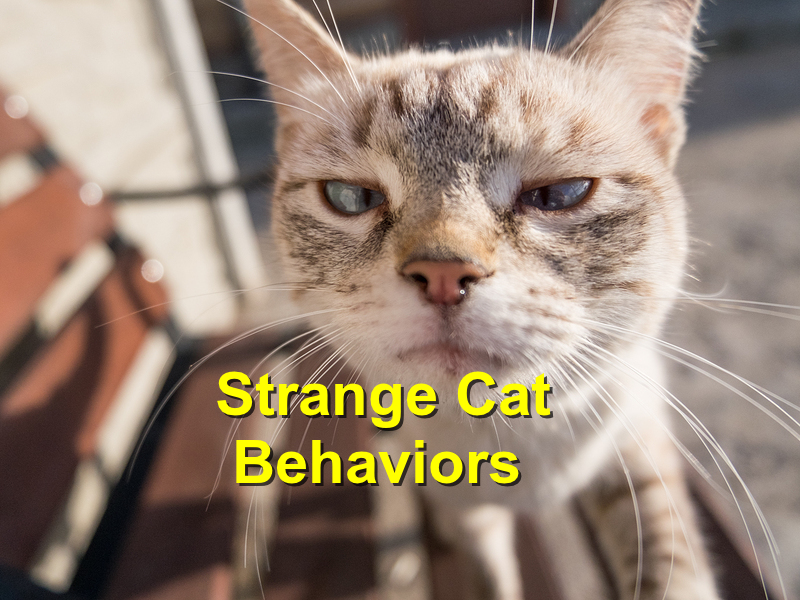
    There is no denying the fact that cats make great companions, but occasionally they do things that leave you baffled in complete confusion. Those strange cat quirks have been the subject of numerous cat videos shared on social media sites. If you are accustomed to dogs, then you will find cats’ communication, and interaction can be quite intriguing. It is these unique behaviors, like their love for sleep and affectionate head-butting, that makes them invaluable to their owners. Here is an explanation of those curious cat behaviors.

    Too much sleep

    Domestic cats love their napping sessions, and it may even seem like they have been genetically designed to sleep. Cats can sleep for up to 16 hours per day, which is helpful as it helps them to conserve energy. Most of the time, they are in a light sleep where they can wake up quickly since you will notice their ears twitching whenever they hear sounds.

    Staring at You

    There is nothing quite disconcerting as the unblinking eyes of your cat directly staring at you. Don’t worry; your cat is not trying out their mind control skills on you. The stare is usually because the cat wants to get fed or entice you into playing with them.

    Nonstop cries

    Some cats are more vocal, especially oriental and Siamese breeds. The unending cries could be that the cat once you to gain your attention for a snack or it could also signify illness. Trust your instincts and respond accordingly.

    Chewing on plastic

    If your cats like eating various strange items like plastic, wool blankets, and wiring, then it could be that they are suffering from pica. The pica may be due to medical disorders like gastrointestinal issues, or it may also arise from anxiety.

    Kneading

    The kneading behavior in cats traces back to when they were kittens, and they would start pressing on their mother’s tummy for stimulating milk flow. Cats also kneed when they are feeling content and relaxed. Kneading should not be an issue unless your cat has big claws that need to be trimmed down.

    Conclusion

    While some of these strange behaviors that your cat does are endearing or silly, others can become problematic. Although you should always try to address most of these common behavioral problems at home, don’t hesitate to contact your vet if you have further concerns about any odd cat behaviors.

    References: Pet Health Network, Readers Digest, ASPCA Pet Insurance
    Copyright: Local Value


  • Caring for your pet

    Caring for your pet

    Caring for your pet: Five Possible Tips to Try Out

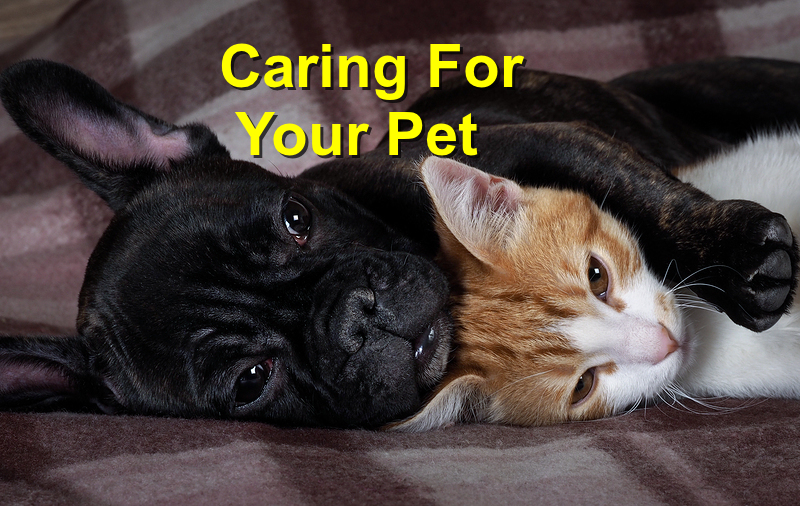
    With our contemporary lifestyles, it may become a challenge to show your pet that you care. Although most would feel that they are not up to the problem of caring for the pet, there are simple ideas that go a long way in growing the care of the pet and keeping them healthy. Here are the essential ideas you can conduct as a pet parent

    Exercise and Playtime

    Just like us, pets also get dull from spending too much time indoors and as it stands, taking them out for routine morning or evening walks is a great way to reconnect with the animal and growing their company. If you are going for a morning jog, you can opt to take them along and help them exercise to and reduce excess weight.

    Grooming

    Whether owning a cat or dog, shedding fur is bound to happen and rather than have the negative experience of hairballs, and painful mats, you can always schedule grooming appointments at the pet boutique or purchase the grooming products. Getting the pet shampooed, combed and nails clipped would add an excellent touch to keeping them feeling fresh.

    Feed them Properly

    There is nothing that shows care as feeding your dog or cat in the right way and adequately. It is best to ensure the pet is sufficiently fed and receives the proper nutrients, free from toxic ingredients. For extra effort, you can purchase breed-specific foods that are ideal options for different pets. Overall, the market provides plenty of foods for all pets.

    Regular Check-ups

    Routine visits to the vet are necessarily the best option to indeed show your pet that you do care. Getting checks often would ensure the dog or cat is in excellent condition and not susceptible to health problems.

    Bonding Time

    With busy lifestyles and schedules, dogs and cats are often left second in consideration when it comes to spending time after a long day. Showing care would need you to chalk out a day or time in your day where it is nice to spend some alone time with the pet. That could mean lap time in your daily or weekly schedule.

    The best way to show love to your pets is to provide and offer the best for them regarding care. Still, involving the pet in your daily schedule is the best gift to keep your pet company and showing them you care.

    Sources: Health, One Green Planet, Science Direct, Pawster