Category: Cat

  • When do cats need shots

    When do cats need shots

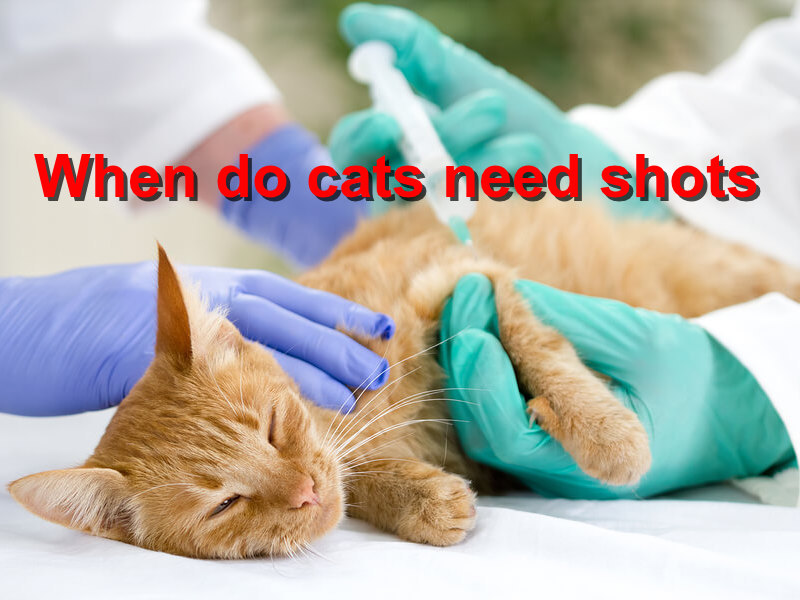
    When do cats need shots?

    How often should you take your cat to the vet for shots, as well as other essential preventive measures such as heartworm and flea treatments? Read on to learn why it is important to take your cat for shots on a regular basis.

    But before we discuss the importance of taking your cat to the vet for shots, let’s first answer this question. ‘’How often should your cat get shots?” Well, the answer to this question varies depending on lifestyle, immune system and geographic location. Put simply, there is no straightforward answer to this question. Nonetheless, you can follow a set of guidelines to ensure you understand cat vaccines as well as preventive measures.

    Do cats require regular flea prevention?

    Do cats require flea prevention or is it only essential for outdoor cats? Before we address this question, it is important to remember that fleas are contagious and can easily be transmitted to all household pets. And though flea prevention is important for all pets, keep in mind that fleas have an outstanding capacity of surviving and spreading. More importantly, indoor cats can also get flea infestation regardless of whether they have contact with other pets or not.

    However, this doesn’t mean that your cat requires monthly flea prevention. Cats that don’t have skin problems can easily get by when you use occasional flea preventative applications. This means that flea prevention is option particularly for indoor cats. Nonetheless, be aware that fleas have excellent survival skills and it’s common that most cat owners are often unaware that their pets have significant infestation.

    Heartworm prevention

    Is heartworm prevention important for your cat? Heartworm disease can also affect indoor cats as it is spread to pets by mosquitos. And while outdoor cats are more vulnerable to mosquitos that spread this disease, indoor cats can also be infected by these parasites. For that reason, heartworm prevention is important for all household cats. The best thing about heartworm prevention is that it also prevents the onset of intestinal worms that can easily spread to human beings.

    Are vaccine booster shots important for cats?

    While there is no definite answer to this question, it is important to ensure your cat receives booster shots at least once after a period of three years. For example, kittens should receive shots to prevent feline panleukopenia. After all, preventions is definitely better than cure.

    Conclusion

    If you are not sure if your cat is supposed to receive shots, you should consult your vet who will attend to your cat’s specific needs. 

    Reference: Catster, Webmd, My pet needs that

    Copyright: Local Value


  • Do cats get colds

    Do cats get colds

    Do cats get colds?

    Cats are vulnerable to get colds, just like us. Upper respiratory infection [URI] or a cold is a common disease that affects kittens. Cats can get a cold in a setting where they are overcrowded, like shelters, breeding facilities and pet stores. Kittens found in shelters and pet stores have a high chance of developing upper respiratory infections since their immune system is not fully developed. And since they live close to other cats in the shelter, they are likely to get a cold.

    What is an URI?

    Colds or upper respiratory infections that affect the larynx, pharynx, and nose are either caused by bacteria or viruses. Some of the common viruses that cause colds are herpes and calicivirus, as well as bacteria such as chlamydia, mycoplasma and Bordetella. These harmful agents are spread in cats through a process called aerosolization.

    When the sick cat sneezes, minute droplets that contain infectious materials are directly released into the atmosphere. Since the droplets are quite small, they remain airborne longer and can easily infect cats that are a distant away. This explains why colds spread quickly in an area with a large cat population. One sick cat can spread the cold to other cats in it’s proximity by sneezing. Infections may also spread by direct contact. On the other hand, it can spread through inanimate objects known as fomites. These inanimate objects can spread the disease if they become contaminated with infectious organisms. Common fomites include towels, food bowls and bedding material.  

    Symptoms and signs of cat colds

    Cats that have a cold often develop mild signs, such as watery eyes, runny nose and frequent sneezing. In most cases, these symptoms can resolve without treatment. However, vulnerable cats, especially the old and young, can easily develop severe infections. Cats that have severe cold may develop:

    Dehydration

    Loss of appetite

    A fever

    Yellowish, thick eye or nasal discharge

    A fever

    Thick, yellowish nasal or eye discharge

    Cats might become lethargic

    How to treat cat colds

    The appropriate treatment of colds in cats will depend on the severity. While the symptoms can be irritating for cats, mild URI and common cold can easily resolve without treatment. For more severe infections, eye medication and/or oral antibiotics might be necessary to treat the symptoms. If your cat is not drinking or eating, additional treatments like appetite stimulants, subcutaneous fluids and hospitalization may be necessary.

    Conclusion

    When you notice your cat’s symptoms have become severe, you should visit your veterinarian immediately to ensure your cat receives appropriate medication.

    References: pet health network, Petmd, Pet plan

    Copyright: Local Value

  • Exotic Short Hair Cat

    Exotic Short Hair Cat

    5 things to know about exotic shorthair cat 

    The exotic shorthair cat is almost similar to the Persian cat. It has round eyes and fleecy texture that compliments its overall appearance. Read on to learn more about the exotic shorthair cat.

    1. Key characteristics

    An ideal exotic shorthair cat is thought to be a well-balanced cat that has a captivating expression. The cat has a circular head that contributes to its round facial appearance. It is well known for its thick coat that is longer when compared to other cat breeds. The cat has oval ears and is famous for its frowny expression.

    1. What is their personality?

    They are extremely friendly and possess characteristics you can find in kittens or dogs. They are affectionate, curious, and playful. However, just like other cat breeds, they also need their alone time. They also form strong bonds with the owner and can quickly get depressed when left alone in an empty house. Due to their calm personality, they make a great lap cat.

    1. Can they get on well with other pets?

    Are you considering buying an Exotic shorthair cat? Well, there is no need for you to worry even if you have a dog or other pets. The cat is outgoing and friendly and can co-exist well with other pets. And if your home has a rat problem, the cat will prove quite useful.

    1. Is this the right cat for you?

    The exotic shorthair cat is not suitable for someone who has a busy schedule. Many people love cats for their sense of independence. While the shorthair cat also enjoys some freedom or alone time, he might not be the best option for someone with a busy schedule. Unfortunately, if you have a hectic schedule, then getting the Exotic shorthair cat might not be the right thing to do.

    1. Will the cat personality make it a perfect pet?

    The Exotic shorthair cat has minimal grooming requirements and easy to look after. The playful, Exotic shorthair cat can quickly adapt well to different living situations and can do well in both apartment and house environments. The cat is adaptable, intelligent, and requires low maintenance. It can also get along perfectly well with children and other pets. However, they are prone to depression and separation anxiety if you leave them alone longer.

    Conclusion

    You should take your cat to the vet when it shows any sign of discomfort. Early treatment can prevent the problem from deteriorating.

    References: Pet health network, Pet finder, Pretty litter cats

    Copyright: Local Value


  • Halloween and your Pet

    Halloween and your Pet

    Halloween Safety Tips for Pets

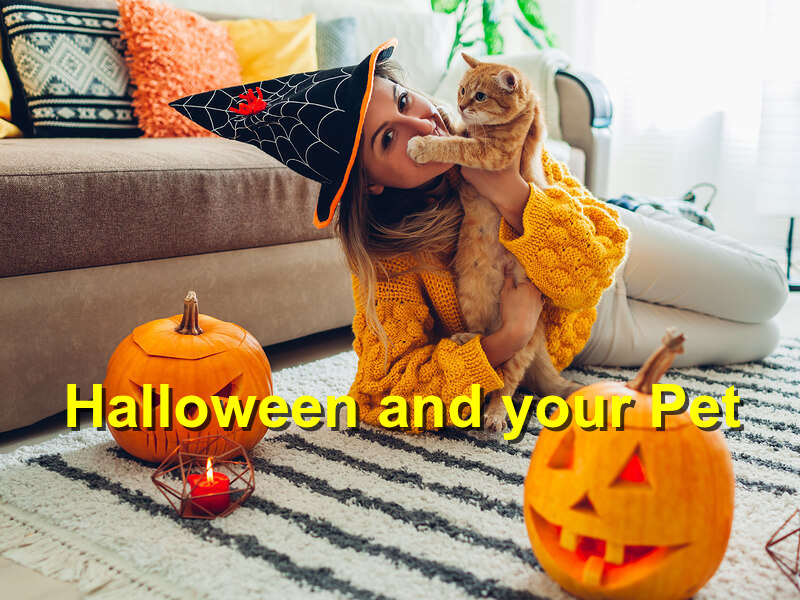
    Halloween can be a fun time for families but not for pets. Here are practical steps you can take to keep your pets safe on Halloween

    Keep your pets indoors

    Its certainly better to keep your pet indoors on Halloween as there will be many activities happening around your home. Strangers walking in and out of your home in unusual costumes can be frightening for your pet, and can result in unexpected aggression or escape attempts. You can put your cat or dog in a safe room to prevent them from running wildly into the night.

    Store glow sticks in a safe room

    Although glow sticks are generally non-toxic, they can add unwanted drama and spoil your holiday when a pet accidentally chews one open. When pets chew on a glow stick, they may become agitated or even vomit. If your pet chews on a glow stick, you should offer a small treat or fresh water to help remove the material from its mouth.

    Keep electric powered Halloween decorations away from pets

    While electric powered decorations are safer than regular candles, they can still present a potential risk to pets. It is therefore important to keep electric powered decorations away from pets as they can cause a life-threatening electrical shock. Pets can swallow batteries leading to gastrointestinal blockage or chemical burns if chewed open.

    Keep lit pumpkins away from pets

    When you use candles to light your Halloween decorations, ensure you place them away from pets. If you are not careful, they can easily burn themselves or cause a fire.

    Never feed them candy

    All types of chocolates, particularly dark chocolate can be lethal for cats and dogs. Some of the common symptoms your pet is suffering from chocolate poisoning might include diarrhea, vomiting, seizures, rapid breathing and increased heart rate. Halloween candies also contain an artificial sweetener that can be poisonous to pets.

    Use proper tags and collars

    You should ensure your pets have proper tags or collars should they escape in the night on Halloween. Microchips offer peace of mind should the tag or collar fall off. Ensure you keep the information up-to-date.

    Keep Halloween plants away from pets

    Although you can feed your pets small amounts of pumpkin and corn, swallowing uncooked Halloween pumpkins can cause digestive problems. Pets often experience stomach upset whenever they eat something they are not used to.

    Conclusion

    In the event your pet is injured during Halloween, you should consult your veterinarian or locate a 24-hour veterinary clinic.

    References: Petmd, Pet insurance, HSLM

    Copyright: Local Value

  • Constipation in Cats

    Constipation in Cats

    Constipation in Cats: What causes it?

    Most cats often don’t drink enough water and this causes them to have digestive problems like constipation. This is a serious condition and should never been taken lightly. Constipation can cause a lot pain and suffering for your cat.

    Is constipation a problem for cats?

    Constipation is unpleasant for cats. Second, frequent episodes of constipation in cats can cause permanent expansion of the colon. There are serious cases of constipation where cats are completely unable to expel stool and may need a laxative. When a cat is ‘’impacted’’ or blocked up and the colon becomes so enlarged, surgery might be the only option.

    Causes of constipation in cats

    The common causes of cat constipation are:

    • A disease
    • Stress at home
    • Dehydration
    • A dirty litter-box
    • Painful defecation

    While it may not be easy to identify the cause, it’s important to find ways to manage the condition and prevent it from worsening. You can consult your local vet to help you find the cause.

    Avoid feeding you cat dry foods and buy canned food instead to ensure your pet gets enough water intake. Canned food contains 80% water while dry food has only 10-20% water.

    Symptoms of constipation in cats

    Constipated cats usually have decreased appetite. When defecating, constipated cats might vocalize their discomfort. Constipation also causes vomiting.

    How do you test constipation in cats?

    First, the vet will perform a complete physical exam. Blood work can show presence of a metabolic disease like high calcium or low potassium. It can show dehydration as well.

    When can you tell your constipated cat needs surgery?

    Extreme constipation is known as obstipation. Cats suffering from obstipation usually have a poor quality of life. A cat that has obstipation has an excessively stretched colon and is unable to expel rock-hard stools. When the colon is unable to perform its job efficiently, medications and diet changes often become useless. Surgery is done to remove the giant, diseased colon.

    How to treat constipation in cats

    After the vet has done a thorough physical exam to test for constipation, here are some of the common treatments to consider.

    • A laxative
    • A diet high in fibers
    • Drugs to help expel the fecal matter 
    • Injection of fluids to help reduce dehydration

    Conclusion

    You should ensure your cat gets plenty of exercise climbing, jumping and running. These activities combined with sufficient hydration will prevent constipation. If you pet goes more than two days without a bowel movement, its best to consult your veterinarian.


    References: Pet Health Network, Petmd, Honest Paws

    Copyright: Local Value

  • Cat Spraying

    Cat Spraying

    Cat Spraying: How Do You Stop it

    The most common unpleasant behavior when dealing with cats is spraying. With a licensed veterinarian and a dedicated guardian working together, this behavior can be overcome.

    What is feline spraying?

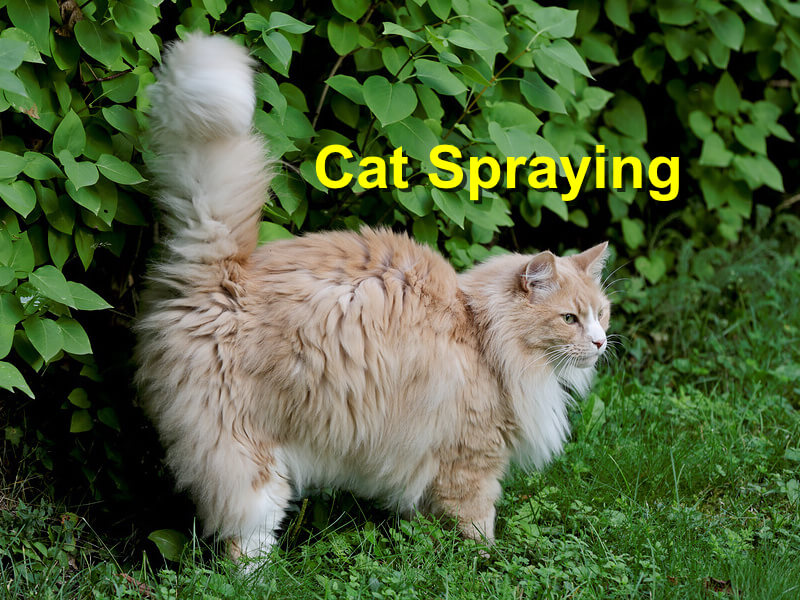
    Spraying or urine marking happens when a cat position itself upright on a vertical object and deposit urine. Unlike normal urination where a cat squats to urinate, when a cat is spraying it will stand straight up. When you find your cat spraying, you will notice the tail is erect with occasional jerking of the tail. The urine from the spray has a strong smell than urine found in the litterbox.

    Why do cats spray?

    When your cat is spraying, something is definitely wrong. For that reason, you should visit the veterinarian the moment you notice this behavior. If your vet finds out your cat has perfect health, then you have to explore behavioral causes:

    Cats normally use urine marking to establish their territory. By spraying on a specific area, the cat warns other cats to keep their distance.

    Cats are also sensitive to changes around them. For instance, when you move to a new city or have done renovations in your home, you may discover you cat has begun spraying. Cats also spray as a sign of potential breeding encounters. If you have multiple cats in your home, spraying usually occurs to demonstrate conflict among the cats.

    How can you stop this behavior?

    The first step to take when you notice this behavior is to visit your veterinarian. You cannot control spraying if your cat is sick. Here are some of the questions that can help you identify the cause.

    Is my cat spayed or neutered? If you cat is not neutered, doing so is important especially if you have other cats in your household.

    How can you give your cats more space? When you have more than one cat in your home, increase the number of litter boxes and ensure they are spread out. Alternatively, you can create a play room for your cats and allow them to enjoy playing outdoors as this helps reduce conflict.

    Cleaning helps reduce cat spraying   

    You need to ensure you clean any cat spraying in your home. To completely eliminate the pungent smell, you can use enzymatic cleaners tailored to clean pet urine.

    Conclusion

    When this problem persists, consult your veterinarian to find out if there are any hidden medical reasons causing the problem. Your vet can prescribe anti-anxiety medication to help reduce the spraying.

    References: Pet health network, Preventivevet, Wikihow

  • Adopt a Cat

    Adopt a Cat

    Adopt a Cat 

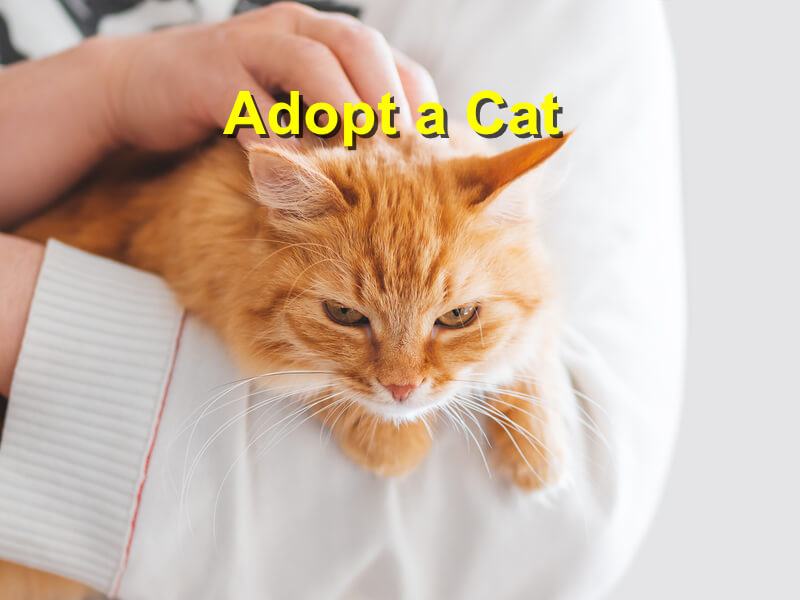
    Getting a cat can liven up spirits in your home but where do you start? If you are not sure where to shop for one, visiting a local animal shelter will do you good. Below are seven good reasons to consider adopting from your local shelter.

    1. Adopting a cat saves you money

    Statistics show that you are likely to find more than 3 million cats in animal shelters and from this figure, about 800,000 are euthanized yearly. When you adopt a cat from a shelter, you create space for rescue centers to save another cat.

    2. Adopting a cat makes financial sense

    For a moderately low fee, you can get a feline companion that is microchipped, neutered or spayed and has received all vaccines. Many rescues and shelters may include extras like pet insurance, a can of food or a cat collar.

    3. Shelter caretakers know the adopted cat’s personality

    Volunteers and caretakers interact with cats every day and these people know their personalities. For instance, if you are looking for an adult cat, these people will help you find a decent companion with the right personality that best suits your liking. 

    4. Adopting a cat has a positive effect on your mental health

    Research shows that owning a cat or adopting any pet from a shelter can help you cope better with loneliness, depression, stress and anxiety. Adopting a cat generally improves your overall well-being. 

    5. Getting a cat will do well for your heart!

    Recent studies now show that having a cat can help reduce the risk of getting a stroke or cardiovascular diseases. Since stroke is the leading cause of preventable deaths in both men and women, adopting a cat is an excellent thing to do.

    6. Cats can help alleviate your child’s resistance to allergies

    According to research, an infant enjoys reduced sensitization to the common allergens that cats produce. Having a cat at home can help reduce your child’s likelihood of getting allergies.

    7. You have a wide range of options

    You will different types of cats at the shelter, from seniors to kittens, long-haired to short-haired, all colors and sizes. However, if you want an exotic breed, you can research online for cat-specific shelters to find a new friend.

    Conclusion

    In case you have any concerns or questions, you need to visit your veterinarian as they are the best resource for the continued health of your pet

    References

    http://www.pethealthnetwork.com/news-blogs/a-vets-life/10-great-reasons-adopt-a-cat-a-shelter

    https://www.care2.com/causes/10-reasons-to-adopt-a-shelter-cat.html

    https://www.humanesociety.org/resources/top-reasons-adopt-pet

  • Cat Weight Loss

    Cat Weight Loss

    Reasons for Cat Weight Loss 

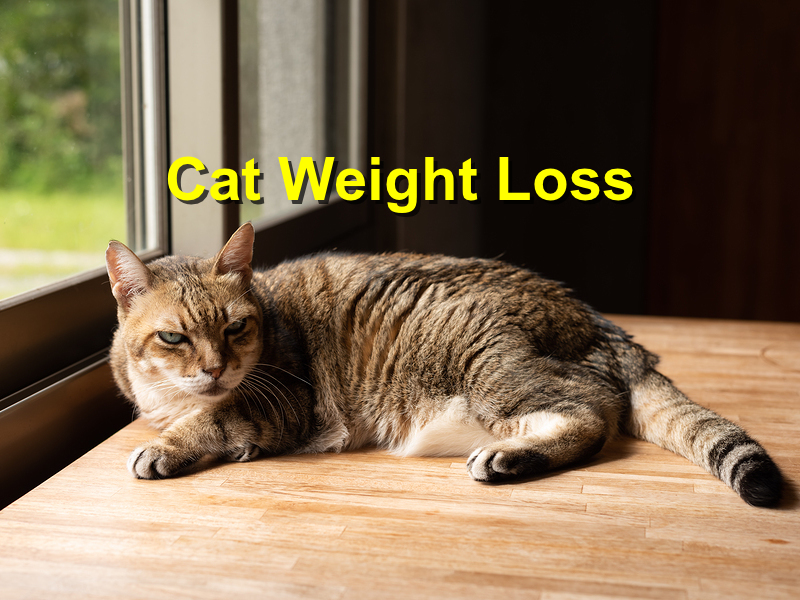
    While overweight cats are certainly on the rise, unexplained weight loss is also something to worry about for cat owners. Depending on what is causing your cat to lose weight, it’s likely that their appetite is entirely gone or significantly reduced. Lack of food can lead to anorexia and other risky health conditions. Learn the primary reasons why your cat is losing weight here below.

    Dirty dishes

    Are you serving the cat’s food on clean dishes? Cats can quickly get fussy about their food if it’s not appropriately served. For dry cat foods, store them in airtight containers to preserve freshness. Also, have clean water readily available and ensure to clean out the debris and hair that may fall into the eating blow.

    Stress and anxiety

    Cats under stress in their environments can stop eating, which can lead to significant weight loss. Some of the situations that could cause stress to your cats are excessive noise during mealtime and even placing the food near their litter box. If a cat fails to eat for more than one day, contact your vet so that they can run tests and rule out more significant health issues.

    Gastrointestinal problems

    Food allergies and other gastrointestinal issues could be the reason behind the unexpected slim-down. Roundworm infections are pretty common in cats, and they can get these infections either through drinking milk from their mother or through eating rodents. If your cats love bringing home rodents, then look through their feces for worms. Next, go to your vet for de-working medicine to quickly treat the problem.

    Age

    As cats continue aging, they will likely have considerable changes in their overall weight. While certain senior cats become bigger and overweight, others often slim down. The culprits here are likely dental disease and a reduced feeling of smell. Elderly cats may also have metabolism changes or constipation that leads to a visible weight loss. Consult your vet regarding the best diet for your senior cat and book regular checkups to enable you to identify issues early. 

    Conclusion

    If you have eliminated the common cat weight loss explanations mentioned above, then consult your veterinarian for additional consultations. Your vet will conduct extensive tests to determine the reason for the weight loss, as it is a symptom of most cat diseases, like cancer. Nevertheless, it is best to identify and treat any health issues early on to ensure your cat lives a healthy life.

    References: Web MD, Animal Planet, Animal Planet

    Copyright: Local Value