Category: Social Media

  • Heart disease in dogs and cats

    Heart disease in dogs and cats

    Heart Disease in Dogs and Cats?

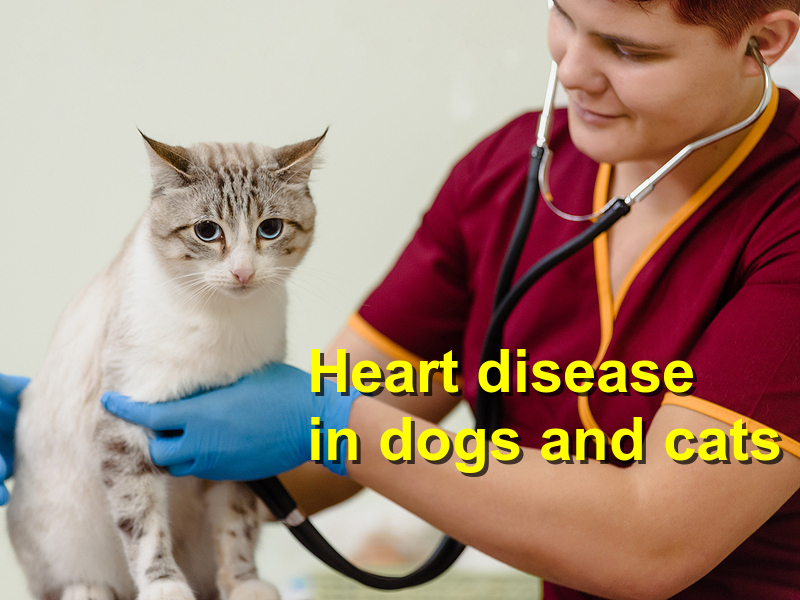
    It can be difficult to diagnose heart disease in cats and dogs without visiting the vet. While the condition might have different symptoms in cats and dogs, a vet can recommend the best treatment option. Unfortunately, there aren’t real proven strategies to prevent heart disease in dogs and cats. 

    Symptoms of Heart Illness in dogs

    The common symptoms of heart disease usually appear in puppies that are born with congenial heart problems. On the other hand, acquired heart diseases can start to show up when the dog ages. Either way, fatigue and inactivity are the first symptoms of congenial heart disease. If you have an active dog, you might start to notice the dog sitting down often during walks. 

    While owners usually attribute this behavior to age, lethargy or arthritis, this isn’t usually the case and could signify a symptom of heart disease. As the condition worsens, dogs start to cough incessantly and some have an increased respiratory effort or rate. So, if your dog is likely to suffer from heart disease due to predisposed conditions, you should monitor the breathing rate. 

    For example, when the dog rests on the floor, try to count the chest palpitations in a minute. If you notice a progressive effort in respect to breathing, then you should visit the vet to correct the problem.

    Symptoms of heart Illness in cats

    The problems is that most cat owners often have difficulty to tell whether their furry friend exhibit symptomatic behavior. But this can progress to heart failure with time when left untreated. It is difficult to tell whether your cat has become inactive due to heart problems, or its just exhibit laziness.

    Common symptoms of heart disease in cats include respiratory difficulty, loss of appetite, and increased reclusiveness. Some few cats even cough to indicate heart disease, especially in the advanced stages. However, purring often makes it challenging to monitor the cat’s respiratory rate. Early diagnosis can help to prevent the condition from worsening.

    How you can assist your pet with congenial heart disease

    As mentioned earlier, it’s important to deal with the symptoms early enough before they progress. The vet will recommend a prescription medication that can extend your pet’s life. So, consult your doctor the moment you suspect your dog or cat has heart disease.

    Conclusion

    Heart disease in dogs and cats has become normal but early detection can treat the symptoms. So, visit the vet if you suspect your pet is ill.

    References:Petmd, Cvcavets, Mulberryvets

    Copyright: Local Value

  • Dog breeds prone to obesity

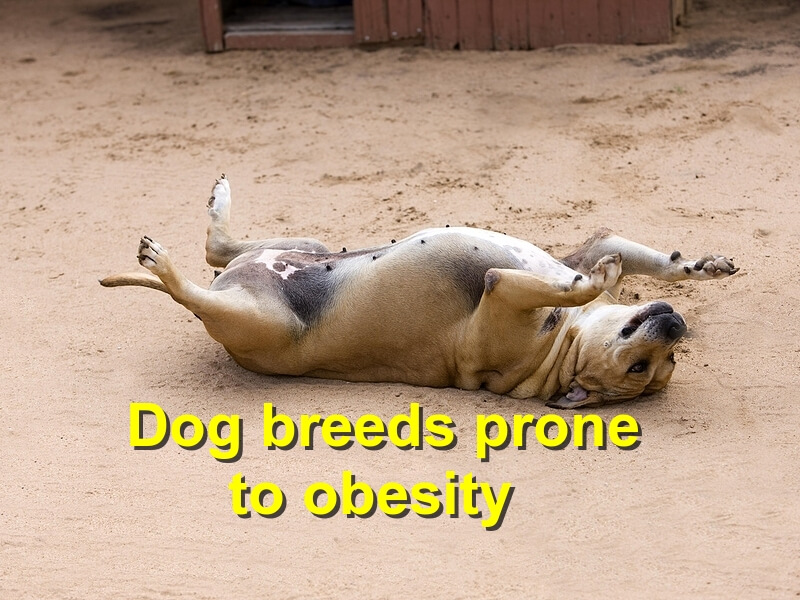
    Dog breeds prone to obesity

    Dog Breed Vulnerable to Obesity

    Since dog breeds usually have varying genetic traits that can affect their behaviors and appearances, they also are vulnerable to different diseases. In fact, some dog breeds are vulnerable to obesity than other breeds. Besides genetics, some dog breeds often gain weight rapidly since they’re less active and have different appetites and metabolism.

    Here are the common dog breeds that are vulnerable to obesity and what to do to ensure your dog has a healthy weight.

    Pugs

    This dog breed isn’t designed to handle strenuous exercise. Also, pugs have a short nose with small nasal opening, as well as an elongated palate with tiny airways that lead the lungs. That makes it difficult for them to perform exercise and combined with excessive eating, pugs are prone to obesity. 

    Additionally, pugs don’t tolerate outdoor heat well. That means they cannot exercise outdoors as other breeds. They are meant to be indoor pets or lapdogs. And due to their personalities and build, pugs don’t usually get enough exercise, while they receive plenty of treats and affection, which can make them obese.

    Bulldogs

    One reason why bulldogs are overweight is that most people assume they need to have a specific look. People believe that bulldogs look stronger, meaner and prettier when they are obese. And to give these dogs an overweight look, these dogs are overfed resulting to obesity.

    Similar to pugs, bull dogs are short-nosed as well. They have a tiny airway and that can cause intolerance for exercise. Due to their inactivity and intolerance to basic exercise, bulldogs often come obese faster than other dog breeds.

    Beagles

    While beagles are generally active dogs, they often have slower metabolism than other dog breeds. However, they have a good appetite that can lead to overfeeding. Initially, beagles were bred to facilitate rabbit hunting and they were allowed to hunt and roam freely on long distances, which means they didn’t have any obesity issues.

    But today beagles never go on hunting expeditions and rather stay indoors in confined rooms throughout the day. When beagles don’t get enough exercise and fed lots of treats and food, then they are prone to become overweight.

    Conclusion

    If you have one of the dog breed mentioned above, get him to exercise regularly to keep a healthy weight. But if you suspect your dog is sick due to obesity, you need to visit the vet immediately to get appropriate treatment.

    References: Petmd, The active times, Puppy Toob

    Copyright: Local Value


  • Pet Christmas

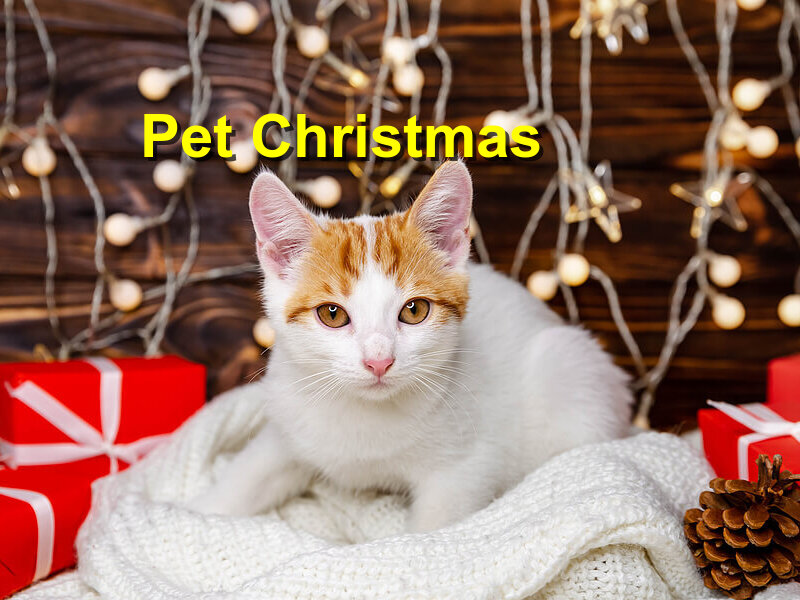
    Pet Christmas

    Important Pet Safety Tips to Adhere to this Coming Christmas

    Here are a few recommendations and tips to assist you in keeping the pets out of harm’s way even as we head into the festive season. 

    1. Your Christmas tree

    If you are planning on having a real Christmas tree, then it is advisable to get into the habit of cleaning up those tree needles regularly to avoid mishaps that could get these needles stuck in your pet’s throat and paws. Also, ensure that the tree is anchored securely in such a way that it will not fall or trip over thereby endangering your pet. Additionally, it is a good practice to cover the base of the tree to prevent your pet from drinking the water that could contain bacteria or fertilizer. 

    2. Decor 

    It is important to hang the various decor instruments as high up as possible and away from your pet’s reach. This includes stuff like decorative balloons, baubles or tinsel that could break/burst and hurt your pet. And as an extra precaution, you can always build a small playpen around the Christmas tree to discourage your cat or dog from meddling the presents or gifts. Speaking of which, avoid leaving any open flame candles lit and unattended. Also, make sure that they are placed on stable surface, preferable a candle holder. 

    3. Keep treats, drinks and snacks away from the pet

    Get into the habit of keeping alcoholic drinks, sweets, chocolate, and snacks out of the pet’s reach. Alcohol, in particular, is a nerve poison that can end up making the pet weak or even go into a coma. Xylitol (a sweetener used in many snacks) and chocolate, on the other hand, can cause a serious case of food poisoning if consumed accidentally by your pet. 

    4. Pet-proof your leftovers and garbage

    Avoid feeding your pet any leftover food, especially cooked bones or food. Our food is typically too spicy and fatty for our furry friends and could potentially cause serious stomach upsets and complications. The same applies to garbage that can give off a delicious enticing odor to your unsuspecting four-legged companion but be later on turn out to be a source of misery. 

    Sources: Petplan, Insider, QZ

    Copyright: Local Value


  • Why do cats hide?

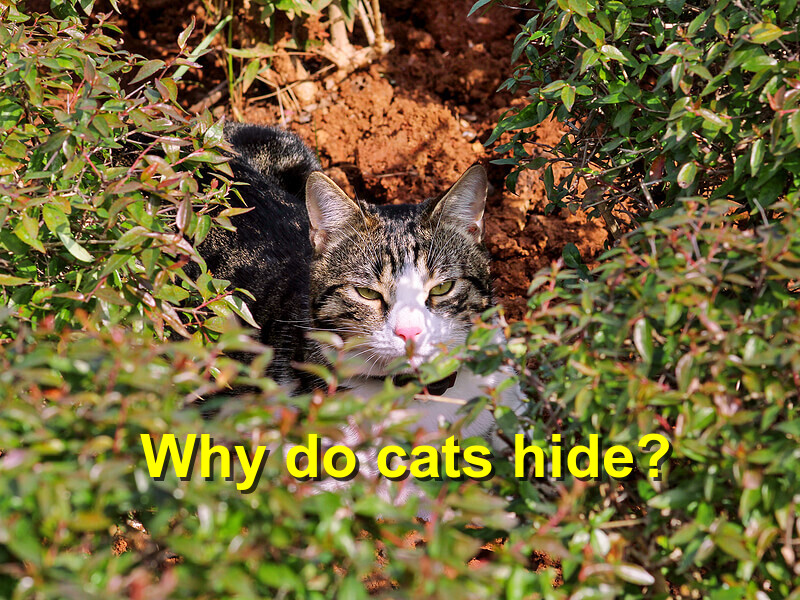
    Why do cats hide?

    Why Do Cats Hide?

    Did you recently call your cat and noticed it popped out from a hiding spot? Maybe you couldn’t locate where your cat had hidden. Cats enjoy hiding both outdoors and indoors, but why does this happen.

    Kittens aren’t very social

    While cats are social creatures, sometimes they enjoy lonesome company. They might feel overwhelmed when they are around people or animals constantly. But they also need time to sleep, de-stress or groom themselves.

    Your pet loves you, especially when you feed it regularly but don’t feel offended when the cat hides from time to time. When cats are overwhelmed, scared, upset or depressed, they often choose to isolate themselves from everything and everyone. Remember that humans also act this way in certain circumstances.

    Trying out new stuff incognito

    When the cat notices something strange or is placed in a new environment, it might hide due to anxiety and fear. That allows the cat to assess the new environment carefully without too much attention. According to vets, cats feel safer when they are in hiding. And when the cat feels safe that no one is watching, it will feel comfortable to explore its surroundings to determine whether it’s safe.

    Hiding is a common reaction especially when strangers visit your home. If the cat doesn’t feel comfortable around the visitors, it will go into hiding until they leave. Even when you can spot it, the cat will only feel safe in hiding or high on your cabinet – just out of sight.

    Cats also hide when they are anxious and strangers can cause your cat to be anxious. But once the anxiety subsides, the cat will reappear slowly from hiding.

    Hiding is the cat’s natural instinct

    Domesticated cats are hunters by default and that will never change. Cats are born hunters and hunting instincts require them to hide as they wait on their prey. So, if the cat is hunting a rodent or simply playing, hiding provides a vantage point to pounce on the prey the right moment.

    Some cats even play with children this way. If they are pretend hunting, hiding helps to keep them alert and engages their natural instincts. And even when you cannot see them hunting, this doesn’t necessarily mean they aren’t stalking the pray. Cats have sensitive nose and ears and can easily pick up indications of movement with ease.

    Conclusion

    Learning why your cat hides often is key to ensure you identify when something doesn’t seem right. If your cat hides frequently than often, consult a vet to check whether the cat has an underlying health problem.

    References: Pet Emergency Education, Purina, Feline Behavior Solutions

    Copyright: Local Value

  • Pet Christmas

    Important Pet Safety Tips to Adhere to this Coming Christmas

    Here are a few recommendations and tips to assist you in keeping the pets out of harm’s way even as we head into the festive season. 

    1. Your Christmas tree

    If you are planning on having a real Christmas tree, then it is advisable to get into the habit of cleaning up those tree needles regularly to avoid mishaps that could get these needles stuck in your pet’s throat and paws. Also, ensure that the tree is anchored securely in such a way that it will not fall or trip over thereby endangering your pet. Additionally, it is a good practice to cover the base of the tree to prevent your pet from drinking the water that could contain bacteria or fertilizer. 

    2. Decor 

    It is important to hang the various decor instruments as high up as possible and away from your pet’s reach. This includes stuff like decorative balloons, baubles or tinsel that could break/burst and hurt your pet. And as an extra precaution, you can always build a small playpen around the Christmas tree to discourage your cat or dog from meddling the presents or gifts. Speaking of which, avoid leaving any open flame candles lit and unattended. Also, make sure that they are placed on stable surface, preferable a candle holder. 

    3. Keep treats, drinks and snacks away from the pet

    Get into the habit of keeping alcoholic drinks, sweets, chocolate, and snacks out of the pet’s reach. Alcohol, in particular, is a nerve poison that can end up making the pet weak or even go into a coma. Xylitol (a sweetener used in many snacks) and chocolate, on the other hand, can cause a serious case of food poisoning if consumed accidentally by your pet. 

    4. Pet-proof your leftovers and garbage

    Avoid feeding your pet any leftover food, especially cooked bones or food. Our food is typically too spicy and fatty for our furry friends and could potentially cause serious stomach upsets and complications. The same applies to garbage that can give off a delicious enticing odor to your unsuspecting four-legged companion but be later on turn out to be a source of misery. 

    Sources: Petplan, Insider, QZ

    Copyright: Local Value


  • Senior Dog Issues

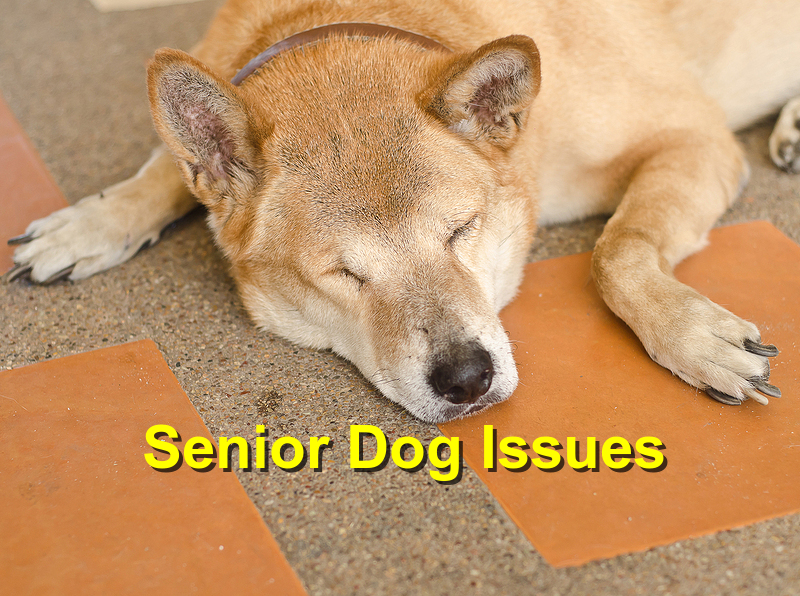
    Senior Dog Issues

    Got an Older Dog? Here’s 4 Things That You Must Know About Senior Dogs 

    1. Old age is part of the natural progression of life and not a disease 

    Your dog could be advanced in age but that does not necessarily mean that it has to be denied access to a healthy, enriched and comfortable life. True, older dogs generally tend to develop more health issues that younger ones, but timely preventive care can keep most of these ailments at bay for as long as possible. Get into the habit, for instance, of taking your senior dog for a comprehensive physical exam at least twice every year. And this should include cancer cells scans and bloodwork if need be. 

    2. Make your home friendly to your senior furry friend 

    It goes without saying that a dog’s physical senses and ability to hear, see, smell and agility takes a heavy toll as the years roll by.  Mindful little changes in their immediate daily living environment, therefore, will go a long way in preventing accidental injuries. It would also be helpful if you changed how you play, interact or exercise with your dog as far staving off injuries go. For instance, you could choose to play with the dog in the backyard instead of going to public parks. 

    3. Pay greater attention to your dog’s diet and nutrition

    The type of food (and also the amount) will typically change as your dog moves through different stages of their life. It is also important to realize that your dog becomes increasingly predisposed to obesity as they near the end of their life. Hence, it is advisable to periodically cut back on their calorific provision to keep unwanted weight gain at bay. Have it at the back of your mind that maintaining recommended weight is paramount to keeping your senior pet active. 

    4. Be on lookout for parasites 

    Senior dogs are known to be prone to infestations by internal parasites. And this is why veterinary doctors recommend that one ought to take the necessary preventive measures to shield them from worms and parasites.

    Sources: NPR, Old Dog Haven, Petcube

    Copyright: Local Value

  • Cat Eye Discharge

    Cat Eye Discharge

    Learn About Cat Eye Discharge – and What You Should Do About it 

    Let’s find out, shall we. 

    What exactly is cat eye discharge? 

    Typically, a cat will produce tears throughout and constantly throughout the day. Normally, the tears secreted often drain at the far corner of the eye without necessarily spilling over. But if something (may be a foreign particle) triggers an irritation to the eye, more tears than normal will be produced hence leading to them spilling over. And it may result to unsightly buggers if their normal pathway/drainage is blocked. 

    1. Small amounts of eye discharge is most likely nothing to fret about

    Technically, a normal cat eye ought not to have any kind or nature of ocular discharge, but this is rarely the case. Experts have observed that certain breeds of cats will show a clear discharge, which at times may be dry, crusty or light brown in color, especially in the morning or after your furry friend wakes from a nap. If this is the case, then it’s perfectly normal and it does not have to be anything to worry about. 

    2. Certain breeds are predominantly more predisposed to discharge and eye buggers

    Himalayans, Persians and other exotic breeds are genetically more prone to develop discharge than others due to the characteristic shape of their eyes. As you may already know, they have short noses, round and large eyes that may make them tear a lot more than other non-brachycephalic breeds. 

    3. Always be on the lookout for abnormal cat eye discharge 

    Often at times some types of eye discharge may be an indication of undiagnosed ophthalmic diseases and disorders such as conjunctivitis, corneal ulcers or entropion. Green or yellow discharge, for example, is not under any circumstances whatsoever normal. And if your cat begins to show more discharge (all of a sudden) than they normally would, then it is highly advisable to book an urgent appointment with the veterinarian as soon as possible. The vet will then carry out extensive and thorough tests to get to the bottom of what exactly is causing your pet’s abnormal eye discharge. 

    4. Hygiene is very important

    It is very important to make sure that your pet’s eye area is always clean and sterile to avoid chances of infection. Use a clean, soft and wet cloth to regularly wipe off boogers and discharge away from around the eye area. 

    Sources: Webmd, Honestpaws, Petcarerx

    Copyright: Local Value

  • Pet Thanksgiving

    Pet Thanksgiving

    Safety Thanksgiving Tips For Your Pets

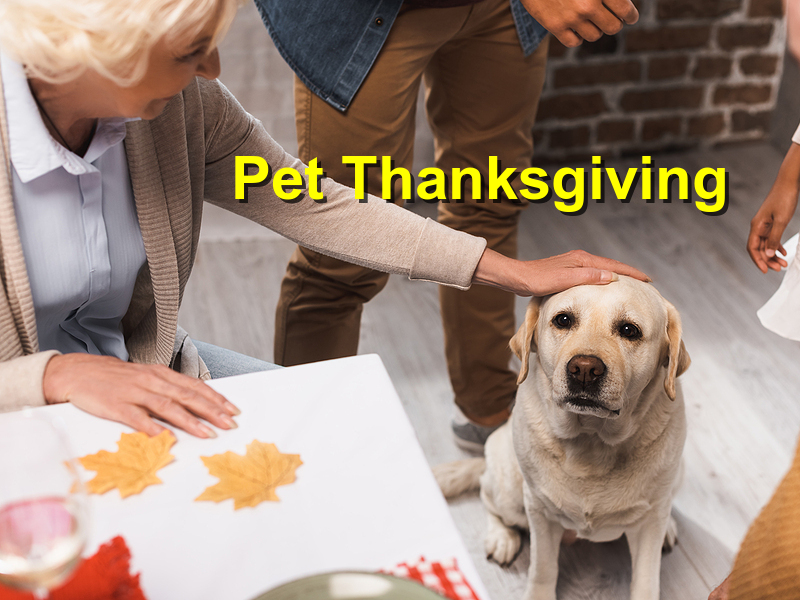
    Pets and thanksgiving go hand in hand and you should keep your furry friends safe during this day filled with treats and festivities. There are a few things you need to do before the celebrations start. It is important to make the festivities safe and pet-friendly to avoid unnecessary incidents. 

    Food Safety

    Often, thanksgiving is more about food and treats, but not all diets are safe for your furry friends. Below are some foods you should be careful with as they might be poisonous for pets:

    • Chocolates – While a tasty box of chocolate is a great treat for your guests, it can be poisonous to cats and dogs and can cause seizures, diarrhea, vomiting, high blood pressure, and other undesirable symptoms.
    • Cakes and pies – Try to keep kitty and puppy noses from the mixing bowl when baking using raw eggs as it can poison them. Also, remember that xylitol – an artificial sweetener found in most desserts can be potentially fatal when consumed by pets.
    • Bread Dough – When your cat or puppy accidentally ingests bread dough, the yeast found in the dough can be poisonous for your pet.
    • Turkey – Boneless turkey pieces should be just fine for your guests but leftover carcasses can choke your pets and cause gastrointestinal injury.

    Costume reminders

    If you plan to dress your cat or dog for Halloween, you can consider buying a costume that suits the thanksgiving festivities. Just ensure the costume is spacious enough to avoid limiting mobility or obstruct breathing. More importantly, the costume shouldn’t have any choking hazards like feathers, beads, and other dangling pieces.

    Decoration dangers

    While corn and decorative pumpkins aren’t toxic, consuming too much can cause stomach upset for your pets. So, be extra careful of candles as your curious pets can easily knock them over. That said, avoid thanksgiving decorations that have smaller pieces as they can choke your pets. Alternatively, hang the ornaments on an elevated place.

    Floral Centerpieces

    Most people usually brighten their homes with an array of floral arrangements. Just ensure you know some of the plants that are toxic to cats and dogs. Some of the poisonous festive decorations include chrysanthemum, autumn crocus, and acorns from oak trees.

    Conclusion

    If you suspect that your cat or dog has ingested a poisonous treat or plant, act fast and visit the vet to address the problem. Remember that poisoning can be fatal for pets and hence should be addressed as fast as possible. 


    References:

    Aspca pet insurance, AVMA, AVMA