Category: Social Media

  • Canine Influenza

    Canine Influenza

    Dealing With Canine Influenza 

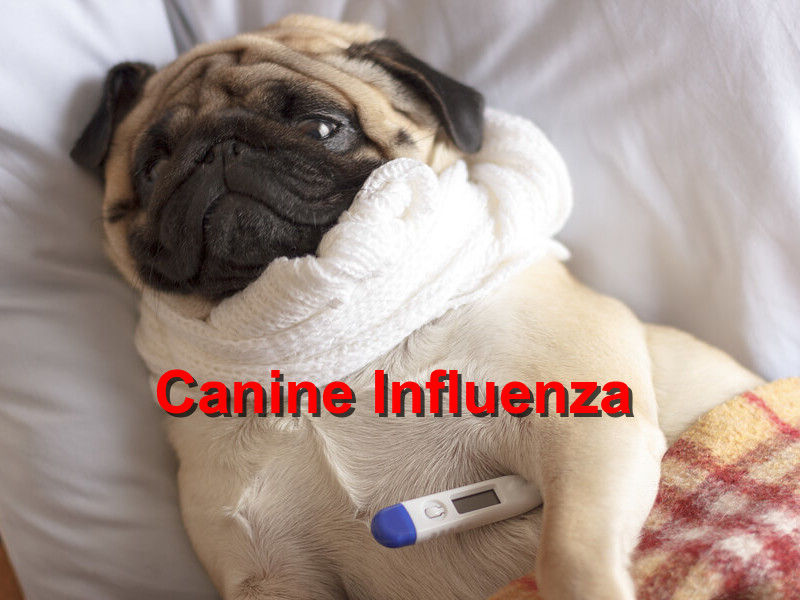
    Dog flu or canine influenza is an infectious viral infection that affects both cats and dogs. Currently, the most common strains of dog flu are classified as the H3N2 and H3N8 respectively. This influenza virus can easily change to new strains and can be transmitted from one dog to the next.

    Transmission

    Dog flu is usually transmitted through aerosols or droplets that contain respiratory secretions caused by sneezing, barking and coughing. Dogs that are in close proximity with dogs that have canine influenza in surroundings like groomers, shelters, kennels and day care facilities are at a higher risk of getting infected.

    On the other hand, canine influenza is spread through objects such as water bowls and infected leashes and collars. It is essential to disinfect all contaminated objects that have been used by an infected dog to prevent other dogs from getting infected.

    Similarly, if you have recently been in contact with an infected canine, you should wash your hands thoroughly to prevent the virus from spreading.

    Incubation period 

    Canine influenza has an incubation period of up to two days when on the surface, 12 hours on hands and 24 hours on clothing. It is therefore essential to implement disinfection procedures and biosecurity protocols to prevent disease transmission.

    According to experts, H3N8 virus has a long incubation period of about 5 days, and the clinical signs might appear within 2 days after exposure. Canines that have been infected might start showing difficulty in respiratory functions  between 2 to 7 days. 

    Clinical and pathology signs of infection

    Canine influenza often infects the dog’s respiratory tract and the nasal lining. An infected dog will have bronchiolitis, bronchitis, tracheitis and rhinitis. When the respiratory tract is exposed, bacterial infections in turn causes coughing and nasal discharge.

    A common clinical sign that your dog has canine influenza is persistent cough that lasts for 10-20 days despite antibiotics treatment, as well as cough suppressants. Affected dogs might have a dry cough. Other common symptoms of infection include anorexia, lethargy, sneezing and nasal discharge. Most infected dogs usually have prolonged fever and constant nasal discharge.

    Treatment

    If you suspect your dog has been infected by canine influenza, you should consult a vet who will determine the best choice of treatment. Proper nutrition and husbandry can help enhance the dog’s immune system. Most dogs usually recover within 1-2 weeks after treatment.

    Conclusion

    If your dog is showing symptoms of respiratory disease caused by canine influenza, you should consult a vet immediately to prevent exposing the virus to other pets. 

    References: AVMA, AKC, CDC

    Copyright: Local Value

  • Poodles

    Poodles

    Important information about Poodles

    Key characteristics

    Poodles have an extended muzzle and an oval skull. Their eyes are round shaped and are often set apart. They are either black or brown and their tail is high. Their elongated ears are flat and their coat might be curly or corded with many combinations and colors.

    Where do they originate from

    Poodle is considered as one of the oldest breed and traces its origin in Germany. Early paintings trace the origin of the breed from the early 15th century. In fact, ‘’poodle’’ describes water activity and was initially referred to as pudel, a German word.

    Poodles were often used for water retrieval and their coat was perfectly trimmed to improve their swimming ability. Poodles are affectionate pets that can also participate in obedience, conformation, rally, tracking and field events.

    Are they friendly?

    Extremely smart, poodles are easily trainable. They are playful with a happy demeanor and movement. And though they are usually less vigorous than other dog breeds, poodles require regular exercise and consistent training to eliminate unwanted behaviors. However, they are prone to suffer anxiety with harsh discipline.

    They are friendly and don’t enjoy solitude, and might suffer from extreme separation anxiety when you lock them in a kennel. What’s more, poodles can live in harmony with children and other pets but should be slowly socialized before they are allowed to meet other animals.  

    Is a poodle right for you?

    This is an active breed that needs consistent exercise to expel energy. You should take your poodle for daily walks or let them enjoy playing in water. Their great stamina means that they require daily walks and exercise. Poodles are laid-back indoors but can do extremely well in apartments. 

    Grooming needs

    Poodles have little hair and hence you don’t need to shave their coat. As mentioned above, they are excellent for people who suffer from allergies. Regularly check the poodle’s ear to remove mites and built up wax. Also try and remove the hair that grow inside the ear. Brush their teeth regularly and trim their nails. 

    Health problems

    This graceful and intelligent beauty is often affected by a variety of health concerns. They are vulnerable to allergies, ear infection, bloat, skin disease, and eye problems like cataracts.

    Conclusion

    If you are considering adopting a poodle, it is important to first consult your vet who can recommend where you can find reliable breeders.

    References: Petful, Dogtime, AKC

    Copyright: Local Value

  • Cat Warts

    Cat Warts

    Cat Warts – How To Deal With Them

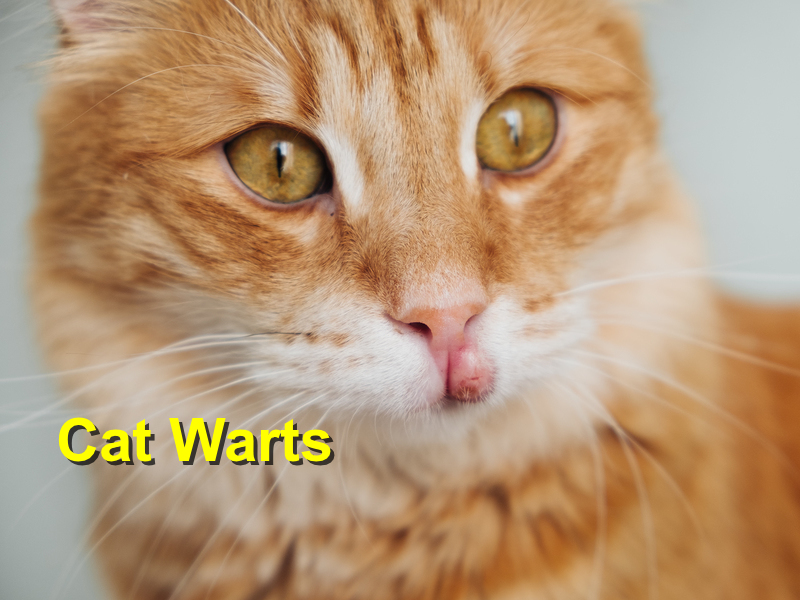
    While commonly linked to toads and witches, warts can affect several species and cats are very vulnerable to them. Cat warts often appear as skin disease and can easily be confused with lumps. Though they are not dangerous, immediate medical attention is essential when the lump doesn’t go away.

    It is fairly a common occurrence to find a lump on your cat. Abscesses, bug bites and fatty tumors are the typical culprits. An abnormal raised area on your skin can indicate the presence of a wart. Cat warts usually stem from papilloma viruses.

    How to identify cat warts 

    If your cat has a scaly abnormality on its skin, you should first monitor it before you consult a vet. More importantly, your cat’s strong immune system might destroy the virus. Nonetheless, when the skin abnormality continues, then you need to take your cat to the vet.

    What causes cat warts?

    Cats usually contract the dangerous papilloma virus by direct contact with another pets or animals’ bowls, toys and bedding, etc. However, cat warts are very rare. Just like any medical condition, here are some of the factors you need to keep in mind when dealing with cat warts.

    Cat warts cannot be spread to humans. This virus is usually animal specific. For example, cat warts cannot be easily transmitted to humans.

    Cats with weak immune systems are often vulnerable to warts. Older cats and very young cats are more vulnerable to get infected by the papilloma virus.

    Secondary complications: It is important to prevent your cat from biting, licking and scratching the wart to prevent further infection. 

    Always ensure your cat’s environment is contaminant free. When you get a diagnosis that your cat has warts, you should change all the items in the adjacent surroundings. Get new bedding and litter boxes.

    Cat warts can appear anywhere on the cat’s body. Though they might be found on the skin, they can also hide inside the mouth. It is therefore essential to monitor your cat regularly to ensure watts aren’t popping up.

    Treating cat warts

    While there is no specific treatment to cure this condition permanently, these lesions can be removed permanently through surgery.

    Conclusion 

    If your cat has warts, don’t attempt to remove them using over-the-counter drugs. You should consult your vet to recommend the best treatment option.

    References: Catster, Petmd, Wag walking

    Copyright: Local Value

  • Dog Energy

    Dog Energy

    Is your dog’s energy level right?

    If you have a dog, you need to know their energy level so that you can tell whether your pup needs more play time, or a short walk around the park and then take a nap. Is it possible to tell that your dog has the right energy level?

    For example, if you are considering adopting a dog, you should not settle for a specific breed but instead look for a dog that has the right energy level. So, how can you tell whether your dog has the right energy level? Here are simple ways to help you figure out your dog’s energy level.

    The type of breed matters

    A dog’s mix or breed can offer you a rough idea whether the dog you want leans toward lower or higher energy level. Siberian huskies, Jack Russel terriers, and Dalmatians are usually active with high energy levels. On the other hand, breeds like bulldogs, basset hounds, and pugs often tend to have lower energy.

    Take the dog for a walk

    A walk can help you judge your dog’s potential energy. Again, you might not be able to do this at the shelter but if you volunteer to walk the dog around the park, you will learn a lot. Does the dog try to drag you along? Or is it reluctant to take a walk? Does the dog wear out fast after the walk? This is the most direct way to judge your dog’s energy.

    Try interacting with the dog

    Dogs often act differently depending on their surroundings, who is in their presence, and whether they have been looked up the entire day or just relaxing after a long walk. If you want to adopt a dog from the shelter, you might not have the chance of observing it in it’s true element. Put simply, you cannot perform a ‘’test drive’’ to get a rough idea of the dog’s energy level.

    As an example, a calm dog can be laid-back in a hectic dog pound. But dogs that run and bark when there is hardly anyone around are undeniably energetic. Therefore, if you want to adopt a dog from a breeder, then you have the chance of first interacting with the dog. Find out if you can visit the shelter before walk time and observe how the dog responds to strangers, or interacts with the groomer. 

    Conclusion

    If you get an active dog from the shelter and after a few days it suddenly becomes calm and laid-back, it is advisable to visit the vet to check whether the dog is sick.

    References: Cesarsway, Dogtime, Petsplusfl

    Copyright: Local Value

  • 5 stages of cat pregnancy

    5 stages of cat pregnancy

    5 Stages Of Cat Pregnancy 

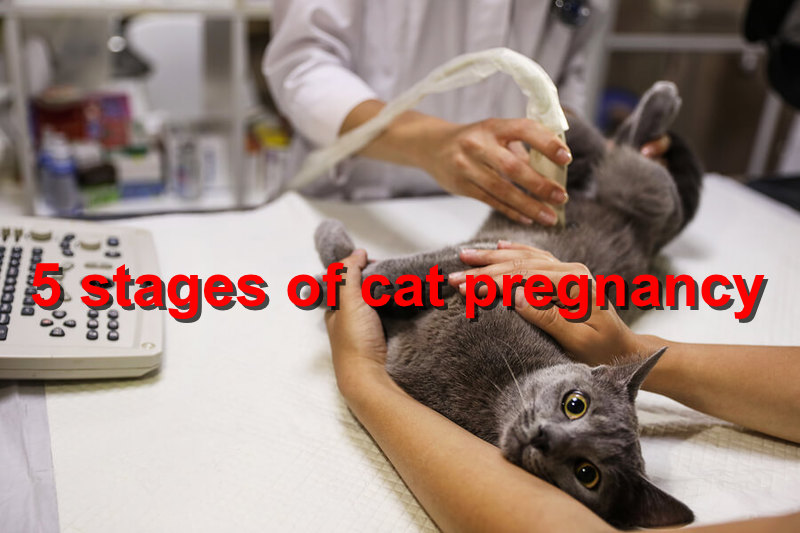
    Although most people often recommend cat neutering or spaying, there are chances that you may have to deal with cat pregnancy, due to deliberate breeding or an unexpected liaison at the shelter or clinic. So, how long do cats stay pregnant and what should you do to ensure safe delivery of kittens? Well, here are the 5 stages of cat pregnancy to guide you on what to do:

    1. Fertilization

    Before we first discuss how long cats are pregnant before they conceive, let’s first have a look at what age they reach peak sexual maturity and go into heat. Generally, cats usually go into heat once they are six months old. 

    Recent findings show that a cat is pregnant for around 58 to 70 days before it gives birth. But this is only a rough estimate.

    2. What happens during the early stages

    Do cats experience morning sickness when pregnant? Yes, cats experience morning sickness when they are pregnant. During the initial two to three weeks of pregnancy, the cat will eat less due to nausea. After the third week, the cat will start gaining weight and by this time, you will start to feel some lumps in the stomach of the developing kittens.

    3. The middle stage of pregnancy

    Your cat will start gaining weight rapidly. As the kittens get bigger in her stomach, your cat will look as if the belly has a football inside. If you are eager to know the number of kittens the cat is carrying, you can request a vet to perform an X-ray.

    4. Pre-labor

    Most people are often unable to tell when a cat is just about to give birth. Pre-labor is usually about six days before the cat gives birth. You will notice that her nipples become more pronounced and you might spot milk drops in the litter. 

    At this point in time, she will start moving around restlessly looking for a safe and warm place to birth her kittens. The cat will become inactive and stop eating at the last one to two days before she is about to go into labor.

    5. Labor

    It is easy to tell when your furry friend is about to go into labor. Your cat will lick her genitals aggressively and might even make noises to show discomfort. If your cat is having its first litter, it will pace around anxiously. She will give birth after about an hour when the labor starts. 

    Conclusion

    After 12 weeks, the kittens should by properly weaned. It is advisable to take your cat to the vet to be spayed to ensure she doesn’t get pregnant in a short period of time.

    References: Catster, Medic animal, Purina

    Copyright: Local Value


  • Yorkshire Terriers

    Yorkshire Terriers

    Characteristics of the Yorkshire Terriers

    This breed has a large personality but has a tiny body. Read on to find out what makes this dog an excellent choice of pet. 

    1. Key features of Yorkshire Terriers

    The Yorkshire Terrier is usually kept as a toy breed by many homeowners. While it’s tails is normally docked, some European countries don’t allow this practice. Their coat is silky and often comes in varying colors of tan and steel blue. The coat can be clipped short to allow easy maintenance.

    2. Where do they originate from?

    The breed traces its origin in Scotland but later migrated to England. People were very fascinated with the canines’ coat and often made sarcastic remarks. However, despite this perception, this dog breed later flourished and become popular in England and beyond.

    The dog was helpful in dealing with rats and mice from the mills. Due to its small shape, it could easily fit in animal burrows and chase out rodents. The dog was also useful in keeping vermin at bay, especially at the weaving mills. The American Kennel Club recognized the breed in 1885.

    3. Are they friendly?

    Their small physique should not fool you. Although they might have a small stature, they have a big personality. Proper training will prevent them from becoming unruly or snappy. They are difficult to train so that they can live indoors with other pets.

    They are energetic, curious, affectionate and brave companions. And somewhat surprisingly, they are excellent watchdogs as well.

    4. Should you get this dog?

    Due to their small stature, this breed requires limited exercise. Ensure you play with them daily and take daily walks with them to expel built-up energy. The dog is active indoors but suitable for indoor living. 

    They are active indoors and suitable for apartment living. However, they have high grooming needs. While they don’t shed a lot of coat, you still need to brush yours regularly. Otherwise, the coats can become tangled and painful when combing.

    They are also vulnerable to get dental problems and therefore you have to brush their teeth on a daily basis. Additionally, trim their nails and remember to also clean their ears properly. In hindsight, this is an excellent dog for those with canine asthma and allergies.

    Conclusion

    You can consult a vet if you need recommendation on where you can adopt one. Alternatively, you can check with breeders and rescue groups as puppy mills have become widespread.

    References: Petful, AKC, Dog time

    Copyright: Local Value

  • Pet Valentines Day

    Pet Valentines Day

    4 Simple Ways To Have An Amazing Valentine’s Day With Your Pet

    As you prepare to enjoy Valentine’s day with your loved one, remember that your pets also love you unconditionally. With all the boxes of delicious chocolate lying around, and the bouquets of beautiful roses, your pets are your biggest fan. You should try and make this day a special day for them, too. 

    While chocolate is certainly unhealthy for your flurry friends, there are simple ways to ensure your pets enjoy this day. Here are creative ways to show your pets that you care on this special day.

    1. Find an activity they enjoy doing

    For example, if your dog really get’s a kick out of running laps around the park, spend time with them at the park. But if your pets enjoy long walks, wear a comfortable pair of shoe and go for a walk. You can also play with your cats outdoors.

    Whatever you decide to do, it is important to always get them involved. Forget about the work projects you have to complete or the best gift you still have to get for your loved one. Just enjoy spending quality time with your pet.

    2. Get them a delicious treat

    If you are out shopping for a delicious treat for your furry friend, avoid candy as it is unhealthy for pets. Fortunately, there are many pet bakeries you can depend on to get delicious treats that cater to your pet’s dietary restrictions. Alternatively, you can get instructions online on how to make your own cupcakes or muffins for your furry friends.

    3. Buy them a toy

    As kids are usually excited to visit their favorite toy store, your furry friends are not any different. Some stores like Petsmart and Petco allow dog owners to shop with their pets provided they have a leash. Allow your dogs to freely explore the shelves as they choose the best toy. They will definitely look forward to take it home so that they can start playing.

    4. Consider arranging a play date

    Remember that valentine’s day is the best time to show love to those around you. You can arrange an interactive play date with your furry friends and they can play with their own species. A puppy play date will definitely lift their spirits in ways you could have never imagined.

    Conclusion

    If your furry friends accidentally consume chocolate as you celebrate this special day, it is important to visit the vet as soon as possible.

    References: Wide open pets, ASPCA,Pet poison help line

    Copyright: Local Value

  • Pet Dental Month

    Pet Dental Month

    Importance Of The Pet Dental Month

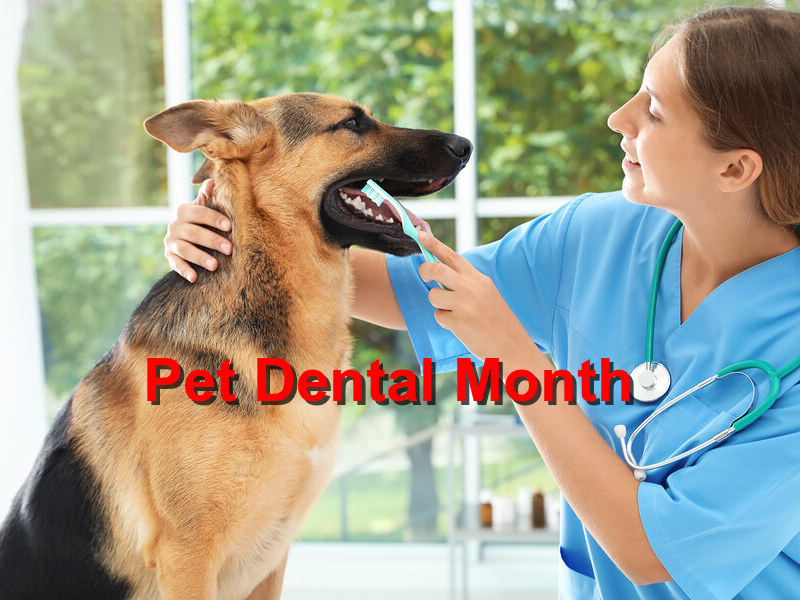
    While most pet owners usually understand the benefits of having a regular exercise and grooming routine for their pets, dental care may be overlooked. It is therefore important to take proper measures to improve your pet’s overall oral hygiene. Remember that your pets overall health might easily be affected by poor oral health.

    Similar to people, dental diseases often affect pets at one point in time in their lifetime. In fact, dental disease often lead to serious consequences when left untreated. While pets aren’t generally expected to have a fresh breath, a foul odor is a sign that your pet have a serious dental problem.

    Common symptoms of oral disease in pets

    Often, stinking breath is an indicator that your pet has an oral disease. Other common symptoms of oral disease might include inflamed gums, loose teeth, and excessive drooling. After reaching about three years, most cats and dogs usually have periodontal disease. However, most pet owners are not normally aware of this disease.

    Periodontal disease in pets can cause inflammation, infection, oral pain, and can easily lead to the onset of other health complications. It can affect the quality of life for your pets. After your pets get proper dental check up on a regular basis, you will realize that they become active and happier.

    Importance of dental care for cats and dogs

    Dental care is important for cats and dogs to enhance their quality of life. For that reason, veterinary practitioners are working tirelessly in the ever changing field of oral dentistry so that pet owners understand that:

    • It is possible to prevent the onset of periodontal disease through quality home care and regular dental examinations.
    • When left untreated, gum disease can cause untold suffering and pain to your dog.

    As mentioned earlier, it is important to ensure your pets receive regular dental exams. More importantly, you need to revisit analgesic and anesthetic strategies, and observe proper general anesthesia correctly and safely. 

    Vets need to familiarize themselves with the correct steps that need to be observed before and after the dental procedures. Additionally, they need to be confident that the treatment recommendations that they provide are sound and ethical.

    Conclusion
    To promote the general wellbeing of your pets oral hygiene, it is important to take your pets to the vet for regular checkup. Proper oral healthcare is essential to keep periodontal disease at bay.

    References: AAHA, Modern dog magazine,Willows

    Copyright: Local Value