Category: Social Media

  • Thanksgiving And Your Pet

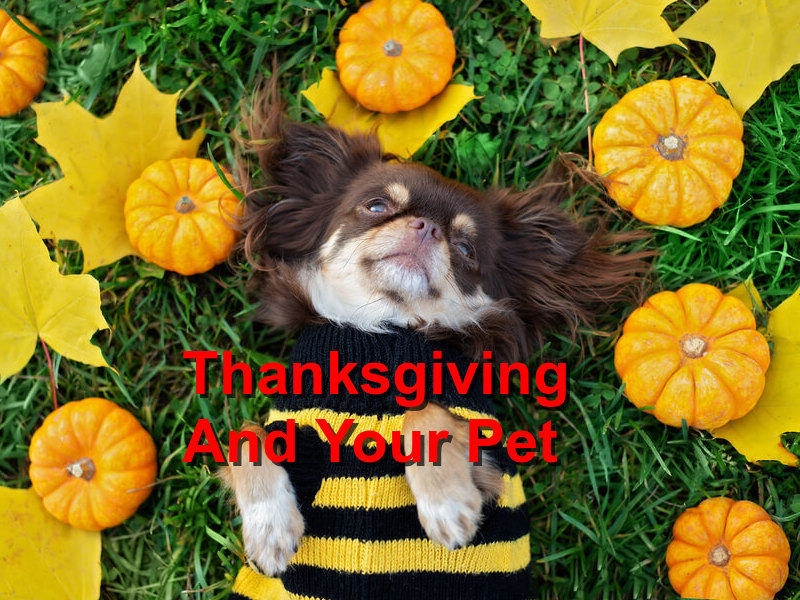
    Thanksgiving And Your Pet

    How to Keep Your Pet Safe During Thanksgiving

    While thanksgiving is always welcome in our homes to brings together friends and family, it can pose a hazard for pets. The first thing you should do to ensure your pets are safe is to keep all holiday foods away. Follow these useful tips to ensure your pets are safe and healthy during thanksgiving.

    Poison risk

    Fatty foods can cause health problems for your pets as they are difficult for them to ingest. On the other hand, holiday sweets may contain ingredients that can harm your pets. 

    Store fatty foods away from pets

    Always keep the turkey away from pets because ingesting a small quantity can lead to a disease known as pancreatitis. Onions, grapes and raisins are also poisonous to household pets. If you feel generous during thanksgiving and want to offer your pet a treat, buy them something that they can enjoy without affecting their health.

    Store desserts in the fridge

    Chocolate might be poisonous for pets as they contain an active ingredient known as xylitol. Yeast products like cakes can cause painful bloating in pets. To ensure you are on the safe side, you should keep the trash hidden away from pets. A piece of turkey left in the trash bin that is easily accessible to pets could be poisonous to pets if they consume it. Dispose of bones and carcasses in a tightly closed trash bin.

    Be cautious with decorative holiday plants

    Remember that some festive flowers can be harmful to pets. Some of these plants include hydrangeas, Sweet William, Baby’s breath, and amaryllis to mention a few. The best way to avoid problems is to keep the pets locked away in a room away from holiday decorations.

    Keep them in a crate or find an extra room

    Thanksgiving means you will host many visitors, and the noise levels may be quite high. Some pets may feel excited or shy when they are around strangers. If your pets are nervous when strangers are present, you can put them in a crate or have them stay in another room. You can distract them with their favorite toy to ensure they don’t suffer from emotional stress.

    Use microchips and identification tags

    Ensure your pet has proper identification tags with updated contact information. That way, when they sneak out in the wild night, they can be returned safely to you. 

    Conclusion

    Remember that speedy action can help save lives. When your pet accidentally swallows something poisonous, you need to consult your local vet immediately.

    References: AVMA, People.com, HSLM

    copyright: Local Value

  • Biggest Health Threat To Your Pet

    Biggest Health Threat To Your Pet

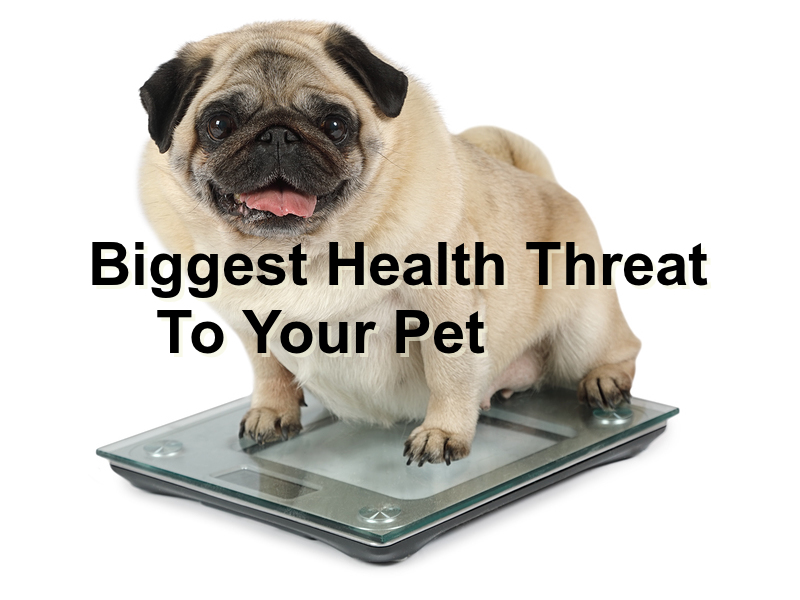
    Obesity in Cats and Dogs: The Biggest Health Threat to Your Pets

    While you might think your cat is perfectly healthy, your veterinarian may say otherwise. Let’s discuss what might be wrong with your pet.

    For starters, obesity in cats and dogs is a severe health crisis. Unfortunately, most people don’t know that obesity can lead to more health problems.

    What are the potential consequences of obesity in pets?

    Obesity can reduce lifespan in pets. Research now shows that thin pets outlive fat dogs by about two years. Therefore, looking at obesity and overweight in cats and dogs as a trivial health problem is a misconception.

    1. Shorter life span and poor quality of life

    If you want to know if your dog is obese, you can use the body condition score. On this scale, 1 shows starvation and eight denotes morbidly obese.

    Research done on Labrador Retrievers now shows that canines that have a lower BCS can live longer than overweight dogs that rank higher on the BCS scale. Slimmer dogs have a lower risk of common chronic diseases. With that in mind, you should remember to ensure your dog has an ideal weight for a long healthy life.

    1. Arthritis

    Leaner dogs are less likely to suffer from arthritis and hence experience less pain when they age than obese dogs. Additionally, low body fat improves mobility and reduce lameness problems.

    1. Intervertebral disk disease

    IVDD, commonly known as intervertebral disk disease, can paralyze your dog. And the sad thing is that all dogs are vulnerable to suffer from this disease. The Dachshund is particularly susceptible to suffer from disk disease. If your Corgi or Doxie is obese, the risk of suffering from disc disease is higher. 

    1. Body inflammation

    Essentially, obese dogs are more likely to suffer from body inflammation, and this can eventually lead to diabetes, pancreatitis, and gastrointestinal disease, to mention a few. You should walk your dog regularly to shed off the extra weight so that you can avoid the onset of these diseases.

    1. Breathing problems

    Overweight dogs usually have trouble breathing that may lead to the onset of conditions such as laryngeal paralysis or collapsing trachea. Obesity in dogs will also overwork the heart. You should ensure your dog has a healthy weight for prolonged, better life. Instead of walking your dog, you can take a morning job with them to keep them healthy so that they can avoid arthritic or breathing problems.

    Conclusion

    If you suspect your dog is suffering from obesity, you need to consult your vet as soon as possible to avoid the onset of diseases.

    References: Petful, Banfield, Omicsonline

    Copyright: Local Value

  • Exotic Short Hair Cat

    Exotic Short Hair Cat

    5 things to know about exotic shorthair cat 

    The exotic shorthair cat is almost similar to the Persian cat. It has round eyes and fleecy texture that compliments its overall appearance. Read on to learn more about the exotic shorthair cat.

    1. Key characteristics

    An ideal exotic shorthair cat is thought to be a well-balanced cat that has a captivating expression. The cat has a circular head that contributes to its round facial appearance. It is well known for its thick coat that is longer when compared to other cat breeds. The cat has oval ears and is famous for its frowny expression.

    1. What is their personality?

    They are extremely friendly and possess characteristics you can find in kittens or dogs. They are affectionate, curious, and playful. However, just like other cat breeds, they also need their alone time. They also form strong bonds with the owner and can quickly get depressed when left alone in an empty house. Due to their calm personality, they make a great lap cat.

    1. Can they get on well with other pets?

    Are you considering buying an Exotic shorthair cat? Well, there is no need for you to worry even if you have a dog or other pets. The cat is outgoing and friendly and can co-exist well with other pets. And if your home has a rat problem, the cat will prove quite useful.

    1. Is this the right cat for you?

    The exotic shorthair cat is not suitable for someone who has a busy schedule. Many people love cats for their sense of independence. While the shorthair cat also enjoys some freedom or alone time, he might not be the best option for someone with a busy schedule. Unfortunately, if you have a hectic schedule, then getting the Exotic shorthair cat might not be the right thing to do.

    1. Will the cat personality make it a perfect pet?

    The Exotic shorthair cat has minimal grooming requirements and easy to look after. The playful, Exotic shorthair cat can quickly adapt well to different living situations and can do well in both apartment and house environments. The cat is adaptable, intelligent, and requires low maintenance. It can also get along perfectly well with children and other pets. However, they are prone to depression and separation anxiety if you leave them alone longer.

    Conclusion

    You should take your cat to the vet when it shows any sign of discomfort. Early treatment can prevent the problem from deteriorating.

    References: Pet health network, Pet finder, Pretty litter cats

    Copyright: Local Value


  • Bulldogs

    Bulldogs

    5 Things that make Bulldogs special 

    If you are looking for the best protection dog, then getting a bulldog is a great idea. Bulldogs are powerful dogs with a lot of love to share.

    1.Key characteristics

    Bulldogs are compact dogs and are very popular in most households in the United States for their massive strength. They have short legs, and their head is large than most dog breeds. They also have prominent skin folds on their face that makes them unique. The ears and nose are dark while their ears are thin and small.

    1. What is their origin?

    Bulldogs got their name due to their ability to trap a bull. Due to its massive strength, it can attack a large bull right underneath, and bite into the bulls’ neck to prevent it from escaping. Original bulldogs are somewhat resistant to pain. Additionally, they were known to be savage and fiercely courageous than most dog breeds. Bull baiting in England was later outlawed in early 1835, and so it’s usefulness and was no longer prominent.

    1. Are they friendly?

    Gentle and loving are some of the words that can describe bulldogs that you find in most households today. Bulldogs are friendly and are always playful, and form strong bonds with both adults and children. However, they can be dominating and stubborn; hence, training might be necessary. They often tend to show aggression and therefore are excellent guard dogs. For that reason, you should never disregard their training recommendation if you decide to adopt one.

    1. Is it the right breed for you?

    While bulldogs are energetic, they tend to become calmer when they age. They can handle apartment life as they are inactive indoors. They don’t need a play yard. Daily walks will help the bulldog expel built-up energy, and meet their exercise needs. Nonetheless, you need to ensure you socialize them properly before you allow them around people and other animals.

    1. Where can you adopt one?

    You can find bulldogs in shelters and rescue centers or find one from online pet stores. If you decide to get a bulldog from your local breeder, ensure the breeder is not operating an illegal puppy mill.

    Conclusion

    If your bulldog has any health issue, you should visit a local vet to get your dog checked. The vet can recommend the best treatment.

    References: Petful, AKC, Dog time

    Copyright: Local Value


  • Halloween and your Pet

    Halloween and your Pet

    Halloween Safety Tips for Pets

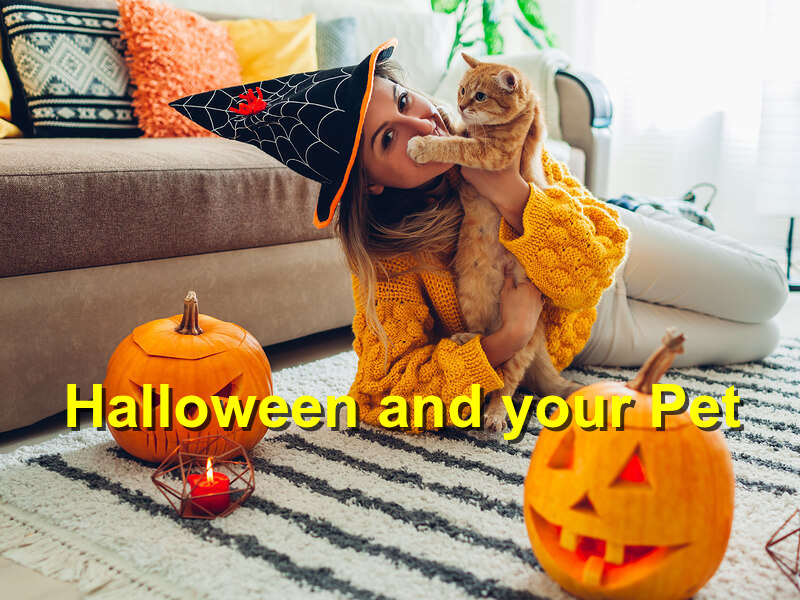
    Halloween can be a fun time for families but not for pets. Here are practical steps you can take to keep your pets safe on Halloween

    Keep your pets indoors

    Its certainly better to keep your pet indoors on Halloween as there will be many activities happening around your home. Strangers walking in and out of your home in unusual costumes can be frightening for your pet, and can result in unexpected aggression or escape attempts. You can put your cat or dog in a safe room to prevent them from running wildly into the night.

    Store glow sticks in a safe room

    Although glow sticks are generally non-toxic, they can add unwanted drama and spoil your holiday when a pet accidentally chews one open. When pets chew on a glow stick, they may become agitated or even vomit. If your pet chews on a glow stick, you should offer a small treat or fresh water to help remove the material from its mouth.

    Keep electric powered Halloween decorations away from pets

    While electric powered decorations are safer than regular candles, they can still present a potential risk to pets. It is therefore important to keep electric powered decorations away from pets as they can cause a life-threatening electrical shock. Pets can swallow batteries leading to gastrointestinal blockage or chemical burns if chewed open.

    Keep lit pumpkins away from pets

    When you use candles to light your Halloween decorations, ensure you place them away from pets. If you are not careful, they can easily burn themselves or cause a fire.

    Never feed them candy

    All types of chocolates, particularly dark chocolate can be lethal for cats and dogs. Some of the common symptoms your pet is suffering from chocolate poisoning might include diarrhea, vomiting, seizures, rapid breathing and increased heart rate. Halloween candies also contain an artificial sweetener that can be poisonous to pets.

    Use proper tags and collars

    You should ensure your pets have proper tags or collars should they escape in the night on Halloween. Microchips offer peace of mind should the tag or collar fall off. Ensure you keep the information up-to-date.

    Keep Halloween plants away from pets

    Although you can feed your pets small amounts of pumpkin and corn, swallowing uncooked Halloween pumpkins can cause digestive problems. Pets often experience stomach upset whenever they eat something they are not used to.

    Conclusion

    In the event your pet is injured during Halloween, you should consult your veterinarian or locate a 24-hour veterinary clinic.

    References: Petmd, Pet insurance, HSLM

    Copyright: Local Value

  • Train your dog to not chew things

    Train your dog to not chew things


    How to Train a Dog Not to Chew on Things

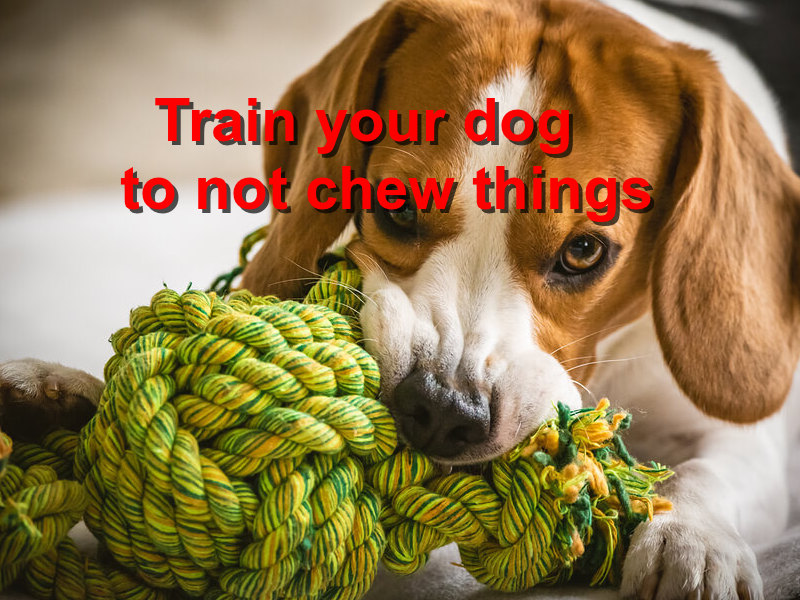
    Destructive chewing affects dog lovers from all walks of life. How can you train your dog not to chew on your things?

    Why puppies chew

    Puppies often use their mouths to learn important life skills. Through their little mouths, they:

    • Learn how to cope with boredom
    • Get out frustrations
    • Soothe teeth and sore gums 
    • Learn about the environment around them
    • Cope with anxiety

    Why older dogs chew

    When do dogs really stop chewing everything they come across? Do they stop this habit when they reach a certain age? If you have dog, you may be looking for answers to these questions.

    Most dogs outgrow this habit that’s often associated with jaw development between the ages of 1-2 years. Chewing is normal when your puppy is teething.

    If your dog never learned the right things to chew while young, they may have a destructive chewing habit when they get older.

    A few things that can cause older dogs to chew:

    • Lack of training 
    • Too much freedom
    • Bad habits learned when young
    • Anxiety
    • Lack of physical exercises
    • A medical problem

    Train your dog to chew on their own toys

    If you want to control this behavior, the goal is not trying to stop chewing. You should show them what to chew instead. Here are some of the ways you can address chewing.

    Confine

    You can try using a crate to train your dog. While many people assume its cruel to use a crate, they are useful when used correctly. Before you try this method, get your puppy used to the crate.

    Sprinkle treats evenly inside the crate and outside

    Encourage your puppy to eat the treats.

    When your puppy finishes eating the treats, you can add more until the puppy gets used to the crate.

    When your puppy is comfortable walking into the crate, offer them a food-stuffed toy and close the door behind them. Once the puppy is done eating the treats from the toy, let them stay there until they are quiet. Gradually leave your dog inside the crate longer and then sprinkle treats after every ten minutes.

    Supervise

    Your puppy won’t stay inside the crate all day. Allow them to play outside the crate but ensure you are nearby to supervise them. By leaving your pup in the crate filled with food-stuffed chew toys, they will learn to chew their own toys instead of chewing on household items. 

    Conclusion

    Chewing has many benefits for dogs but you need to train your dog to chew on their toys and not on your things. If your dog is chewing on its skin, visit the veterinarian as soon as possible as this may cause allergies.

    References: Petful, Dogtime, Cesarsway

    Copyright: Local Value

  • Constipation in Cats

    Constipation in Cats

    Constipation in Cats: What causes it?

    Most cats often don’t drink enough water and this causes them to have digestive problems like constipation. This is a serious condition and should never been taken lightly. Constipation can cause a lot pain and suffering for your cat.

    Is constipation a problem for cats?

    Constipation is unpleasant for cats. Second, frequent episodes of constipation in cats can cause permanent expansion of the colon. There are serious cases of constipation where cats are completely unable to expel stool and may need a laxative. When a cat is ‘’impacted’’ or blocked up and the colon becomes so enlarged, surgery might be the only option.

    Causes of constipation in cats

    The common causes of cat constipation are:

    • A disease
    • Stress at home
    • Dehydration
    • A dirty litter-box
    • Painful defecation

    While it may not be easy to identify the cause, it’s important to find ways to manage the condition and prevent it from worsening. You can consult your local vet to help you find the cause.

    Avoid feeding you cat dry foods and buy canned food instead to ensure your pet gets enough water intake. Canned food contains 80% water while dry food has only 10-20% water.

    Symptoms of constipation in cats

    Constipated cats usually have decreased appetite. When defecating, constipated cats might vocalize their discomfort. Constipation also causes vomiting.

    How do you test constipation in cats?

    First, the vet will perform a complete physical exam. Blood work can show presence of a metabolic disease like high calcium or low potassium. It can show dehydration as well.

    When can you tell your constipated cat needs surgery?

    Extreme constipation is known as obstipation. Cats suffering from obstipation usually have a poor quality of life. A cat that has obstipation has an excessively stretched colon and is unable to expel rock-hard stools. When the colon is unable to perform its job efficiently, medications and diet changes often become useless. Surgery is done to remove the giant, diseased colon.

    How to treat constipation in cats

    After the vet has done a thorough physical exam to test for constipation, here are some of the common treatments to consider.

    • A laxative
    • A diet high in fibers
    • Drugs to help expel the fecal matter 
    • Injection of fluids to help reduce dehydration

    Conclusion

    You should ensure your cat gets plenty of exercise climbing, jumping and running. These activities combined with sufficient hydration will prevent constipation. If you pet goes more than two days without a bowel movement, its best to consult your veterinarian.


    References: Pet Health Network, Petmd, Honest Paws

    Copyright: Local Value

  • Golden Retrievers

    Golden Retrievers

    A Few Things to Know About Golden Retrievers

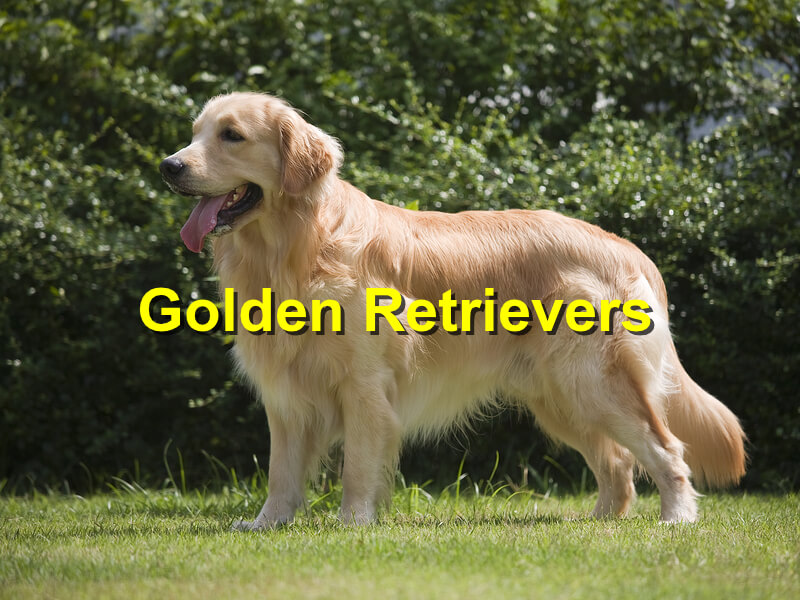
    Golden retrievers are energetic and reliable dogs. They make excellent service animals as well.

    Key Characteristics 

    Golden retrievers are friendly and active dogs. They have a double coat that is water-repellant. Their unique gold color usually varies and can either be light or dark.

    Where do they originate from?

    The breed was first developed in the 19th century by Lord Tweedmouth from Scotland who bred a Tweed Water Spaniel with a Yellower Retriever. This cross-breeding produced an offspring that was later bred with spaniels, Bloodhounds and Irish Setters and developed to the breed we have today. The breeding created a dog that can do extremely well for retrieval purposes on water or land.

    Are Golden Retrievers friendly?

    The dog is friendly and can get along well with everyone. They can be trained to become great search dogs and excellent service dogs. 

    Golden Retrievers are friendly dogs who get along with everyone. They never show aggression or hostility toward people or other dogs. They are trustworthy, reliable, energetic, active and always ready to learn new things.

    Exercise Needs

    The breed can easily become obese so you need to ensure yours gets daily rigorous exercise. Golden Retrievers are energetic and active, and you need to keep them busy with regular exercise to maintain their healthy and general wellness. Lack of regular exercise can cause chewing and behavioral difficulties.

    Grooming Needs

    The breeds’ double coat often sheds seasonally so you have to brush yours frequently. According to experts, you need to brush this dog at least twice a week, and more often in the summer when it’s much warmer. The dogs’ long furs collect dirt easily, so ensure you bathe yours regularly. Trim the nails and clean their ears as well.

    Health Problems

    The common health problems that affect Golden Retrievers include cataracts, hip dysplasia, obesity, cancer, bleeding disorders, heart disease and elbow dysplasia, allergies, kidney failure, and muscle dystrophy.

    Can you adopt a Golden Retriever?

    You can adopt a Golden retriever as most of these breeds often wind up in rescue centers. Alternatively, you can check local adoption resources.

    Conclusion

    Before you adopt a Golden Retriever, you need to consult a vet to ensure you find a dog that is healthy and up-to-date on all immunizations. Also, if you decide to try local breeders, ask for clearance tests. These are tests performed to check if any of the conditions found in the parents can affect the puppies.

    References: Petful, Rover, Pet Helpful

    Copyright: Local Value