Category: Social Media

  • Nail Trimming

    Nail Trimming

    Important Pointers on How to Make Nail Trimming Less Stressful

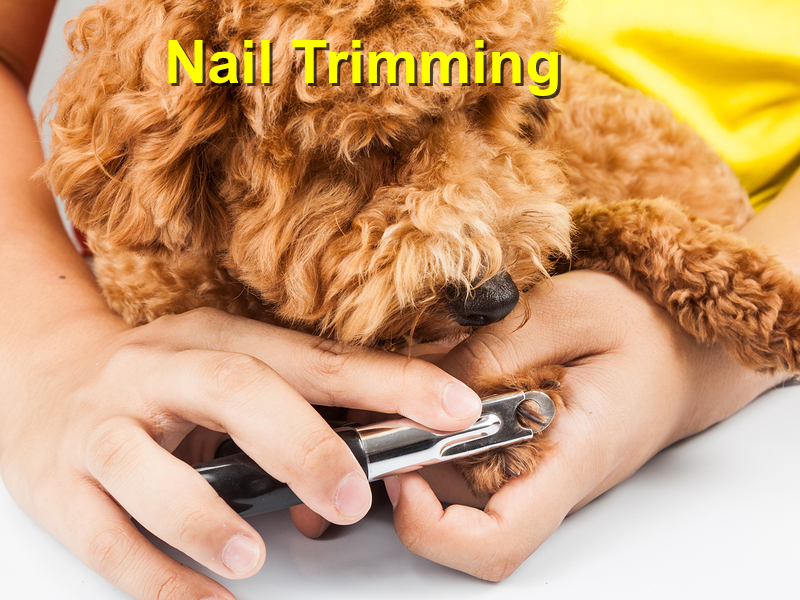
    Of all occasional tasks that pet caregivers, guardians, and owners have to perform, trimming the nails of their favorite canine friend is often the one that they look forward to the least. As you would expect, dogs do not exactly enjoy nail trimming and neither is the trimming process therapeutic.

    Fortunately, here are a few quick tips to how you can make nail trimming non-stressful

    1.  Get your Furry Friend Accustomed to Being Around Nail Clippers

    Dogs have a natural instinct of relating the sight of clippers to past trauma. Hence, it is imperative to resolve this dreadful fear of trimming clippers by reconditioning them to be comfortable around clippers. A good way of doing this is by getting into the habit of summoning your dog while in the presence of clippers. Go even an extra length and act happy as u grab these clippers while giving them a soothing rub or treating them to their favorite snack. If possible, repeat this several times for the next few weeks. Soon, the animal will gradually learn to associate the clippers with treats and praise.

    2. Train them to Allow Relaxed Paw Handling

    Another reason why some pet guardians find it impossible to trim the nails of their pet ( without them being under local anesthesia or a tranquilizing shot ) is that some pets have the tendency of going radioactive as soon as anyone handles their paws. However, you can rework this by getting them accustomed to you touching or applying gentle pressure on the paws. A good approach would be to gift them with supplemental treats and rewards whenever they allow you to handle their paws without objecting or resisting.

    3.  Sharpen the Clippers Regularly

    Dull or blunt clippers can mean excruciatingly painful and comfortable nail trimming. Make sure that the clippers are recently sharpened before attempting to use them on your pet. 

    In Conclusion

    With persistence and a little bit of patience, a majority of our furry faithful friends can accept or even gladly look forward to regular nail clipping and trimming. Nonetheless, if your dog starts to exhibit signs of extreme anxiety and fear such as excessive drooling, trembling, growling, snapping or panting when you attempt to clip their nails, it is best to consult a qualified veterinarian or experienced pet health professional. Avoid aggravating issues by trying to force or coerce them to allow you to clip their nails

  • Thin Cat

    Thin Cat

    Why Is My Cat Getting Thin?

    Most cats experience the weight loss issue, especially in older cats. Determining whether your precious cat is quickly losing weight is often reliant on how the cat feels in your hand instead of the cat’s appearance. That is because the plush coat of fur can easily mask the thinness of your cat. Ensure you take note of whether your cat feels a bit bonier during petting or grooming and also if your previously hefty friend is now feeling very light when you lift her or him.

    Although your cat’s behavior and appetite may seem normal, an unexplained loss of weight is something that your veterinarian should address. Here are some of the come reasons for cat weight loss.

    Lack of Sufficient Food

    When your cat is not consuming enough calories, then weight loss will occur. A few common reasons for cutting back on food intake may include:

        Competition or distress at the eating bowl, especially when several cats are feeding simultaneously

        Painful mouth problems like dental disease or a growth

        Lack of access to the feeding bowl

        Lack of interest in the brand or type of food that you serve

        Anxiety or stress associated with a new home or a new human or pet in their lives

    Diabetes

    Diabetic cats typically seem like they are starving while in the middle of plenty of food. Despite their voracious appetite, such cats can shed weight very quickly. That is because their diabetic condition causes them to be unable to utilize or process the calories that they consume correctly.

    Gastrointestinal Issues

    Gastrointestinal diseases may prevent proper digestion and absorption of essential nutrients, which leads to weight loss. Even though many cats have tapeworms, they rarely cause weight loss. Some typical cat gastrointestinal issues include:

        Inflammatory bowel disease

        Intestinal parasites

        Pancreatitis

        Cancerous processes

    Hyperthyroidism

    Most older cats will develop the hyperthyroidism issue, where thyroid glands start producing excess amounts of thyroid hormones. Hyperthyroid cats will typically have a range of symptoms, including weight loss. The excessive levels of thyroid in the body increase the metabolic rates in the cat’s body, thus burning more calories.

    Tumor

    Some forms of malignant and benign tumors may also cause weight loss. The reason for this is that specific cancerous cells consume all the calories, which robs the cat of any nutrition.

    Organ failure

    The final reason weight loss occurs in cats is due to poorly function essential internal organs like the heart, kidneys or liver. This type of weight loss also comes because of a lack of appetite or interest in food.

    Conclusion

    If your cat is losing weight drastically, make sure your visit your veterinarian for help.

    References: Pet Health Network, E WiskersWebMD

  • Tick Lifecycle

    Tick Lifecycle

    The Lifecycle of a Tick

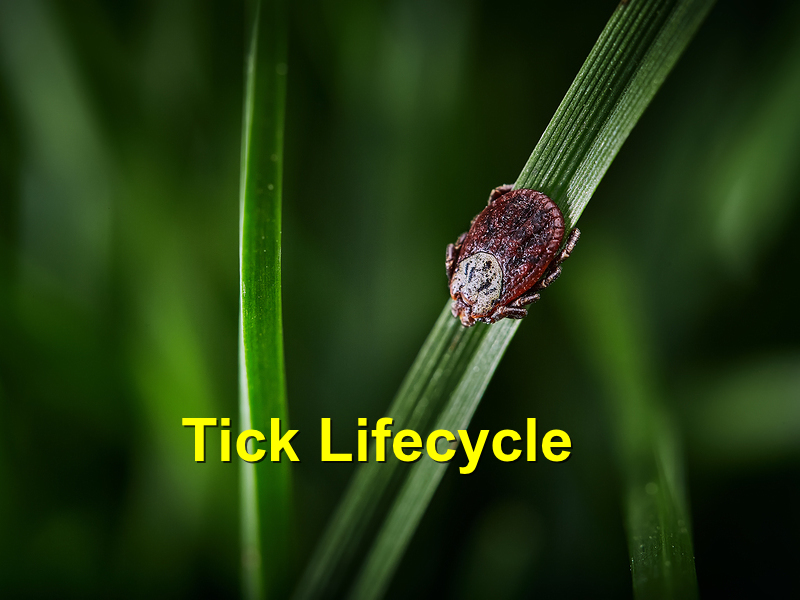
    Ticks are the harmful parasites that live by feeding on their host’s blood, which can either be a human or an animal. They are highly efficient disease carriers because they securely attach themselves to the host when they want to suck blood. Also, they usually feed slowly, which means they may go without being seen for quite some time while they feed.

    Where Do Ticks Live?

    Ticks are highly dependent on their hosts for both reproduction and survival. Hence, they spend most of their lives looking for hosts, especially dogs and cats, and even people. Ticks are often found in wooded areas, tall grass and dense brush.

    How do Ticks Attach themselves to a Host?

    Ticks can neither jump nor fly; they crawl instead. So, they wait for any host animal on the ends of shrubs and grasses. They use a mechanism known as questing, where they raise two of their front legs to detect any nearby hosts. These front legs have carbon dioxide detectors that can sense hosts and allow the tick to quickly crawl onto the fur or clothes of their host and start feeding.

    While they feed on the dog’s blood, ticks can easily transmit a range of infectious bacteria and organisms to the host. These organisms lead to health problems for the host including Rocky Mountain spotted fever and Lyme disease. Once it is full, it then drops off to move on to the next stage.

    Here are the four stages of the lifecycle of a tick:

        Egg

        Larvae

        Nymph

        Adult

    The larvae stage and the nymph stage both require a meal of blood to move onto the following stage. Meanwhile, adult ticks must feed on a host for mating and reproduction purposes. Also, female ticks can lay thousands of eggs at a time after dropping off their host.

    How to Remove Ticks

    If you discover that your pet has any ticks, you should immediately remove those nasty parasites to lower the risk of contracting diseases. Use tweezers and grasp the ticks as close as possible to the surface of the skin. Pull upwards slowly, firmly and gently to avoid leaving the tick’s mouth in the skin, which may cause infections.

    Finally, clean all the bite areas and apply antiseptic. Make sure you also wash your hands afterward. You may want to save one of the ticks and freeze it in a sealed plastic bag for purposes of identification if the pet later becomes ill.

    Conclusion

    Ensure you check your pets daily for any tick infestation, and consult your veterinarian for help regarding tick preventatives that will keep your pets safe.

    References: Pet Health NetworkCDCPetMD

  • Is your dog sick?

    Is your dog sick?

    Top Signs that Show Your Dog is Sick

    As a pet owner, you have an important role in assisting your dog to stay healthy and fight any health complications. While your dog can’t describe what they are feeling, they can easily show you symptoms of diseases. The awareness of these symptoms is an easy way of helping lower your dog’s risk of getting affected. Research shows that up to 10% of dogs that seem healthy during their annual checkups may have some underlying health conditions.

    Here are the top symptoms that show your dog might be sick:

            Too much drinking and urination

            Drooling or bad breath

            Change in appetite related to either weight gain or loss

            Reduced activity level where they no longer show interest in doing activities that once excited them

            Excessive sleeping and other changes in attitude or behavior

            Difficulty in climbing stairs, rising and also being stiff

            Sneezing, coughing, labored breathing or excessive panting

            Itchy or dry skin, lumps, sores and constant head shaking

            Regular digestive upsets

            Red, cloudy or dry eyes

    If you notice that your treasured friend has these symptoms listed above, immediately consult your veterinarian. Ensure you stay alert about your dog’s health as it is easy to miss some of these symptoms. Many dog owners often attribute the subtle symptoms of illness to aging.

    Getting Diagnosis and Treatment for your Dog

    Since the symptoms of sickness may rarely be obvious or easily identifiable, your vet will probably recommend some preventive care tests during your pet’s annual exam. These tests include:

            Tests to determine if your dog may have tick-borne, heartworm or any other infections conditions

            Electrolyte and chemistry tests to check the status of internal organs and guarantee that your pet is not dehydrated or experiencing electrolyte imbalances

            Urine tests for screening for UTIs and other conditions and also testing that the kidneys are functioning correctly

            A full blood count test to easily rule-out any conditions associated with the blood

            A thyroid examination to figure out the levels of the thyroid hormone

            ECG tests to check for underlying heart complications, like abnormal heart rhythms

    The veterinarian may prescribe other tests based on the initial evaluation of your dog.

    How to Prevent These Symptoms

    Preventive care tests help to detect sickness in the early stages where treatment is most successful. It helps you to avoid huge medical costs and endangering your pet’s health. Regular screening every year at your veterinarian is one of the best ways to keep your dog healthy.

    References: Pet Health NetworkThe spruce petsWebMD

  • Cats and Electrical Cords

    Cats and Electrical Cords

    Cats, Cord-chewing and How to Stop it

    If your feline is chewing on electrical cords, a variety of factors might be involved. For starters, it might be OCD or an issue related to the environment. Other factors such as irritation caused by a dental problem can also make your feline friend nibble on electrical cords. Whatever the reason, chewing electrical wires is dangerous to cats as it puts them at risk of electrocution. It can also lead to choking which can cause death if no-one is around to help the cat.

    Here are some symptoms of electrical injury in cats.

    Signs of electrical injury in cats

    The most common symptom of electrical injury in cats is burning around the animal’s mouth. If the hairs around the mouth or whiskers are singed, that might also be a sign of electrical injury. Other common signs of electrical injury in cats include coughing, tinged skin, difficulty in breathing, cracking sounds in the cat’s lungs when breathing, and abnormal breathing.

    If you see any of these symptoms in your cat contact us immediately for professional assistance.

    How to stop your pet from chewing cords

    Take them to a vet

    The first step towards stopping your cat from chewing electrical wires is noticing any unusual chewing behavior. Visit us so we can identify the real reason behind such behavior as well as any underlying health issues.

    Cover all cords

    Use PVC pipes to cover your electrical cables. Doing this means not only the cats are safe, but anybody else that might come into contact with an exposed wire in the house. If they still try to chew the pipes, make them less appealing by spraying them with pepper or hot sauce.

    Offer them an alternative

    If your cat is hell-bent on chewing wires, offer them something different such as cardboard. Dip the cardboard in water before giving it to your puppy then use the microwave to soften them further. Your cat might be gnawing on electrical cords as part of their teeth fall out process and can offer significant help.

    Conclusion

    If the methods above do not work, you can also try adding digestible fiber to your cat’s diet. It helps your cat reduce their chewing activity or even stop. Chewing electrical cords can also be a sign of anxiety. Relieve your cat’s stress by bringing them over for a therapy session while learning how to stop cable chewing altogether.

    Sources

    https://www.thesprucepets.com/cat-chewing-electrical-wires-554022

    http://www.pethealthnetwork.com/cat-health/cat-behavior/why-does-my-cat-chew-electrical-cords

    https://www.petmd.com/cat/conditions/cardiovascular/c_ct_electric_cord_bite 

  • Puppy Care

    Puppy Care

    Best Puppy Care Tips for You

    Puppies might look adorable, but they are much harder to handle compared to their adult counterparts. For starters, their comprehension of the environment is not as fast, and they do not respond well emotionally to threats or violent acts. As such, your puppy must find a comfortable environment and receive the right upbringing tactics to mature into a healthy dog.  Here are some tips on how to make that happen.

    Puppy care tips

    Make your home puppy proof

    Your newly adopted puppy is like a newborn baby. As such, your home needs to be puppy-ready. Hide things such as loose electrical cords or cleaning supplies. Ensure areas with strong perfumes or soap are secured and hide all cotton balls. Remember always to keep the toilet seat closed as well.

    Introduction and familiarisation

    We advise you to bring your puppy home on a leash, preferably after a walk and calmly introduce them to their new home. Remove the leash when you place your puppy on their bed. Feeding should be regular as well as exercises such as walks or playing. Puppies naturally ‘go’ five to 30 minutes after eating to keep the potty close after a meal.

    More so, we advise you to schedule two to four-hour potty breaks for your puppy after bringing them home as they get more familiar with their surroundings.

    Mouth training and punishment

    Your puppy will use its mouth for almost all activities, and to them all contact is innocent. If they mouth people a lot, redirect that through chewy toys. Remember that not every accident in your house will be your puppy’s fault. As such, refrain from any form of punishment and calmly clean up the mess. If you punish them and you are wrong, they will not make the connection.

    Vet and check-ups

    A close relationship with your veterinary is crucial in the early stages of your puppy’s life. We can offer advice plus professional services to help raise your puppy into a healthy dog. Canine health insurance is also an excellent way to ensure your puppy stays in optimal health.

    Conclusion

    While the tips above come in handy when raising your puppy, the most important is patience. An adopted puppy learns its boundaries every day and getting them right might take time. If you notice any issues or weird behavior from your pup, contact us immediately for expert vet services.

    Sources

    https://www.cesarsway.com/dog-care/puppies/Ultimate-guide-to-raising-a-puppy

    https://www.cesarsway.com/dog-care/nutrition/puppy-feeding-guidelines

    https://www.cesarsway.com/dog-care/puppy/8-must-have-puppy-products-for-you

    https://www.cesarsway.com/Cesars-Today-Top-Ten-Puppy-Tips

  • Prevention of Cruelty to Animals

    Prevention of Cruelty to Animals

    Prevention of Cruelty to Animals Month

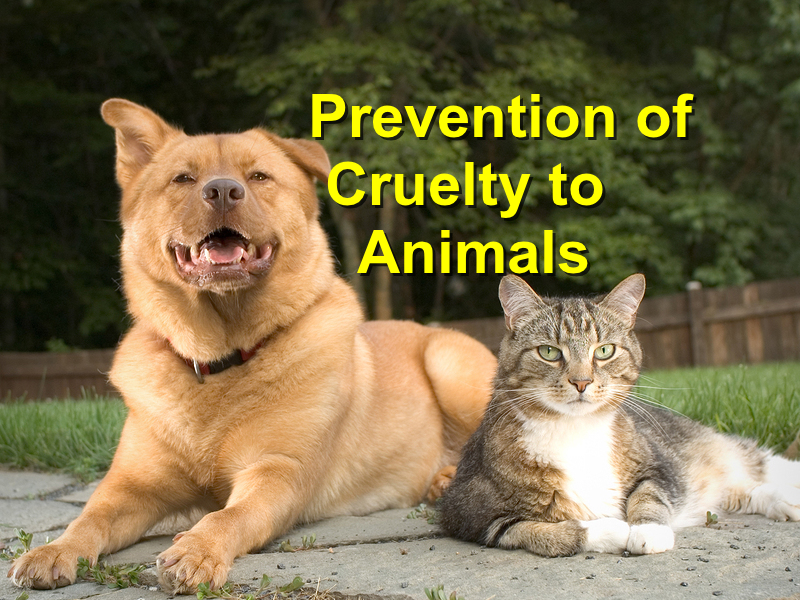
    Every year in April pet owners go orange while celebrating the annual prevention of cruelty to animals. Over 50 dogs were found dead in police cars due to heat exhaustion last year. Physical abuse to animals happens almost daily as most pet owners result in hitting their pets instead of using the appropriate discipline techniques. While there are various forms of animal cruelty, they all scream neglect and irresponsibility.

    Cruelty to animals stretches back even to the dark ages when people used to burn cats out of fear that the latter was associated with the devil. Such beliefs might be a thing of the past, but even after the first animal cruelty laws were passed in 1641, it took cases such as the orca capture in 1961 for their proper enforcement. Lately, animal cruelty is fuelled more by ignorance than superstition. How to participate

    If you wish to participate in this year’s prevention of cruelty to animals campaign, here are a few tips on how you can help.

    Purchase grass-fed beef and cage-free eggs

    Purchasing cruelty-free products is one sure way to support the prevention of cruelty to animals month. It not only helps endorse the companies that continuously fight for the treating of animals with respect but also introduces your pets to healthy food. Their products have zero artificial growth hormones or dyes.

    Adoption

    If you have been thinking of adding to your pets, April is the perfect month to pull it off. We can recommend a rescue center if you do not know one near your area where you can pick up a puppy in need. Adopt a rescued and pure breed puppy and love it unconditionally as opposed to purchasing a cross-breed that will always have health issues.

    Voluntary work

    If you already own enough pets, you can dedicate a few days of your month to help in a rescue shelter near you. The lack of funds and insufficient human resources leads to pets being put down almost every month in rescue centers. A little help can go a long way in saving a dog or cat’s life.

    Conclusion

    Cruelty to animals also extends to laboratories and research facilities that use cats, monkeys, dogs, and even rabbits as test subjects for their products. Hundreds of animals die annually from these tests and raising awareness can help prevent these deaths. Cruelty to animals can also be a trigger for dangerous behavior as seen in humans. If your new pet was treated harshly and exhibits dangerous behavior, contact us for professional assistance.

    Sources

    https://nationaltoday.com/prevention-of-cruelty-to-animals-month/

    https://www.doobert.com/prevention-of-cruelty-to-animals-month/

    https://www.aspca.org/news/april-prevention-cruelty-animals-month

    https://weareallaboutcats.com/prevention-of-cruelty-to-animals-month/

  • Out command

    Out command

    Teaching the out command to your dog and its benefits

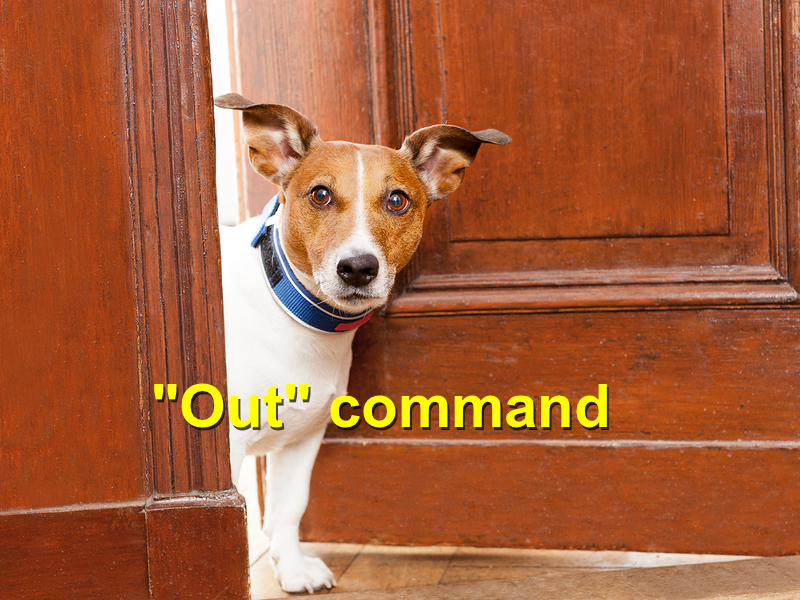
    As a canine lover, the ‘out’ command should be one of the tricks you teach your dog. The directive is mostly used to instruct a dog to leave a particular area and head to another. However, it is also used by hunters when directing their dogs to follow prey. While its uses vary, the benefits of teaching your dog the out command are similar. For starters, even your children will be able to direct your dogs in your absence.

    Benefits of teaching the out command

    It also helps stop your dog from being pushy and comes in handy when trying to correct behaviors such as chewing or digging. Crucially, teaching your dog the out command significantly stops dog aggression which can lead to biting. This form of training also teaches your dog how to behave around new canine friends and aids older dogs and puppies in getting along.

    How to teach your dog ‘out;

    Follow this guide to train your dog ‘out’ for a better relationship with your canine friend. In case of any problems, contact us for professional guidance.

    Treats

    Treats are a very effective way to lure your dog into doing your bidding. Place them where your dog can see, preferably on the carpet or area where you don’t want them, with your dog on a leash.

    Toss and reward

    Toss the treats one at a time while pointing to the direction where you are throwing them and let your dog run towards them. Congratulate them once they finish then call them back over and repeat the same.

    Introduce the out command

    Once your dog is accustomed to your instructions, introduce the word ‘out’ while using your index finger minus a treat. It is advisable to wait until your dog starts walking towards the treat to introduce the out command.

    Perfection and affection

    Once your dog can walk at least 10 feet away from you and await a treat patiently without any commotion, then they have achieved a new level of understanding. However, while this trick can be used to lead the dogs away, a little appreciation goes a long way. As such, remember to throw them a treat once they are where you want them to be.

    Conclusion

    The out command can also be used to tame aggressive dogs. However, this process is dangerous and requires professional assistance. If your dog is aggressive when it comes to food or in general, contact us today for expert ‘out’ training services.

    Sources

    https://www.cesarsway.com/dog-training/obedience/5-essential-commands-you-can-teach-your-dog

    https://thedogtrainingsecret.com/blog/teaching-dog-drop-protection-training/

    https://pets.webmd.com/dogs/guide/teaching-dog-ask-go-out

    https://www.petful.com/behaviors/how-to-teach-a-dog-the-out-command/