Category: Social Media

  • Stronger Bond With Your Cat

    Stronger Bond With Your Cat

    How to Develop a Stronger Bond with Your Cat

    It is about that time again to make resolutions to enhance your life in the New Year. Some of the typical decisions include stopping bad habits, eating healthier and joining a gym among others. However, you should also consider developing a stronger cat bond. Here are some practical guidelines for improving the relationship with your favorite pets:

    Set Time Aside For Your Pet

    It is easy for cat owners to ignore their pets, especially since they seem self-sufficient and a generally well-behaved. The reality is that there are so many distractions for owners, from TV shows and smartphones to household work that could stop you from spending quality time with your pet. The solution is to set some time aside every day to interact with your cat without getting distracted by anything.

    Find out Your Cat’s Desires

    The next step in strengthening the relationship with your cat is to understand what they love. Discover activities that the cat enjoys and incorporate that into the day. You should even add some play toys to the mix as they help in stimulating your cat’s need for chasing things. For example, using foraging toys can boost your cat’s inbuilt instincts.

    Train your Cat

    Training is not something you would typically associate with cats, as it is more often linked to obedience training in dogs. However, the reality is that cat training is an excellent way of building better communication between both of you. You only need a clicker along with some necessary information about cat training to get started. Start with natural behaviors like sitting up before moving to other complicated tricks.

    Listen to Your Cat

    Cats communicate every day, and most owners tend to overlook their vocalizations as either annoying or cute, without really thinking about the meaning behind the sounds. The other way of building stronger bonds is resolving to watch and hear what your cats are saying. That involves learning their daily routine and general behaviors, which is critical since most behavior changes signify poor health. You will also need to research more information about cat body language to ensure you understand what is going on.

    Plan a Regular Veterinary Visit

    Data from the AMVA shows that cat owners take their precious pets to see the veterinarian fewer times compared to dog owners. It is therefore likely that it has been a long while since you visited the vet. Remember cats require a regular physical examination every year, so ensure you plan for that.

    References: Pet Health Network, I Heart Cats

    Copyright: Local Value


  • Pet Ownership Rising

    Pet Ownership Rising

    According to Latest Studies – Pet Ownership Rising 

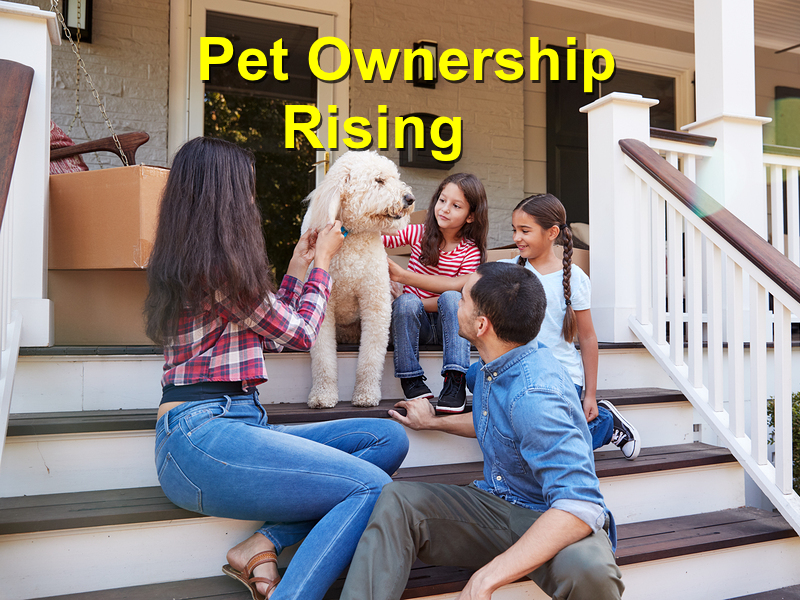
    There is a significant rise in pet ownership across the US. Dogs make up the highest percentage of pets while huge gains are being seen across less conventional pets such as lizards and poultry. These results were showcased in after recent studies into pet ownership by the AVMA. The comprehensive AVMA report is a critical source of data for pet practices and also for driving conversations regarding the essential need for veterinarians in the country.

    The Pet Ownership Numbers in Detail

    The numbers show that nearly 57% of all American households owned pets in 2016, with cats and dogs being the most common choices of pets. Most significantly, the dog ownership rate was at its highest level ever since the first AVMA study in 1982. Dogs accounted for 38% of the pets in households across the nation, while cats followed closely behind at 25%.

    The data also shows that other exotic kinds of pets were becoming more popular in the country. More households now own specialty pets like rabbits, gerbils, ferrets, fish, snakes, livestock, poultry, lizards, guinea pigs, hamsters, and others. Over 13% of America households had an exotic pet in 2016, representing a significant 25% rise from 2011. Furthermore, poultry pet ownership climbed by 23% over the last five years.

    Which States Had the Most Pets?

    The ownership of pets was found to be highest in predominantly rural states, while urban states had the least percentages. The top ten states with a high rate of American households with pets were the following:

    •    65%: Colorado
    •    65%: Oklahoma
    •    65: Mississippi
    •    69%: Arkansas
    •    69%: Indiana
    •    70%: Idaho
    •    70%: Vermont
    •    70%: Nebraska
    •    71%: West Virginia
    •    72%: Wyoming

    Which States Had the Least Pets?

    Here are the ten states that had the least percentage of households that owned pets:

    •    52%: New Hampshire
    •    51%: Georgia
    •    50%: Connecticut
    •    50%: New York
    •    49%: Massachusetts
    •    49%: Illinois
    •    49%: Maryland
    •    47%: New Jersey
    •    46%: South Dakota
    •    45%: Rhode Island

    Data about Veterinarian Visits

    The AVMA report also considers veterinarian visits, their occurrences, and critical circumstances. The survey results showed that those who owned dogs were the most likely people to get veterinary assistance as compared to other pet owners. In 2016, an average of three visits was made by dog-owning clients whereas cat owners came behind with 2.4 trips.

    Conclusion

    As mentioned earlier, this AVMA report is an informative and fascinating document that showcases the pet ownership sector in the country. By examining and evaluating these trends, veterinarians and pet owners can be able to safeguard the welfare and health of all pets.

    References: AVMAPet Product News

    Copyright: Local Value


  • Dog Boredom

    Dog Boredom

    Tips to Prevent Dog Boredom

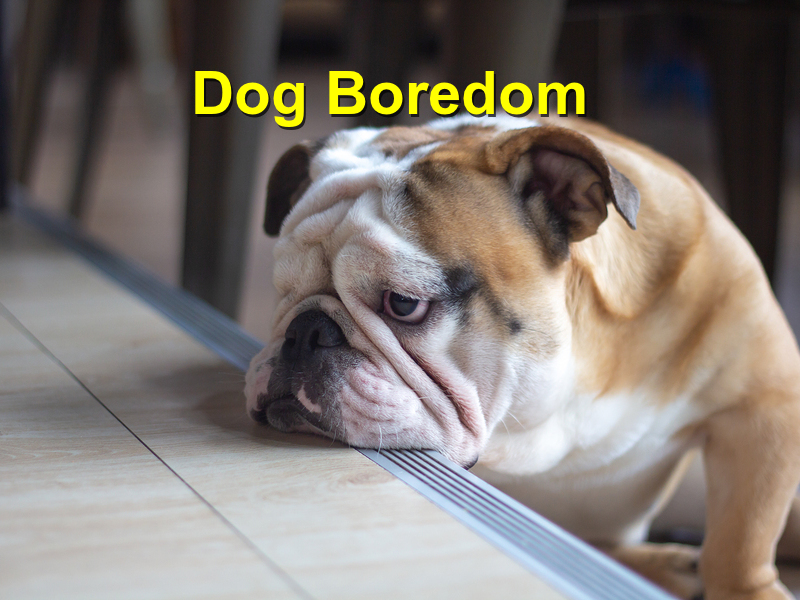
    The modern pet dog has little to do; they get free food, affection, and toys without working for it. The trouble with this scenario is that the dogs will become bored if they are not kept busy or mentally stimulated. They may end up finding destructive ways of passing the time. Fortunately, you can prevent dog boredom easily as shown below:

    Boredom is Bad for Dogs

    When your dog is bored, they will likely engage in destructive habits like excessive barking, chewing and digging among other harmful behaviors. Dogs are supposed to be active creatures, so if they don’t get sufficient stimulation, they quickly get bored. What they need are a couple of activities to stimulate their minds and bodies, thus preventing behavioral problems like aggression and anxiety.

    So, if you want to maintain positive behavior in your dogs, make sure you do the following boredom-relieving activities.

    Play with Your Dog

    One easy way of preventing dog boredom is playing with your dog more often. That could be any game like hiding some treats in your house or tug. The first game of hiding treats stimulates your dog’s mind and sense of smell, while the tug game is an excellent interactive sport that will help in physically challenging your dog. Ensure you keep the games fun and safe for best results. You can even consider alternating toys to maintain the dog’s interest in the interactive games.

    Adjust your Regular Walking Routine

    Even though daily walks are essential for your dog, they can become quite mundane and boring if you are using the same old route daily. Change things up by visiting new neighborhoods or even adjusting your pace. You can also give your dog enough time to smell and interact with their environment as it adds the much needed mental stimulation. Remember, that dogs are not merely visual animals, they also like sniffing around.

    Train Your Dog a New Command

    Did you know that obedience training is mentally stimulating for your dog? A couple of ten-minute training sessions per day training on new commands or tricks gives the dog’s brain an excellent mental workout. Working on reliable recall, impulse control, and the basic sit and stay commands are useful to start with during training.

    Plan Play Dates

    Your dog requires some meaningful interactions and play dates are a great option. Socializing and exposing dogs to new places, people and dogs are critical in helping them become socialized.

    References: Puppy Leaks, Rover

    Copyright: Local Value


  • Dog Energy

    Dog Energy

    Dog Energy is Essential

    As humans, we are primarily intellectual people, and we tend to communicate through words. Due to relying on communication, many dog owners tend to think that dogs also understand our spoken language. However, even though dogs may understand certain words and relate them to specific actions, they are mainly reacting to the intention that we’ve linked to that word.

    How Dog’s Understand Humans

    Let’s take the example of telling a dog to sit down. If you were to instruct your pet to sit down without showing intent behind that instruction, then that dog will not follow your directions. Meanwhile, if you approached your dog with the intention of getting them to sit down and then say any word, then the dog would sit down.

    Dogs Focus on Your Energy

    It is essential to understand that dogs don’t pay too much attention to words from their owners, but instead, they focus on the energy expressed through the emotions, body language and voice tone. That is how dogs communicate with their peers, and it is easily visible in any dog park. Dogs usually indicate submission through lowering certain parts of their bodies, like the ears and heads. Similarly, the dominant dogs will show their dominance by raising their heads, tail or ears while aggression is characterized by stiffened bodies and ears pinned backward.

    According to Cesar, an experienced dog trainer and media personality, the term “energy” refer to how every being presents themselves to the whole world. Energy is your temperament, character or disposition. For humans, that energy is what you get if you mix emotions and intentions. He says that the formula for energy is multiplying intention with emotion.

    Importance of Having the Right Energy

    That formula explains why to have positive and calm energy is highly beneficial for dogs. That is the reason you cannot stop a dog from barking by starting to yell. That dog will not hear your commands; instead, the dog will think that you are also joining in barking.

    When you are assertive and calm, you have a clear intent, and your emotions are balanced. Dogs can clearly understand that. Conversely, lack of clear purpose and negative emotions confuses the dogs and presents as weak energy. Dogs follow that steady energy since it is what they are instinctively designed to do. Hence, it is essential for dog owners to ensure that you are providing that critical, calm and assertive energy balance.

    References: Cesars Way, RD

    Copyright: Local Value


  • Homemade Dog Treats

    Homemade Dog Treats

    Tips for Making Homemade Dog Treats

    It can be tough to recommend manufactured treats for your dogs as most are usually filled with sugar, flavorings, colors and salts. So what is the alternative dog treat to use that will not lead to obesity and poor health for your pets? Well, a good option is to make the dog treats at home so that you can create delicious and nutritious treats. Ensure you consult your veterinarian before preparing dog treats if the dog has been placed on a customized prescription diet since some of the ingredients could affect that diet. Also, be wary of the food sensitivities and allergies of your dog when preparing the dog treats.

    Keep your dog safe when baking the dog treats

    Preparing tasty treats for your dogs will not mean anything if you end up harming your precious friend in that process. Here are a few precautions worth taking to avoid foodborne illnesses and general accidents:

    • Keep your dogs away from the kitchen when preparing dog treats as they don’t know the idea of hot ovens and stoves

    • Do not use any toxic ingredients, including chocolate, raisins, garlic, onions, and xylitol when making dog treats at home

    • Never use baking molds that contain BPA, which is a contaminant associated with many health issues like cancer.

    • Cook the dog foods to a high temperature to effectively kill all pathogens, like Salmonella.

    Avoid adding unnecessary and unhealthy ingredients

    Most of the ingredients that humans enjoy in their treats are not healthy or even filling for dogs. There is no need for you to use sugars or frosting for your dog treats. Avoiding adding fat to the ingredients is also recommended since some dogs may develop health complications like pancreatitis after eating high-fat foods and treats.

    Instead of the unhealthy ingredients mentioned above, you can include most fruits and vegetables. Some that are recommended by vets include carrots, zucchini, summer squash, cucumber, spinach, Brussels sprouts, apple, dandelion greens, pears, kale, broccoli, bananas, strawberries, and blueberries.

    Pay attention to the number of calories in the dog treats

    Even when giving your dog these homemade dog treats, ensure that you are not substituting their healthy, balanced diet for the unbalanced and incomplete treat. Treats should only amount to less than ten percent of the daily caloric consumption of your dog, with the remaining percentage coming from a balanced diet. It is best to follow recipes that have clearly stated calorie calculations to avoid giving your pets too many calories that will affect their health and lead to obesity.

    References: Pet MD, Simply Pets  

  • Kitten becoming Cat

    Kitten becoming Cat

    Things to Look Out For As Your Kitten Transitions to A Senior Cat

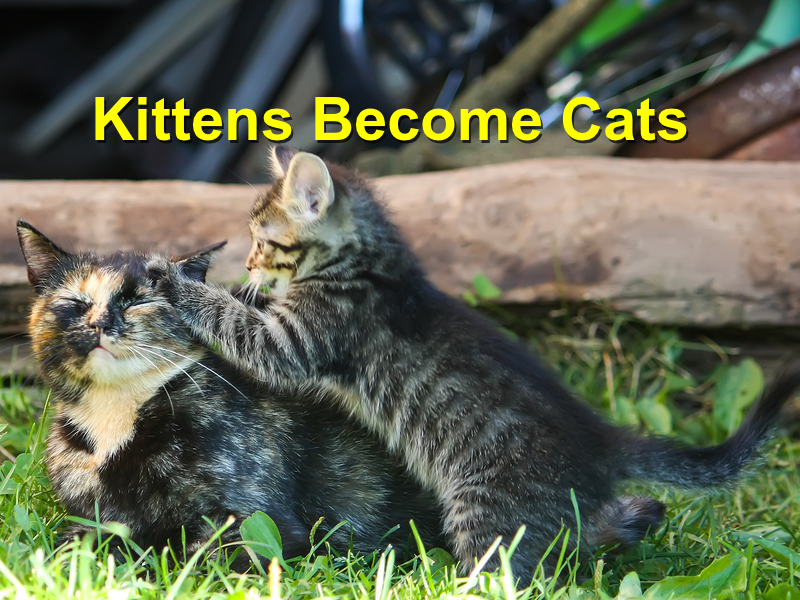
    Senior cats will require more care as compared to young kittens. Staying vigilant about their health and taking the senior cats for regular wellness testing and veterinary exams will help to keep your cat healthy even in old age. Since your cat is more vulnerable to diseases with age, your vigilance in checking their daily habits must be increased after seven years to ensure you can catch and prevent issues early before they develop further into more severe complications.

    What to look out for when observing a senior cat

    • Odd litter box behaviors

    • Weight loss or gain

    • Reduced mobility

    • Changes in behavior like sleeping and hiding away from family members

    Common diseases that affect senior cats

    • Osteoarthritis: It affects the joints and causes mobility issues.

    • Kidney disease: It is found in most senior cats, and it is categorized by lager urine clamps, weight loss, and inappetence.

    • Inflammatory bowel condition: The common symptoms here include weight loss, diarrhea, and vomiting.

    • Cognitive dysfunction: Nearly 80% of cats will develop cognitive dysfunction once they reach 15 years old.

    • Cancer: Oral, intestinal and mammary cancers are common in older cats

    • Hyperthyroidism: Increased vocalization, appetite, and weight loss are all hyperthyroidism symptoms in cats

    • Dental disease

    • Diabetes: As the cat adds more weight with age, they are more likely to develop diabetes.

    The significant role of your veterinarian

    To maintain proper health for your cat even in old age, you will need to take them for complete physical examinations twice per year once they reach seven years old. Consider that these biannual visits to the vet are similar to a human going for a checkup after every three or four years. Because cats love hiding their symptoms and usually have several health issues simultaneously, regularly wellness testing and exams will help to keep your senior cats healthy.

    Tips for keeping senior cats healthy

    • Ensure you meet all your senior cat’s needs: They should have enough food, water, social interactions, resting and an easily accessible litter box

    • Arrange regular visits to your veterinary: Once your cat reaches seven years, schedule biannual veterinarian visits.

    • Keep track of their weight: Regularly weigh your cat at home to track any sudden changes in their weight and report to your veterinarian

    • Observe your cat closely: Be more vigilant in observing your cat since any change may mean that something is wrong.

    • Healthy nutrition: Your vet will recommend the best diet for your senior cat, which includes small but several potions of canned foods and encouraging lots of water consumption.

    References: Pet MD, The Spruce Pets


  • Dog Boarding

    Dog Boarding

    Tips for Boarding your Dog

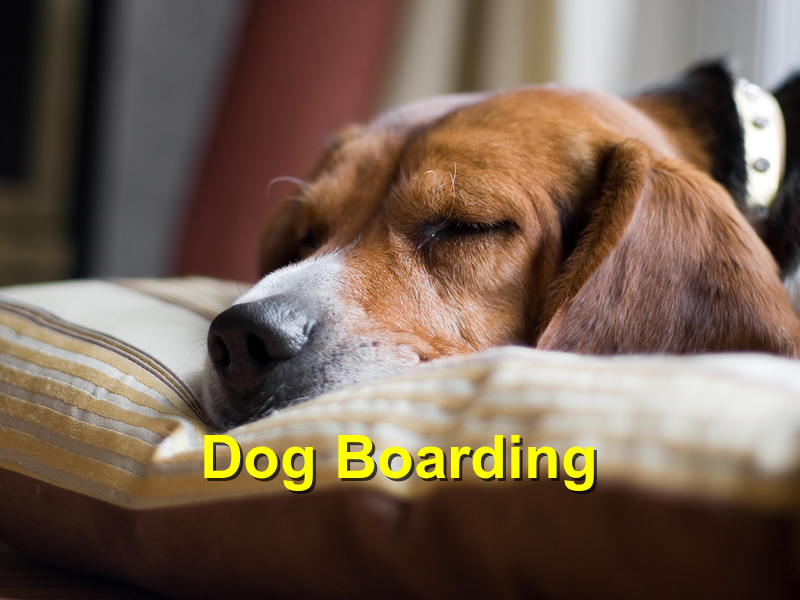
    If you are planning a holiday or a quick getaway trip, a significant concern for any dog owner is where to keep your precious dog when you are away. Most pet owners do not like using kennels and will often look for other alternatives. Boarding your dog is the perfect solution that will give your pets a great time and also give you comfort during your trip knowing that your dog is perfectly secure.

    Besides the added convenience of getting a host dog sitter within your neighborhood, a significant benefit to dog boarding at home is the potential of finding a host that will accommodate your pups exacts needs. The dog sitter will usually provide the same level of attention and love to your dog, thus minimizing their anxiety when you are away for some time. As dogs come in unique personalities and size, here are a few tips to find the ideal boarding hosts for your precious pets.

    Puppy boarding

    The host you choose for the puppy boarding must give constant pet supervision. Since puppies require lots of attention, the host will probably be on the lookout continually to ensure that the house is harmless for exploring as well as ensuring that your puppy is happy and healthy. Retirees and stay at home parents are perfect for puppy boarding. Ensure you check out their house first to confirm that is a fun and safe environment for your puppy.

    Big dog boarding

    Find a person who likes big dogs and also has a big yard where the guest dog can roam freely. Bigger dogs may require more exercise, and the host will recognize how to mentally and physically take care for dogs with lots of strength and energy. It is recommended to find a host that has specific experience with that dog breed to ensure they will be entirely comfortable when hosting your dog even in public.

    Anxious dog boarding

    Most dogs will experience an uncomfortable separation anxiety every time they are not with their treasured owners. Hence, it is critical to select a host that knows ways of calming your dog down and loving them through all that anxiety. Gentle and calm hosts that can earn your dog’s trust are highly recommended.

    Senior dog boarding

    A host with experience with a senior dog knows that it is imperative to take it slow and be patient with the pet. In this case, consider a host without other high-energy pets or children.

    References Cesars Way, BHG


  • Dogs are Pack Animals

    Dogs are Pack Animals

    Dogs descended from wolves, and consequently, they naturally act like pack animals. That means that they instinctively seek out nearby packs and join up. It explains why dogs can quickly get along easily with other animals, specifically other herd or pack animals like sheep, horses, and cows. There are even plenty of cases of dogs and elephants becoming the best of friends.

    The Key Behind the Human-Dog Relationship

    That pack mentality is one of the main reasons why dogs bond very well with their human owners. As humans, we are social creatures, which the dogs can instinctively sense and thereby look to enter our pack. In this case, humans are the leaders of the pack and the dogs are under their guidance.

    Positions in a Dog Park

    In all dog packs, there are a few primary positions; including the front, the middle and the rear. The leaders at the front are responsible for leading the pack to look for things they need for their survival, including food, shelter, and water. These leaders both protect and direct the others. Meanwhile, the dogs found in the rear part of the pack are highly sensitive, and their duty is alerting others to any danger.

    Meanwhile, the middle part of the pack is reserved for happy mediators. Their responsibility is maintaining stable energy throughout the pack and settling down any front or rear pack mates that are starting to exhibit unstable energy. It is easy to spot these dogs in your dog pack as they are the ones that will rush and break up fights when some dogs start fighting or playing too roughly.

    Humans Must be The Pack Leaders

    Not all dogs are pack leaders. Many dog packs will usually have a couple of leaders, with all the remaining dogs being followers. That is the perfect model to follow when you bring any dog into your human pack. It is highly recommended that humans act as the pack leaders and the dogs should follow your every word.

    When a dog doesn’t have balanced and robust pack leadership at home from its owners, it quickly becomes unbalanced. That negative state will usually result in anxiety, aggression, confusion and other behavioral issues in your dog. The only way that your dog will be less anxious, secure and balanced is when he or she knows what their owners want and always receives consistent and clear directions every time.

    Conclusion

    When you bring a dog into your life, you are committing to fulfilling all their needs. Hence, being a confident pack leader will help to meet your dog’s essential instinctive and psychological requirements.

    References: ANCAREREYNS, Ceasars Way