Category: Social Media

  • Cat Training

    Cat Training

    Tips for Cat Training and Behavior

    For new pet parents, it might seem overwhelming to understand all the subtleties of your cat’s behavior. Luckily, there are easy ways that you can learn how to interpret your pet’s body language and communicate better with your cat. It includes learning what different vocalizations and body postures to avoid misinterpretation and miscommunication, which can compromise the human-pet bond. Here are some practical cat training tips.

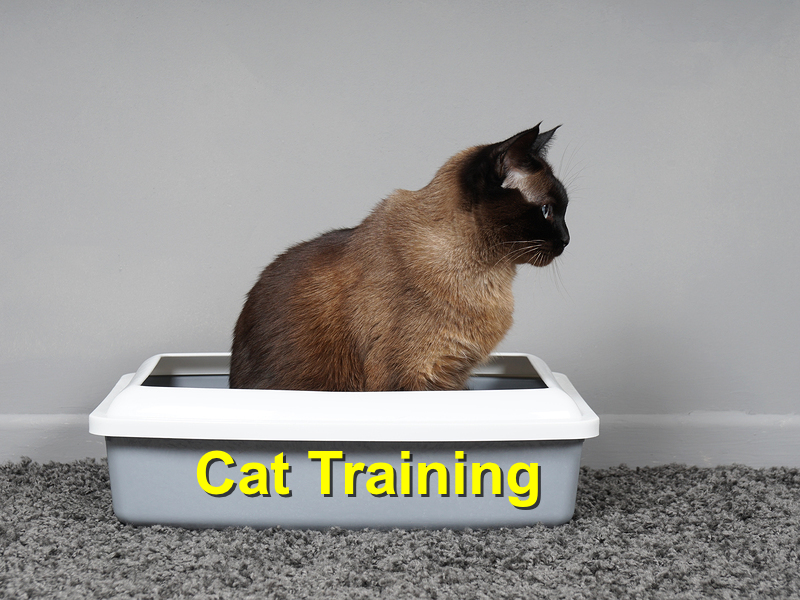
    Start with Training the Cat on Using the Litter Box

    The priority in your cat training must be to teach your pets about how they should properly use their litter boxes. Fortunately, cats pick up quickly on this training. However, the major mistake that many new pet owners tend to make is that they have insufficient litter boxes around the house. Veterinarians recommend at least one more litter box for every cat, which means that if you have two cats, you should get three litter boxes.  

    When buying a litter box for your cat, ensure you consider the size of your cat and also place the boxes tactically around your home, not clustered together. Look for finely grained cat litter that is clumping and unscented. Heavily-fragranced litter boxes that mask odors could end up deterring the cats from learning how to use these critical tools.

    Be Alert and Prevent Any Unwanted Behaviors.

    To prevent common cat training problems, like peeing outside the litter boxes, it is critical that you are proactive in maintaining tidiness. Ensure you keep the cat’s box clean through scooping daily and washing and refilling it with fresh litter every two weeks or so.

    The other familiar, frustrating cat behavior is their tendency to scratch up your curtains or furniture. To solve this issue, you must offer the appropriate scratching accessories and posts. Cats instinctively like to scratch for various reasons, including stretching their limbs, marking their territory and also removing the worn-out outer claw layer.

    Offer Enough Environmental Stimulation to Your Cat.

    Besides giving your cats a nice place for scratching their nails along with the necessary litter boxes, it is vital to ensure your pets are mentally and physically stimulated. Your cats require sufficient enrichment to help in satisfy normal behaviors like scratching, climbing, playing and hunting. When your cats do not have the best outlets where they can perform these natural behaviors, then it leads to unwanted behaviors. Some of the solutions include food puzzles, interactive toys and also interacting with your cats regularly.

    References: Pet Coach, The Spruce Pets, Anti Cruelty


  • Doggie Daycare

    Doggie Daycare

    Doggie Daycare: Tips for finding the best dog care for your pet

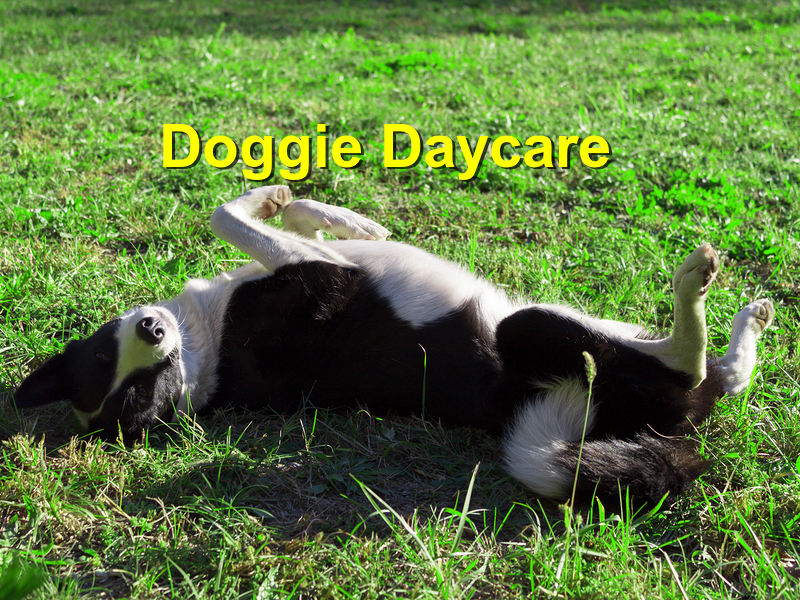
    Doggie daycares are developing to provide services to look after your pet. Yes! These services help keep your dog happy, entertained and stress-free while you are out working. Besides, the pet gets to socialize with other dogs, making sure you companion comes home happy and relaxed.

    However, as a pet owner, it may feel a bit overwhelming while looking for the best doggies’ daycare. Not to worry, here are the lead tips to finding the best care center for your dog and leave them feeling at home away from home.

    Evaluate your pet

    Before committing your dog to any daycare program, it is necessary to evaluate whether the dog is suited for daycare. Keep in mind; not all dogs may prefer being with other canines or enjoy the aspects of group play. Other could experience severe separation anxiety and it’s wise to evaluate such signs before choosing a daycare setting. It is necessary to assess the pet’s interaction and behavior when around the daycare to determine if they are ready.

    Research

    If your pet is fit for daycare, the next option would be to find out about doggie daycare facilities in your area, what to expect and get a tour of the center. Most importantly, start by asking your vet or other pet owners on ideas for good centers. Make a list of essential things that you would like within a dog daycare such as the hygiene, security, staff-to-pet ratio and programs available. Keep this in mind while discovering the best facility.

    Meet the staff

    If you find a prospective doggy’s daycare, schedule a visit and make a tour of the facilities while learning more about the team. An excellent establishment would offer a preliminary meeting where you could meet the professional dog minders and assess their qualification and adequacy in the handling of dogs. Find out how they interact and train the dogs, since not everyone who works work with dogs has the best interest at heart.

    Confide in your dog

    Finally, if possible, take your dog to the determined dog boarding center for a few hours on its own before you straight away leave them for the full duration. You could also opt to always check in after the sessions to ascertain that the dog is thrilled with his new environment. This way the pet won’t feel abandoned, and most importantly, the dog knows you will be back.

    Resources: Grand View Research, PLOS, Dog Monitor App, KAIVAC, No Dog About It


  • Anxiety And  Emotional Therapy

    Anxiety And Emotional Therapy

    Seven best dog breeds to help in anxiety and emotional therapy

    If you are unfortunate to be suffering from anxiety, a dog could also see you beat your psychological and physical stress. Studies do show pet owners have lower heart rates and blood pressure, with the capability to recover quicker from stress. But not all canine breeds are best at bringing you calm? Here, we get to sniff out the dogs that can help you develop assurance and kick your anxiety.

    • Golden and Labrador retrievers

    Retrievers are perhaps the most popular choice for emotional and anxiety therapy animal due to their temperament, adoring and playful nature to the human family. Golden retriever, especially, is very friendly, trustable and generally well behaved. Labrador retrievers are incredibly playful and can keep one busy throughout the day, making them ideal for anyone dealing with anxiety symptoms.

    • Bulldog

    Bulldogs always appear as rather grumpy, but surprisingly these pugs are known for being very friendly and gentle. Bulldogs have a popularity of still snuggling quietly next to their owners, and for an anxiety sufferer, this seems like a perfect companion at home. “Frenchies” are an example of even-tempered and flexible bulldogs that are popular as a laid-back pet.

    • Poodles

    Apart from being one of the cutest dog breeds around, poodles are also pretty smart. Their high intelligence and longer life-span makes the perfect for longtime grooming in emotional support. These relationship characteristics make poodles valuable allies to keep you company and fight any anxiety present.

    • Spaniels

    The Cavalier King Charles Spaniel was initially groomed to be loyal companions since they are super affectionate and would ever want to cuddle. Cockers are another favorite spaniel breed that is openly personable, lively and loving. Their soulful eyes and kind faces will give anyone the reassurance and provide company to make you raise a smile.

    • “Yorkies”

    Yorkshire Terriers or “Yorkies” make up the perfect pug companion if you live in small spaces such as apartments. While they are considered ideal due to size, anxiety sufferers can benefit from this breed due to their tendency to develop healthy relationships makes them one of the most loyal and trainable breeds out there.

    Remember there are many factors when considering a dog for emotional support against anxiety with the dog’s breed being one of them. Still, if you are looking for a canine companion for emotional support, then these dog breeds are an excellent place to start.

    SOURCES: Pet Wave, Castle Wood Bulldogs, Dog Breeds List, Science Daily, Canis Major, The Happy Puppy Site


  • Choosing the Best Dog Breeds

    Choosing the Best Dog Breeds

    Guide for Senior Citizens When Choosing the Best Dog Breeds

    Dogs have been proven to be of great benefits for senior citizens. They not only bring joy and unconditional love but also help to enhance the lives of older adults. The following is a guide for seniors who are looking for canine companionship and tips on how to incorporate these precious pets into their everyday lives.

    According to veterinarians, it is critical to be careful of the dog breed you choose. You must consider the quality of life for both yourself and your pet. Some of the primary considerations include the size of your house and how regularly you plan on walking your pet among others. Here is a collection of the best breeds for seniors.

    Pug

    The ever-charming pug breed represents a versatile type that makes perfect companions for various people, including senior citizens. Besides requiring minimal grooming and having moderate exercise requirements, Pugs have plenty of fun personality about them. However, since they can be a bit heavy compared to other toy dog breeds, seniors should consider that before choosing them.

    Shih Tzu

    The low-maintenance and easy-going Shih Tzu breed are usually fitting matches for senior citizens. These little dogs are fun, natural companions that do not need a lot of exercises. They are always happy to relax with their owner and are loving and sweet. The only thing that they need is daily brushing and regular grooming to maintain that perfect look.

    Japanese Chin

    A quiet and tidy little pup, Japanese Chins are renowned for being nearly cat-like. As a result, it makes them ideally suited for living in apartments and enjoying short and slow walks. They generally love spending time with people. Additionally, despite having long and beautiful coats, they are surprisingly easy to maintain and only require weekly brushing.

    Boston Terrier

    If you want a more adventurous dog breed, then you should consider getting the Boston Terrier. It is a lively and well-mannered dog breed that delights in the outdoors and plenty of activities. They have great personalities and are quite intelligent, which is easier to train them. Best of all, these dogs love making their people happy.

    Chihuahua

    The most popular dog breed for seniors, the Chihuahua, is the perfect choice because of their tiny size and light exercise requirements. These precious little dogs enjoy the lap time and therefore, thrive as the ideal companions for the elderly. Nevertheless, Chihuahua can also be quite overprotective and loud.

    References: Pet Coach, Love To Know

  • Halloween Safety Tips

    Halloween Safety Tips

    Tips for Keeping your Pets Safe During Halloween

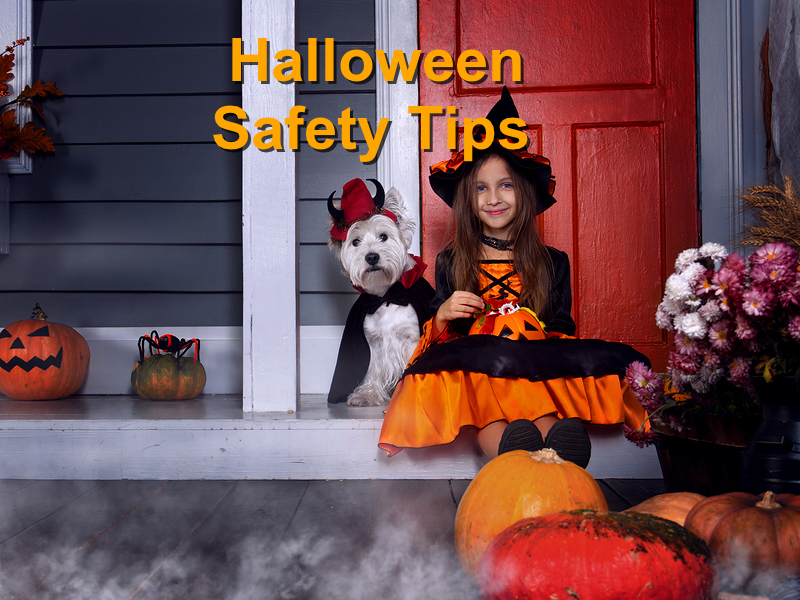
    Unusual activities, costumed visitors, anxiety, and fear can all make Halloween a nightmare for your pets. Whether your pets are prone to anxiety and fear or not, they like their daily routine, which when interrupted can cause them to feel agitated and uncomfortable. Here are some excellent tips for keeping your pets during Halloween.

    Never give your pets candies

    Regardless of how much fun you think it will be for your pets to participate in Halloween, you should never give them candies. All types of chocolate, specifically the dark or baking chocolate, can be lethal for cats and dogs. Chocolate poisoning symptoms include diarrhea, elevated heart rate, seizers, rapid breathing and vomiting. Also, xylitol, an artificial sweetener, can cause your dogs to have liver failure or other issues related to low blood sugar.

    Don’t Leave your pets outside during Halloween

    There are cases of vicious pranksters who injure, tease or even steal pets during Halloween. Black colored cats are more vulnerable to these cruelty-related pranks, so ensure that your pets are safely locked away indoors. 

    Keep your pets away from your front door

    While indoor is much better than staying outdoors during Halloween, your front door will likely be opened and closed constantly, with different visitors wearing strange costumes. Your pets may find that situation scary, resulting in unexpected aggression or escape attempts. Make sure you put your cat or dog away in a room far away from the door as possible to minimize stress.

    Don’t let your pets play with glow sticks

    Even though glow sticks are essential in keeping people safe during Halloween, your pet can easily chew one open. Fortunately, the liquid used in these devices is not toxic. If your pet bites into these glow sticks, offer them fresh water to clear out the material from the mouth.

    Keep all Halloween plants out of your pet’s reach

    Although your pet can safely eat small quantities of pumpkin and corn, ingesting moldy or uncooked Halloween display plants can cause huge problems. Your pet could get gastrointestinal upset or intestinal blockage when they swallow large pieces. 
    Avoid keeping lit items around pets

    When you are using any Halloween decorations that involve fireworks, candles or lanterns, ensure you place them out of easy access by your pets. It will prevent your pets from burning themselves and even causing a huge fire. The same also applies for any battery or electric-powered Halloween decorations. 

    Avoid dressing your pets in limiting costumes

    The pet costumes you choose must not restrict hearing, breathing ability, movement or eyesight. You should aim to make this process fun for your pet through positive reinforcement and treats.

    Lastly, ensure your pets have the proper IDs. Tags and collars are perfect for ensuring that they will be easily returned if they happen to get lost during Halloween. 

  • Cat Panting

    Cat Panting

    Cat Panting and Everything You Need to Know About it

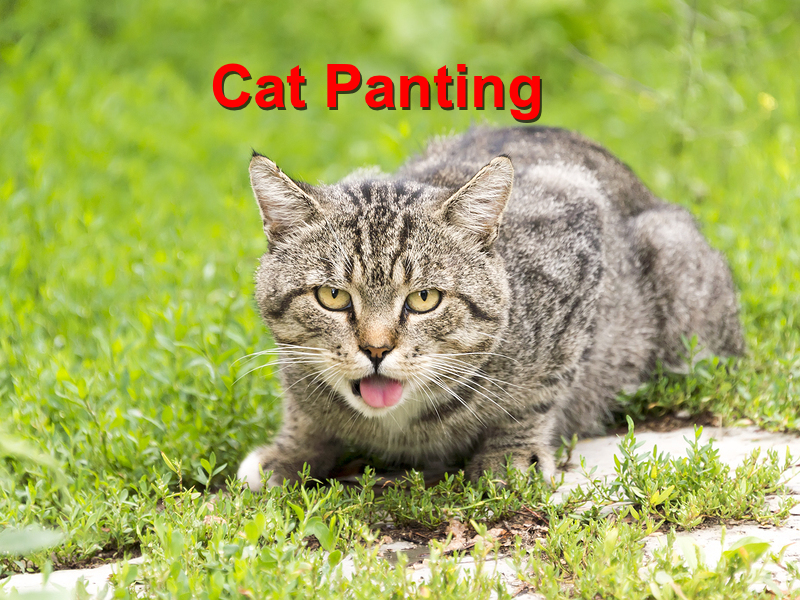
    Panting is often a result of shortness of breath, especially after an exhausting activity. Unlike in other pets especially canines, cat panting is not common. However, your cat can pant after a tiring activity but the panting should only last for a short while.

    The animal should get back to its normal state after it has come down and rested. Persistent cat panting is a sign of a dysfunction of the respiratory system. If you notice abnormal panting in your pet it is vital that you pay more attention and even contact your veterinarian.

    Signs of Cat Panting

    1. Shortness of Breath– panting is usually accompanied with difficulty in breathing and your pet will breath heavily making noises in the process.

    The cat will have its elbows pointed away from the body with a stretched neck and also struggle to stand.

    In some instances, your pet may cough and even end up vomiting.

    Watch out for a change of color of the tongue. It usually turns red and the cat’s gum could also have a bluish or purplish color.

    What causes Cat Panting?

    Cardiomyopathy-which is an enlarged heart than the normal heart usually results in congestive heart failure. There is an accumulation of fluids in the lungs and chest since the heart cannot actively pump. This leads to rapid breathing and panting.

    1. Asthma – If you cat has this condition, you will notice difficulties in breathing that causes it to pant in an effort to get enough air. Asthma causes constriction of airways that connect to the lungs.

    2. Heartworms – When your cat is infested by these parasitic worms the blood vessels in the heart are affected and the entire cardiovascular system leading to respiratory complications.

    What is the Treatment of Cat Panting?

    If you notice any symptoms of abnormal panting in your cat, ensure that you immediately contact your veterinarian. The veterinarian will do a thorough examination of your pet through blood tests and X-rays to determine the root cause of the panting.

    1. Antibiotics – If the doctor finds bacterial infections, antibiotics are administered to treat the infection or inflammation.

    2. Blood transfusion is recommended in the case of a cat diagnosed with anemia

    3. If there is a presence of accumulated fluid, the fluid is drained by putting a needle into the chest to ensure that all the fluid has been removed.

    4. Cats that suffer from asthma are put on medication that will help them manage the condition and allow them to breathe normally.

    Conclusion

    Watch out for any signs that indicate abnormal panting in your cat and contact your veterinarian immediately.

    References: Catster, Pet Place, Mercola


  • Heart Disease in Pets

    Heart Disease in Pets

    Tips on Dealing with Heart Disease in Pets

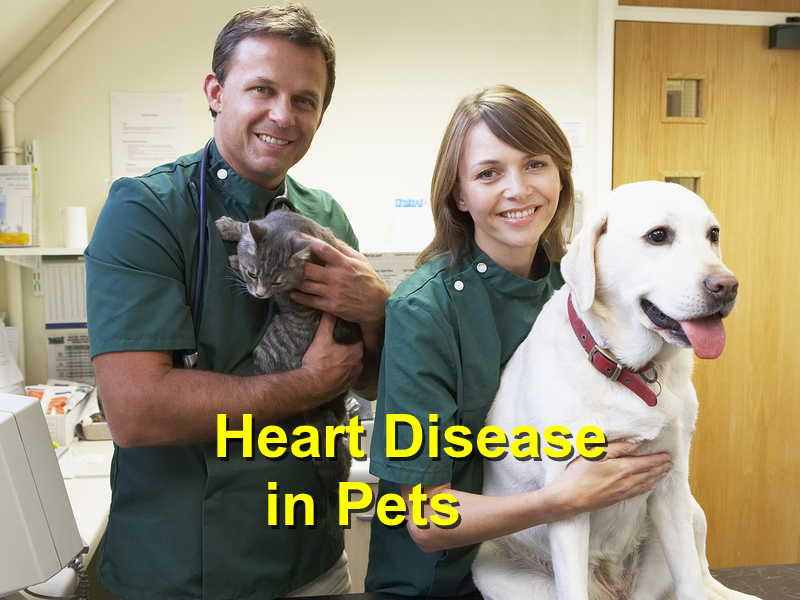
    Finding out that your cat or dog is suffering from heart disease can be quite tough. Depending on how far the condition has advanced, your veterinarian may have limited treatment options. However, although they are no scientifically proven methods of preventing heart disease, experienced veterinarians recommend that you recognize the symptoms of this health problem early. An early diagnosis means that your vet will have enough time to create a good treatment plan to help your pet maintain a decent standard of life. 

    Heart Disease Symptoms in Dogs

    The symptoms of heart disease typically appear in puppies who have the condition from birth. In contrast, acquired heart problems show up with old age. In both cases, slowing down and lethargy are indicative of cardiac issues and not just orthopedic discomfort or arthritis. 

    As the health issue progresses to the heart failure stage, most dogs start coughing along with increased respiratory effort and rate. It is recommended to monitor your dog’s natural breathing rate by counting the number of times their chest rises up in one minute. Anything under 35 is normal, but if you notice a progressive increase in effort or the rate, then go to the vet for a checkup immediately.

    Heart Disease Symptoms in Cats

    According to researchers, cat owners have a hard time noticing if their pet’s behavior is indicative of a health problem until the disease has progressed much further. For instance, your cat may be displaying the normal laziness associated with cats or they could be lethargic due to heart disease. Nevertheless, heart disease in cats can cause lack of appetite, respiratory difficulty, and enhanced reclusiveness.

    The cat purring behavior makes it challenging to count their respiratory rate. However, you can still try and count how many breaths they take every minute while your cat is sleeping. Anything under 50 breaths every minute is normal.

    Are Specific Pet Breeds More Vulnerable to Heart Disease?

    Some dog breeds are more vulnerable to developing heart problems. Certain large dog breeds like Dobermans, Boxers, and Great Danes are likely to develop cardiac myopathy, which involves enlargement of heart muscles, thus affecting its capability of pumping blood. Poodles, Schnauzers, and Pomeranians are all susceptible to valve diseases. In contrast, various breeds like Cairns, Terriers, and Westies among many others do not tend to become affected with heart complications as compared to other dogs. 

    It is harder to make the same sweeping generalizations for cats since many people do not own purebred cats. Nevertheless, several breeds like Bengals, Maine Coons and Sphinxes are the most affected by genetic hypertrophic cardiomyopathy. More scientific research is, however, necessary to understand the genetic causes of heart problems in cats. 

    Conclusion

    Early detection is critical to maintaining your pet’s optimal health even if they have heart disease. When the pet owner, a vet and a specialist intervene early on with the right medication, the dog or cat can live for years without experiencing fatal heart failure. 

    References: Pet MD, 2nd Chance, Pet Care Rx


  • Heart Disease in Pets

    Heart Disease in Pets

    Tips on Dealing with Heart Disease in Pets

    Finding out that your cat or dog is suffering from heart disease can be quite tough. Depending on how far the condition has advanced, your veterinarian may have limited treatment options. However, although they are no scientifically proven methods of preventing heart disease, experienced veterinarians recommend that you recognize the symptoms of this health problem early. An early diagnosis means that your vet will have enough time to create a good treatment plan to help your pet maintain a decent standard of life. 

    Heart Disease Symptoms in Dogs

    The symptoms of heart disease typically appear in puppies who have the condition from birth. In contrast, acquired heart problems show up with old age. In both cases, slowing down and lethargy are indicative of cardiac issues and not just orthopedic discomfort or arthritis. 

    As the health issue progresses to the heart failure stage, most dogs start coughing along with increased respiratory effort and rate. It is recommended to monitor your dog’s natural breathing rate by counting the number of times their chest rises up in one minute. Anything under 35 is normal, but if you notice a progressive increase in effort or the rate, then go to the vet for a checkup immediately.

    Heart Disease Symptoms in Cats

    According to researchers, cat owners have a hard time noticing if their pet’s behavior is indicative of a health problem until the disease has progressed much further. For instance, your cat may be displaying the normal laziness associated with cats or they could be lethargic due to heart disease. Nevertheless, heart disease in cats can cause lack of appetite, respiratory difficulty, and enhanced reclusiveness.

    The cat purring behavior makes it challenging to count their respiratory rate. However, you can still try and count how many breaths they take every minute while your cat is sleeping. Anything under 50 breaths every minute is normal.

    Are Specific Pet Breeds More Vulnerable to Heart Disease?

    Some dog breeds are more vulnerable to developing heart problems. Certain large dog breeds like Dobermans, Boxers, and Great Danes are likely to develop cardiac myopathy, which involves enlargement of heart muscles, thus affecting its capability of pumping blood. Poodles, Schnauzers, and Pomeranians are all susceptible to valve diseases. In contrast, various breeds like Cairns, Terriers, and Westies among many others do not tend to become affected with heart complications as compared to other dogs. 

    It is harder to make the same sweeping generalizations for cats since many people do not own purebred cats. Nevertheless, several breeds like Bengals, Maine Coons and Sphinxes are the most affected by genetic hypertrophic cardiomyopathy. More scientific research is, however, necessary to understand the genetic causes of heart problems in cats. 

    Conclusion

    Early detection is critical to maintaining your pet’s optimal health even if they have heart disease. When the pet owner, a vet and a specialist intervene early on with the right medication, the dog or cat can live for years without experiencing fatal heart failure. 

    References: Pet MD, 2nd Chance, Pet Care Rx