Category: Social Media

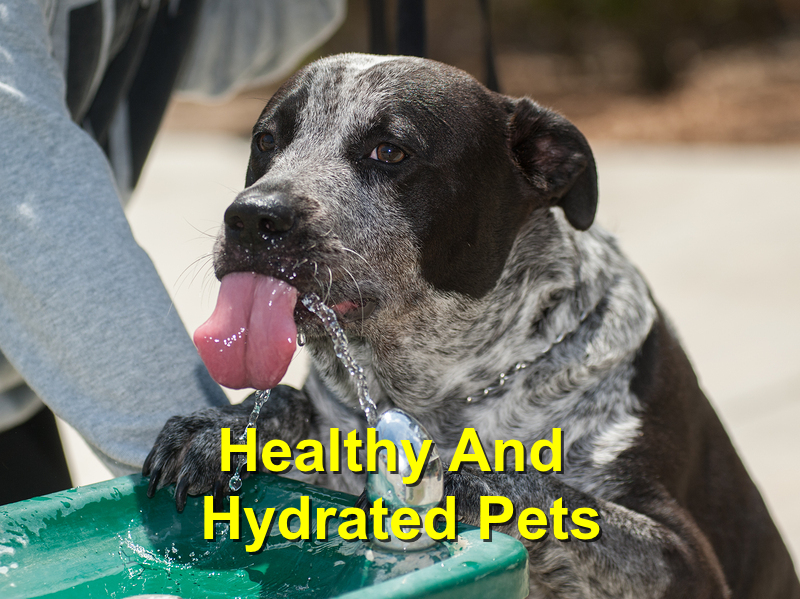
  • Healthy and Hydrated Pets

    Healthy and Hydrated Pets

    Feeding your pet: How to Keep them Healthy and Hydrated

    With the warm weather upon us, it seems like a great time to get out and enjoy the sun while bonding outdoors. However, while the swimming, basking and hanging around outdoors may seem ideal for people, pets could have a hard time especially with issues such as heat, allergies, and bugs.

    Such a scenario necessitates the need to take safety precautions when it’s hot, whether you are traveling or just at home. With the following preventive care measures, you can get detect future heat problems and ascertain what is necessary to do depending on the condition.

    Dehydration signs

    • Generally, lethargy is the first sign of something wrong with the dog or cat. Some of the other symptoms frequently include
    • Decreased appetite due to the reduction in blood flow to the pet’s digestive tract, slowing down the process
    • Elevated breathing and heartbeat as the heart contracts and attempts to increase oxygen to the body tissues
    • Skin flexibility also indicates a level of dehydration with less skin flexibility evident from rigid and dry nose membrane and lack of the skin retaining the usual shape.
    • Water-seeking behavior is a definite indication of the pet’s need for water, and this can lead to the animal potentially drinking water from unfamiliar places.

    What you can do

    1. Consistent Supply of Fresh Water

    The pet hydration needs should be constant since the average dog or cat is said to need an ounce of water per a pound of body weight each day. It is, therefore, necessary to ensure there are water sources that make cold water available to drink whether if it’s indoors or outdoors during hot weather.

    2. Diet

    Making sure the pet is fully hydrated would mean focusing on changing the diet to suit more moist foods. Such a scenario would entail feeding the dog or cat rehydrated commercial feeds or home-prepared meals over the typical dry kibble.

    3. Vet Visit

    At times the heat may become unbearable for the pet, and in dire situations, any fever or health-related ailment would require professional help. You can set up a checkup for the pet whenever you feel the dehydration symptoms are becoming more evident than usual.

    Overall, these are simple precautions that could play an essential role in protecting the pets during the warm weather. As a matter of convenience, you can purchase pet insurance to cover your pet in any case of emergency or accident.

    Sources: AKCCHF, Animal Awareness, VCA Hospitals


  • Adopting a cat?

    Adopting a cat?

    Adopting a cat? Here are Five Guidelines to Consider

    Despite the cat becoming one of the most popular choices for adoption, there are overwhelming factors that go towards determining the approval of a cat breed. Here are essentials to look out for in case you are settling to adopt a cat as a pet.

    Preparing your Home

    Probably the first question to ask yourself is whether the residence is conducive enough to accommodate the new pet. Additionally, occupants of the home are important to consider. Therefore, this means if you are living in a full household with children and other pets when considering adopting a cat should get along with the rest of the home.

    Can the Pet be Afforded?

    Before making the option of bringing a new cat to your home, make sure there are adequate supplies and pet care that you will potentially need. The list of essentials usually comprises setting up a litter box, purchasing food, toys and establishing a comfortable spot. There is also the need to acquire some necessary items such as a food bowl, nail clippers, collar, ID tags, litter scope and water dish for starters

    Consider Time and Attention

    It is necessary to consider that taking care of the adopted pet may require time and if it were to happen that you leave on a trip, then this would mean going the adopted cat in someone else’s care. So, it would be wise to consider adjusting your daily regime to accommodate ample time and attention for your new furry friend.

    Learn on the shelter and cat breed

    Additionally, researching on the breeder before purchasing is also a wise move. Although there exist legitimate cat breeders, many of the cats from the pet shops or shelters do have behavioral or health problems due to poor breeding standards.

    Choose your new cat wisely

    Often shelter cats are known for picking their owners, as per the claims of past cat adopters. Still, you may have stronger feelings towards picking one or choosing between two cats. If you are in such a dilemma, it would be good to ask the shelter staff for more help.

    Overview

    Most of these factors are not particularly rocket science, and they are necessary for helping you answer the question as to whether you are truly ready to adopt a cat. All-in-all, if qualify to adopt then making the right choice is necessary since it means you are sharing your life.
     
     
  • Avoid Pet Emergencies

    Avoid Pet Emergencies

    Five guidelines to help you avoid Pet Emergency this summer

    While we do attempt to keep fresh during the summer holidays, we should not forget about our pets also. Often they are overlooked even though pets need special precautions, especially during such holidays. Here are a couple of guidelines to help you ensure that your pet is safe and you avoid the vet’s pet emergency room.

    Food scraps

    Most people regard their pets as garbage disposals for practically any holiday leftover. However, as pet owners, there is need to become aware that there is a complete list of foods that could potentially cause severe health conditions for your dog. Therefore it is advisable to be mindful of such foods, and at best keep the dog away from the food or leftovers.

    Staying hydrated

    There is also the need to consider that our pets are sensitive to heat and as responsible pet owners, eliminating any heat stress could potentially help avoid any fatal situations. There is the option of always providing your dog with plenty of fresh water for cooling them off. Additionally, giving shade is still a good option to make your dog comfortable while outdoors.

    Fireworks and Thunder

    Most pets are also afraid of the loud noises, especially from fireworks and thunder. These situations can become quite stressful for the animal, and they create plenty of anxiety for the pet. So it’s wise to always keep a distance between the pets and fireworks. In extreme storm cases, prescribed sedatives for the pet are could help get the edge off.

    Outdoor activity

    A good pet fence is the first consideration to help keep your pet in control while outdoors. Potentially overlooking this could mean possible hit-and-run incidents, or dogfights while roaming. On the other hand, outdoor adventures should at least feature a collar tag with a possible microchip for additional tracking.

    Being prepared

    An excellent way to help improve the care of your dog while away is to always ensure adequate communication with accessible contact with the sitter, kennel or vet in case of an emergency. The pet sitter should also be made aware of any possible health conditions, and dangerous foods.

    In conclusion

    Utilizing these tips could go a long way in helping protect your pet and potentially prevent an unfortunate accident from occurring. Remember, your pet is a part of the family and any planned holiday should consider the possible threats to them. 

  • Avoid Pet Emergencies

    Avoid Pet Emergencies

    Five guidelines to help you avoid Pet Emergency this summer

    While we do attempt to keep fresh during the summer holidays, we should not forget about our pets also. Often they are overlooked even though pets need special precautions, especially during such holidays. Here are a couple of guidelines to help you ensure that your pet is safe and you avoid the vet’s pet emergency room.

    Food scraps

    Most people regard their pets as garbage disposals for practically any holiday leftover. However, as pet owners, there is need to become aware that there is a complete list of foods that could potentially cause severe health conditions for your dog. Therefore it is advisable to be mindful of such foods, and at best keep the dog away from the food or leftovers.

    Staying hydrated

    There is also the need to consider that our pets are sensitive to heat and as responsible pet owners, eliminating any heat stress could potentially help avoid any fatal situations. There is the option of always providing your dog with plenty of fresh water for cooling them off. Additionally, giving shade is still a good option to make your dog comfortable while outdoors.

    Fireworks and Thunder

    Most pets are also afraid of the loud noises, especially from fireworks and thunder. These situations can become quite stressful for the animal, and they create plenty of anxiety for the pet. So it’s wise to always keep a distance between the pets and fireworks. In extreme storm cases, prescribed sedatives for the pet are could help get the edge off.

    Outdoor activity

    A good pet fence is the first consideration to help keep your pet in control while outdoors. Potentially overlooking this could mean possible hit-and-run incidents, or dogfights while roaming. On the other hand, outdoor adventures should at least feature a collar tag with a possible microchip for additional tracking.

    Being prepared

    An excellent way to help improve the care of your dog while away is to always ensure adequate communication with accessible contact with the sitter, kennel or vet in case of an emergency. The pet sitter should also be made aware of any possible health conditions, and dangerous foods.

    In conclusion

    Utilizing these tips could go a long way in helping protect your pet and potentially prevent an unfortunate accident from occurring. Remember, your pet is a part of the family and any planned holiday should consider the possible threats to them. 

  • Tips to keep your dog safe this 4th of July

    Tips to keep your dog safe this 4th of July

    Five tips to keep your dog safe this 4th of July

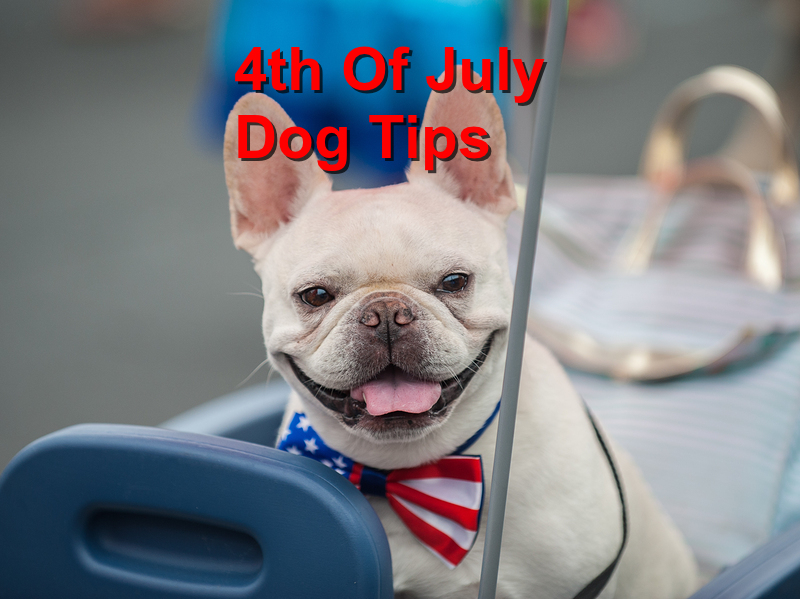
    Unless you follow the necessary precautions and pet-friendly tips, there are plenty of unfortunate situations that could happen to your dog during a holiday such as 4th of July. Fortunately, we focus on some of the possible threats to your dog and what necessary actions you can take before heading out for the holiday festivities.

    Fireworks

    There is no July 4th without fireworks. But to your dog fireworks are the most significant threat since their hearing is acuter than a human’s. That means the animal can become nervous and distressed by the loud noises. Instead, you should keep them in a safe, quiet and escape-proof area at home.

    Water Safety

    We are aware that dogs are not excellent swimmers, and the festivities always come with pool parties or lakeside events. Whatever, type of water the event is, it is imperative to keep supervising the dog’s activity and ensure it does not drink or swim in any chlorinated pool since the harmful chemicals could cause health and skin problems

    Dog Movement

    Never leave your dog unattended outside, even if it’s on a leash in a fenced yard or kennel. Often dogs become frightened and may run off and become lost or also injured along the way. There is also the risk of the leash or chain getting entangled and potential injury or death.

    Picnics and Barbecues

    Some foods are safe for most of us but not necessarily to the dogs. Some of the dangerous foods could include raisins, grapes, chocolate, and onions. Overall, the best option would be to prepare something in advance for your dog, let’s say a special treat or dog food that they like.

    Outdoors Protection

    Remember dogs do not tolerate the sun as well as we do, therefore a sun umbrella, pop-up tent or some other type of shade for the dog could help it cool off. Also, ensure the dog always has plenty of fresh water during the day to stay hydrated.
    For many, the 4th of July is an excellent time to lounge outdoors with family and friends (inclusive of the four-legged companion. While it seems a like an excellent idea to bring your dog along, it may not turn to become a not so enjoyable holiday. However, the intent is not to encourage you to exclude your dog in fun but to ensure a joyful and safe Independence Day.
     
  • Tips to keep your dog safe this 4th of July

    Tips to keep your dog safe this 4th of July

    Five tips to keep your dog safe this 4th of July

    Unless you follow the necessary precautions and pet-friendly tips, there are plenty of unfortunate situations that could happen to your dog during a holiday such as 4th of July. Fortunately, we focus on some of the possible threats to your dog and what necessary actions you can take before heading out for the holiday festivities.

    Fireworks

    There is no July 4th without fireworks. But to your dog fireworks are the most significant threat since their hearing is acuter than a human’s. That means the animal can become nervous and distressed by the loud noises. Instead, you should keep them in a safe, quiet and escape-proof area at home.

    Water Safety

    We are aware that dogs are not excellent swimmers, and the festivities always come with pool parties or lakeside events. Whatever, type of water the event is, it is imperative to keep supervising the dog’s activity and ensure it does not drink or swim in any chlorinated pool since the harmful chemicals could cause health and skin problems

    Dog Movement

    Never leave your dog unattended outside, even if it’s on a leash in a fenced yard or kennel. Often dogs become frightened and may run off and become lost or also injured along the way. There is also the risk of the leash or chain getting entangled and potential injury or death.

    Picnics and Barbecues

    Some foods are safe for most of us but not necessarily to the dogs. Some of the dangerous foods could include raisins, grapes, chocolate, and onions. Overall, the best option would be to prepare something in advance for your dog, let’s say a special treat or dog food that they like.

    Outdoors Protection

    Remember dogs do not tolerate the sun as well as we do, therefore a sun umbrella, pop-up tent or some other type of shade for the dog could help it cool off. Also, ensure the dog always has plenty of fresh water during the day to stay hydrated.
    For many, the 4th of July is an excellent time to lounge outdoors with family and friends (inclusive of the four-legged companion. While it seems a like an excellent idea to bring your dog along, it may not turn to become a not so enjoyable holiday. However, the intent is not to encourage you to exclude your dog in fun but to ensure a joyful and safe Independence Day.
     
  • Grapes and Raisins toxicity

    Grapes and Raisins toxicity

    Grapes and Raisins toxicity in dogs and avoiding it

    It is evident that chocolate is toxic to dogs. Unfortunately, we don’t suspect grapes and raisin despite the possibility of a fatal outcome to your pet. Read on and learn to protect your dog.
    What are the signs of Grape and Raisin Toxicity?

    It wasn’t until about 25 years ago that research documented statistics on the toxicity of grapes and raisins. Nonetheless, there is still little evidence as to what causes the toxicity to dogs. Typically after consumption, the dog shows symptoms of vomiting, diarrhea, dehydration, appetite loss, lethargy, anuria (acute renal failure) and oliguria (blocked urine). In prolonged cases of poisoning, the dog would portray seizures, tremors, oral ulcers and or go into a coma.

    What’s True?

    Although the root toxin agent in the grapes and raisins is unknown, there is growing speculation on the flesh of the grapefruit causing the serious toxic reaction. Additionally, there are other possible reasons for the toxicosis suggested including, fungicides/herbicides, heavy metal contamination, mycotoxins or high levels of vitamin D. Still the primary affected organ remains the kidney, with anecdotal reports linking the acute renal failure in the canines to the ingestion of grapes or raisins. The findings have also included evidence of renal tubular necrosis, renal tubular epithelial regeneration and metastatic mineralization of tissues.

    How Much is Dangerous?

    Nobody knows for sure the appropriate level of exposing the dog to the treats although records do indicate amounts of 0.7 Oz/kg (Grapes) and 0.1 Oz/kg (Raisins) as possible prognosis levels. However, it remains prudent that no dog owner should test out the possibility of grape poisoning on their dog.

    What to do in case of Poisoning

    treatment remains the key to successfully avoiding a fatal incident since there is no apparent antidote existing. If the ingestion period is within the last two hours, the best treatment is to induce vomiting for the fruit toxins to leave before digestion and absorption occurs. If the dog is already showing dire symptoms such as unconsciousness, breathlessness, distress or panic, seeking intensive treatment is the best approach. With a vet, the dog gets the best chance of survival since they can administer gastric decontamination protocols through activated charcoal and gastric lavage.

    Possible Prevention Measures

    Probably the best recommendation is to keep grapes and raisins out of the dog’s reach. Additionally, a reasonable precaution is not leaving young children alone with the dog while having toxic ingredients.

    SOURCES: Wikipedia, Ivis, Med Vet For Pets, Research Gate, VSPN, Wiley
    COPYRIGHT: Local Value

  • Puppy and Kitten Care

    Puppy and Kitten Care

    5 Interesting Feeding Tips for Puppy and Kitten Care

    Most pet owners are unfamiliar with the fact that puppies and kittens are not fed similarly to their adult companions. Here are some interesting points to inform and enlighten on the options regarding puppy and kitten nutrition.
    Feeding Styles

    A sign of good appetite in young pets is that they will tend to eat more frequently, with even higher appetite than their adult counterparts. The case is especially for kittens below six months requiring at least four meals a day or at times opting for free feeding (they eat at their disposal). Similarly, puppies do need at least three meals in a day, with the one under two weeks requiring food at least every two hours.

    Balanced Diet

    A puppy or kitten is at most risk of nutritional imbalances and allergies based on the food they eat, and this makes it essential that the pet gets a balanced diet for proper development. During the early weeks, the mother’s milk (dam and queen) are the ideal options for growth. If it cannot sustain, then a kitten or puppy milk replacer is another option.

    What about Meat?

    Raw meat does not contain a proper balance of the nutrients if fed alone to growing puppies. It lacks the required calcium levels that are essential for adequate tooth and bone development in dogs. Weaned kittens, which have successfully transitioned to adult food, can handle meat comfortably although this depends on the individual pet’s digestive system.

    Is Canned Food Safe?

    Unless the puppy or kitten has an underlying condition, feeding canned food or dry commercial pet food saturated with milk replacer is still recommendable for unweaned pets. The best option, therefore, is to avoid exposing the kittens to different varieties of diets by picking a product that is closer to the pet’s natural diet and meets AAFCO standards.

    Body Condition

    While there is plenty of attention on the feeding of kittens and puppies, monitoring their weight, health and appearance also play a significant role in identifying the ideal nutrition for them. Identifying the perfect body condition would need body composition charts, or visit the vet and identify the health metrics.

    There are plenty of chances than not everyone would know what to do with a new puppy or kitten at home. However with the right knowledge, and nutrition the first few months of the young pet could become less exhaustive.

    SOURCES: WSAVA, AAFCO, MDPI, The Optimal Dog
    COPYRIGHT: Local Value