


Category: Social Media

  • Predict your Cat’s Age

    Predict your Cat’s Age

    Predict your Cat’s Age with these Simple Tips.

    Predicting your cat’s age might not be as easy as it seems, especially if you don’t know their birth date. However, a closer look at your cat’s appearance can help you identify their age.

    There are so many other factors that contribute to the present appearance of your cat. For instance, if your cat was a stray before adoption or didn’t receive appropriate care in their earlier ages, they might appear older than they should. The tips below seek to give you a rough idea into the prediction of your fur friend’s age;

    Teeth

    The newly born kittens don’t have any teeth. However, at two weeks you might notice some deciduous incisors. At the fourth week, expect to see deciduous canines and by the sixth week’s deciduous pre-molars emerge. You should, however, expect them to have all the baby teeth in place by the 8th week. At one year, your cat’s teeth are white and firm. A few yellowing sets in at year two with advancements up to the 10th year with more wearing. It continues to get worse after the tenth year.

    Appearance

    Young to middle-aged cats have lean, strong muscles and a shiny, healthy looking coat. At age eight and nine, they begin to lose muscle tone and mass.

    Eyes

    Cats over seven years are at risk of developing lenticular sclerosis. Here the lens loses their color and you should contact your veterinarian immediately.

    Claws and Feet

    The claws of your cat grow with age. At middle-age, they tend to be longer and drier. Their footpads also get firm as they grow. They might even crack.

    Growth

    Most cats reach maturity at one year. However, some breeds such as Maine Coon experience growth to the fourth year. As cats age, they lose the youthful look and appear more filled up.

    SOURCE: Pet MD, Cat World, The Nest

  • Maltese Dog Breeds

    Maltese Dog Breeds

    Facts About The Maltese Dog Breeds

    It’s believed that the Maltese got their name from the island of Malta. The breed ranks as one of the oldest dogs in Europe. Its warm personality makes it one of the most sought toy dogs globally.

    Appearance

    The glooming of Maltese comes typically as dignified and refined. Their bodies are usually small with a covering of white silky straight hair with no undercoat. The hair flows with a flare to the ground, giving them a breathtaking sight. The dog’s eyes and nose are black giving them a recommendable contrast to the white fur. And since they rarely shed their hair, they have become a favorite breed among individuals with allergies. They weigh between 4-7 pounds with a height of up to 10 inches.

    Personality

    Maltese are well known for their gentle and friendly nature. They are also very active and responsive to their surroundings.

    Socialization

    Although the Maltese tend to be gentle and playful and quickly get along with family members, they can also be quite a handful. Therefore, we advise you to teach your children on how to relate to them from a young age. They even get along with other pets but tend to be shy with visitors but exhibit some protective traits towards their owners.

    Special Requirements

    The Maltese have a tiny frame thus don’t take up so much space in the house. However, they are quite sensitive to high temperatures and wetness, therefore, should remain most of the time indoors. You can, however, take them for simple walks in the day and leave them to play on their own. They are pretty active. Therefore this should be enough to keep them healthy. If well taken care of, these dogs can live for up to 18 years.

    Grooming

    Brushing and application of lotion around the ears of the Maltese is a great move. Also, consider regular baths to keep the skin spotless.

    SOURCES: Your Purebred Puppy,  The Nest, Small Dog Place, Pet Health Network

    COPYRIGHT: Local Value


  • Getting Your Dog and Cat Along

    Getting Your Dog and Cat Along

    Getting Your Dog and Cat Along; Simple Tips For Pet Owners

    Over the years the rivalry witnessed between cats and dogs has become an acceptable practice. Because of this, many pet owners prefer adopting either of the two as opposed to both of them at a go. 

     
    However, with your help, this perspective can change. Therefore if you are planning to keep a cat and a dog, you have to put in a little more effort to ensure sanity in your household.

    Consider adopting kittens and puppies at the same time

    We highly advise you to consider adopting kittens and puppies as opposed to grown cats and dogs if you are thinking to keep them under one roof. Since both puppies and kittens are both young and unexposed to everyday reality, it is simpler to modify their relations into getting along from a tender age.
     
    Additionally, going through different phases of life together, getting to play with each other, etc. allows time for bonding which cannot be easily erased even with external influence. However, you will have to teach your puppy how to understand when the kitten is tired as they are more energetic.

    Conduct Some Background Check

    Just the same way you conduct a background check on your employees, we suggest you do the same with pet adoption. Get to know more about your dog/cat’s habits, more so about the other pair. Doing this goes a long way into helping you decide which animal fits your needs. If the cat or dog you wish to adopt relates well with other animals in the shelter, there are higher chances of them getting along with the one(s) you have back at home. Most people tend to assume that most cats are friendly, we urge you not to as some cats prefer having the whole space to themselves.

    Don’t Rush on the Introduction Sessions

    We understand that sometimes you might get too excited to introduce your pets to each other. But you have to slow down. Remember they speak from entirely different angles which can make getting along a bit confusing. So your enthusiasm might not really work for them. Instead, take one step at a time. For instance, you can let them watch each other from a distance for the first couple of days and then get to reduce the range with time. Remember to be present all the time at least until you are sure of them correctly getting along.
     
     
  • Simple Commands For Your Dog

    Simple Commands For Your Dog

    Four vital commands every dog should know

    Dog commands are the best ways of kick-starting meaningful communication with your pet. And just like any dog owner, you should know the vital role played by significant puppy and dog training throughout their lifetime. Therefore, it’s up to you to ensure your dog responds efficiently to basic commands. However, as much as there are various commands you can teach your dog, the importance placed on each one of them varies with the emotions they inspire. Here is a list of the four vital commands every dog should know;
    Name Recognition

    Before anything else, your fur friend should be able to recognize their name. To some, this might seem less important, but we strongly advocate for dog name calling. Once your dog knows its name, it gets convenient to communicate with them even from a distance. Seeing them respond to their cute title is a reward on its own. However, you have to exercise patience as the dog is not accustomed to word understanding.

    Courteous Commands

    Now that your dog is part of your family, it means they get to be present at various household occasions. Therefore, it is essential for them to learn basic “manners commands” to save you from embarrassing situations. Training involving permission seeking, exercising patience, keeping calm, etc. not only help in making your interactions easier but also improves the way your dog relates to other people. Courteous commands belong to the advanced group of dog commands and your dog might find them tricky to comprehend at the beginning. But don’t worry about that as they will eventually get it with time as you continue to persist. Remember you may have to be stricter with these commands.

    Bark; speak up!

    Though dogs are born natural barkers, it takes training to get meaningful barks from your pet. Teach your dog to bark as a way of conveying something to you. For instance when they are hungry, full, need to use the bathroom, when they notice a stranger, when in pain or simply excited. With time you will learn to understand the meaning of every bark depending on the tone, which boosts your level of communication.

    “Heel”

    We recommend you start teaching your dog the heel command at a young age. This way, they can get accustomed to it as they grow and be able to catch up with you during those long walks. However, remember that these commands require patience and you should continue training throughout your dog’s life.

    SOURCES: Dog Training Excellence, Pets 4 Homes, Puppy Basics

    COPYRIGHT: Local Value

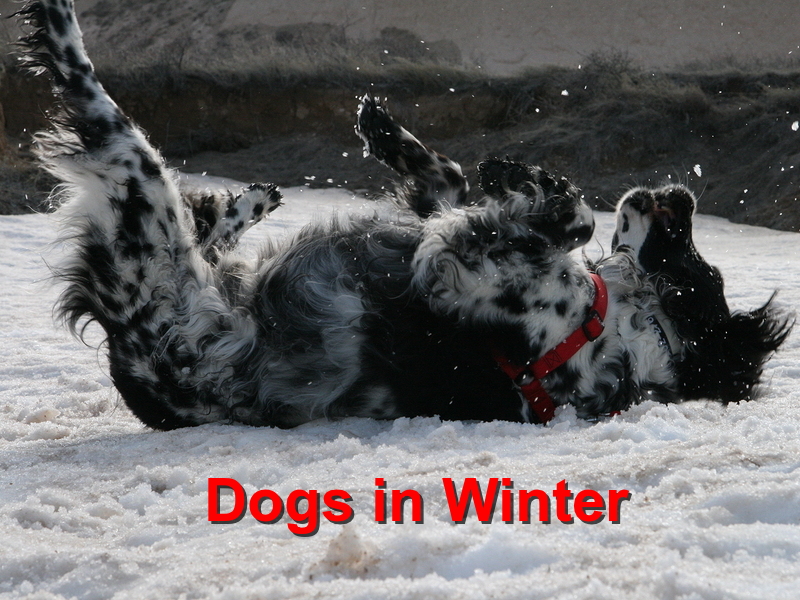
  • Dogs in Winter

    Dogs in Winter

    4 Classic Tips For Dog Care During Winter

    Caring for your dog during winter is vital just as it is to you and any other member of your family. However, in some instances, pet owners tend to forget to plan for caring trends of their dogs in the winter weather. Just because your dog covering is made up of fur, doesn’t mean they won’t get cold during this season. How then do you go about it?

    Keep Their Drinking Water Warm

    Even during winter, your dog needs to quench its thirst. So we urge you to make sure a bowl of warm water is readily available for your dog. To make this possible, you might consider purchasing a heated water bowl for this purpose. Make sure to keep checking the temperature of your dog’s food and water from time to time to eliminate the accumulation of snow. However, be sure to adjust your dog’s food to light meals as they are not so active during this period.

    Keep your Dog in Sight

    It is during winter that we witness massive loss/ injury of dogs. Therefore, make sure to keep your dog from straying by ensuring you know its whereabouts. You might also consider keeping them indoors as it chills on the outside. If your dog starts to exhibit any signs of cold such as shivering, cover them with a warm blanket, warm clothing can also do the trick.

    Safeguard your Dog from Room Heaters

    While we understand the role played by heaters during winter, we also know how dangerous they can get especially with your dog around. The cold weather might trigger your dog into snuggling too close to the heating source a move that endangers their lives in case of a fire breakout. Hence, you should, by all means, avoid using space heaters and instead consider the installation of baseboard radiators for warming purposes.

    Keep Them Moisturized

    The harsh winter weather has diverse effects on your dog’s skin. So it is essential to keep them moisturized all the time. However, while motorizing is vital, it doesn’t necessarily mean you have to bathe your dog frequently. In fact, you should reduce dog baths to a minimum during winter as this exposes them to cold, which might lead to a wide range of infections. Pay particular attention to your dog’s paws as they can easily get irritated with chemicals on the outside.

    You might also consider getting your dog footwear for protection from sand and salt.

    SOURCES: Dogs Naturally, Love To Know, Batter Sea

    COPYRIGHT: Local Value

  • Laser Toys; Are They Good For Your Cat?

    Laser Toys; Are They Good For Your Cat?

    Cats get amused by laser toys. The little moving dot tights make them even more interesting to your cat.

     
    Additionally, the constant movement of dots in the laser dots bring a life aspect to the game; reason as to why cats cannot help but chase laser dots as they change direction and speed. Though this might seem fun to watch, how safe is a laser toy for your cat?

    The Laser Beam

    Although most people like the idea of laser toys for their cats, there are some concerns about the laser-bright laser lights causing damage to your cat’s eyes. But then how true is this? As much as we don’t advocate you directly pointing the laser lights into your cat’s eyes during play time, there is nothing much to worry about if you happen to do so. The light released from laser toys is at a little range of milliwatts(typically 1-5) and is practically safe for you and your cat’s eyes. Nevertheless, we urge you to be careful when selecting a laser toy for your cat as some models contain far too much light for pet use.

    Exercising

    Just the same way exercise is essential to you, so is it for your cat. However, sometimes you get too indulged in other activities and forget to take your cat for that evening walk. This makes your cat’s life boring hence they end up lazing around at their favorite corner while keeping an eye on you. If this becomes a habit, your cat might develop lifestyle complications such as obesity due to lack of enough exercise. However, with laser toys, this is bound to change as you can still take your dog for a vigorous exercising session right at the comfort of your home. The good thing is that it doesn’t take a lot of time for both of you to have fun while keeping fit.

    Bond Building

    As we earlier on indicated, a busy lifestyle can lead to a strained relationship between you and your cat. When playing with a laser toy, you not only help your cat master vital prey tactics but also make them feel loved. Through this, you get to build a stronger relationship with much understanding of their prevalence, just as they do yours. Laser toy games also help you to teach your cat social skills such as boundaries and coordination.
     
    COPYRIGHT: Local Value
     
  • Understanding Your Cat’s Purr

    Understanding Your Cat’s Purr

    If you are a cat owner, then by now you must be conversant with everyday cat sounds such as meowing, hissing or even purring. However, most of the time, we tend to overlook purring as a way of communication. A cat purr is a vibration released by your feline during inhaling and exhaling and it occurs between the diaphragm and the larynx. So what exactly is your cat trying to tell you with a purr?

    Satisfaction

    When your cat is fully contented with their surroundings, they are most likely to purr. Situations such as getting cuddled by someone they like, being in the company of other cats, sunbathing or even taking that long-awaited meal, can trigger them into purring.

    Pain

    According to research, purring helps cats release endorphins that quicken their healing process. Therefore, if your cat is not feeling well or is severely hurt, then they are likely to purr as their body’s natural response to fighting pain. Expect this to happen at the end of your feline’s life as well.

    Attention

    Sometimes when you are into your busy schedule, you might hear your feline purr. This is to let you know that they need your attention. Maybe they are tired, need to rest or craving for their favorite food. Cats have always love soliciting attention, and so that should not come as a surprise.

    Scared

    As much as cats like behaving as superheroes most of the time, there are times when they get afraid. During this time, they purr in search of your assurance. We witness this most of the time at our veterinary hospitals.

    Light Exercises.

    Just like humans, there are times when your feline gets too lazy for strong movements. During those times, you might notice them like lying down on their favorite spot without much activity. However, do not be entirely deceived by that because purr vibrations stimulate your cat’s muscles and bones just like a regular walk. So the next time you see then idle, leave them alone.

    Mother-kitten Connection

    The moment kittens are born, the first sound they get familiar with is the purr of their mother. At that moment, that sound acts as an assurance of their safety. Since newborn kittens cannot see, that’s the primary form of communication between them and their mothers. With time, when they learn to purr (when about two years old), they use the sound to let their mother know when satisfied during nursing or when they are hungry or in need of a body rub.
     
    Sources: Catster, Wired
    Copyright: Local Value

     
  • Exercise Your Dog

    Exercise Your Dog

    With the tight schedules and tones of responsibilities, sometimes it becomes almost impossible to spend quality time with your dog. However, there is still something you can do together, and that is exercising. Do you want to break the monotony and try something new with your dog? Here are some few fun activities you should consider;

    Stand-up Paddleboards.

    Stand-up paddleboards allow co-piloting which is perfect for you and your dog. Let your dog stand at the front while you take the piloting role. The key is to go out on a conducive day with fewer winds. You don’t want to scare your dog on day one. Be sure to ride at slow speed and increase gradually as your dog gets comfortable. But most importantly, remember to dress the both of you with lifesaving gears. It is dangerous out there.

    Dog Yoga

    Also known as “doga”, this ancient practice is refreshing to your dog just like Yoga is to you. As much as your dog is naturally born with stretching skills, you can help improve them through “doga” classes. The opportunity will also help you bond with them as the both of you exercise. Additionally, you get to use the opportunity to pay close attention to some details you might have ignored such as painful areas.

    Hiking

    Love adventure? Go hiking with your dog. The experience is not only refreshing but also offers a wide range of bonding activities. However, this is only recommendable if the both of you are used to tedious working exercises. If not, start from taking long walks before moving to the next level.

    Swimming

    If your dog already knows how to swim, then this should be pretty easy. However, if not, then you have to start from swimming lessons. Swimming is an enjoyable activity you can enjoy even on a low-key day. You can add more fun to it by playing “catch” using a ball or their favorite colorful toy.

    Dog-friendly Races

    After training for a while with your dog, you can now move to the next level. Try signup for charity events with dog-friendly races. Through that, you and your dog will find the motivation for more exercising sessions. Additionally, you will get the chance to give back to the society which would bring you more satisfaction.

    Snow Walking

    The long cold seasons can be boring for you and your dog. However, the good news is that you don’t have to stay all day indoors. Get yourself warm and enjoy the snow. Most dogs enjoy the all-white-view.
     
    Sources: Health, Dog Time