Category: Puppies

  • Anxiety And  Emotional Therapy

    Anxiety And Emotional Therapy

    Seven best dog breeds to help in anxiety and emotional therapy

    If you are unfortunate to be suffering from anxiety, a dog could also see you beat your psychological and physical stress. Studies do show pet owners have lower heart rates and blood pressure, with the capability to recover quicker from stress. But not all canine breeds are best at bringing you calm? Here, we get to sniff out the dogs that can help you develop assurance and kick your anxiety.

    • Golden and Labrador retrievers

    Retrievers are perhaps the most popular choice for emotional and anxiety therapy animal due to their temperament, adoring and playful nature to the human family. Golden retriever, especially, is very friendly, trustable and generally well behaved. Labrador retrievers are incredibly playful and can keep one busy throughout the day, making them ideal for anyone dealing with anxiety symptoms.

    • Bulldog

    Bulldogs always appear as rather grumpy, but surprisingly these pugs are known for being very friendly and gentle. Bulldogs have a popularity of still snuggling quietly next to their owners, and for an anxiety sufferer, this seems like a perfect companion at home. “Frenchies” are an example of even-tempered and flexible bulldogs that are popular as a laid-back pet.

    • Poodles

    Apart from being one of the cutest dog breeds around, poodles are also pretty smart. Their high intelligence and longer life-span makes the perfect for longtime grooming in emotional support. These relationship characteristics make poodles valuable allies to keep you company and fight any anxiety present.

    • Spaniels

    The Cavalier King Charles Spaniel was initially groomed to be loyal companions since they are super affectionate and would ever want to cuddle. Cockers are another favorite spaniel breed that is openly personable, lively and loving. Their soulful eyes and kind faces will give anyone the reassurance and provide company to make you raise a smile.

    • “Yorkies”

    Yorkshire Terriers or “Yorkies” make up the perfect pug companion if you live in small spaces such as apartments. While they are considered ideal due to size, anxiety sufferers can benefit from this breed due to their tendency to develop healthy relationships makes them one of the most loyal and trainable breeds out there.

    Remember there are many factors when considering a dog for emotional support against anxiety with the dog’s breed being one of them. Still, if you are looking for a canine companion for emotional support, then these dog breeds are an excellent place to start.

    SOURCES: Pet Wave, Castle Wood Bulldogs, Dog Breeds List, Science Daily, Canis Major, The Happy Puppy Site


  • Choosing the Best Dog Breeds

    Choosing the Best Dog Breeds

    Guide for Senior Citizens When Choosing the Best Dog Breeds

    Dogs have been proven to be of great benefits for senior citizens. They not only bring joy and unconditional love but also help to enhance the lives of older adults. The following is a guide for seniors who are looking for canine companionship and tips on how to incorporate these precious pets into their everyday lives.

    According to veterinarians, it is critical to be careful of the dog breed you choose. You must consider the quality of life for both yourself and your pet. Some of the primary considerations include the size of your house and how regularly you plan on walking your pet among others. Here is a collection of the best breeds for seniors.

    Pug

    The ever-charming pug breed represents a versatile type that makes perfect companions for various people, including senior citizens. Besides requiring minimal grooming and having moderate exercise requirements, Pugs have plenty of fun personality about them. However, since they can be a bit heavy compared to other toy dog breeds, seniors should consider that before choosing them.

    Shih Tzu

    The low-maintenance and easy-going Shih Tzu breed are usually fitting matches for senior citizens. These little dogs are fun, natural companions that do not need a lot of exercises. They are always happy to relax with their owner and are loving and sweet. The only thing that they need is daily brushing and regular grooming to maintain that perfect look.

    Japanese Chin

    A quiet and tidy little pup, Japanese Chins are renowned for being nearly cat-like. As a result, it makes them ideally suited for living in apartments and enjoying short and slow walks. They generally love spending time with people. Additionally, despite having long and beautiful coats, they are surprisingly easy to maintain and only require weekly brushing.

    Boston Terrier

    If you want a more adventurous dog breed, then you should consider getting the Boston Terrier. It is a lively and well-mannered dog breed that delights in the outdoors and plenty of activities. They have great personalities and are quite intelligent, which is easier to train them. Best of all, these dogs love making their people happy.

    Chihuahua

    The most popular dog breed for seniors, the Chihuahua, is the perfect choice because of their tiny size and light exercise requirements. These precious little dogs enjoy the lap time and therefore, thrive as the ideal companions for the elderly. Nevertheless, Chihuahua can also be quite overprotective and loud.

    References: Pet Coach, Love To Know

  • New Puppy

    New Puppy

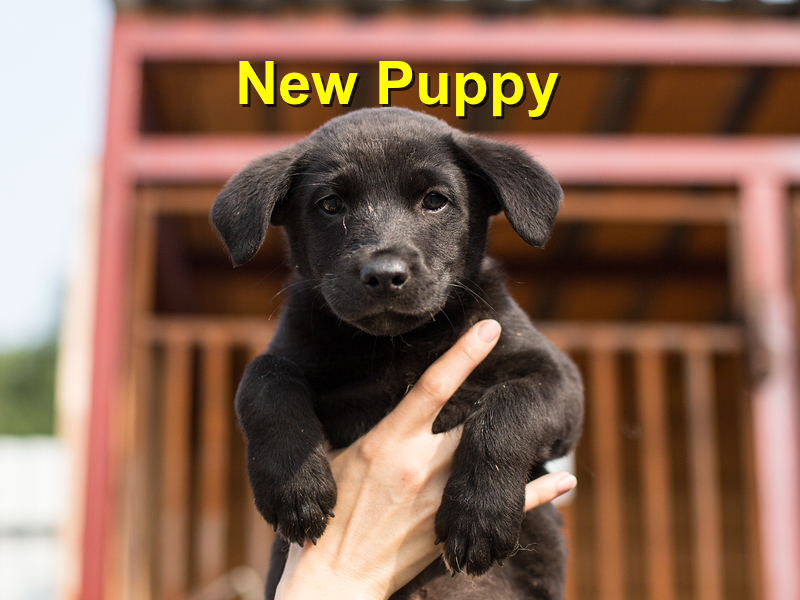
    Checklist for a New Puppy

    There are few events more exciting as compared to welcoming a new pet into your home. Since a puppy needs lots of attention and care, you have to make sure that you are well prepared before your furry friend arrives. Here is a checklist of all the essential puppy items you should have in place before you get distracted by a happy, licking puppy at home.

    Get dog toys

    When puppies are teething, they feel the need to start chewing on items. Hence, you should ensure that you have a sufficient supply of quality chew toys or else your furniture, shoes or purses will be targeted. Also, since inappropriate chewing can be costly or even dangerous for your puppy, set them up for a successful transition by providing the appropriate dog toys.

    Invest in dog treats

    Everyone deserves a treat every once in a while, and your puppies are no different. Dog treats not only make it easier to train your furry friends, but it also helps to enhance the puppy-human bond through positive reinforcement. However, make sure you don’t overdo it since the treats are supposed to add a bit of flavor and not replace healthy meals.

    Healthy dog food

    Get the right food that is adequate for their current developmental stage. Age-specific dog foods will allow your puppy to grow naturally without consuming too many calories. If you are unsure of what to give your puppy, consult a veterinarian to make sure that the foods you are using are the ideal option for your pet.

    Set up the bedding area

    Puppies need a clean, safe and comfortable sleeping sport. Most owners use crate training for both house training as well as providing the slumber spot. Ensure you use a sizeable crate and a comfortable crate pad to give your dog a nice place to relax.

    Buy cleaning supplies

    Puppies are quite messy, especially before they get used to the new environment. Hence, having a decent cleaning supply is invaluable to any pet owner. Pet safe cleansers are the best option since they also safeguard your dog’s health.

    Plan for dog grooming

    Your puppy will undoubtedly need a clean-up at some stage. You should buy a shampoo that is designed for dogs since their skin is very sensitive and it is vulnerable to the chemicals and stripping cleansers that are used in shampoos created for people. Also, get a brush as brushing keeps your puppy’s coat healthy and shiny.

    Dog collar and leash

    Puppies are not born with an inbuilt understanding of leashes or callers. You must train them early on how to get familiarized with using a collar and leash as part of their socialization skills. Long leashes are ideal for older dogs while puppies should use short leashes to ensure that they are always under your control.

    In conclusion, you should establish a connection with your local veterinarian since your puppy will need ongoing care, including vaccination shots and regular checkups. 

    References: Pet MD, My Dogs Name, Pet MD

  • Commemorating National Puppy Day – March 23, 2017

    Commemorating National Puppy Day – March 23, 2017

    ‘Every dog has its day,’ goes the famous adage.

    In line with this, ten days after the commemoration of their elder brothers’ National K9 Veterans Day on March 13, our tail wagging and sniffing chums will have their dedicated day. All dog lovers and pet owners mark your calendars on the 23rd day of March this year. It is the National puppy day.

    History of the National Puppy’s Day

    Established ten years ago on March 23, 2006, by Colleen Paige – a celebrity home lifestyle expert and pet lover – the day is annually dedicated to your cute furry friends with two main objectives. First, to recognize and cherish the joy and warmth that baby pups add to our lives. Second, to raise awareness of the essence of pet adoption and significant issues surrounding a puppy’s health.

    What you Should be doing on National Puppy’s Day

    If you have recently acquired a puppy, then this is the best time to schedule a first comprehensive checkup. However, it is important to bear in mind that puppies should be first vaccinated at the age of 6 weeks. An early visit to your vet will ensure a flourishing future health of your growing barking buddy.

    The National Puppy Day this year is also the opportune time to purchase a name tag or make sure that your pup’s current name tag is in good condition and up to date should they get lost in the neighborhood. Puppies naturally love to explore their immediate environment. It shouldn’t surprise you that they have already lost it.

    Lastly, 23rd March is the day you puppy proof your home by storing away hazardous household chemicals such as cleaning agents and medicine. You may also want to keep your curious tail-wagging friend away from from the danger of consuming ‘people’s food’ that can be potentially toxic to dogs. This includes foodstuff such as avocados, onions, chocolate and most kitchen ingredients.

  • Commemorating the National Pet Poison Prevention Week

    Commemorating the National Pet Poison Prevention Week

    The third week of March every year is routinely dedicated to raising awareness of pet poison prevention in the United States. And this year is no different: From March 19 to 25th, 2017, pet-owners are encouraged to join hands in eradicating the ever-present hazard of potential pet poisons in their homes and workplaces that are responsible for over a million deaths of our treasured companions every year.

    History of the NPPW ( National Pet Poison Prevention Week)

    It was first observed in March 1961 as a way of calling to attention the unseen dangers of pet poisons lying around in our homes and offices and how one can prevent accidental pet poisoning. In the past two years, hundreds of thousands of pets across the US, and millions of others in other countries have died from both deliberate and accidental chemical poisoning. This, coupled with the fact the environmental pollution is at its record high, has threatened to exterminate a significant pet population around the world.

    How you Can Join the Movement

    As a pet owner, you can contribute to this cause by playing your role in raising awareness of the unseen danger lurking in our homes in the form of potential pet poisons. It can be as simple as sharing ‘pet poison facts’ with your online family via social media tweets and hashtags either on Facebook, Instagram, or Twitter. Again, spread the message by viewing and sharing pet poison statistics [ http://poisoncontrol.utah.edu/publiced/pdfs/PoisonByTheNumbers2010.pdf ]

    In similar tandem, lead by example by cleaning out all potential pet poisons in your home’s basement, store, garage or cellar. This might range from unused and expired medicine tablets to undisposed old bottles that previously contained toxic substances such as household detergents and cleaning aids. Also, this is a good time to rid your garage of any potentially hazardous chemical. Alternatively, lock it up securely in a place where it is not easily accessible to pets.

    Poison Control Centers

    Lastly, when was the last time you visited or called your nearest poison control center or veterinary? The pet poison prevention week is also an opportune time to familiarize with the location and staff of your nearest poison center.

    SOURCE: American Association Poison Control Centers
    COPYRIGHT: Local Value

  • National Professional Pet Sitters Week

    National Professional Pet Sitters Week

    A Close Look at the National Professional Pet Sitters Week

    There is no denying that some of you have had a pet sitter ( trained or untrained ) at some point. It is pretty common for pet owners to feel a bit tied down or even obliged to take care of their pets, be they cats or dogs, instead of going out of town without having to worry incessantly about the treasured companions that they have left behind. We all also know that even if you a few close friends and family in your neighborhood, you are not entirely guaranteed that they will watch your 4-legged furry friend throughout the time that you will be away. And this is where pet sitters will often come to the rescue!

    Recognizing the Valuable Efforts of Pet Sitters

    Pet sitters should without a doubt be honored and recognized for the invaluable service that they extend to pet owners in different parts of the world. For this very reason, the PSI ( Pet Sitters International ) started the Professional Pet Sitters Week ( PPSW ) back in 1995. It is typically observed during the first week of March, and this year, it falls between 6th and 11th March 2017.

    Dedicated to all Pet Sitters

    The week is dedicated to all professional and expert pet sitters across the globe who sacrifice their time to keep a watchful eye on pet animals of all sorts. They are also trained to feed and clean them while their usual owners are either unable to take care of them or away on vacation. It is their prized job to keep our pets happy, active, healthy and cared for. The seven days between March 5th and 11th is also a good time to raise awareness and educate people on how they can start a rewarding pet-sitting career.

    On a more personal level, this can also be an excellent time to take care of your pet’s annual checkup. Visit us and have them checked thoroughly for any possible unseen ailment or deficiency that they may have.

    SOURCE: Pet Sit
    COPYRIGHT: Local Value

  • Common  Mistakes  in Home  Pet Grooming

    Common Mistakes in Home Pet Grooming

    When dog owners attempt pet grooming at home, there are several common mistakes that are made. Pet grooming is a skill, but with the right equipment and patience it can become a household duty that will save both time and money. Trust is loss once pain is inflicted and your pet may not treat you the same afterward.

    The first common mistake is waxing close to the skin while shaving. The clippers can leave a nasty razor burn that can open its way to later infections. If you accidentally give your pet a burn while grooming, stop and apply first aid. Add some anti-bacteria salve and if possible clean the wound. Hug you pet and let it know that you repent and it was an accident. Though they might not understand words, your pet will understand the tone and will react accordingly. The emotional pain is equally as bad as the physical. Watch the wound carefully and if it becomes red or issues puss, contact your veterinarian immediately. If the animal licks or otherwise irritates the wound, you might choose to get a protective plastic collar to stop the behavior.

    Another mistake in novice pet grooming is getting shampoo or other chemicals in your pet’s eye. Either from your mistake or from the animal’s head movement soap can splash. This unintentional act will sting your pet’s eyes and result in an unpleasant pet grooming experience. Wash the soap out with water or saline solution and dab the corners of the eye with a sterile cloth. Soothe you animal and aim to take the focus off their eyes and maybe gain their attention by showing them a favorite toy or ball. Hold the toy up so the animal can check it out. Move the toy in and out. As your pet tracks the toy, look at their eyes for signs of irritation.

    A possible fatal mistake in pet grooming is leaving your animal unrestrained or loose during grooming. Your dog and cat can put themselves in dangerous situations by trying to escape the pet grooming activity. You may even want to put a muzzle on your pet to protect both you and them.

    Pet grooming is best left to a professional. The bonding time with the animal is another perk to grooming your pet yourself.

    When dog owners attempt pet grooming at home, there are several common mistakes that are made. Another mistake in novice pet grooming is getting shampoo or other chemicals in your pet’s eye. A possible fatal mistake in pet grooming is leaving your animal loose or unrestrained during grooming. Your dog and cat can put themselves in dangerous situations by trying to escape the pet grooming activity. The bonding time with the animal is another perk to grooming your pet yourself.