Category: Social Media

  • Correcting Unwanted Dog Behavior

    Correcting Unwanted Dog Behavior

    Behavior – In The Beginning

    When getting a dog, every owner imagines the companionship, trips to the park, long walks, and unconditional love. What they don’t expect is an aggressive barker that runs away. A dog that would rather rip the couch apart than snuggle, or a fur friend that would rather dig up your yard to hide a ball than to catch it.

    The perfect pet can be hard to find. Even with years of training the “perfect” dog can still run, dig, and over eat. Understanding this is key to correcting unwanted dog behavior.

    Knowing and understanding why your pet has an issue will help you find the proper way to correct him and deal with the problem. While there could be a number of environmental factors plaguing your pet, his issues could be ingrained in his DNA.

    Source: Petsafe

  • Be Prepared For An Pet Emergency With These Tips

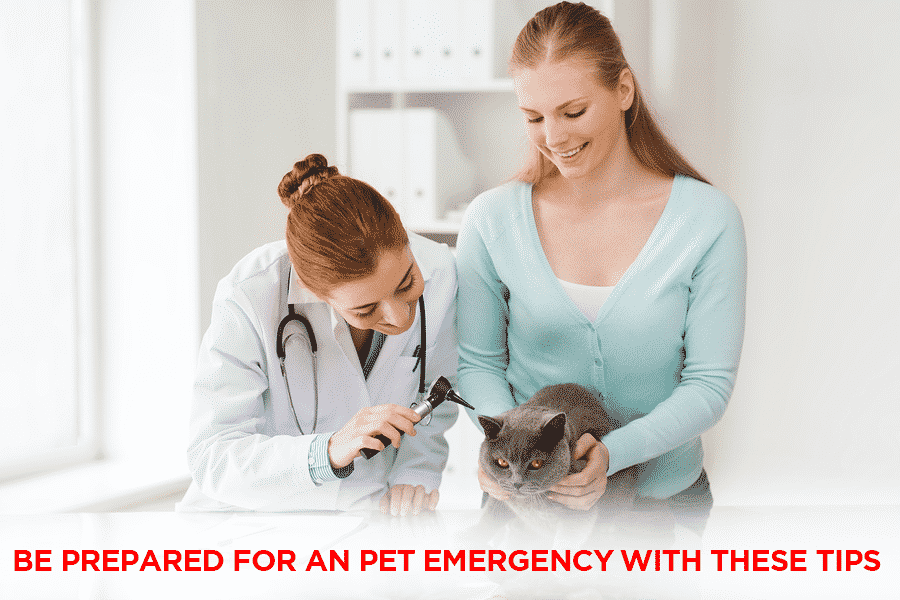
    Be Prepared For An Pet Emergency With These Tips

    If you suspect your pet has consumed or been exposed to any toxic substances or think that you are having an emergency, the first step would be to immediately contact your veterinarian or the ASPCA Animal Poison Control Center [888-426-4435*] immediately. A fee may apply.

    Here are some tips, links and emergency phone numbers that may help:

    1. Your vet’s emergency phone number
    2. The local emergency clinic number
    3. How to get to the veterinary clinic
    4. Poison Control number (888-426-4435)
    5. How to perform basic CPR on your pet
    6. How to stop bleeding/apply a basic pressure wrap
    7. How to muzzle your pet (to keep an injured pet from biting you)
    8. If addition to these seven things, you should also be prepared with methods of payment for your pet’s medical care. Emergency care is often more expensive than routine care due to the intensity of diagnostics, monitoring and treatment required, and it is your responsibility as a pet owner to pay for that care. Many clinics are unable to bill you for the services, or may require a deposit or payment in full at the time of service. Delaying medical care to avoid fees could put your pet’s life at risk. Planning ahead for financial coverage of emergencies – perhaps by having a separate account or credit card for emergency use only, or pet insurance – can save you a lot of stress when they do happen.

    Source: AVMA

  • Cats, Cars and Safety in Cold Weather

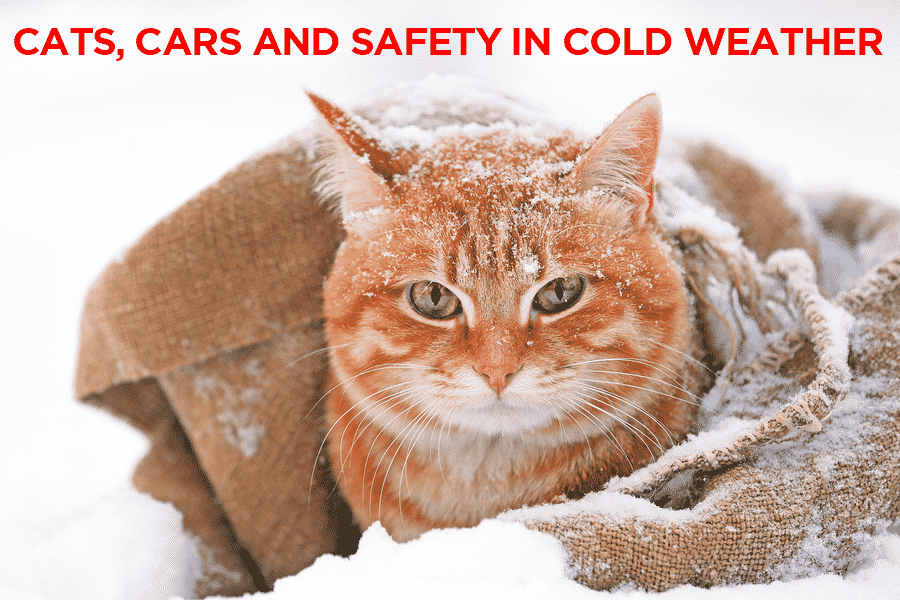
    Cats, Cars and Safety in Cold Weather

    Cats seek warmth wherever they can, especially during the cold winter months. One particularly irresistible place for our furry friends is the cozy confines of a warm car engine. Unfortunately,that might not be the most ideal place for them when the car is started, causing injury or death. Help keep our feline friends safe this winter with these great tips.

    Cats – Keep Them Inside

    The best advice regarding your own cat is simply to keep him indoors during the winter. You’ll protect him not only from engine dangers but also from becoming lost, stolen, or injured.

    Check on Them Before Leaving For A Trip

    With your cat safe inside, it should be easy for you to check on her before leaving on any trips.

    Give Them a Warning

    Even with your cat safely inside, neighborhood and feral felines could still be hiding under your car. You can honk your horn before starting your car to help wake up any sleeping cats under or in your engine and give them a chance to escape before starting the car.

    Source: Pet Health Network 

  • How Old is Your Cat in Human Years?

    Starting at around age 9, your cat is already entering its senior years. At this stage, your cat will need to visit a veterinarian more often as he or she can start to develop diseases such as diabetes, heart disease, cancer, kidney disease, and others. In fact, according to Pet Health in Network, one out of 10 pets that appears healthy, has an underlying disease.

    Refer to Pet Health in Network’s chart below to identify your cat’s real age, and then take the steps necessary to keep your cat healthy.age_chart_cats_v3


  • Today is National Dog Day

    Today is National Dog Day

    For more wonderful and inspiring dog pictures go to: https://www.facebook.com/NationalDogDay
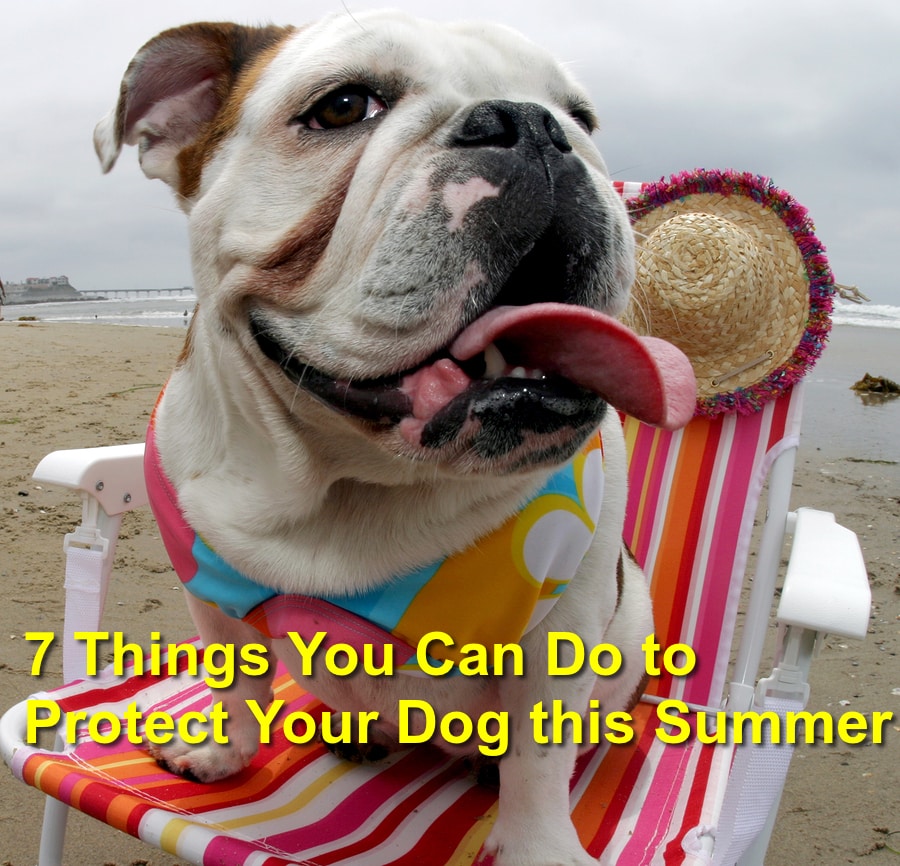
  • 7 Things You Can Do to Protect Your Dog this Summer

    7 Things You Can Do to Protect Your Dog this Summer

    1. Never leave your dog in the car;
    2. Make sure your dog has unlimited access to fresh water;
    3. Make sure your dog has access to shade when outside;
    4. Take your dog for walks in the cooler hours of the day;
    5. When walking, be aware that your dog can burn its paws, so try to stay off of hot surfaces (like asphalt);
    6. Remember that if you think it is hot outside, it is certainly hotter for your pet, so make sure your pet has a means of cooling off;
    7. Consider shaving dogs with long coats and apply sunscreen to your dogs skin if he has a thin coat.

    For more tips on how to keep your pet safe click here.

  • 5 Questions to Ask at Your Cat’s Next Veterinarian Exam

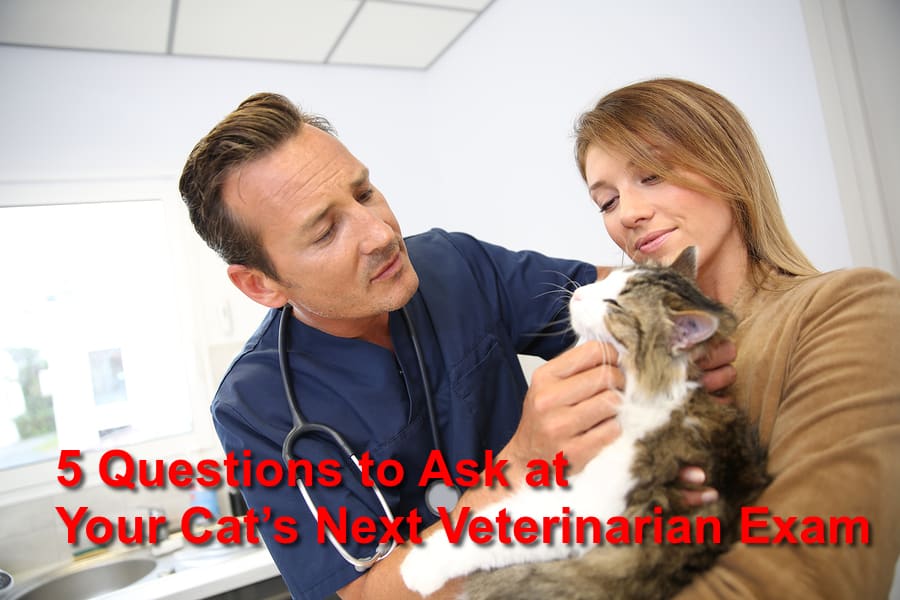
    5 Questions to Ask at Your Cat’s Next Veterinarian Exam

    It is important to ask your veterinarian the list of questions below at least once a year, as answers may change from year to year. Write it down and bring the list with you so that once your veterinarian is done explaining things you can look at your list to see if he or she has answered all of your questions.

    1. Is my cat at a healthy weight?
      According to a study from the Association for Pet Obesity Prevention, about 53% of cats are overweight. Overweight cats are predisposed to a number of health issues, and diabetes is at the top of the list. Ask the question to get an honest answer from your vet on your cat’s body condition.
    2. What should I feed my cat?
      It is important to learn more about what type of diet will best support your cat’s health. Ask about canned versus dry food and whether or not your veterinarian recommends a specific brand for your kitty.
    3. Which vaccinations are appropriate for my cat?
      There is no “one size fits all”. To answer this question your veterinarian will need to know your cat’s prior vaccination history, if your cat has contact with other cats, if it travels with you, etc.
    4. Should be doing anything different at home?
      Your vet may recommend that you change things at home a bit depending on your cat’s age and health. For instance, he or she may request that you increase litter box access to your older cat that has a bladder issue. So make sure to ask if you should be doing anything different at home!
    5. When should I bring my cat back?
      Always find out what is supposed to happen next after seeing your cat’s veterinarian. The goal here is to always come away with a plan.
  • National Immunization Awareness Month

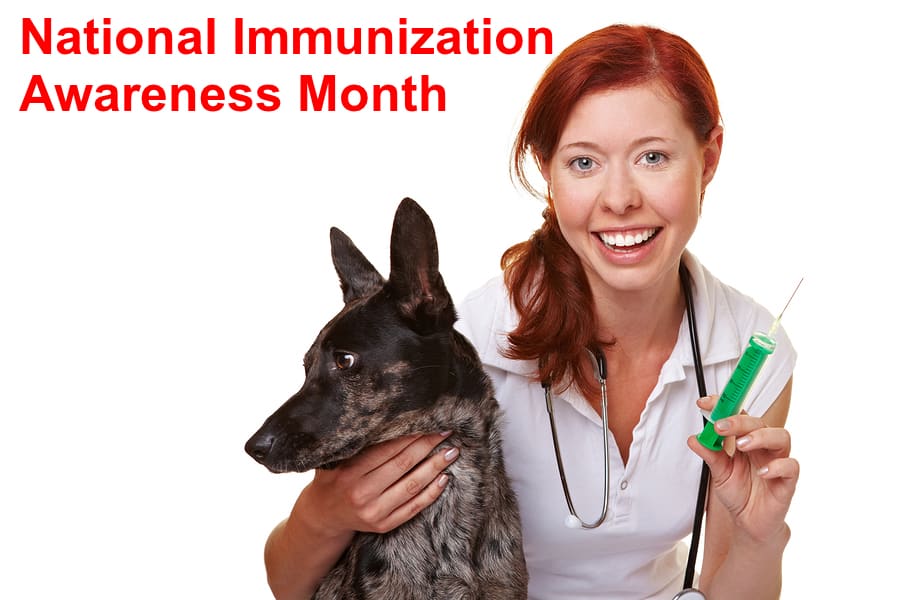
    National Immunization Awareness Month

    Just like it is important for us, it is also important for our pets to stay on top of their vaccines and immunizations. Below is a list of the 5 top reasons vaccinations are important for pets:

    1. It is essential for your pets’ health and long happy life. Vaccines can effectively prevent serious canine diseases like distemper, rabies and hepatitis, and major feline diseases like feline leukemia, calicivirus or viral rhinotracheitis.
    2. It can keep the human members of your family healthy as some of your pets’ diseases can transfer to humans.
    3. It is required by law. Different states have different laws governing the administration of some required vaccines. Be sure to check which dog or cat vaccines are required where you live.
    4. It can save lives. It is important to realize that vaccines have saved countless lives. Rabies vaccination, for example, has saved the lives of countless dogs and many humans as well (who could have contracted rabies from dog bites).
    5. If your pet likes to play outdoors and with other pets, it is very likely that he or she will be exposed to many infectious, and fatal diseases. If your pet is vaccinated, its immune system will be prepared to fight these infections.

    Depending on your geographical location and your pet’s lifestyle, your veterinarian may recommend different vaccinations. Make sure to contact your veterinarian to define which vaccines are important for your pet.