Category: Social Media

  • Ear Care for Dogs

    Ear Care for Dogs

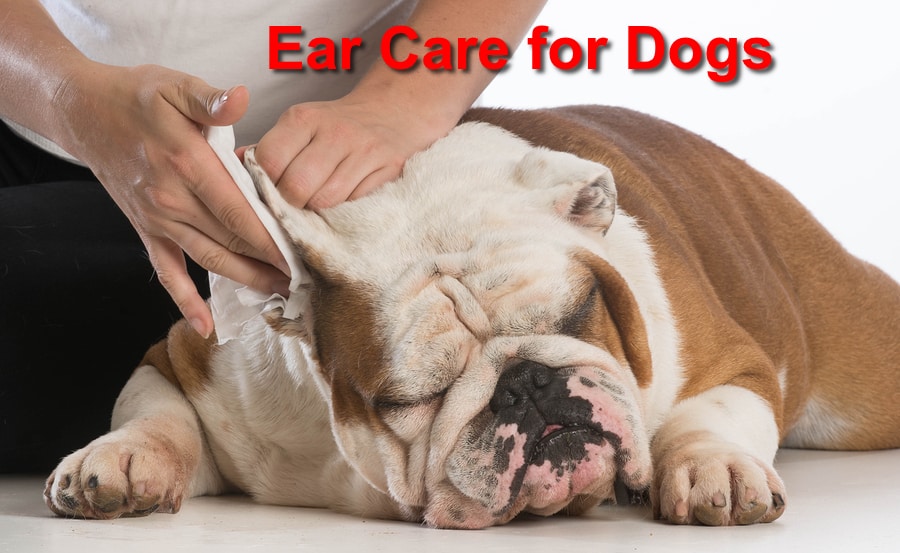
    Keeping a dog’s ears clean is an essential part of grooming and hygiene routine, and it can reduce the chances of ear infections.

    Because dogs don’t have straight ear canals, it is easy for debris and bacteria to accumulate inside the ear and create problems.

    In order to clean the external ear canal of your dog, follow these simple instructions:

    1. Soak a cotton ball with ear cleaner
    2. Place the soaked cotton ball into your dog’s ear canal where it is still visible.
    3. Gently manipulate the base of your dog’s ear, to help clean the ear and gently loosen debris.
    4. The ear should then be wiped and cleaned from the inside out.
    5. Important: Don’t insert Q-tips into your dogs ears canal and look for swellings or redness when cleaning the ear.
    6. If you notice an increase in debris or odor in your dog’s ear, have your dog be seen by your veterinarian.

    Original content here/video explanation here.

  • 5 Easy Steps to Reduce Veterinary Expenses

    5 Easy Steps to Reduce Veterinary Expenses

    1. See your veterinary often – this will ensure that you don’t have to spend money fixing a major problem when it happens. The price of wellness exams is nothing compared to the price of fixing a critical problem.
    2. Observe your pet’s behavior – changes in appetite, toilet habits and water intake all can be a sign of a problem. Go see a veterinarian as soon as you notice there is a change in your pet’s behavior. Once again, prevention is much cheaper than treating a critical problem later.
    3. Get ahead of common pet threats – By doing things like keeping your dog on a leash when walking, keeping your cat indoors, keeping your dog in a fenced yard, etc. These basic precautions can do a lot to prevent automobile accidents, fighting, ingesting toxic substances or coming in contact with sick animals, which will help you eliminate the expenses of emergency care.
    4. Practice regular hygiene with your pets – dental disease can add lots to your veterinary expense. Daily brushing of your pet’s teeth will help control tarter, calculus and gum disease. Also, make sure your pet is well groomed and clean to prevent diseases of the ear and the skin.
    5. Prevent pet obesity – obesity puts dogs and cats at risk of avoidable health problems. Remember, since we are responsible for feeding our pets, we are also responsible for their weight management.

    For more information go here.

  • How to Teach Your Dog to Balance a Treat on Their Nose

    Watch this 4-minute video to learn how to teach your dog to balance a treat on his nose. https://youtu.be/hUYAEhm8YiI

    Here is a quick tutorial:

    1. First teach the dog impulse control by holding a hand full of delicious food and asking the dog to leave the food alone until you tell him to get it.
    2. When your dog looks away, mark and reward the behavior with a consistent sound of “yes”
    3. Mark and reward your dog ‘s behavior when it chooses to look away from an open hand. Then repeat this by holding the treat with 2 fingers.
    4. Hold the treat in a closed feast right in front of a dog’s nose. Wait until the dog stops sniffing to reward his behavior. Do the same thing by holding the treat in 2 fingers.
    5. Finally, you should be able to balance the treat on top of the dog’s nose.
  • Top 5 Fourth of July Pet Safety Tips

    Top 5 Fourth of July Pet Safety Tips

    1. Keep your pets away from the BBQ grills that can easily burn them.
    2. Animals should never have access to chocolate or alcohol. Never leave alcohol or chocolate unattended where pets can reach it.
    3. Never use fireworks around pets! Even unused fireworks can pose a danger as many contain potentially toxic substances, including arsenic and heavy metals.
    4. Loud, crowded fireworks displays are no fun for pets (and many pets are in fact terrified of them), so resist the urge to take them to Independence Day festivities.
    5. Make sure that your pet has collards, ID tags and microchips that are up-to-date! A door gate could be left open accidently during your BBQ or your pet could escape if it becomes frightened during a fireworks display. Collars, ID tags and microchips are the best way to ensure your pet will be returned to you if it gets lost.
  • Senior Pets

    Senior Pets

    Did you know that cats and dogs are usually considered “senior” at 7 years of age? Larger breeds of dogs are even considered senior at 5 years old. That being said, it is important to remember that not only is your pet’s coat color getting greyer, but also your pet’s organ systems are changing as they age. Below are some things that you need to be on the look out for:

    • An older pet is more likely to develop diseases such as heart, liver and kidney disease, cancer or arthritis. Cancer accounts for about half of the deaths of pets over the age of 10.
    • It is normal for pets to lose some of their sight and hearing as they age, just like humans. If your pet’s eyesight is failing, avoid rearranging or adding furniture or other items that could become obstacles.
    • If your pet is starting to avoid jumping, active playing or even daily activities such as jumping into your car, it may have arthritis.
    • Behavioral changes in your pet can serve as the first indicators of againg or of a problem. Changes might be due to pain, or worsening signt or hearing or even due to its normal aging process.
    • Weight can have an enormous effect on an older pet’s health. Excess weight in older pet increases the risk of arthritis, difficulty breathing, diabetes, high blood pressure, skin problems, cancer and other conditions.

    Because older pets are more likely to develop certain conditions, it is very important that they are regularly examined by a veterinarian to maintain them healthy. For more senior pet’s information go to the American Veterinarian Medical Association Senior Pets webpage.

  • Kitten Care 101

    Kitten Care 101

    So you made the big decision of bringing a new kitten home. Now what? It is important that you take the steps necessary to maintain your kitten healthy, and ensure that you enjoy this experience to the fullest, as kittens are not kittens forever!

    1. Preventing kitten diseases and paradises: Take your kitten to a review by your veterinarian to make sure there are no health concerns that need to be urgently addressed. Your kitten will also need to be vaccinated and immunized against a variety of diseases.
    2. Feeding your kitten: Be careful not to overfeed your kitten. Some of veterinarians suggestions to promote healthy feeding are: using a small food bowl, feed your kitten a variety of different flavors, and making feeding part of your kitten’s daily stimulation and activity. Ask your veterinarian to recommended a food and amount.
    3. Keeping your kitten sheltered: cats are safer if kept totally indoors. Also, provide your kitten with a clean litter box that will attract him or her to use the toilet. Make sure to introduce your cat to the litter box early and often.
    4. Stimulating and interacting with your kitten: are critical in the socialization and enjoyment of your kitten. Cats are by nature gentle, so respect your kitten’s natural behavior and provide gentle stimulation to it.
    5. Spaying and neutering: All pet kittens should be spayed and neutered for behavioral, population and health reasons.

    For more information on how to care for your kitten  including a new kitten checklist and cat nutrition:

  • Funny Cats Compilation Video

    Cats are brave, independent, loving, friendly and even funny. Watch this video to laugh a bit and fall even more in love with your cats (or to convince yourself to adopt one if you haven’t done so yet!).

  • Adopt a Cat Month – Top 5 Reasons You Should Adopt a Cat

    Adopt a Cat Month – Top 5 Reasons You Should Adopt a Cat

    1. Cats are very independent, which means that little supervision is needed.
    2. Kittens don’t need to learn where to do their business, they come potty trained! Just get your kitten a litter box and it will know what to do.
    3. You are saving a life. Over 40% of cats entering shelters are euthanized every year. (https://www.aspca.org/about-us/faq/pet-statistics)
    4. Indoor cats generally don’t need baths – they bathe themselves!
    5. Owning a cat is good for your health! Cats particularly lower the amount of stress from your life and could potentially lower your chances of having heart diseases. (http://www.medicalnewstoday.com/articles/98432.php)