Category: Social Media

  • 11 Things You Can Do to Make Travel Safer for You and Your Pet

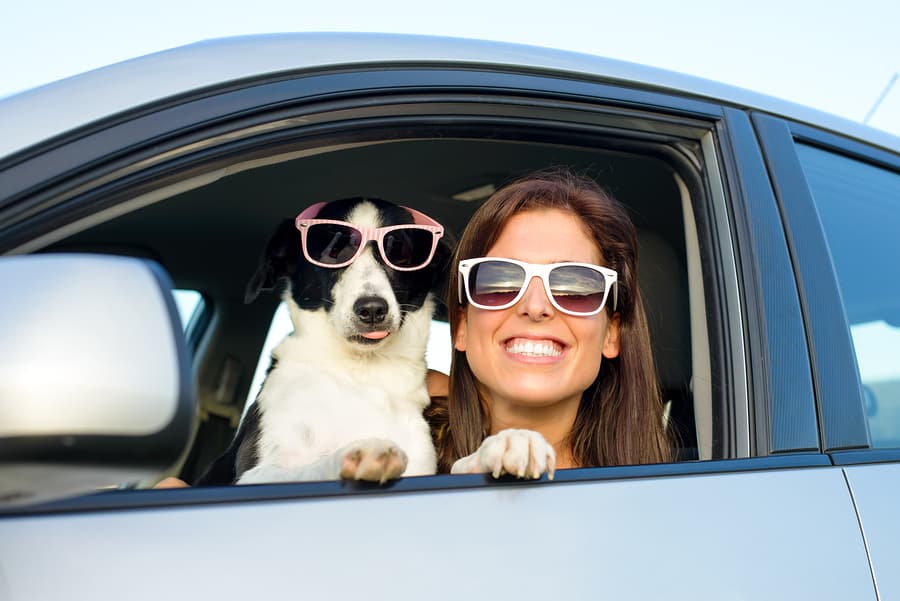
    11 Things You Can Do to Make Travel Safer for You and Your Pet

    1. Ask yourself if taking your pet with you is the right thing to do (if the answer is “no” make arrangements with a pet sitter, etc.)
    2. Make sure your pet will be welcomewhere you’re heading
    3. Make sure you have a Certificate of Veterinary Inspection if you are crossing state lines. You will need to get this within 10 days of your travel.
    4. Have both of these websites handy in case you run into an emergency while traveling with your pet and need to find a veterinarian that you can trust: American Animal Hospital Association’s search and the Veterinary Emergency and Critical Care Society’s emergency clinic directory.
    5. Prior to traveling, make sure your pet is properly identified in case it becomes lost.
    6. Properly restrain your pet with a carrier or harness that is the appropriate size for it. Appropriate size means that he or she can lay down, stand up and turn around.
    7. Make sure your pet is already accustomed to the harness or carrier before the trip. Additional stress can be added to your pet if it is not used to it.
    8. While traveling make frequent stops to allow it to go to the bathroom and stretch its legs.
    9. Take food and water for your pet on the trip.
    10. Bring a current picture of your pet and keep it with you, so it is easy to make “lost” posters if needed.
    11. Don’t forget to take your pet’s medications with you.

    For more information and for further traveling with your pets tips go here:

  • Top 10 Breed-specific Conditions That Could Mean Surgery for Your Dog

    Top 10 Breed-specific Conditions That Could Mean Surgery for Your Dog

    Many dog breeds are at risk of specific health conditions, so if you own a purebred dog or are thinking of acquiring one, it is important for you to understand what your dog might be at risk for. Below are 10 breeds and the risk associated with each one.

    • Labradors and ACL tears
    • Golden Retrievers and cancer
    • Bulldogs and narrow nasal passages
    • Dalmatians and bladder stones
    • Dachshunds and slipped discs
    • Great Danes and GDV (gastric dilatation volvulus)
    • Boxers and mast cell tumors
    • Cocker Spaniels and ear infections
    • Yorkshire terriers and tracheal collapse
    • Poodles and dislocated kneecaps

    If you have or are considering getting any of these breeds, ask your veterinarian what you can do to prevent these conditions. For more information click here:

  • Teaching your Dog a New Trick

    Watch this 2-minute video and learn how to teach the roll over trick to your dog in 3 simple steps!

  • Mother’s Day Gift: What Dog Breed Is Right for Your Mom?

    Mother’s Day Gift: What Dog Breed Is Right for Your Mom?

    Mother’s day is around the corner, and if you have a mom who is crazy about pets, giving her a puppy on her special day might be a great idea! But how do you find out which breed is right for your mom?? Below are 4 important things to consider:

    • Space: The easiest thing to consider when looking for a dog is space. Does your mom live in an apartment? Does she live in a house? Does she have a backyard? If your mom lives in a house and has a big backyard, almost any breed will work. If she lives in an apartment, small breeds would be better, or any of the following 2 breeds (which make for great apartment dogs): Bichon Frise or Greyhound.
    • Activity Level: You need to make sure you don’t match your not so active mother with an extremely energetic Jack Russel Terrier or vice versa. It is important to think of your mom’s normal activity levels before choosing the right breed for her. Some low-activity dogs are: Shih Tzu, Mastiff, French Bulldog or Bichon Frise; some moderate-activity dogs are: Boston Terrier Affenpinscher or Saluki; some high-activity dogs are: Labrador Retriever, Australian Shepherd, Border Collie or any Terrier.
    • Temperament: Dogs, like humans, have different personalities. You will want to match the dog with your mom’s personality. Is your mom outgoing and friendly? Any Terriers will work well with her. Is she very affectionate? A Golden Retriver will work well for her. Does she have grandchildren visiting all the time? A boxer will be a great companion!
    • Size: Finally, size! Some people are nervous of big dogs, others feel protected by them. Some people are lovers of small dogs like Yorkies or Chihuahuas, others prefer Golden Retrievers. Do you know where your mom stands on this? Find out before you choose the perfect breed of dog for her!

    Still not convinced? Use one of the links below to take a dog breed selector quiz:

    http://dogtime.com/quiz/dog-breed-selector
    http://www.animalplanet.com/breed-selector/dog-breeds.html
    https://www.purina.com/dogs/dog-breeds/dog-breed-selector


  • Pets and Summer Weather

    Pets and Summer Weather

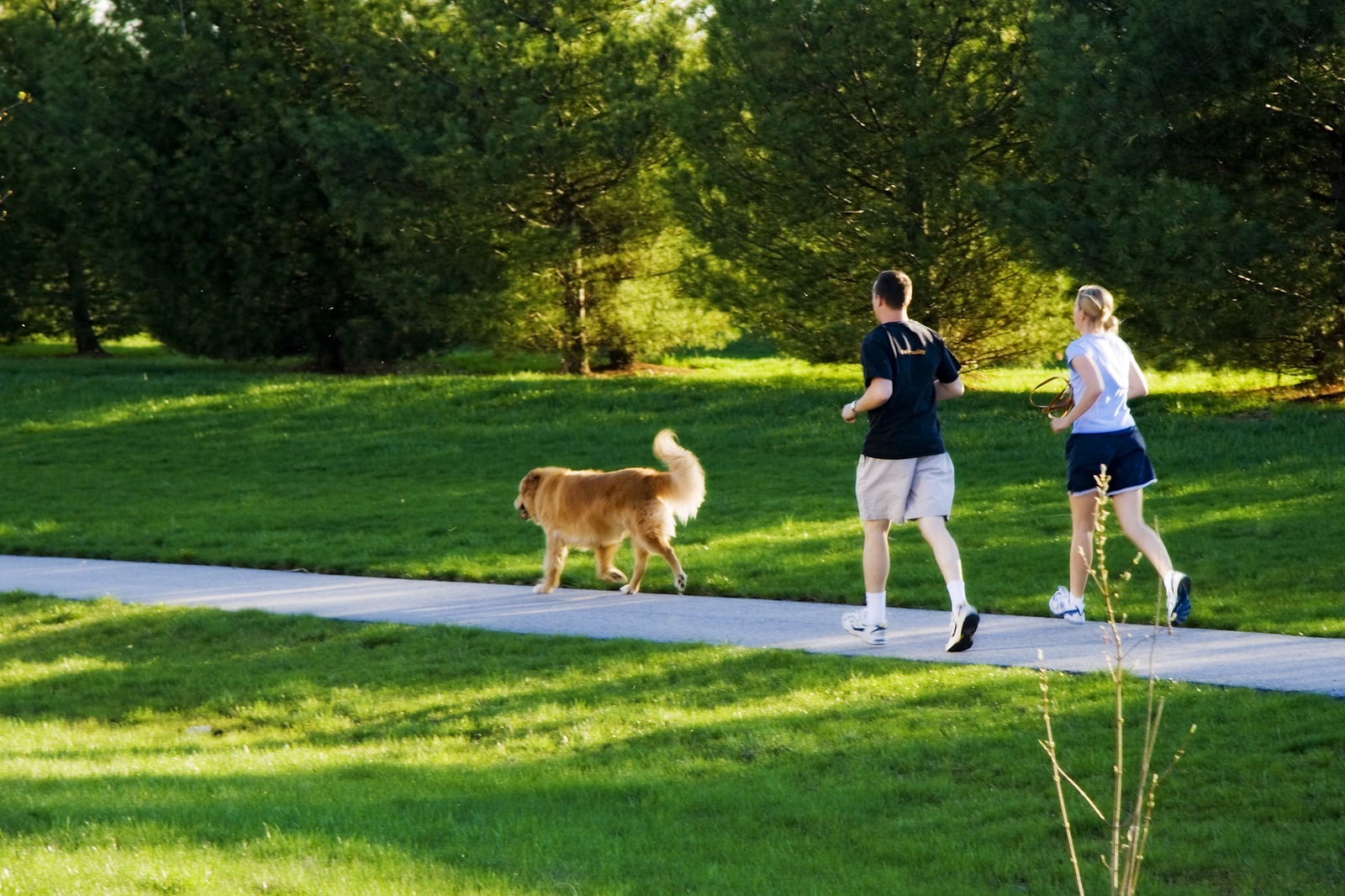
    We’re ready for summer weather and we know our pets are probably looking forward to getting outside too! If you are a very active dog owner and like jogging or running outdoors with your best canine friend, make sure he or she enjoys the activity as much as you do. Just as running isn’t the sport for everyone, it’s not the sport for every dog either.

    First remember that running injuries are not restricted to two-legged runners. Remember that while you are wearing well-padded shoes, your canine companions are not. Running on concrete can put a lot of stress on your dog’s body and put them at risk of having injuries.

    Remember that your dog’s breed may play a role too. Huskies, for example, might be much happier in cold weather and very miserable in the heat. Be aware of this before taking your best friend for a run.

    Finally, if you have a short-nose dog like a pug, mastiff or boxer, know that these dogs have abnormalities in their airways, which makes it harder for them to breath.

    To keep you and your pet safe when running, follow these simple rules from the American Veterinary Medical Association:

  • Top 10 Signs Your Dog May be Sick

    Top 10 Signs Your Dog May be Sick

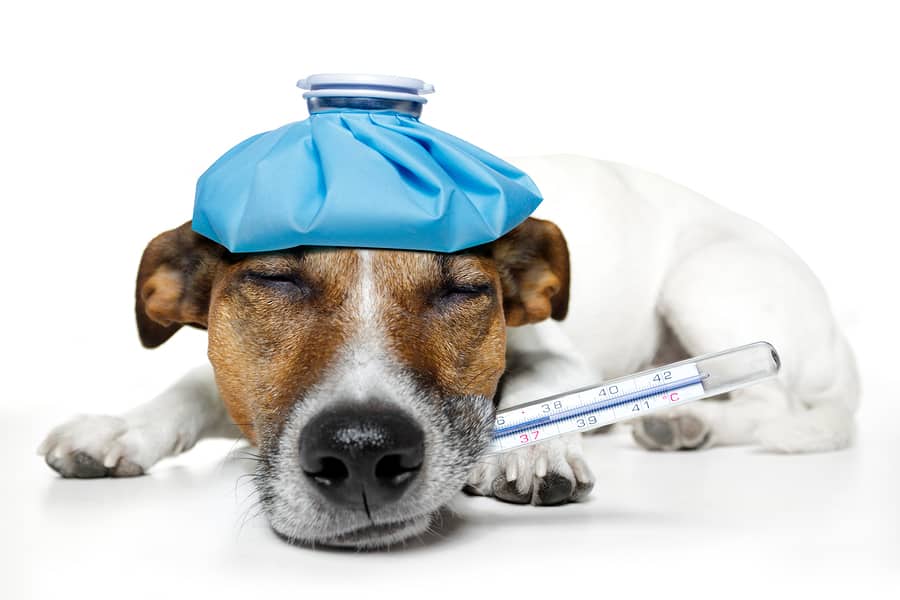
    Your dog can’t tell you when he or she is sick, but she can show symptoms of disease. Here are the top 10 signs to look for:

    1. Bad breath or drooling
    2. Excessive drinking or urination
    3. Appetite change associated with weight loss or gain
    4. Change in activity level (e.g., lack of interest in doing things they once did)
    5. Stiffness or difficulty in rising or climbing stairs
    6. Sleeping more than normal, or other behavior or attitude changes
    7. Coughing, sneezing, excessive panting, or labored breathing
    8. Dry or itchy skin, sores, lumps, or shaking of the head
    9. Frequent digestive upsets or change in bowel movements
    10. Dry, red, or cloudy eyes

    If your dog shows symptoms of being ill, contact your veterinarian immediately. For more information on how to tell when your dog is sick click here:

  • Adorable Kitten Mesmerized by the Existence of its Own Tail

    This cute kitten was caught on camera discovering its own tail and mesmerized by the “toy” without realizing it is actually attached to its body. Do you remember your kitten’s first discoveries? Share them with us!

  • Moving with pets

    Moving with pets

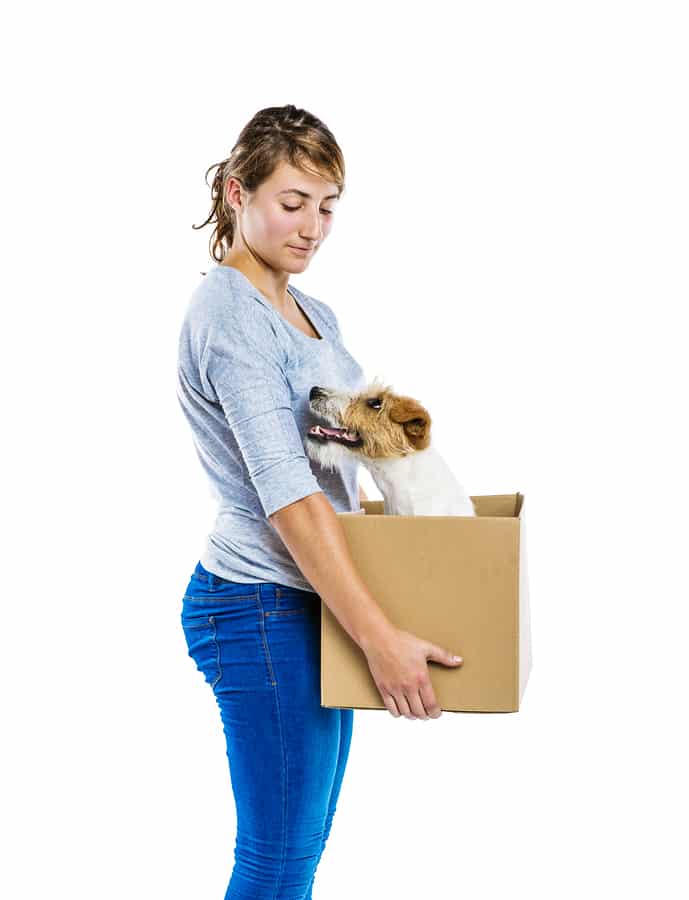
    Moving can be one of the most stressful life events that you will have to tackle, and it can be very stressful for your pets too. In the middle of moving boxes, packing and driving trucks you might not realize how stressed your pet feel too. To make the transition as easy as possible for your pets, follow these tips:

    1. Packing – if you have cats you must know that cats aren’t big fans of change. So, if you know you need to start packing, try to start bringing in moving boxes early and keep your pets in a room that you plan to pack up last. This will help get your pets adjusted to the moving situation.
    2. Be consistent – it is important to keep your pet’s routine schedule for feeding, walks, playtime, cuddling and bedtime even in the middle of the moving mess. If your dog is used to having a dog door, arrange for that right away. Try to keep things as they were in the old home.
    3. Bring favorites – you may feel tempted to buy new toys for your pet, but this is not a good time to introduce new items. Instead, bring your pet’s favorite items: bed, toys, food, water, etc. and put them in similar places they were in the previous home.

    Make your pet feel safe – During the move, make sure your pet feels safe. Many dogs and cats can feel unsafe and anxious in the middle of boxes, so consider leaving them with a family member during the move, joining you once you’ve unpacked.

    Source: AARP and ASPCA