Category: Social Media

  • 10 Poison Pills for Pets

    10 Poison Pills for Pets

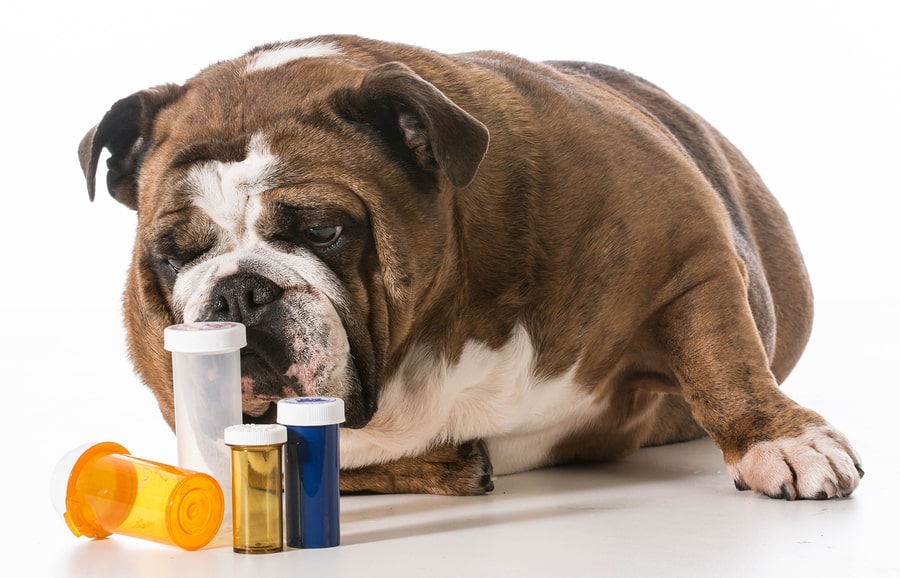
    Anyone who takes medication that has not been prescribed to them puts himself or herself at risk or illness or even death. Below is a list of the 10 pills that are often found in our households and can put our pets’ lives at risk.

    • Ibuprofen – can cause stomach ulcers and kidney failure.
    • Tramadol – can cause sedation or agitation, wobbliness, disorientation, vomiting, tremors and possibly seizures.
    • Alprazolam – can drop the blood pressure and could cause weakness or collapse.
    • Adderall – causes elevated heart rate and body temperature, along with hyperactivity, tremors and seizures
    • Zolpidem – may make cats wobbly and sleepy, but most pets become very agitated and develop elevated heart rates.
    • Clonezepam – can lower the blood pressure, leading to weakness or collapse.
    • Naproxen – Dogs and cats are very sensitive to naproxen and even small amounts can cause stomach ulcers and kidney failure.
    • Acetaminophen – Can cause liver damage. It can also cause damage to your pet’s red blood cells so that the cells are unable to carry oxygen
    • Duloxetine – can cause agitation, vocalization, tremors and seizures.
    • Veniafaxine – can cause agitation, vocalization, tremors and seizures.

    Keep your pet safe by always keeping human medications away from your pets. Do not leave pills sitting on counter, or within reach of your pet. And finally, always keep your pet’s veterinary’s number handy.

    Source:

  • Do Dogs Go Through Adolescence?

    Do Dogs Go Through Adolescence?

    Do They Need a Special Diet While Growing Up?

    Dogs definitely go through adolescence and require a special diet to ensure they stay energetic and healthy as they mature. According to Dr. Jeff Werber canine development goes like this: “puppies experience a Rapid Growth Phase somewhere between 8 and 18-20 weeks of age.  They seem to double their weight monthly, and require almost twice the calories an adult dog the same weight requires.  Depending on the breed and size, puppies then progress to the Young Adult Phase between 6 months and about 2 years of age. During this stage they begin to look more like an adult dog with a full set of adult teeth, and they near their adult height by just over six months.  These young pups’ bones are still growing, but not nearly as fast as they did when they were three or four months old.  By 1 ½ years, most dogs have reached their full adult height, and are now begin to fill out and put some muscle.”

    Just like little kids when they are growing up, young adult dogs need a considerable amount of exercise and interaction to burn off excess energy. Nutritionally they also require a different amount of bone-growing nutrients, such as extra calcium and phosphorus, as well as DHA (an Omega 3 fatty acid) to help develop their brain. Since their growth rates have slowed a little, young adult dogs won’t need as many calories, this is why it is important to change it from a puppy diet into an adult diet once they turn 1 year of age.

    Click the link for more information on proper dog nutrition.

  • It’s Bath Time!

    Some dogs love to bath…others would do ANYTHING to avoid it! How does your dog react? Watch this hilarious video with dog’s reaction to this ordinary daily human activity.
  • Fighting Like Cats and Dogs: How to Train a Dog to Live with a Cat?

    Fighting Like Cats and Dogs: How to Train a Dog to Live with a Cat?

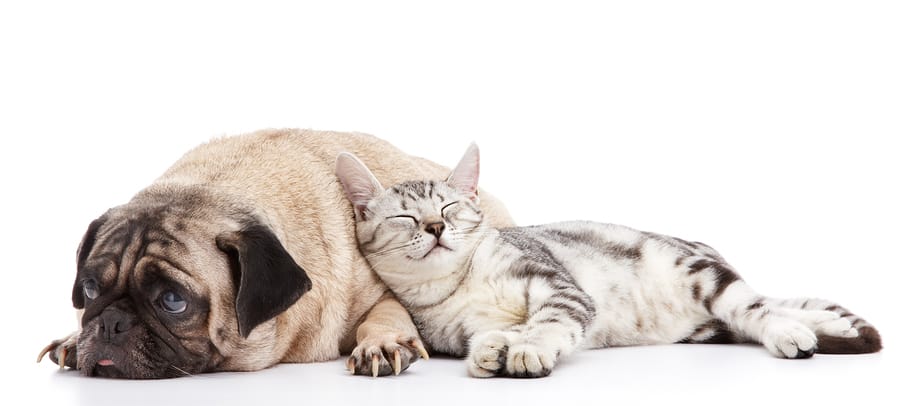
    For the many of us who are both cat lovers and dog lovers, it is hard to believe that a happy home would have either a cat or a dog. The good news is that there is a way to train dogs to live happily every after in a home filled with cats. Here is how:

    1. Do some research and select breeds that have a high likelihood for compatibility
    2. Start with a puppy. It is much harder to train an adult dog appropriate behavior around other animals.
    3. If bringing a cat into a home where there is already a dog, find a place in the house where the cat can feel safe in the first days while acclimated to the smells and noises of a dog – maybe a second bathroom or guest bedroom.
    4. After a couple of weeks of having the cat living in a separate room, put the dog on a leash and leave the door open for the cat to come out as he wishes. Maintain the dog on a leash for a couple of weeks in the cat’s presence.
    5. Every time you make introductions reward both animals with a treat.

    If you take time to make wise adoption choices, orchestrate careful introductions and implement good management programs, you will likely succeed in your desire to turn your home into a peaceable kingdom, where your dogs can live peaceful with your cats!

  • Basic Tips for Handling an Injured Pet

    Basic Tips for Handling an Injured Pet

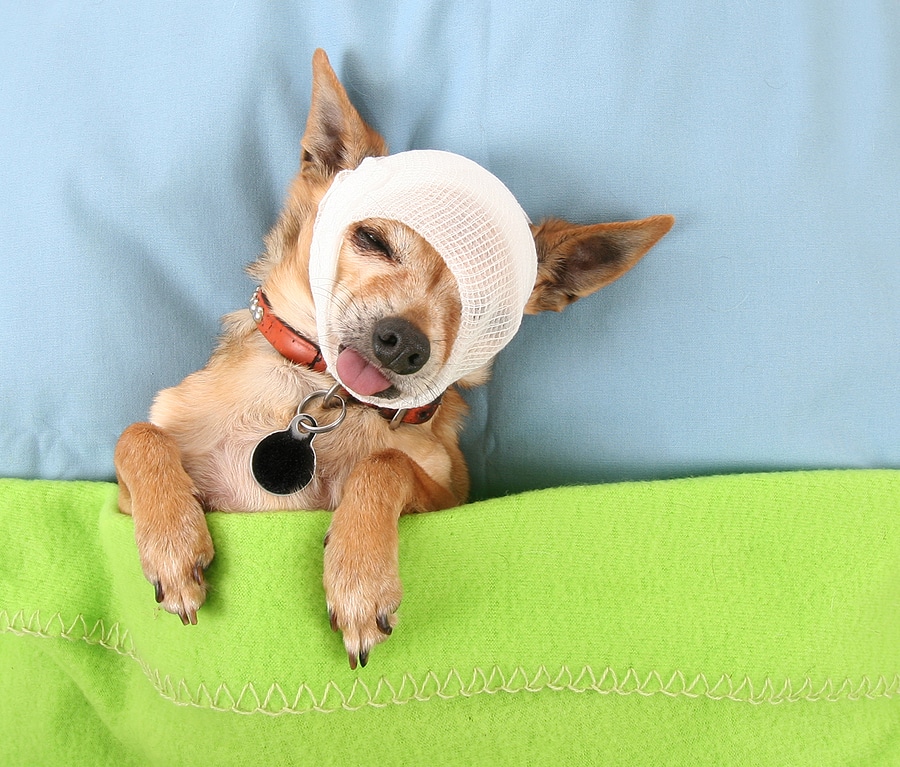
    If your pet is injured, it could be in pain and most likely scared and confused. You will need to be careful to avoid getting hurt, bitten or scratched.

    • Never assume that even the gentlest pet will not bite. Pain and fear can make pets unpredictable and even dangerous.
    • Always keep your face away from an injured pet, and don’t attempt to hug it. This could scare your animal or cause him pain.
    • If necessary (and only if your pet is not vomiting) place a muzzle on the pet to reduce the chances you will be beaten.
    • While transporting your injured pet keep it confined in a small area to reduce the risk of additional injury

    Always remember that pet first aid should always be followed by immediate veterinary care.

    Source: AVMA

  • Is Your Pet Secretly Stressed?

    Is Your Pet Secretly Stressed?

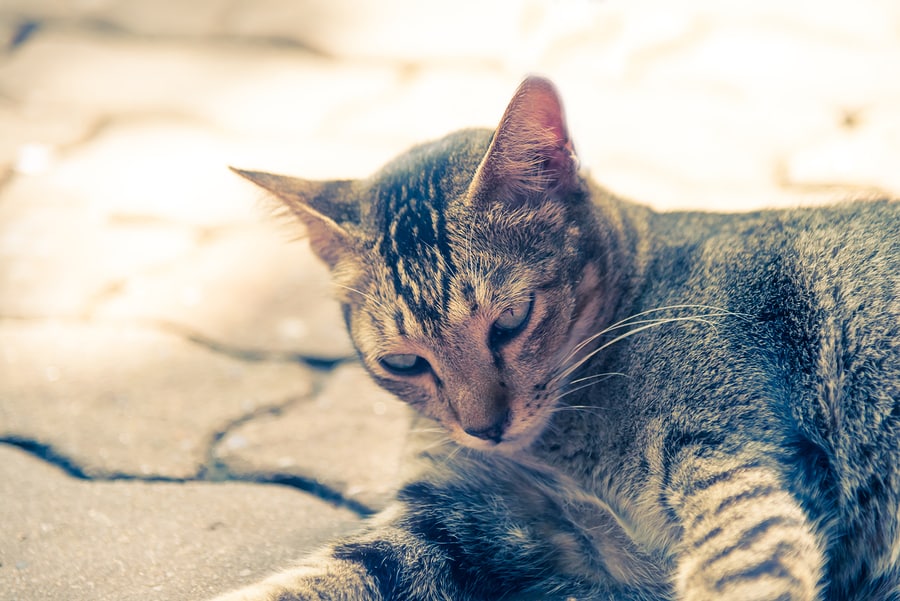
    Recognizing your cat may be stressed may be difficult, but it is always important.

    Stress not only reduces your cat’s quality of life, but there is a link between stress and medical conditions such as bladder disease and behavior problems. Below are some small things you can do to enhance your cat’s quality of life:

    1. Cats love cleanliness, and they do not like to share their litter boxes. The number of litter boxes should be equal to the number of cats in your house. And don’t forget to clean it daily and wash it weekly – your cat will thank you for this.
    2. Scratching is a natural behavior that helps cats relieve stress. Make sure your cat has a scratching post he likes.
    3. Cats do not like to be bothered while they are sleeping, so make sure you have a quiet, cozy place for him to sleep.
    4. Cats love watching birds, fish, etc. The visual stimuli helps them distress. You can supply this visual entertainment by leaving a nature show on TV while your cat is home alone. Your cat may watch it for hours.

    Source: Pet Health Network

  • 5 Reasons your pet makes the best date on Valentine’s Day

    5 Reasons your pet makes the best date on Valentine’s Day

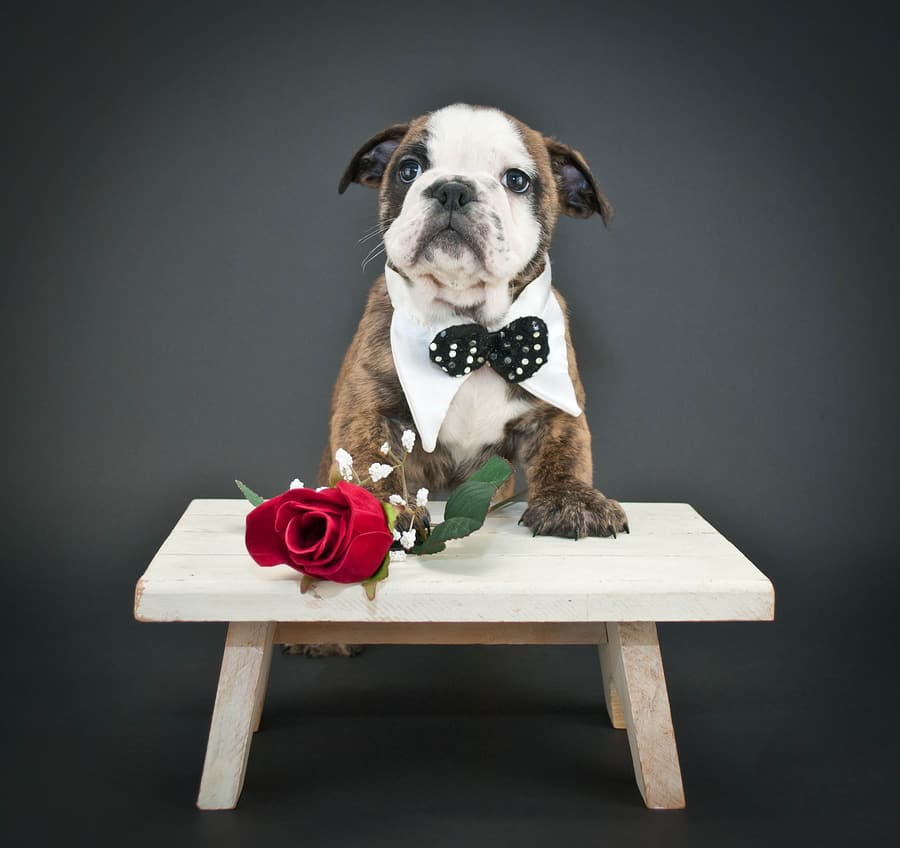
    5 reasons your pet makes the best Valentine Date:

    • Pets don’t talk. I could elaborate, but I think we can all agree that this is a good thing.
    • You don’t have to share your dessert with your pet – and you probably shouldn’t. This is great since dessert is the very best thing about Valentine’s Day.
    • Pets don’t drink wine so you can have the bottle all for yourself! And if you spill, he will be right there to clean up your mess!
    • Your pet won’t complain about your cooking! Burnt meat? Your pet doesn’t mind. In fact, he will want seconds!
    • Your pet will want to snuggle unconditionally.

    Happy Valentine’s Day!

  • National Bird Day

    National Bird Day

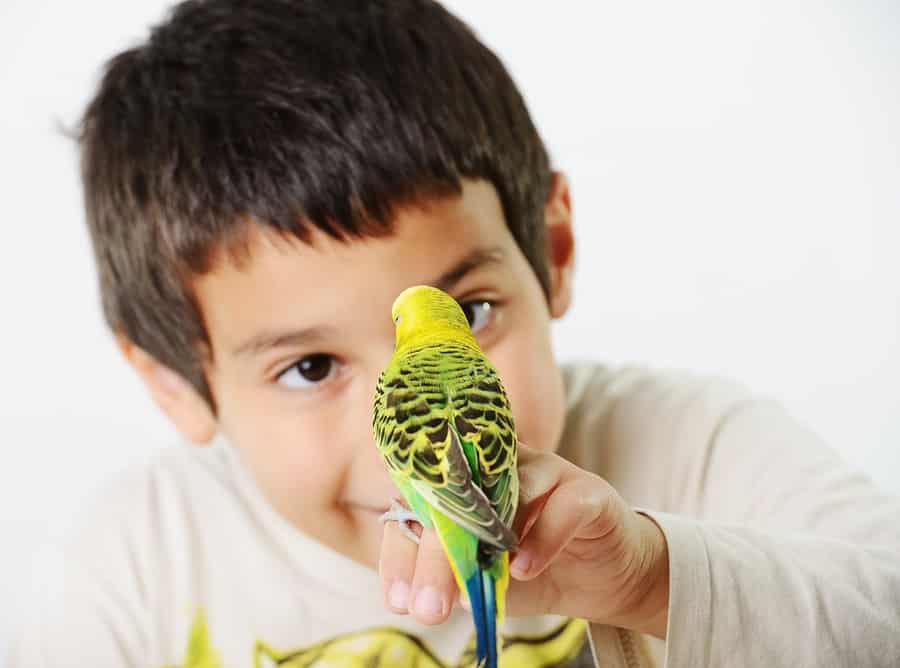
    Today is the perfect day to reflect on how we treat our birds. Have a pet bird? Below are some tips on how to best care for your pet bird:

    1. Get to know your bird – this may seem like a no-brainer, but it is the foundation for creating a positive life for your pet
    2. Get to know birds in general – birds are not decorations, they are highly intelligent, social and demanding animals
    3. Provide as much out-of-cage time as possible – consider dedicating a room in your house as your bird’s room, so that your bird can spend as little time in a cage as possible. This is important, as it will give your bird opportunities to fly.
    4. Let your bird fly – everything about a bird’s physiology is designed for flight and they need flight as a means to feel safe and normal.
    5. Do you have any other bird tips or suggestions? Share them below!