Category: Dogs

  • Reasons Dogs Lick Their Butts

    Reasons Dogs Lick Their Butts

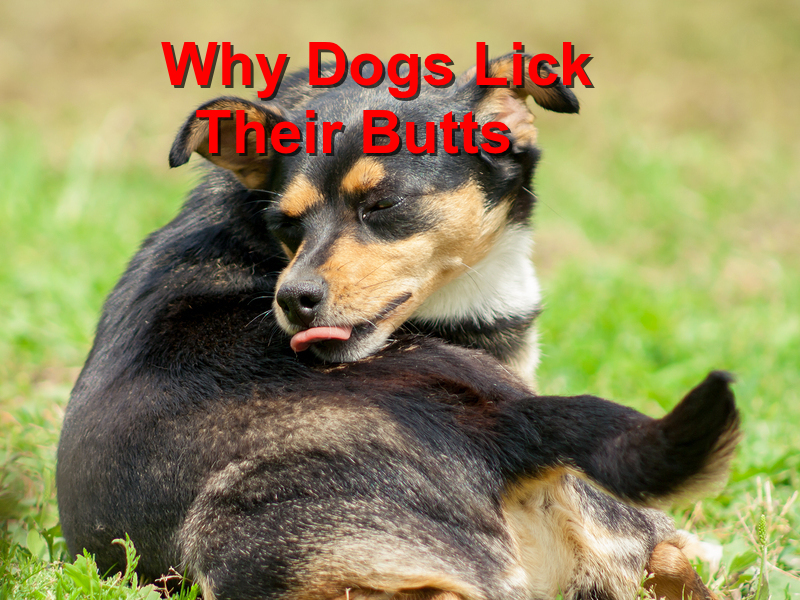
    Whenever dogs sit down and start licking their butts, it is usually a signal that the bottom area feels painful or itchy. The cause of irritation around the anal region in your dogs can be varied, but all of them require you to schedule a trip to the vet to reduce that discomfort. Read on below and discover the top reasons why dogs lick their butts.

    Anal Gland Problems

    A primary reason for discomfort around a dog’s butt is that their anal glands can be infected or adversely impacted. Besides licking around the affected area, the dog may also drag himself along the floor to seek relief from irritation through scratching. Healthy anal glands typically expel smelly fluids every time the dog defecates. If that doesn’t occur, these glands become impacted and swell up, leading to an abscess or bacterial infection. The vet will typically expel these fluids manually before prescribing treatment for any related infections.

    Internal Parasites

    Various types of internal parasites, including tapeworms, hookworms, roundworms, and whipworms, that live within your dog’s intestines may cause anal irritation and other health issues like nutritional deficiencies, vomiting, diarrhea, and anemia. You may also find the segments of these parasitic worms in around the dog’s anus and even in the stool. Once the fecal sample test is carried out, your veterinarian will prescribe treatment that will eliminate the internal parasites.

    Allergies and External Parasites

    Mites, fleas, and ticks all cause your dog’s rear region to become itchy. Fortunately, there are topical parasite treatments that you can use to get rid of these external parasites. However, if the parasites are not the reason for the itchy butts, you need to consider food allergies and contact allergies. With frequent bathing, hypoallergenic diet, and anti-inflammatory creams or drugs, you can provide relief for allergy-related butt itchiness.

    Skin Infection

    A fungal or bacterial skin infection may occur around the dog’s anal area, particularly when the affected skin was punctured. The anal area is particularly susceptible to diseases due to fecal matter presence every time your dog defecates. Regrettably, through excessively licking the anal region to minimize itching and pain, the skin gets more irritated, thus making the skin infections worse.

    Conclusion

    It is perfectly reasonable for dogs to lick their backside when grooming themselves. However, if you notice that the licking has become persistent or excessive, then it requires a diagnosis by your vet. You may even require getting an Elizabethan dog collar to help minimize further damage to the area your dog is licking to give it enough space and time to heal. In other cases, butt licking can also indicate anxiety issues, where no medical causes are identified.

    Sources: Pet Health Network, The Nest, I Heart Dogs

  • Pet Dental Health

    Pet Dental Health

    Help keep your pet free from dental ailments

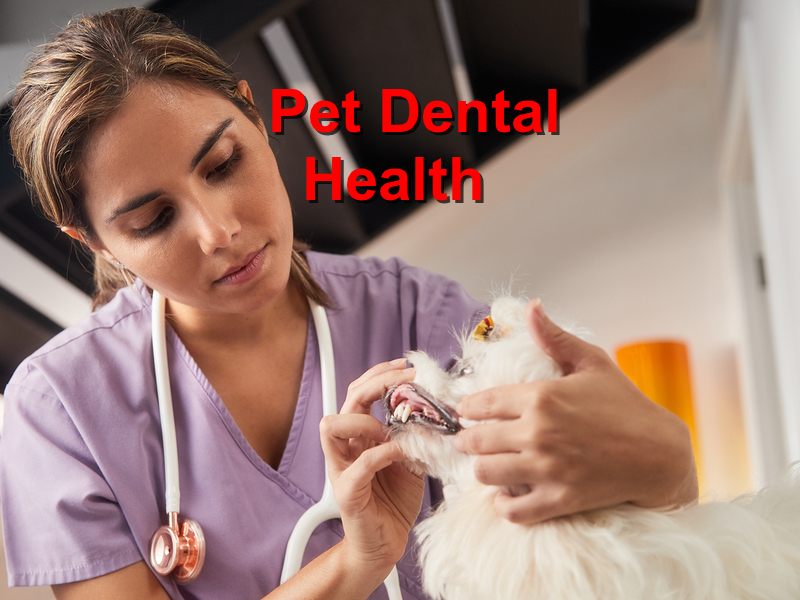
    Just like humans, our pets are also prone to the accumulation of bacteria, plaque, tartar, cavities, viruses and bleeding within their gums and teeth. Similarly, pet oral health problems are avoidable if the appropriate and timely dental care for the pet is effectively carried out to eliminate chances of such conditions. Apart from the vet’s dental cleaning option, renowned companies have created the essentials that will ensure you brush your pet’s teeth daily and prevent plaque buildup.

    Steps to your pet’s dental care

    Things you’ll need

    1. Toothbrush

    Usually, a human toothbrush will work well for most pets, with a child-sized brush being the ideal choice to fit and match the pet’s mouth.

    2. Toothpaste

    Human toothpaste is unsafe for pets since it contains toxic ingredients that would end up harming the animal. There are canine toothpaste types that are designed specifically for dogs and cats.

    3. The cleaning process

    Routine conditioning- it’s not appropriate to jump right away into brushing, and the best way is to introduce the pet to the process while young as a daily routine. If already grown, you could get the pet to lie in your lap and ensure it is comfortable enough to allow you to touch the inside of its mouth, lips, and teeth.

    Get a small amount of toothpaste and let the pet lick a bit. Begin brushing gently and slowing without putting much stress, forcing or struggling with the pet. If the cat or dog resists in the first trials, it’s wise to back off and try it when the pet is comfortable.

    If the pet is accommodative to the brushing, pay attention to avoid scrubbing too hard since it can lead to pain and discomfort. Take note also of the back of the teeth since most of the severe dental conditions tend to hide at the end.

    4. Possible alternatives

    While not every pet is accommodative of the brushing process at home, there is always the option of taking the animal to the vet for a professional dental cleanup. However, there are additional tips on how you can slow down these dental problems for your furry friend. There is the option of introducing safe toys which are the pet version of oral health products for people. Feeding the pet a high-quality diet is also ideal, and the vet is an excellent source of information on what to feed and not to feed your pet.
    Sources: DVM 360, Veterinary Practice News, AKC, Humane Society


  • Leash Training

    Leash Training

    Leash Training your Dog? Here are Tips on the Right Ways

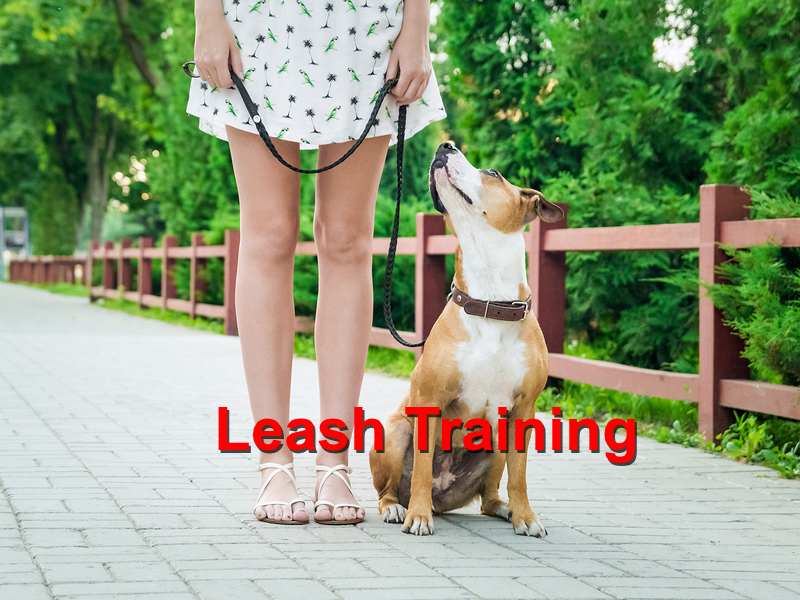
    Pet owners and especially those with dogs know how curious the animal can get and with such a situation often comes with the animal wandering off when outdoor. Therefore, one of the most important things to do for your beloved pet is to leash-train them when they are at a young age.

    Now, here are the simple tips to help you through the leash training process for your pup. Hopefully, these steps will lead to a better relationship between the pet and you.

    Starting Early

    For the best results in leash training, the idea is to begin the process at an early age while they are a puppy. With a dog’s lifespan being short, the young age offers an easily trainable phase that enables fast learning of instructions. You can start with simple understandable follow commands to get the pup to walk towards you.

    Getting the Collar

    The collar training should start immediately to condition the dog to accept it as part of their routine. If it’s a pup, the option is, to begin with a soft string collar that is comfortable on the neck. At the right age, you can pick a collar with stronger material to have them get used to it.

    Routine Walks

    Once the dog is comfortable with walking with the collar and leash around the indoors, it’s time to take the learning to public places. The outdoors would indicate the efforts of the training process since it unleashes the behavior of the pet. If the first walk with a leash is successful, then it’s recommendable that you begin a regular walk program to help them exercise and remind them of their leash training.

    Don’t be Harsh

    At not one time is it advisable to strike, yell or pull the dog while on a leash as it can lead to an injury to the dog. Additionally, altercations could result in undesirable traits.

    Reward Good Manners

    There are plenty of times the dog might become stubborn on the leash, and the best trick is to get them comfortable by using treats to trick the pet and bring its attention back to you.

    Recap

    To sum it up, these steps remain simple methods to leash train your dog and get the best relationship out of your special friend. Be sure to have patience and get the pet used to the leash to avoid encountering problems while in public.
    Sources: Science Daily, Humane Society, Animal Foundation, AKC


  • Caring for your pet

    Caring for your pet

    Caring for your pet: Five Possible Tips to Try Out

    With our contemporary lifestyles, it may become a challenge to show your pet that you care. Although most would feel that they are not up to the problem of caring for the pet, there are simple ideas that go a long way in growing the care of the pet and keeping them healthy. Here are the essential ideas you can conduct as a pet parent

    Exercise and Playtime

    Just like us, pets also get dull from spending too much time indoors and as it stands, taking them out for routine morning or evening walks is a great way to reconnect with the animal and growing their company. If you are going for a morning jog, you can opt to take them along and help them exercise to and reduce excess weight.

    Grooming

    Whether owning a cat or dog, shedding fur is bound to happen and rather than have the negative experience of hairballs, and painful mats, you can always schedule grooming appointments at the pet boutique or purchase the grooming products. Getting the pet shampooed, combed and nails clipped would add an excellent touch to keeping them feeling fresh.

    Feed them Properly

    There is nothing that shows care as feeding your dog or cat in the right way and adequately. It is best to ensure the pet is sufficiently fed and receives the proper nutrients, free from toxic ingredients. For extra effort, you can purchase breed-specific foods that are ideal options for different pets. Overall, the market provides plenty of foods for all pets.

    Regular Check-ups

    Routine visits to the vet are necessarily the best option to indeed show your pet that you do care. Getting checks often would ensure the dog or cat is in excellent condition and not susceptible to health problems.

    Bonding Time

    With busy lifestyles and schedules, dogs and cats are often left second in consideration when it comes to spending time after a long day. Showing care would need you to chalk out a day or time in your day where it is nice to spend some alone time with the pet. That could mean lap time in your daily or weekly schedule.

    The best way to show love to your pets is to provide and offer the best for them regarding care. Still, involving the pet in your daily schedule is the best gift to keep your pet company and showing them you care.

    Sources: Health, One Green Planet, Science Direct, Pawster


  • Healthy and Hydrated Pets

    Healthy and Hydrated Pets

    Feeding your pet: How to Keep them Healthy and Hydrated

    With the warm weather upon us, it seems like a great time to get out and enjoy the sun while bonding outdoors. However, while the swimming, basking and hanging around outdoors may seem ideal for people, pets could have a hard time especially with issues such as heat, allergies, and bugs.

    Such a scenario necessitates the need to take safety precautions when it’s hot, whether you are traveling or just at home. With the following preventive care measures, you can get detect future heat problems and ascertain what is necessary to do depending on the condition.
    Dehydration signs

    • Generally, lethargy is the first sign of something wrong with the dog or cat. Some of the other symptoms frequently include
    • Decreased appetite due to the reduction in blood flow to the pet’s digestive tract, slowing down the process
    • Elevated breathing and heartbeat as the heart contracts and attempts to increase oxygen to the body tissues
    • Skin flexibility also indicates a level of dehydration with less skin flexibility evident from rigid and dry nose membrane and lack of the skin retaining the usual shape.
    • Water-seeking behavior is a definite indication of the pet’s need for water, and this can lead to the animal potentially drinking water from unfamiliar places.

    What you can do

    1. Consistent Supply of Fresh Water

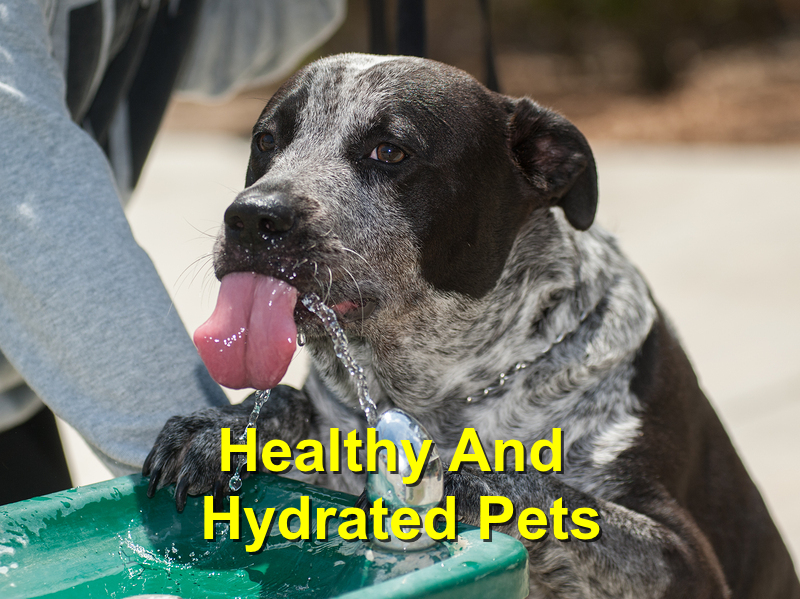
    The pet hydration needs should be constant since the average dog or cat is said to need an ounce of water per a pound of body weight each day. It is, therefore, necessary to ensure there are water sources that make cold water available to drink whether if it’s indoors or outdoors during hot weather.

    2. Diet

    Making sure the pet is fully hydrated would mean focusing on changing the diet to suit more moist foods. Such a scenario would entail feeding the dog or cat rehydrated commercial feeds or home-prepared meals over the typical dry kibble.

    3. Vet Visit

    At times the heat may become unbearable for the pet, and in dire situations, any fever or health-related ailment would require professional help. You can set up a checkup for the pet whenever you feel the dehydration symptoms are becoming more evident than usual.

    Overall, these are simple precautions that could play an essential role in protecting the pets during the warm weather. As a matter of convenience, you can purchase pet insurance to cover your pet in any case of emergency or accident.

    Sources: AKCCHF, Animal Awareness, VCA Hospitals


  • Avoid Pet Emergencies

    Avoid Pet Emergencies

    Five guidelines to help you avoid Pet Emergency this summer

    While we do attempt to keep fresh during the summer holidays, we should not forget about our pets also. Often they are overlooked even though pets need special precautions, especially during such holidays. Here are a couple of guidelines to help you ensure that your pet is safe and you avoid the vet’s pet emergency room.

    Food scraps

    Most people regard their pets as garbage disposals for practically any holiday leftover. However, as pet owners, there is need to become aware that there is a complete list of foods that could potentially cause severe health conditions for your dog. Therefore it is advisable to be mindful of such foods, and at best keep the dog away from the food or leftovers.

    Staying hydrated

    There is also the need to consider that our pets are sensitive to heat and as responsible pet owners, eliminating any heat stress could potentially help avoid any fatal situations. There is the option of always providing your dog with plenty of fresh water for cooling them off. Additionally, giving shade is still a good option to make your dog comfortable while outdoors.

    Fireworks and Thunder

    Most pets are also afraid of the loud noises, especially from fireworks and thunder. These situations can become quite stressful for the animal, and they create plenty of anxiety for the pet. So it’s wise to always keep a distance between the pets and fireworks. In extreme storm cases, prescribed sedatives for the pet are could help get the edge off.

    Outdoor activity

    A good pet fence is the first consideration to help keep your pet in control while outdoors. Potentially overlooking this could mean possible hit-and-run incidents, or dogfights while roaming. On the other hand, outdoor adventures should at least feature a collar tag with a possible microchip for additional tracking.

    Being prepared

    An excellent way to help improve the care of your dog while away is to always ensure adequate communication with accessible contact with the sitter, kennel or vet in case of an emergency. The pet sitter should also be made aware of any possible health conditions, and dangerous foods.

    In conclusion

    Utilizing these tips could go a long way in helping protect your pet and potentially prevent an unfortunate accident from occurring. Remember, your pet is a part of the family and any planned holiday should consider the possible threats to them. 

  • Avoid Pet Emergencies

    Avoid Pet Emergencies

    Five guidelines to help you avoid Pet Emergency this summer

    While we do attempt to keep fresh during the summer holidays, we should not forget about our pets also. Often they are overlooked even though pets need special precautions, especially during such holidays. Here are a couple of guidelines to help you ensure that your pet is safe and you avoid the vet’s pet emergency room.

    Food scraps

    Most people regard their pets as garbage disposals for practically any holiday leftover. However, as pet owners, there is need to become aware that there is a complete list of foods that could potentially cause severe health conditions for your dog. Therefore it is advisable to be mindful of such foods, and at best keep the dog away from the food or leftovers.

    Staying hydrated

    There is also the need to consider that our pets are sensitive to heat and as responsible pet owners, eliminating any heat stress could potentially help avoid any fatal situations. There is the option of always providing your dog with plenty of fresh water for cooling them off. Additionally, giving shade is still a good option to make your dog comfortable while outdoors.

    Fireworks and Thunder

    Most pets are also afraid of the loud noises, especially from fireworks and thunder. These situations can become quite stressful for the animal, and they create plenty of anxiety for the pet. So it’s wise to always keep a distance between the pets and fireworks. In extreme storm cases, prescribed sedatives for the pet are could help get the edge off.

    Outdoor activity

    A good pet fence is the first consideration to help keep your pet in control while outdoors. Potentially overlooking this could mean possible hit-and-run incidents, or dogfights while roaming. On the other hand, outdoor adventures should at least feature a collar tag with a possible microchip for additional tracking.

    Being prepared

    An excellent way to help improve the care of your dog while away is to always ensure adequate communication with accessible contact with the sitter, kennel or vet in case of an emergency. The pet sitter should also be made aware of any possible health conditions, and dangerous foods.

    In conclusion

    Utilizing these tips could go a long way in helping protect your pet and potentially prevent an unfortunate accident from occurring. Remember, your pet is a part of the family and any planned holiday should consider the possible threats to them. 

  • Tips to keep your dog safe this 4th of July

    Tips to keep your dog safe this 4th of July

    Five tips to keep your dog safe this 4th of July

    Unless you follow the necessary precautions and pet-friendly tips, there are plenty of unfortunate situations that could happen to your dog during a holiday such as 4th of July. Fortunately, we focus on some of the possible threats to your dog and what necessary actions you can take before heading out for the holiday festivities.

    Fireworks

    There is no July 4th without fireworks. But to your dog fireworks are the most significant threat since their hearing is acuter than a human’s. That means the animal can become nervous and distressed by the loud noises. Instead, you should keep them in a safe, quiet and escape-proof area at home.

    Water Safety

    We are aware that dogs are not excellent swimmers, and the festivities always come with pool parties or lakeside events. Whatever, type of water the event is, it is imperative to keep supervising the dog’s activity and ensure it does not drink or swim in any chlorinated pool since the harmful chemicals could cause health and skin problems

    Dog Movement

    Never leave your dog unattended outside, even if it’s on a leash in a fenced yard or kennel. Often dogs become frightened and may run off and become lost or also injured along the way. There is also the risk of the leash or chain getting entangled and potential injury or death.

    Picnics and Barbecues

    Some foods are safe for most of us but not necessarily to the dogs. Some of the dangerous foods could include raisins, grapes, chocolate, and onions. Overall, the best option would be to prepare something in advance for your dog, let’s say a special treat or dog food that they like.

    Outdoors Protection

    Remember dogs do not tolerate the sun as well as we do, therefore a sun umbrella, pop-up tent or some other type of shade for the dog could help it cool off. Also, ensure the dog always has plenty of fresh water during the day to stay hydrated.
    For many, the 4th of July is an excellent time to lounge outdoors with family and friends (inclusive of the four-legged companion. While it seems a like an excellent idea to bring your dog along, it may not turn to become a not so enjoyable holiday. However, the intent is not to encourage you to exclude your dog in fun but to ensure a joyful and safe Independence Day.