Category: Dogs

  • Protect your dog from ticks

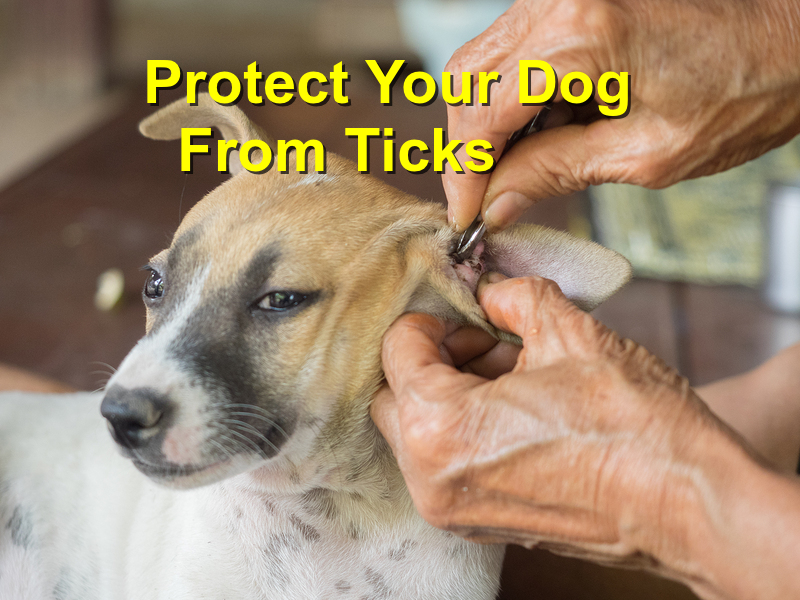
    Protect your dog from ticks

    7 Habits to help protect your dog from ticks

    This article intends to offer simple solutions for the average dog owner to keep ticks at bay. While they may not eliminate ticks, these are practical methods at ensuring they are under control and protect your pet.

    The Dangers of Ticks on your Pet

    Apart from the blood-sucking, ticks present danger to not only your dog’s health but also you. Ticks characteristics as disease vectors is always a point of concern as transmission to the host happens faster than expected. Some ticks do only cause temporary conditions to the dog; they could manifest into more complicated situations that could be life-threatening. Some of the tick-borne diseases that pose a danger to your dog might include

    1. Lyme disease
    2. Rocky Mountain spotted fever
    3. Bartonella
    4. Babesiosis
    5. Ehrlichiosis
    6. Anaplasmosis
    7. Hepatozoonosis

    Actions that Could Save your Dog from Ticks

    For dog owners struggling against ticks is a challenge in itself. The sight of seeing your dog scratching and irritated is very frustrating. However, we have found tidbits that could prove useful in consolidating your dog’s conditions and keeping the pesky ticks at bay. Here are the practices that you could do piously as a sign of god measure against ticks.

    Regular Baths

    While it may seem simple, regular bathing your dog helps keep them well-groomed and consequently reduces the chances of carrying external parasites. You can do this every fortnightly with a specially formulated anti-tick shampoo that has medicated ingredients to kill the ticks.

    Comb and Frisk

    It may sound unimportant, but combing and frisking do help in protecting from ticks. The concept is that combing and frisking prevent hair from matting which is how ticks get to hide on the dogs.

    Regular use of Anti-tick Products

    Luckily, there are several tick-preventive items one can purchase to protect their pet form ticks. There are products such as a tick collar, anti-tick soaps, powders, dips or topical tick repellents. However, be sure the products are not toxic.

    Keep a Trimmed Lawn

    Trimming the bushes, trees, and grass around the house help prevent a tick infestation within the vegetation. Ultimately, this will ensure you can play and breed your dog around your home with fewer chances of being affected.

    Identify the Tick Season

    Ticks are seasonal parasites, and it is best to know when they strike the most. As such you could protect your dog from these external parasites by regulating his movement during such times

    Sources:  CT, Tufts
    Copyright: Local Value 


  • Symptoms that Indicate your Dog might be Sick

    Symptoms that Indicate your Dog might be Sick

    While dogs are unable to communicate whenever they feel ill, it is wise as a dog owner to know the early signs of sickness.

    The Condition of your Dog

    As a dog owner, you would probably do everything to ensure that your pet is healthy. However, aside from the regular vet checkups, there are very few ways you can tell that your dog is sick. Even with the regular checkups, vaccinations and a healthy diet cannot prevent the animal from getting sick. That means as a dog person you have the extra burden of having to always watch out for any conditions. Specific signs and behaviors do require seriousness and a proper veterinarian examination. If your dog indicates any of the following symptoms, you may need to seek health care services.

    Behavioral Symptoms

    1. Sleeplessness
    2. Too much sleeping
    3. Trembling
    4. Unusual scratching
    5. Loss of appetite
    6. Weakness or lethargy
    7. Physical signs
    8. Loss of weight
    9. Trouble urinating
    10. Wounds
    11. Fever
    12. Excessive coughing and breathing problems
    13. Bloated abdomen
    14. Vomiting and Diarrhea

    What You can do About your Pet’s Condition

    The health of your dog is a significant aspect to observe. Consequently, if you happen to encounter any of the mentioned signs, it is wise to get medical attention right away. While new pet owners might not be aware of pet treat, the following are the standard tests that your dog might undergo to ascertain its health condition.
    1. Urinalysis to help identify any kidney disease or urinary tract infection
    2. Blood tests/count
    3. Tick-borne and heartworm disease tests for heartworm infection and tick-based diseases
    4. Fecal analysis to identify and treat intestinal parasites

    If you are in search of more quality and firsthand information on your dog health condition, the best source is always the veterinarian. Additionally, exercise and proper diet can assist in keeping away dog health issues.

    SOURCES: CDC, Google Books, Sage Pup  

  • Maltese Dog Breeds

    Maltese Dog Breeds

    Facts About The Maltese Dog Breeds

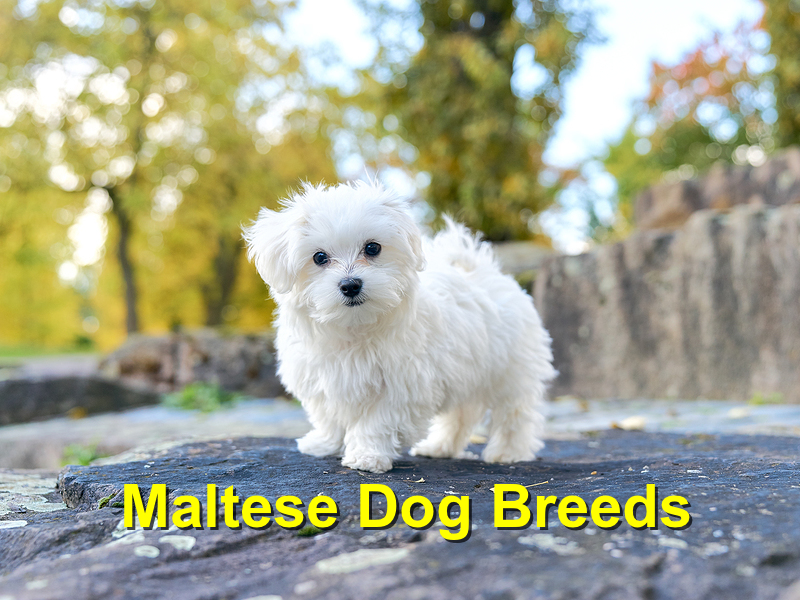
    It’s believed that the Maltese got their name from the island of Malta. The breed ranks as one of the oldest dogs in Europe. Its warm personality makes it one of the most sought toy dogs globally.

    Appearance

    The glooming of Maltese comes typically as dignified and refined. Their bodies are usually small with a covering of white silky straight hair with no undercoat. The hair flows with a flare to the ground, giving them a breathtaking sight. The dog’s eyes and nose are black giving them a recommendable contrast to the white fur. And since they rarely shed their hair, they have become a favorite breed among individuals with allergies. They weigh between 4-7 pounds with a height of up to 10 inches.

    Personality

    Maltese are well known for their gentle and friendly nature. They are also very active and responsive to their surroundings.

    Socialization

    Although the Maltese tend to be gentle and playful and quickly get along with family members, they can also be quite a handful. Therefore, we advise you to teach your children on how to relate to them from a young age. They even get along with other pets but tend to be shy with visitors but exhibit some protective traits towards their owners.

    Special Requirements

    The Maltese have a tiny frame thus don’t take up so much space in the house. However, they are quite sensitive to high temperatures and wetness, therefore, should remain most of the time indoors. You can, however, take them for simple walks in the day and leave them to play on their own. They are pretty active. Therefore this should be enough to keep them healthy. If well taken care of, these dogs can live for up to 18 years.

    Grooming

    Brushing and application of lotion around the ears of the Maltese is a great move. Also, consider regular baths to keep the skin spotless.

    SOURCES: Your Purebred Puppy,  The Nest, Small Dog Place, Pet Health Network

    COPYRIGHT: Local Value


  • Getting Your Dog and Cat Along

    Getting Your Dog and Cat Along

    Getting Your Dog and Cat Along; Simple Tips For Pet Owners

    Over the years the rivalry witnessed between cats and dogs has become an acceptable practice. Because of this, many pet owners prefer adopting either of the two as opposed to both of them at a go. 
     
    However, with your help, this perspective can change. Therefore if you are planning to keep a cat and a dog, you have to put in a little more effort to ensure sanity in your household.

    Consider adopting kittens and puppies at the same time

    We highly advise you to consider adopting kittens and puppies as opposed to grown cats and dogs if you are thinking to keep them under one roof. Since both puppies and kittens are both young and unexposed to everyday reality, it is simpler to modify their relations into getting along from a tender age.
     
    Additionally, going through different phases of life together, getting to play with each other, etc. allows time for bonding which cannot be easily erased even with external influence. However, you will have to teach your puppy how to understand when the kitten is tired as they are more energetic.

    Conduct Some Background Check

    Just the same way you conduct a background check on your employees, we suggest you do the same with pet adoption. Get to know more about your dog/cat’s habits, more so about the other pair. Doing this goes a long way into helping you decide which animal fits your needs. If the cat or dog you wish to adopt relates well with other animals in the shelter, there are higher chances of them getting along with the one(s) you have back at home. Most people tend to assume that most cats are friendly, we urge you not to as some cats prefer having the whole space to themselves.

    Don’t Rush on the Introduction Sessions

    We understand that sometimes you might get too excited to introduce your pets to each other. But you have to slow down. Remember they speak from entirely different angles which can make getting along a bit confusing. So your enthusiasm might not really work for them. Instead, take one step at a time. For instance, you can let them watch each other from a distance for the first couple of days and then get to reduce the range with time. Remember to be present all the time at least until you are sure of them correctly getting along.
     
     
  • Simple Commands For Your Dog

    Simple Commands For Your Dog

    Four vital commands every dog should know

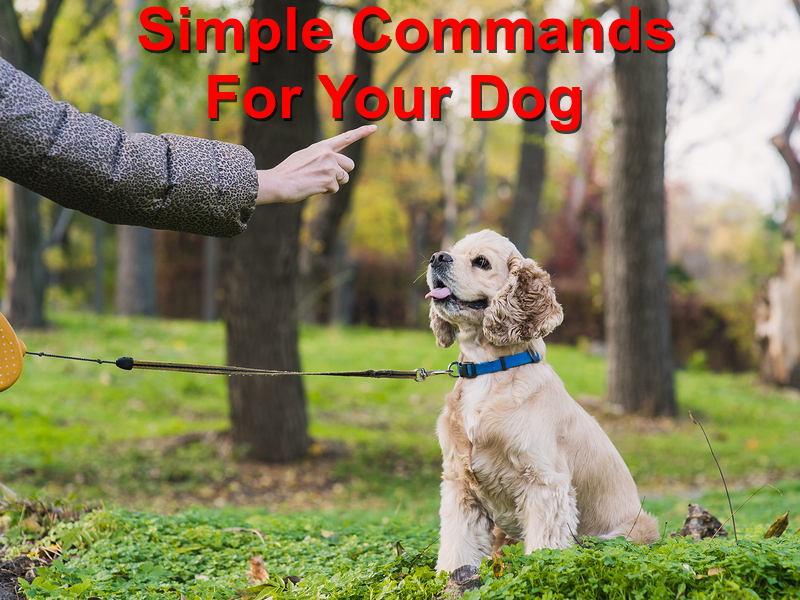
    Dog commands are the best ways of kick-starting meaningful communication with your pet. And just like any dog owner, you should know the vital role played by significant puppy and dog training throughout their lifetime. Therefore, it’s up to you to ensure your dog responds efficiently to basic commands. However, as much as there are various commands you can teach your dog, the importance placed on each one of them varies with the emotions they inspire. Here is a list of the four vital commands every dog should know;

    Name Recognition

    Before anything else, your fur friend should be able to recognize their name. To some, this might seem less important, but we strongly advocate for dog name calling. Once your dog knows its name, it gets convenient to communicate with them even from a distance. Seeing them respond to their cute title is a reward on its own. However, you have to exercise patience as the dog is not accustomed to word understanding.

    Courteous Commands

    Now that your dog is part of your family, it means they get to be present at various household occasions. Therefore, it is essential for them to learn basic “manners commands” to save you from embarrassing situations. Training involving permission seeking, exercising patience, keeping calm, etc. not only help in making your interactions easier but also improves the way your dog relates to other people. Courteous commands belong to the advanced group of dog commands and your dog might find them tricky to comprehend at the beginning. But don’t worry about that as they will eventually get it with time as you continue to persist. Remember you may have to be stricter with these commands.

    Bark; speak up!

    Though dogs are born natural barkers, it takes training to get meaningful barks from your pet. Teach your dog to bark as a way of conveying something to you. For instance when they are hungry, full, need to use the bathroom, when they notice a stranger, when in pain or simply excited. With time you will learn to understand the meaning of every bark depending on the tone, which boosts your level of communication.

    “Heel”

    We recommend you start teaching your dog the heel command at a young age. This way, they can get accustomed to it as they grow and be able to catch up with you during those long walks. However, remember that these commands require patience and you should continue training throughout your dog’s life.

    SOURCES: Dog Training Excellence, Pets 4 Homes, Puppy Basics

    COPYRIGHT: Local Value

  • Understanding Your Cat’s Purr

    Understanding Your Cat’s Purr

    If you are a cat owner, then by now you must be conversant with everyday cat sounds such as meowing, hissing or even purring. However, most of the time, we tend to overlook purring as a way of communication. A cat purr is a vibration released by your feline during inhaling and exhaling and it occurs between the diaphragm and the larynx. So what exactly is your cat trying to tell you with a purr?

    Satisfaction

    When your cat is fully contented with their surroundings, they are most likely to purr. Situations such as getting cuddled by someone they like, being in the company of other cats, sunbathing or even taking that long-awaited meal, can trigger them into purring.

    Pain

    According to research, purring helps cats release endorphins that quicken their healing process. Therefore, if your cat is not feeling well or is severely hurt, then they are likely to purr as their body’s natural response to fighting pain. Expect this to happen at the end of your feline’s life as well.

    Attention

    Sometimes when you are into your busy schedule, you might hear your feline purr. This is to let you know that they need your attention. Maybe they are tired, need to rest or craving for their favorite food. Cats have always love soliciting attention, and so that should not come as a surprise.

    Scared

    As much as cats like behaving as superheroes most of the time, there are times when they get afraid. During this time, they purr in search of your assurance. We witness this most of the time at our veterinary hospitals.

    Light Exercises.

    Just like humans, there are times when your feline gets too lazy for strong movements. During those times, you might notice them like lying down on their favorite spot without much activity. However, do not be entirely deceived by that because purr vibrations stimulate your cat’s muscles and bones just like a regular walk. So the next time you see then idle, leave them alone.

    Mother-kitten Connection

    The moment kittens are born, the first sound they get familiar with is the purr of their mother. At that moment, that sound acts as an assurance of their safety. Since newborn kittens cannot see, that’s the primary form of communication between them and their mothers. With time, when they learn to purr (when about two years old), they use the sound to let their mother know when satisfied during nursing or when they are hungry or in need of a body rub.
     
    Sources: Catster, Wired
    Copyright: Local Value

     
  • Exercise Your Dog

    Exercise Your Dog

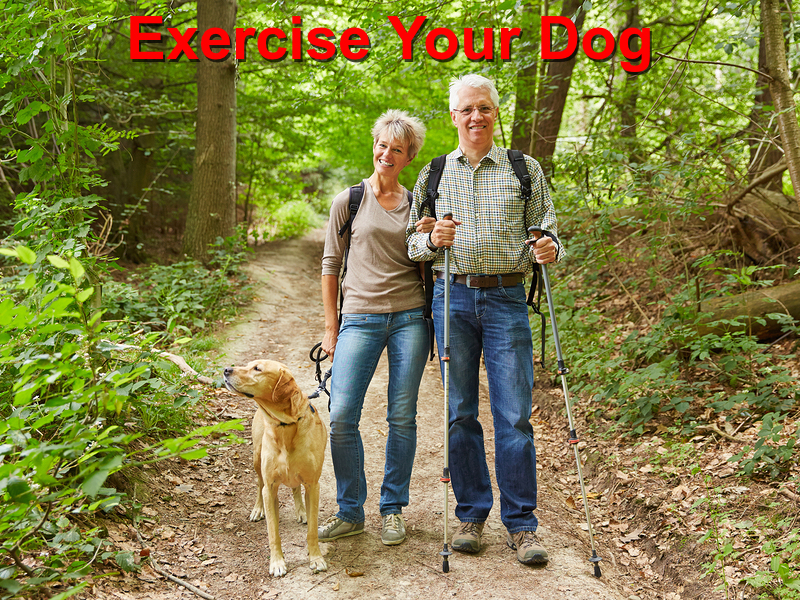
    With the tight schedules and tones of responsibilities, sometimes it becomes almost impossible to spend quality time with your dog. However, there is still something you can do together, and that is exercising. Do you want to break the monotony and try something new with your dog? Here are some few fun activities you should consider;

    Stand-up Paddleboards.

    Stand-up paddleboards allow co-piloting which is perfect for you and your dog. Let your dog stand at the front while you take the piloting role. The key is to go out on a conducive day with fewer winds. You don’t want to scare your dog on day one. Be sure to ride at slow speed and increase gradually as your dog gets comfortable. But most importantly, remember to dress the both of you with lifesaving gears. It is dangerous out there.

    Dog Yoga

    Also known as “doga”, this ancient practice is refreshing to your dog just like Yoga is to you. As much as your dog is naturally born with stretching skills, you can help improve them through “doga” classes. The opportunity will also help you bond with them as the both of you exercise. Additionally, you get to use the opportunity to pay close attention to some details you might have ignored such as painful areas.

    Hiking

    Love adventure? Go hiking with your dog. The experience is not only refreshing but also offers a wide range of bonding activities. However, this is only recommendable if the both of you are used to tedious working exercises. If not, start from taking long walks before moving to the next level.

    Swimming

    If your dog already knows how to swim, then this should be pretty easy. However, if not, then you have to start from swimming lessons. Swimming is an enjoyable activity you can enjoy even on a low-key day. You can add more fun to it by playing “catch” using a ball or their favorite colorful toy.

    Dog-friendly Races

    After training for a while with your dog, you can now move to the next level. Try signup for charity events with dog-friendly races. Through that, you and your dog will find the motivation for more exercising sessions. Additionally, you will get the chance to give back to the society which would bring you more satisfaction.

    Snow Walking

    The long cold seasons can be boring for you and your dog. However, the good news is that you don’t have to stay all day indoors. Get yourself warm and enjoy the snow. Most dogs enjoy the all-white-view.
     
    Sources: Health, Dog Time
  • Challenge your Dog’s Mind

    Challenge your Dog’s Mind

    Physical exercise is vital for dogs, but few people focus on mental training which is equally important. Here are four ways to challenge your dog’s mind.

    1. Challenging Toys

    There is nothing that makes a dog happier than food and playing. Mixing the two can increase your dog’s brain activity, and we advise it seeing it’s a great way to work on your companion’s attention. Use puzzle toys to get them invested mentally and if you can get your hands on one of those toys that dispense milk or a bone after your pet completes a challenge, the better.
    However, don’t make it too easy as you might risk overfeeding your pet.

    2. Introduce them to New Faces

    We strongly advise you to take your pet to the park every once in a while or at least on a trip so they can meet new people. Dogs especially need this trick as it helps them become better listeners while reducing their anxiety levels. The more people they sniff at and get pats from, the more your pets will relax and learn to engage their sense.
    Meeting fellow dogs involves new sights and sounds, which are a guaranteed way of challenging your canine’s mind.

    3. Play Hide and Seek

    Most dogs are hell-bent on finishing tasks. It’s like their DNA is hardwired to ensure that every task entrusted to them by you or any that they put their mind to, is the only purpose they were placed on this planet. As such, instead of throwing a frisbee or tennis ball and watching your dog pant and run back and forth, how about you become the treasure for your pet and let them find you?
    Hide and seek is a great mental challenge for your dog but the game requires two people; one to distract the dog while you hide. Still, it’s a great way to engage your dog’s senses.

    4. Behavioral Training

    Behavioral training is more than teaching your dog some tricks such as sitting and rolling over or fetching. It also involves a lot of brain activity considering your dog is expected to study a new environment and internalize the tricks being taught. Your dog will be using its brain the whole time trying to think or get an idea of what is required of them.
    Become creative in your training too and immerse yourself in the learning process to make it fun for both you and your dog. In case you’re past the usual tricks and exercise, we recommend using a clicker to introduce your pet to the next level of mental challenges. Ensure that your canine gets rewards after completing tasks to make the game interesting.