Category: Dogs
-

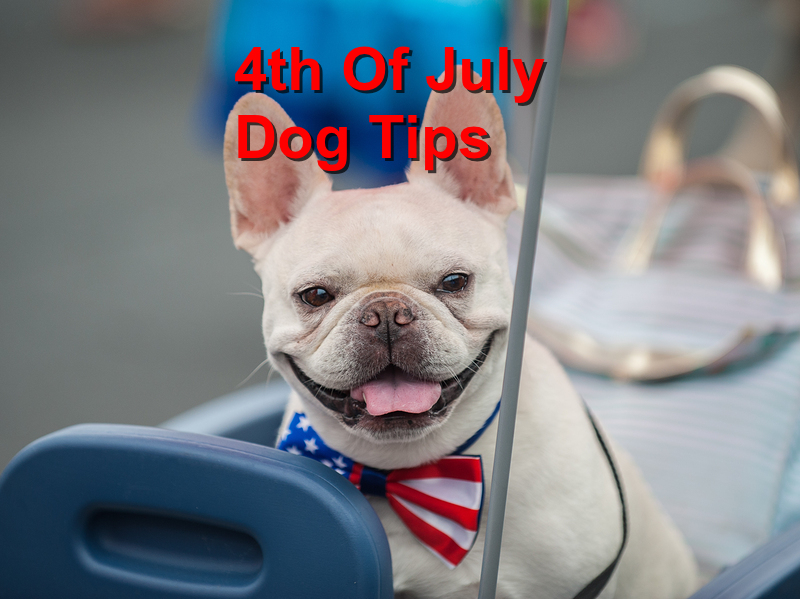
Tips to keep your dog safe this 4th of July
Unless you follow the necessary precautions and pet-friendly tips, there are plenty of unfortunate situations that could happen to your dog during a holiday such as 4th of July. Fortunately, we focus on some of the possible threats to your dog and what necessary actions you can take before heading out for the holiday festivities.There is no July 4th without fireworks. But to your dog fireworks are the most significant threat since their hearing is acuter than a human’s. That means the animal can become nervous and distressed by the loud noises. Instead, you should keep them in a safe, quiet and escape-proof area at home.We are aware that dogs are not excellent swimmers, and the festivities always come with pool parties or lakeside events. Whatever, type of water the event is, it is imperative to keep supervising the dog’s activity and ensure it does not drink or swim in any chlorinated pool since the harmful chemicals could cause health and skin problemsNever leave your dog unattended outside, even if it’s on a leash in a fenced yard or kennel. Often dogs become frightened and may run off and become lost or also injured along the way. There is also the risk of the leash or chain getting entangled and potential injury or death.Some foods are safe for most of us but not necessarily to the dogs. Some of the dangerous foods could include raisins, grapes, chocolate, and onions. Overall, the best option would be to prepare something in advance for your dog, let’s say a special treat or dog food that they like.Remember dogs do not tolerate the sun as well as we do, therefore a sun umbrella, pop-up tent or some other type of shade for the dog could help it cool off. Also, ensure the dog always has plenty of fresh water during the day to stay hydrated.For many, the 4th of July is an excellent time to lounge outdoors with family and friends (inclusive of the four-legged companion. While it seems a like an excellent idea to bring your dog along, it may not turn to become a not so enjoyable holiday. However, the intent is not to encourage you to exclude your dog in fun but to ensure a joyful and safe Independence Day. -

Grapes and Raisins toxicity
Grapes and Raisins toxicity in dogs and avoiding it
It is evident that chocolate is toxic to dogs. Unfortunately, we don’t suspect grapes and raisin despite the possibility of a fatal outcome to your pet. Read on and learn to protect your dog.
What are the signs of Grape and Raisin Toxicity?
It wasn’t until about 25 years ago that research documented statistics on the toxicity of grapes and raisins. Nonetheless, there is still little evidence as to what causes the toxicity to dogs. Typically after consumption, the dog shows symptoms of vomiting, diarrhea, dehydration, appetite loss, lethargy, anuria (acute renal failure) and oliguria (blocked urine). In prolonged cases of poisoning, the dog would portray seizures, tremors, oral ulcers and or go into a coma.
What’s True?
Although the root toxin agent in the grapes and raisins is unknown, there is growing speculation on the flesh of the grapefruit causing the serious toxic reaction. Additionally, there are other possible reasons for the toxicosis suggested including, fungicides/herbicides, heavy metal contamination, mycotoxins or high levels of vitamin D. Still the primary affected organ remains the kidney, with anecdotal reports linking the acute renal failure in the canines to the ingestion of grapes or raisins. The findings have also included evidence of renal tubular necrosis, renal tubular epithelial regeneration and metastatic mineralization of tissues.
How Much is Dangerous?
Nobody knows for sure the appropriate level of exposing the dog to the treats although records do indicate amounts of 0.7 Oz/kg (Grapes) and 0.1 Oz/kg (Raisins) as possible prognosis levels. However, it remains prudent that no dog owner should test out the possibility of grape poisoning on their dog.
What to do in case of Poisoning
treatment remains the key to successfully avoiding a fatal incident since there is no apparent antidote existing. If the ingestion period is within the last two hours, the best treatment is to induce vomiting for the fruit toxins to leave before digestion and absorption occurs. If the dog is already showing dire symptoms such as unconsciousness, breathlessness, distress or panic, seeking intensive treatment is the best approach. With a vet, the dog gets the best chance of survival since they can administer gastric decontamination protocols through activated charcoal and gastric lavage.
Possible Prevention Measures
Probably the best recommendation is to keep grapes and raisins out of the dog’s reach. Additionally, a reasonable precaution is not leaving young children alone with the dog while having toxic ingredients.
SOURCES: Wikipedia, Ivis, Med Vet For Pets, Research Gate, VSPN, Wiley
COPYRIGHT: Local Value -

Puppy and Kitten Care
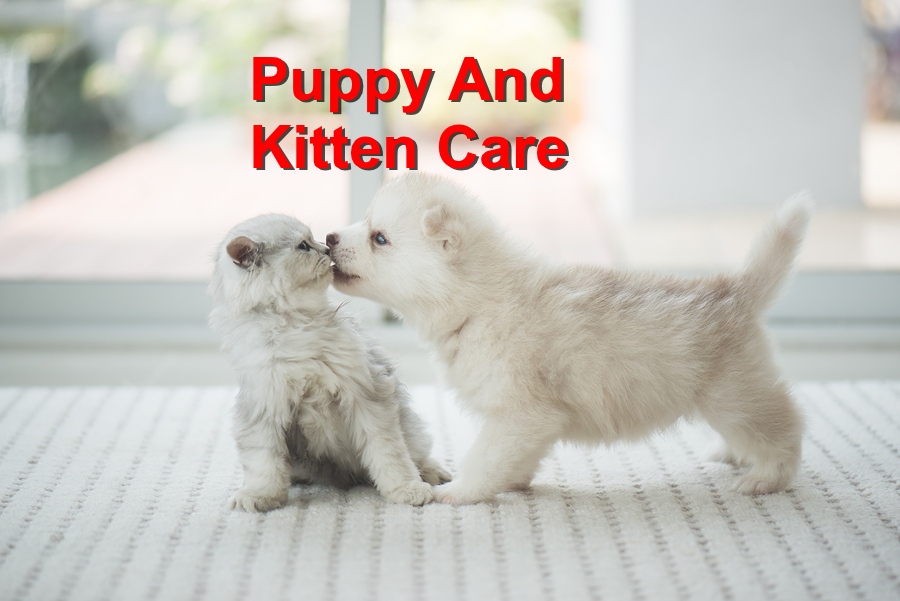
5 Interesting Feeding Tips for Puppy and Kitten Care
Most pet owners are unfamiliar with the fact that puppies and kittens are not fed similarly to their adult companions. Here are some interesting points to inform and enlighten on the options regarding puppy and kitten nutrition.
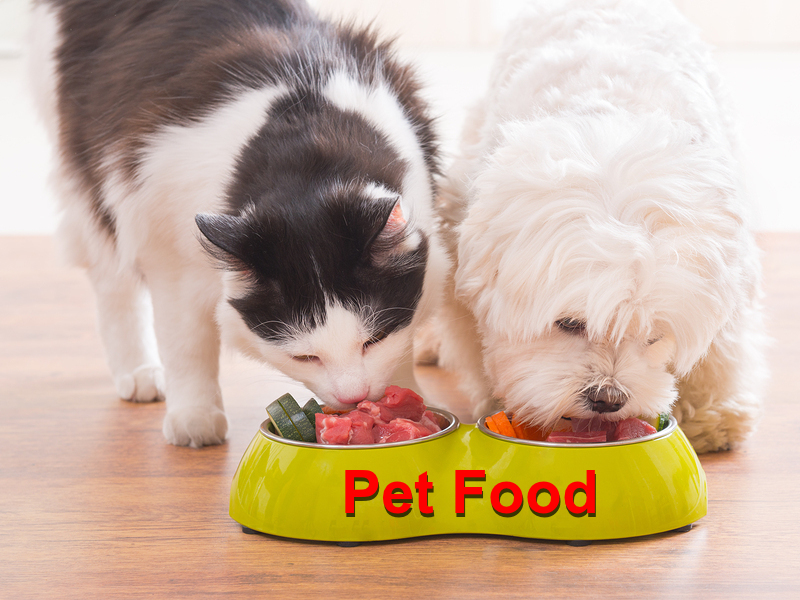
Feeding Styles
A sign of good appetite in young pets is that they will tend to eat more frequently, with even higher appetite than their adult counterparts. The case is especially for kittens below six months requiring at least four meals a day or at times opting for free feeding (they eat at their disposal). Similarly, puppies do need at least three meals in a day, with the one under two weeks requiring food at least every two hours.
Balanced Diet
A puppy or kitten is at most risk of nutritional imbalances and allergies based on the food they eat, and this makes it essential that the pet gets a balanced diet for proper development. During the early weeks, the mother’s milk (dam and queen) are the ideal options for growth. If it cannot sustain, then a kitten or puppy milk replacer is another option.
What about Meat?
Raw meat does not contain a proper balance of the nutrients if fed alone to growing puppies. It lacks the required calcium levels that are essential for adequate tooth and bone development in dogs. Weaned kittens, which have successfully transitioned to adult food, can handle meat comfortably although this depends on the individual pet’s digestive system.
Is Canned Food Safe?
Unless the puppy or kitten has an underlying condition, feeding canned food or dry commercial pet food saturated with milk replacer is still recommendable for unweaned pets. The best option, therefore, is to avoid exposing the kittens to different varieties of diets by picking a product that is closer to the pet’s natural diet and meets AAFCO standards.
Body Condition
While there is plenty of attention on the feeding of kittens and puppies, monitoring their weight, health and appearance also play a significant role in identifying the ideal nutrition for them. Identifying the perfect body condition would need body composition charts, or visit the vet and identify the health metrics.
There are plenty of chances than not everyone would know what to do with a new puppy or kitten at home. However with the right knowledge, and nutrition the first few months of the young pet could become less exhaustive.
SOURCES: WSAVA, AAFCO, MDPI, The Optimal Dog
COPYRIGHT: Local Value -

Pet Food
Pet Food: Future Trends, and Potential Outlook
Pets may not seem like a new phenomenon, but the evolution of pet food is undoubtedly a force to reckon with in the market. Here is the potential shift we expect to influence the pet food industry this year and beyond.
Search for New Protein Sources
With the growing demand for protein in pets, the traditional supplements of fish, and meat are facing replacements as nutrition options. The animal by-products are facing rejection with pet owners looking for healthier supplements. Consequently, pet food manufacturers are working on plant-based sources such as kales, greens, chard, and duckweed.
Strict Labeling and Oversight
With reports of Salmonella fears leading to the recall of pet food brands, there is every need pet parent to seek healthy and safer alternatives. Ultimately this has grown the demand for better product labeling on pet food. Usually, the dog food customers are only trying to know the nutrients their pets are receiving and with the growth of the dog food market.
Targeted Foods
Pets just like humans do also face food-related health problems such as illnesses, allergies and other specialized care circumstances. The situation has put plenty of pet owners on a proactive approach to countering the health problems through functional health foods. Soundproof of the trend is the rise in dog food formulas which support a variety of body functions in pets such as bone growth, digestion, hypoallergenic functions and joint health.
Emphasis on Pet Food Ingredient Sources
Another popular pet food trend comes with the rise of environmentally conscious models that consumers seek. As a potential driver in the dog food market, the need for sustainable sources of ingredients has led manufacturers to find alternative methods for their products. Such a factor has led pet food customers to seek for healthier, naturally-based and environmentally-friendly foods that meet their demands.
Home Delivery Options
With the Millennial generation possibly every item is available for purchase and delivery through e-commerce sites. Recent endeavors have gone beyond the human factor to include delivery of pet food to the respective owner’s front door.
A New Direction
Recent years have shown the growth of understanding the pet food industry and it is evident from the elimination of using raw food for pets. Still, it remains prudent that each trend brings a positive outlook not just for the pet food brands and demand but also healthier living for the pets.
SOURCES: Food Check Systems, NIH, PetCo, Pet Food Industry
COPYRIGHT: Local Value -

Protect your Pet from the Summer Heat
Essential Guidelines to Protect your Pet from the Summer Heat
Summer is always a good time for the dog to run around, exercise and stroll. However, the summer heat can become uncomfortable to pets. For the pet sitters, here are simple procedures to follow in case of heat strokes
Hydration
Hydration is an essential practice, especially during the summer months. With the high temperature, any pet would need to drink plenty of water to drink and maintain cool body temperature. It is imperative to regularly fill bowls with fresh cold water as a constant hydration strategy.
Cooling Mats and Vests
A cooling mat acts as a great alternative especially when you don’t have stone floors where the pet can cool down. Dog cooling vests are also a new effective tactic to help bring cooling through evaporation. If there is plenty of sweating, the cooling vests work by allowing one to dunk the garment in water, dry it a bit and put it on the pet. The wet jackets help cool the dog throughout the day.
Damp Towels
At times the dog might show overheating signs, and it is recommended to always have a wet cloth just in case. In such a situation, it is advisable to put the damp towel over the dog to bring down its temperature. However, the procedure for using the wet towel varies, and the local veterinarian best explains it.
Fans and AC unitsThe increase in summer heat often ends up making the indoors uncomfortable, and it is essential to ensure there is plenty of flowing air to provide active cooling. Most houses do bear insulation measures, but not all can accommodate the varying temperatures during summer. That is probably where ceiling fans and air condition units come in as alternatives measures to present a cooling effect.
Travel Safety
Traveling during summer with your animal friend may need extra protection when it comes to keeping the pet secure. An ideal situation will require a pet crate to accommodate the animal during the drive. Additionally, the best interest necessary is not to leave the pet unattended for a length of time.
Watch out for apparent signsExcessive panting, excessive drooling, red gums, weakness, dizziness, and vomiting are immediate signs of dehydration. If the dog indicates any of the symptoms, then it is best to seek immediate action to relieve the pet. Most importantly, the health and safety of the pet is the primary concern.
Sources: DCAER, NIH, Rover, Paw Gear Lab, AKCCHF
COPYRIGHT: Local Value -

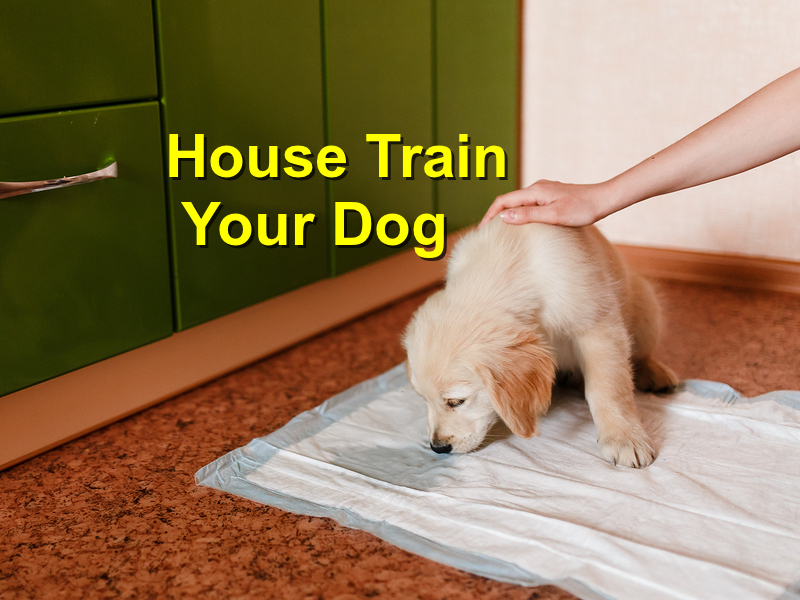
How to House Train Your Dog
The Right Way
Taking time to house train your puppy/dog can be stressful, especially on the first few days. Therefore, be ready to exercise a lot of patience, consistency, and commitment. Consequently, you should be well prepared for unfortunate accidents as they are part of the process. But if you adhere to some of these useful house training tips, you and your pet could be on the right within no time.Know their Schedule
Take a few days to monitor your pet’s pooping, urinating and play schedule before you embark on the actual training. Through this, you will get a rough idea as to when to guide them to the toilet area. Remember every puppy is different, and so should be their potty time.Establish a Routine
Now that you already know their routine, it’s time to come up with yours as well. It’s even easier if you are dealing with puppies, unlike mature dogs. Let them know that there is time for everything like eating, play, and other issues. It might be stressful when you begin, but they will sure get used to it with time. Be sure to be consistent.Take the Supervisor Role
We know you have other chores to attend to, but that shouldn’t prevent you from keeping a close eye on your pet. Keep them close to you to detect when they want something and limit their activities within and outside the house until they get reliable.Plan for When you are Away
If you happen to leave the house for a few hours, have someone mature take your role. Explain to them your dog’s routine. If you don’t have anyone in mind, then consider training them on using a specific area indoors.Above all, remember, mistakes do happen. Therefore, be stern but calm on your puppy when they forget and move forward with the training. Happy training!SOURCES: Humane Society, Dog Obedience Training Review, Dog Care Knowledge, Perfect Paws
-

Doggy Diet Tips
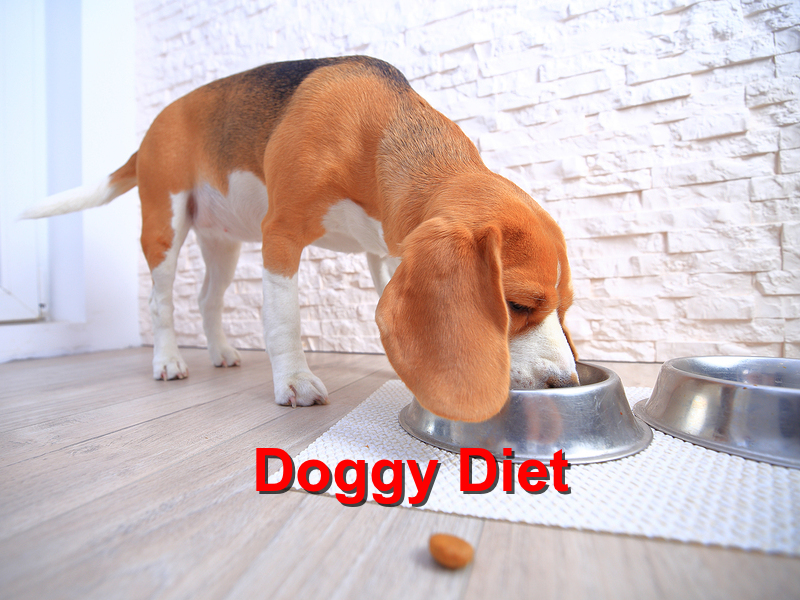
Doggy Diet Tips for Healthy Weight Loss in Dogs
A good percentage of canines today are overweight as their owners continue indulging them with lots of treats and foods. These few tips listed here should help your dog to lose weight.We love our dogs and often like to lavish them with treats and foods. This has led to overweight dogs who are more vulnerable to illnesses like arthritis, heart problems, diabetes and breathing difficulties. Once dogs are overweight, they also become less active and have a generally poor quality of life. To help you avoid all these health complications, here are a few tips to ensure your dog maintains a healthy lean weight.

Always Feed Them Less
The first place to start is to ensure that your dog is eating fewer meals. To achieve this, you will need to measure their current portion sizes and then gradually cut down at least five percent at a time. Ideally, active dogs will require more calories as compared to their less active counterparts. So, ensure you are giving your dogs the minimum amount of food they need to stay fit and healthy.Let your Dog Exercise More Often
Exercise is one of the best weight loss strategies for both dogs and humans as well. Try incorporating more playtime with your dog every day as a way of exercising them. For example, three sessions of fetch or tug can allow your dog to easily burn off the extra calories. Most importantly, start the activities slowly and allow them to build up strength and endurance.Avoid Unnecessary Dog Treats
You need to avoid giving into all your dog demands for food and treats during the day. Even if you are using the treats for dog training, you should start spacing them out or breaking them into smaller bits. In addition, you can also consider replacing dog treats with veggies or fruits.Conclusion
Helping your dogs to lose weight is critical to ensuring that you get to enjoy spending time together for many years and these tips listed above will allow you to do that.SOURCES: Puppy Leaks, Blue Cross, Web MD
COPYRIGHT: Local Value -

How to Prepare Your Home for Guests with Pets
Having guests over is a great feeling, but you would have a lot of considerations to make if they intend to tag along with their fur friends. Hence, you should always prepare to receive guests with pets in an exclusive manner.The idea here is to make everyone at your home comfortable around the new-comers, and that would include your pet. But what if your pet isn’t guest friendly? How do you go about it?Learn about the Visiting Pet
We advise that you take time, like a few days before the visit to call your guest and inquire about their pet. What do they like and how do they behave around strangers (both human and animals). That way, you will get a rough idea of how to organize your space and even prepare other family members for a visit.Prepare a Spot for your Pet
Before the visit, organize a place for your pet. For instance, if they like resting near the living room, you can shift them to the hallway for some privacy and avoid conflicts with the visiting pet. However, be sure they are comfortable and used to the spot at least before the big day.Let your Guest Corporate with You
Inform your visitor/s that you also have a pet at home and let them know. By doing this, it won’t come as a surprise when you request them to keep their dog/cat out of the way as yours makes its way to the yard. Also, some people don’t like their pets mixing with others, so it’s important that your guests stay informed.Keep your pet Busy
You can decide to have someone take your canine for a walk during the time of visit to avoid conflicts. Consequently, if that isn’t possible, buy them a new playing machine to keep them wowed. Remember to have their toys within reach as well and check on them often.Don’t skip your Pet’s Daily Routine
Ensure your pet gets on with their daily activities, and this calls for the help of other family members. For instance, meals and toilet visits should be on time to avoid triggering your pet into throwing a tantrum. It could get worse if they feel the “intruder” is receiving more attention themselves.Reconsider Those Seat Covers
It’s more likely that the visiting furry might climb on your seats. So if you are not comfortable with them leaving some scent, you can take your favorite seat covers off.SOURCES: Chicago Tribune, The Dog DailyCOPYRIGHT: Local Value