Category: Dogs

  • Should I Neuter My Puppy?

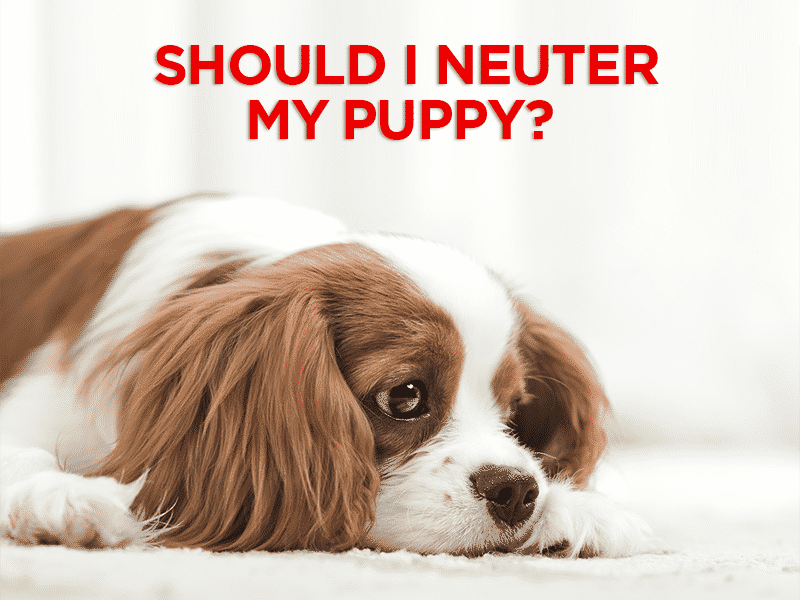
    Should I Neuter My Puppy?

    Are you aware of the main reasons to neuter a puppy?

    There are a lot of pet owners out there that opt to get their pup neutered. Many believe it is important for reducing the pet overpopulation. It also helps prevent aggression in dogs because Neutered dogs tend to be less aggressive and less defensive.

    Neutering your puppy can also prevent Roaming. Pet Health Network says,

    “Intact males are more likely to wander around, get hit by a car, end up lost or get into a fight. They can smell a female in heat miles away and sometimes will do anything to check her out—or worse. This can lead to countless undesirable encounters.”

    Unneutered pets do have problems. In male dogs, the most common behavior is an aggressive temper.  Of course, there are many male dogs that have been neutered who are perfectly sweet.  Neutering, when done early in life, can reduce aggressiveness and improve behavior overall. If your dog loves to mount other dogs, it might decrease that embarrassing behavior.

    Should I worry about the risks of neutering?

    Talk to your veterinarian about the benefits and risks of the sterilization procedure so you can make an informed decision. The cause of having your pets surgically sterilized results in the effect of a happier, healthier friend for life who is not contributing to a surplus of unwanted pets. Again, we’re talking life or death. Speak to your veterinarian or your local humane society for information or referral to a low-cost program.

    If you’re going to wait to neuter your dog for any number of valid reasons, you have to be an even more vigilant and responsible owner. Don’t let your dog roam free just because you’re “pretty sure” there’s no dog in heat for miles. He’s going to get hit by a car, or get in a dog fight. Don’t take male dominant behavior lightly. If Mr. Macho-in-the-Hood is getting out of control, the benefits of neutering may save you a lot of headaches.

    Sources: Pet Health Network, AVMA, Pet Safe 

  • National Pet Dental Health Month and Your Pet

    National Pet Dental Health Month and Your Pet

    It’s National Pet Dental Health Month and though we should always take good care of our beloved one’s teeth and gums, this month is dedicated to addressing the significance of oral care for our pets year round.

    First of all, it’s important to brush your pet’s teeth. Periodontal disease is the most common clinical condition in cats and dogs even though it’s completely preventable. 4 out of 5 dogs over the age of 3 years have some sort of periodontal disease. That is why it is very important to brush those chompers.

    Dental disease can actually lead to problems with your pet’s organs. AVMA suggests to watch Dr. Sheldon Rubin’s easy, step-by-step instructions on how to teach a dog or cat to accept a daily tooth brushing.

    If you have noticed your dogs breath is isn’t very pleasant, brushing your pet’s teeth with have better breath. Occasionally, “bad breath” may be caused by gastric odors or metabolic disease. Again, talk with your vet if you have concerns. His breath can be chalked up to his poop recycling habit. But if your dog’s mouth has an unpleasant odor day in and day out, he most likely has smelly bacteria in that mouth and needs attention. A pet with healthy teeth equals a pet with better breath!  Also, taking care of your pet’s teeth can prevent other health problems, which can save you money in the long run.

    It’s also important to mention that your dog and cat are very good at hiding pain – you might never know that your pet has a serious dental problem until it’s very advanced. This is yet another reason it’s important to take your pet in for regular dental checkups.

    Don’t just brush your pets teeth just for the sake of National Pet Dental Health Month but do it for health of your precious pup!

    Sources AVMA, Pet Health Network, Petful


  • Pet Care Tips for The Winter

    Pet Care Tips for The Winter

    Winter is here,

    and that always brings pet hazards. Beware of these problems to ensure your pets are happy and healthy until things warm up again.

    Keep Pets Warm

    Make sure your dogs have shelter and an area to stay dry and out of the cold and wind. Indoors is the best, but unfortunately not all circumstances allow for that.

    Avoid Antifreeze & Other Poisons

    A lot of people change the antifreeze in their cars in fall and early winter. As a consequence, veterinary ERs see cases of antifreeze poisoning in dogs rise when the mercury dips.

    Watch out For Cats in Your Car

    When the cold weather rolls in, cats look for warmth and shelter anywhere they can find it. In many cases this involves curling up to the warm bed of the engine in our cars. Be aware of this and check before starting your car this winter and causing potential harm.

    Pets Need Fresh Water in Winter, Too

    Make sure the water supply doesn’t freeze. A frozen water bowl can lead to thirst and dehydration quickly.

    Read the Full Article Here:

  • Correcting Unwanted Dog Behavior

    Correcting Unwanted Dog Behavior

    Behavior – In The Beginning

    When getting a dog, every owner imagines the companionship, trips to the park, long walks, and unconditional love. What they don’t expect is an aggressive barker that runs away. A dog that would rather rip the couch apart than snuggle, or a fur friend that would rather dig up your yard to hide a ball than to catch it.

    The perfect pet can be hard to find. Even with years of training the “perfect” dog can still run, dig, and over eat. Understanding this is key to correcting unwanted dog behavior.

    Knowing and understanding why your pet has an issue will help you find the proper way to correct him and deal with the problem. While there could be a number of environmental factors plaguing your pet, his issues could be ingrained in his DNA.

    Source: Petsafe

  • Be Prepared For An Pet Emergency With These Tips

    Be Prepared For An Pet Emergency With These Tips

    If you suspect your pet has consumed or been exposed to any toxic substances or think that you are having an emergency, the first step would be to immediately contact your veterinarian or the ASPCA Animal Poison Control Center [888-426-4435*] immediately. A fee may apply.

    Here are some tips, links and emergency phone numbers that may help:

    1. Your vet’s emergency phone number
    2. The local emergency clinic number
    3. How to get to the veterinary clinic
    4. Poison Control number (888-426-4435)
    5. How to perform basic CPR on your pet
    6. How to stop bleeding/apply a basic pressure wrap
    7. How to muzzle your pet (to keep an injured pet from biting you)
    8. If addition to these seven things, you should also be prepared with methods of payment for your pet’s medical care. Emergency care is often more expensive than routine care due to the intensity of diagnostics, monitoring and treatment required, and it is your responsibility as a pet owner to pay for that care. Many clinics are unable to bill you for the services, or may require a deposit or payment in full at the time of service. Delaying medical care to avoid fees could put your pet’s life at risk. Planning ahead for financial coverage of emergencies – perhaps by having a separate account or credit card for emergency use only, or pet insurance – can save you a lot of stress when they do happen.

    Source: AVMA