Category: Puppy

  • Beagles

    Beagles

    5 Things You Should Know About Beagles

    While beagles are great hunters, they are lovable and excellent companion pets as well. Learn if this sociable dog is the right pet for you.


    1. Key characteristics


    Beagles are excellent hunting dogs and are very popular in the United States. Their compact coats often require minimal grooming. These breeds come in 2 different sizes, the 15-inch Beagle and 13-inch tall Beagle. Common coat colors include white, lemon, red, and tri-color. They have large, brown eyes. The ears are long and wide, and the nose is dark black, while the tail is erect.


    1. Where do they come from?

      While records show that Beagles were discovered in early 1500s, more research is needed in this area. The Beagles were first discovered in England during the early days before the Romans started to arrive in the late 18th century. Since fox hunting was popular at this time, beagles were commonly used as hunting dogs. The beagle was later bred with the southern hound dog and become popular in the United States. 


    1. Are they friendly?

      Beagles are usually gentle, affectionate, loving and sweet. They are sociable dogs with high intelligence and natural curiosity. They can get along well with children, but their exemplary hunting instincts might prevent them from socializing with non-canine pets. While beagles are smart, consistent training can help prevent negative or unwanted behaviors like biting, snapping, destructive behavior and obsessive barking.


    1. Is this dog the right breed for you?

    Since beagles have a lot of stamina, they require regular exercise. A slow jog or daily walk is recommended. The breed can do well indoors provided you ensure they get daily exercise. A play yard will come in handy if your dog is extra playful. 

    1. Grooming needs

    Coat shedding is minimal and so grooming is not time-consuming. You can brush it’s coat weekly using a soft brush. Bathe the dog when necessary but not too often. Also regularly check the ears to ensure they don’t have any infection.

    Conclusion

    Beagles are often found in rescues and shelters, so you can find them there or find other adoption options online or in your local area. If you decide to get your beagle from a breeder, ensure you find a legitimate breeder. Also ensure you get health certificates from the dogs’ owner. When your dog has any health problem, you need to visit your veterinarian immediately.

    References: Petful, AKC, Dog time

    Copyright: Local Value

  • Do cats get colds

    Do cats get colds

    Do cats get colds?

    Cats are vulnerable to get colds, just like us. Upper respiratory infection [URI] or a cold is a common disease that affects kittens. Cats can get a cold in a setting where they are overcrowded, like shelters, breeding facilities and pet stores. Kittens found in shelters and pet stores have a high chance of developing upper respiratory infections since their immune system is not fully developed. And since they live close to other cats in the shelter, they are likely to get a cold.

    What is an URI?

    Colds or upper respiratory infections that affect the larynx, pharynx, and nose are either caused by bacteria or viruses. Some of the common viruses that cause colds are herpes and calicivirus, as well as bacteria such as chlamydia, mycoplasma and Bordetella. These harmful agents are spread in cats through a process called aerosolization.

    When the sick cat sneezes, minute droplets that contain infectious materials are directly released into the atmosphere. Since the droplets are quite small, they remain airborne longer and can easily infect cats that are a distant away. This explains why colds spread quickly in an area with a large cat population. One sick cat can spread the cold to other cats in it’s proximity by sneezing. Infections may also spread by direct contact. On the other hand, it can spread through inanimate objects known as fomites. These inanimate objects can spread the disease if they become contaminated with infectious organisms. Common fomites include towels, food bowls and bedding material.  

    Symptoms and signs of cat colds

    Cats that have a cold often develop mild signs, such as watery eyes, runny nose and frequent sneezing. In most cases, these symptoms can resolve without treatment. However, vulnerable cats, especially the old and young, can easily develop severe infections. Cats that have severe cold may develop:

    Dehydration

    Loss of appetite

    A fever

    Yellowish, thick eye or nasal discharge

    A fever

    Thick, yellowish nasal or eye discharge

    Cats might become lethargic

    How to treat cat colds

    The appropriate treatment of colds in cats will depend on the severity. While the symptoms can be irritating for cats, mild URI and common cold can easily resolve without treatment. For more severe infections, eye medication and/or oral antibiotics might be necessary to treat the symptoms. If your cat is not drinking or eating, additional treatments like appetite stimulants, subcutaneous fluids and hospitalization may be necessary.

    Conclusion

    When you notice your cat’s symptoms have become severe, you should visit your veterinarian immediately to ensure your cat receives appropriate medication.

    References: pet health network, Petmd, Pet plan

    Copyright: Local Value

  • Biggest Health Threat To Your Pet

    Biggest Health Threat To Your Pet

    Obesity in Cats and Dogs: The Biggest Health Threat to Your Pets

    While you might think your cat is perfectly healthy, your veterinarian may say otherwise. Let’s discuss what might be wrong with your pet.

    For starters, obesity in cats and dogs is a severe health crisis. Unfortunately, most people don’t know that obesity can lead to more health problems.

    What are the potential consequences of obesity in pets?

    Obesity can reduce lifespan in pets. Research now shows that thin pets outlive fat dogs by about two years. Therefore, looking at obesity and overweight in cats and dogs as a trivial health problem is a misconception.

    1. Shorter life span and poor quality of life

    If you want to know if your dog is obese, you can use the body condition score. On this scale, 1 shows starvation and eight denotes morbidly obese.

    Research done on Labrador Retrievers now shows that canines that have a lower BCS can live longer than overweight dogs that rank higher on the BCS scale. Slimmer dogs have a lower risk of common chronic diseases. With that in mind, you should remember to ensure your dog has an ideal weight for a long healthy life.

    1. Arthritis

    Leaner dogs are less likely to suffer from arthritis and hence experience less pain when they age than obese dogs. Additionally, low body fat improves mobility and reduce lameness problems.

    1. Intervertebral disk disease

    IVDD, commonly known as intervertebral disk disease, can paralyze your dog. And the sad thing is that all dogs are vulnerable to suffer from this disease. The Dachshund is particularly susceptible to suffer from disk disease. If your Corgi or Doxie is obese, the risk of suffering from disc disease is higher. 

    1. Body inflammation

    Essentially, obese dogs are more likely to suffer from body inflammation, and this can eventually lead to diabetes, pancreatitis, and gastrointestinal disease, to mention a few. You should walk your dog regularly to shed off the extra weight so that you can avoid the onset of these diseases.

    1. Breathing problems

    Overweight dogs usually have trouble breathing that may lead to the onset of conditions such as laryngeal paralysis or collapsing trachea. Obesity in dogs will also overwork the heart. You should ensure your dog has a healthy weight for prolonged, better life. Instead of walking your dog, you can take a morning job with them to keep them healthy so that they can avoid arthritic or breathing problems.

    Conclusion

    If you suspect your dog is suffering from obesity, you need to consult your vet as soon as possible to avoid the onset of diseases.

    References: Petful, Banfield, Omicsonline

    Copyright: Local Value

  • Bulldogs

    Bulldogs

    5 Things that make Bulldogs special 

    If you are looking for the best protection dog, then getting a bulldog is a great idea. Bulldogs are powerful dogs with a lot of love to share.

    1.Key characteristics

    Bulldogs are compact dogs and are very popular in most households in the United States for their massive strength. They have short legs, and their head is large than most dog breeds. They also have prominent skin folds on their face that makes them unique. The ears and nose are dark while their ears are thin and small.

    1. What is their origin?

    Bulldogs got their name due to their ability to trap a bull. Due to its massive strength, it can attack a large bull right underneath, and bite into the bulls’ neck to prevent it from escaping. Original bulldogs are somewhat resistant to pain. Additionally, they were known to be savage and fiercely courageous than most dog breeds. Bull baiting in England was later outlawed in early 1835, and so it’s usefulness and was no longer prominent.

    1. Are they friendly?

    Gentle and loving are some of the words that can describe bulldogs that you find in most households today. Bulldogs are friendly and are always playful, and form strong bonds with both adults and children. However, they can be dominating and stubborn; hence, training might be necessary. They often tend to show aggression and therefore are excellent guard dogs. For that reason, you should never disregard their training recommendation if you decide to adopt one.

    1. Is it the right breed for you?

    While bulldogs are energetic, they tend to become calmer when they age. They can handle apartment life as they are inactive indoors. They don’t need a play yard. Daily walks will help the bulldog expel built-up energy, and meet their exercise needs. Nonetheless, you need to ensure you socialize them properly before you allow them around people and other animals.

    1. Where can you adopt one?

    You can find bulldogs in shelters and rescue centers or find one from online pet stores. If you decide to get a bulldog from your local breeder, ensure the breeder is not operating an illegal puppy mill.

    Conclusion

    If your bulldog has any health issue, you should visit a local vet to get your dog checked. The vet can recommend the best treatment.

    References: Petful, AKC, Dog time

    Copyright: Local Value


  • Train your dog to not chew things

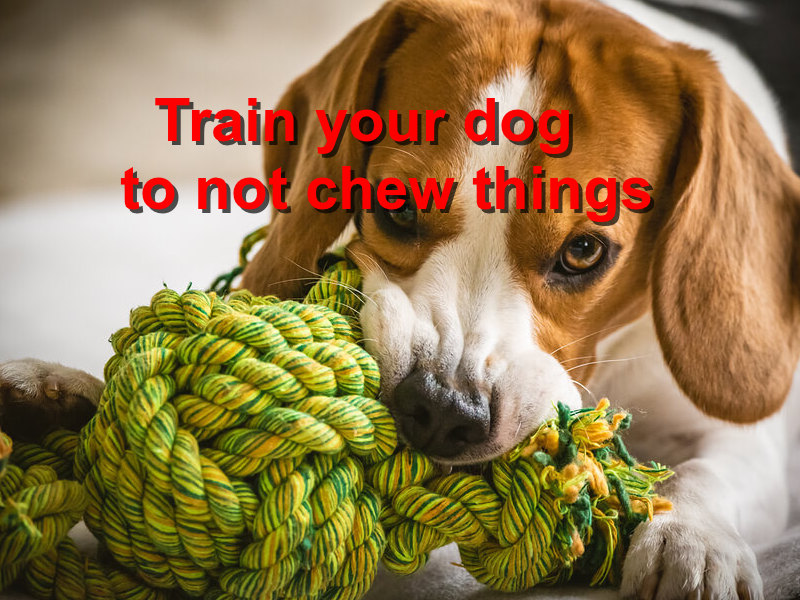
    Train your dog to not chew things


    How to Train a Dog Not to Chew on Things

    Destructive chewing affects dog lovers from all walks of life. How can you train your dog not to chew on your things?

    Why puppies chew

    Puppies often use their mouths to learn important life skills. Through their little mouths, they:

    • Learn how to cope with boredom
    • Get out frustrations
    • Soothe teeth and sore gums 
    • Learn about the environment around them
    • Cope with anxiety

    Why older dogs chew

    When do dogs really stop chewing everything they come across? Do they stop this habit when they reach a certain age? If you have dog, you may be looking for answers to these questions.

    Most dogs outgrow this habit that’s often associated with jaw development between the ages of 1-2 years. Chewing is normal when your puppy is teething.

    If your dog never learned the right things to chew while young, they may have a destructive chewing habit when they get older.

    A few things that can cause older dogs to chew:

    • Lack of training 
    • Too much freedom
    • Bad habits learned when young
    • Anxiety
    • Lack of physical exercises
    • A medical problem

    Train your dog to chew on their own toys

    If you want to control this behavior, the goal is not trying to stop chewing. You should show them what to chew instead. Here are some of the ways you can address chewing.

    Confine

    You can try using a crate to train your dog. While many people assume its cruel to use a crate, they are useful when used correctly. Before you try this method, get your puppy used to the crate.

    Sprinkle treats evenly inside the crate and outside

    Encourage your puppy to eat the treats.

    When your puppy finishes eating the treats, you can add more until the puppy gets used to the crate.

    When your puppy is comfortable walking into the crate, offer them a food-stuffed toy and close the door behind them. Once the puppy is done eating the treats from the toy, let them stay there until they are quiet. Gradually leave your dog inside the crate longer and then sprinkle treats after every ten minutes.

    Supervise

    Your puppy won’t stay inside the crate all day. Allow them to play outside the crate but ensure you are nearby to supervise them. By leaving your pup in the crate filled with food-stuffed chew toys, they will learn to chew their own toys instead of chewing on household items. 

    Conclusion

    Chewing has many benefits for dogs but you need to train your dog to chew on their toys and not on your things. If your dog is chewing on its skin, visit the veterinarian as soon as possible as this may cause allergies.

    References: Petful, Dogtime, Cesarsway

    Copyright: Local Value

  • Golden Retrievers

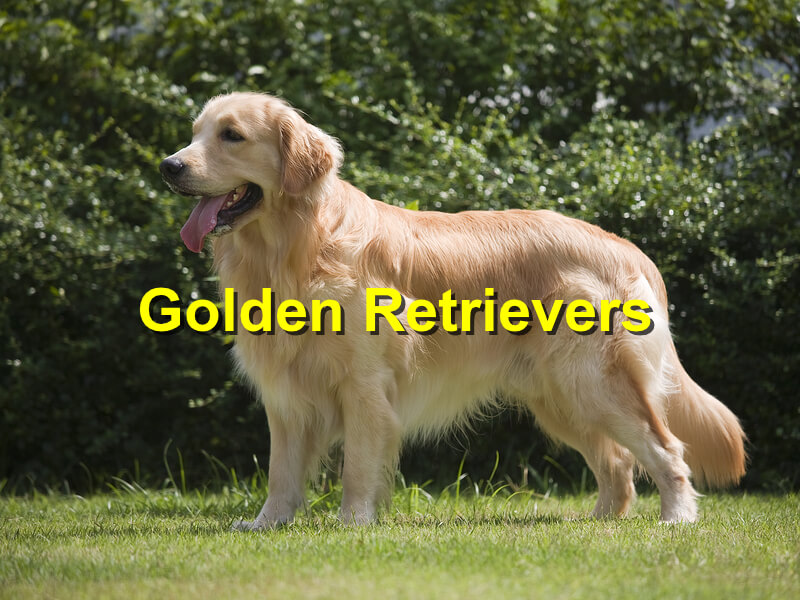
    Golden Retrievers

    A Few Things to Know About Golden Retrievers

    Golden retrievers are energetic and reliable dogs. They make excellent service animals as well.

    Key Characteristics 

    Golden retrievers are friendly and active dogs. They have a double coat that is water-repellant. Their unique gold color usually varies and can either be light or dark.

    Where do they originate from?

    The breed was first developed in the 19th century by Lord Tweedmouth from Scotland who bred a Tweed Water Spaniel with a Yellower Retriever. This cross-breeding produced an offspring that was later bred with spaniels, Bloodhounds and Irish Setters and developed to the breed we have today. The breeding created a dog that can do extremely well for retrieval purposes on water or land.

    Are Golden Retrievers friendly?

    The dog is friendly and can get along well with everyone. They can be trained to become great search dogs and excellent service dogs. 

    Golden Retrievers are friendly dogs who get along with everyone. They never show aggression or hostility toward people or other dogs. They are trustworthy, reliable, energetic, active and always ready to learn new things.

    Exercise Needs

    The breed can easily become obese so you need to ensure yours gets daily rigorous exercise. Golden Retrievers are energetic and active, and you need to keep them busy with regular exercise to maintain their healthy and general wellness. Lack of regular exercise can cause chewing and behavioral difficulties.

    Grooming Needs

    The breeds’ double coat often sheds seasonally so you have to brush yours frequently. According to experts, you need to brush this dog at least twice a week, and more often in the summer when it’s much warmer. The dogs’ long furs collect dirt easily, so ensure you bathe yours regularly. Trim the nails and clean their ears as well.

    Health Problems

    The common health problems that affect Golden Retrievers include cataracts, hip dysplasia, obesity, cancer, bleeding disorders, heart disease and elbow dysplasia, allergies, kidney failure, and muscle dystrophy.

    Can you adopt a Golden Retriever?

    You can adopt a Golden retriever as most of these breeds often wind up in rescue centers. Alternatively, you can check local adoption resources.

    Conclusion

    Before you adopt a Golden Retriever, you need to consult a vet to ensure you find a dog that is healthy and up-to-date on all immunizations. Also, if you decide to try local breeders, ask for clearance tests. These are tests performed to check if any of the conditions found in the parents can affect the puppies.

    References: Petful, Rover, Pet Helpful

    Copyright: Local Value

  • Funny Dog Breeds

    Funny Dog Breeds

    10 Funniest Dog Breeds in The World

    There are very funny and strange looking dogs out there. Listed below is a compilation of some of the funniest canine breeds.

    1. Chinese Crested

    The Chinese Crested has an intriguing mohawk and is often present in the popular ‘’ugly dog’’ competition held annually. The breed is well known for its small features and playful demeanor.

    1. Puli

    This breed looks like a twisted dirty mop. They are agile and fast, loyal and strong. The puli has tight curls that make it waterproof. These dogs usually have black faces.

    1. Xoloitzcuintli

    The Mexican hairless dog is a rare breed. These funny looking pups were once thought to have healing properties by the ancient tribes of Mayans and Toltecs.

    1. Bergamasco

    The breed resembles the Komondors and Pulis. Commonly known as a sheepdog, the breed has a rare matted coat. The breed has a combination of colors and can either range from gray to silver gray or black and brown. This coloration was probably a camouflage deep in the Italian mountains where it originated.

    1. Brussels Griffon

    These toy puppies are well-known for their charming fuzzy beards. If you look at the breed closely, you’ll notice it somehow resembles a little monkey.

    1. Neapolitan Mastiff

    This massive dog breed has a sagging face and lengthy wrinkles. While they may appear docile, the Neapolitan Mastiff is powerful and fearless.

    1. Dandie Dinmont Terrier

    The breed has an elongated body and short little legs. Dandie Dinmont Terriers also have a funny looking white pouf on their heads.

    1. Bedlington Terrier

    Most people insist that the Bedlington looks like a lamb. This breed has wooly fur, triangular eyes and elongated ears. They are reliable, calm and smart, and surprisingly they were used to scare away badgers.

    1. Bull Terrier

    The breed is well-known for their funny looking egg-shaped head that is almost flat at the top and gradually slants down at the end. Bull terriers have a clownish personality and a carefree gait.

    1. Dachshund

    The dachshund is everyone’s favorite dog and is a source of amusement for many. This short-legged, long-bodied puppy with curved tail and flappy ears is stubborn but playful. The Dachshund has been featured in many political comics and cartoons. In fact, this playful puppy is considered one the most popular pet in cities.

    Conclusion


    When you notice signs that your dog might have health complications, you need to consult a vet as soon as possible.

    References: Petful, Animal Fair, Animal Fair

  • End of Life Care for your Dog

    End of Life Care for your Dog

    Tips on Improving End of Life Care for Dogs

    You have spent memorable days with your dog and it has been an amazing journey. However, your pet has become less playful and you are afraid that maybe that journey is nearing its end. It is your duty as the owner to try and lessen its symptoms. Here are useful tips on improving end of life care for your pet.

    Consider Hospice care

    When your dog is unable to lead a qualifying life due to terminal illness, you can settle for hospice care. When you choose this option, you become the primary caregiver for your pet and try to make their last days as comfortable as possible. You can visit your vet to receive instructions on how you can manage your dog’s pain and suffering.

    Euthanasia

    What can you do when you discover no treatments or medication can alleviate your dog’s suffering? When the physical signs of suffering become more obvious, your vet may ask you to consider euthanasia. This procedure secures a painless and peaceful end if your dog is suffering and terminal.  Your vet will give the dog a sedative and the procedure usually takes about 15 seconds. 

    Create a quiet environment

    Avoid chaos around the home as this will stress your dog during this difficult time when you are trying to make your last moments together meaningful. Ensure your dog enjoys a quiet environment away from other pets. The dog may also become irritable and grumpy during this period. For that reason, you can play soft music to calm them.

    Provide comfortable bedding

    Put down comfortable blankets where your dog can lay down comfortably. If your dog is unable to regulate his body temperature, ensure you have blankets nearby ready for use. Be patient with your dog as they may begin experiencing muscle and joint problems and become frustrated.

    Prepare a tasty meal for them

    If your dog has a favorite meal, then you can make some of it. However, solid food might upset your pet’s stomach as certain body systems that aid in digestion begin failing. During this stage, dogs often lose their appetite so ensure you are gentle and attend to them with compassion.

    Conclusion

    It is important to ensure you monitor your pets’ behavior regularly. Also check their weight and temperature or any other indicator that may show their health is deteriorating. Consult your vet if are ready for hospice care.

    References: Petmd, Pet health network, VCA Hospitals