Category: Puppy

  • Out command

    Out command

    Teaching the out command to your dog and its benefits

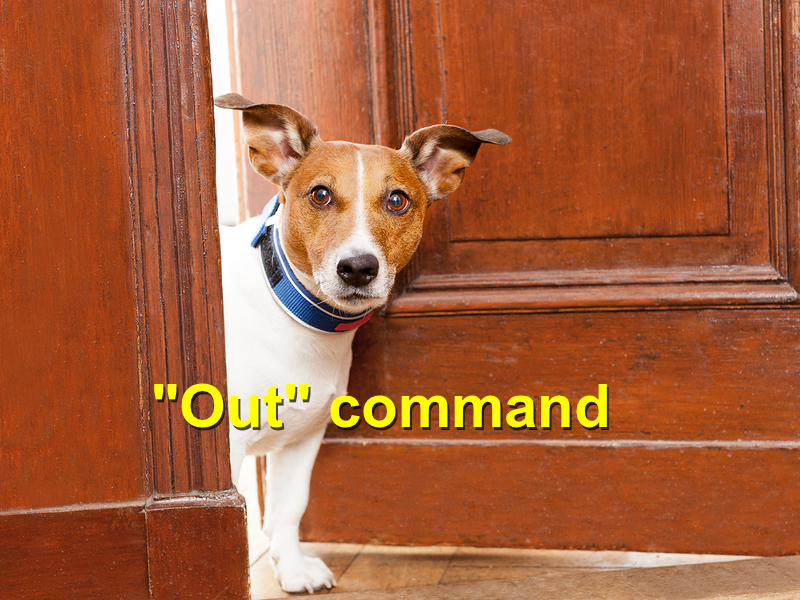
    As a canine lover, the ‘out’ command should be one of the tricks you teach your dog. The directive is mostly used to instruct a dog to leave a particular area and head to another. However, it is also used by hunters when directing their dogs to follow prey. While its uses vary, the benefits of teaching your dog the out command are similar. For starters, even your children will be able to direct your dogs in your absence.

    Benefits of teaching the out command

    It also helps stop your dog from being pushy and comes in handy when trying to correct behaviors such as chewing or digging. Crucially, teaching your dog the out command significantly stops dog aggression which can lead to biting. This form of training also teaches your dog how to behave around new canine friends and aids older dogs and puppies in getting along.

    How to teach your dog ‘out;

    Follow this guide to train your dog ‘out’ for a better relationship with your canine friend. In case of any problems, contact us for professional guidance.

    Treats

    Treats are a very effective way to lure your dog into doing your bidding. Place them where your dog can see, preferably on the carpet or area where you don’t want them, with your dog on a leash.

    Toss and reward

    Toss the treats one at a time while pointing to the direction where you are throwing them and let your dog run towards them. Congratulate them once they finish then call them back over and repeat the same.

    Introduce the out command

    Once your dog is accustomed to your instructions, introduce the word ‘out’ while using your index finger minus a treat. It is advisable to wait until your dog starts walking towards the treat to introduce the out command.

    Perfection and affection

    Once your dog can walk at least 10 feet away from you and await a treat patiently without any commotion, then they have achieved a new level of understanding. However, while this trick can be used to lead the dogs away, a little appreciation goes a long way. As such, remember to throw them a treat once they are where you want them to be.

    Conclusion

    The out command can also be used to tame aggressive dogs. However, this process is dangerous and requires professional assistance. If your dog is aggressive when it comes to food or in general, contact us today for expert ‘out’ training services.

    Sources

    https://www.cesarsway.com/dog-training/obedience/5-essential-commands-you-can-teach-your-dog

    https://thedogtrainingsecret.com/blog/teaching-dog-drop-protection-training/

    https://pets.webmd.com/dogs/guide/teaching-dog-ask-go-out

    https://www.petful.com/behaviors/how-to-teach-a-dog-the-out-command/

  • Dogs Eating Grass

    Dogs Eating Grass

    Dog behavior 101: Dogs eating grass and theories explaining the condition

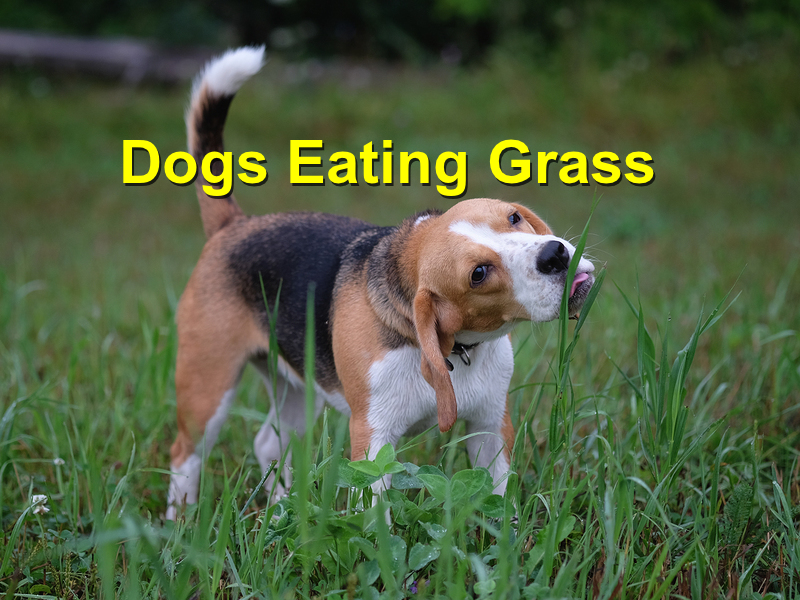
    Dogs can be puzzling animals at times. As a dog owner, we would often see the dogs munch away on the grass in the yard or at the park. While this behavior still baffles researchers and pet parents alike, we sought to find out the truth behind why dogs eat grass. Here are possible reasons that can shed light on the possibilities as to why this happens.

    • Self-medication

    It is assumed that dogs would feed on grass as a remedy for their stomach upset. Particularly when not feeling well, dogs would induce vomiting to help them empty the contents of their stomachs. However, this remains mostly unconfirmed with a little over 20% of dogs showing vomiting after consuming grass.

    • Seeking nutrients

    Experts also attribute the grass-eating behavior to nutritional deficiencies. Unlike cats, dogs are not pure carnivores and would often munch on grass to gain nutrients the animal craves for, especially if it lacks in its diet. To curb this behavior, pet parents can opt to incorporate steamed pure vegetables such as spinach, broccoli or kales in their food.

    • Boredom or anxiety

    The lack of mental or physical stimulation is a significant challenge for dogs. Often when faced with no one to play within the yard, dogs might end up chewing grass out of boredom. Additionally, some dogs carry out this act to sniff scents and gather information on other animals within their territories.

    • Inherited Trait

    Another definitive reason that is up for debate is the assumption that Dogs inherited this grass eating trait from their progenitors in the wild, wolves, and foxes. These wild canines would eat the whole part of their herbivore preys including the stomach contents consisting of grass and plants. Over time, dogs acquired the taste for grass due to this ancestral diet.

    Is it a concern?

    Dogs are known to munch at practically everything they find and grass eating ranks as the least concern in the list. However, it is not advisable to encourage such behavior mainly if it involves manicured lawns containing herbicides, fertilizers, and pesticides. Apart from chemical poisoning, grass remains a haven for plenty of poisonous plants and parasite eggs, which can cause adverse effects to the pet. A last word of advice would be to watch out for frequent vomiting and excessive consumption of grass. Usually, this points out to signs of gastrointestinal issues that need a vet checkup for treatment.   

    Sources: Psychology TodayDogs NaturallyNew Scientist
    Copyright: Local Value

  • Kennel Cough

    Kennel Cough

    Kennel Cough: What every pet parent should know

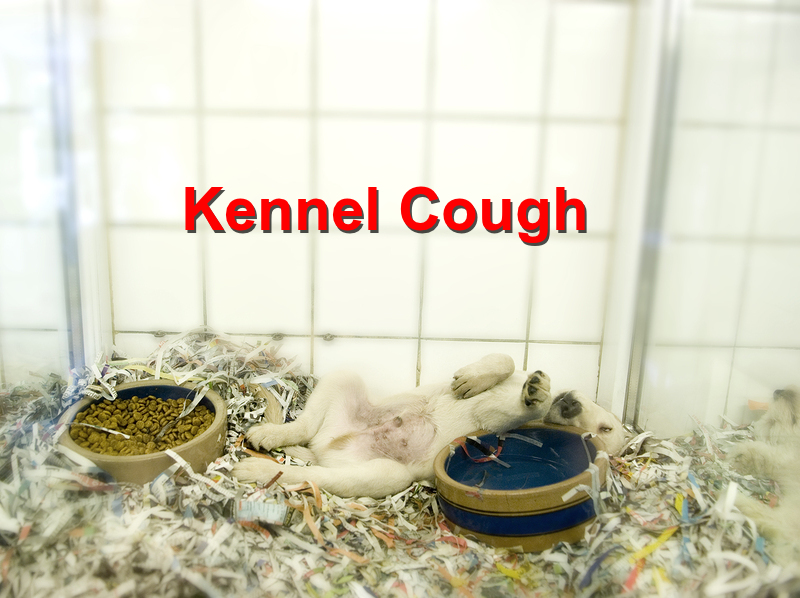
    As dog owners, we must agree that retching, coughing, and sneezing is a significant cause of concern. Notably, Kennel cough is credited as being responsible for causing the cough attacks in dogs even when the pets are healthy.
    Understanding Kennel Cough

    Kennel Cough, also identified as infectious tracheobronchitis is a highly contagious dog disease that affects the canine’s upper respiratory. Research attributes a group of specific bacteria and viruses as the responsible causative agents known to be accountable for the Kennel Cough complex. These agents include.

    • Canine Adenovirus

    The Canine Adenovirus is a highly contagious virus that principally characterizes itself through bronchitis and bronchiolitis. In extremely infectious cases, Canine Adenovirus can lead to the pet’s pneumonia.

    1. Bordetella bronchiseptica

    A pathogen associated with respiratory diseases such as infectious bronchitis and whooping cough in dogs. The bacterium is also known to infect rabbits, cats and in some rare cases, even humans.

    1. Canine Influenza Virus

    This highly infectious virus is known to spread through nasal secretions, contaminated dog items (collars, bowls) and direct contact with infected canines.

    Symptoms and treatment

    The first pointer to Kennel Cough would probably be a dry, hacking cough that produces no fluid. Extremely developed symptoms of Kennel Cough would see the dog cough up white foamy phlegm during the gagging. Some dogs would also exhibit fever, snorting and nasal discharge.

    On matters treatment, Kennel Cough remains similar to the common cold. If left untreated, the Kennel Cough condition is known to run its course in 10 to 21 days, depending on the dog’s immunity.

    However, the coughing can progress past these three weeks for young puppies, sick animals, and geriatric dogs. Such a scenario will need any responsible pet parent to make a trip to the veterinarian. The vet would recommend treating the Kennel cough with antibiotics and vaccines. Some of the prescribed round of medicines to help treat Kennel Cough include Baytril, Clavamox, and Doxycycline.  

    What next?

    Areas such as dog shelters, rescue centers, pet stores or doggie daycare are conducive environments that spread Kennel Cough between animals. Visiting dog parks, engaging with other dogs or living with multiple pets is also another way Kennel Cough could become prevalent in a place. Take caution to ensure whenever taking your dog around these places. Frequent visits could lead expose your canine friend to a Kennel Cough infection that can grow into a serious health issue.

    Sources:

    Web MDAKCPetairapy


  • Separation anxiety

    Separation anxiety

    Ideas on handling the canine disorder

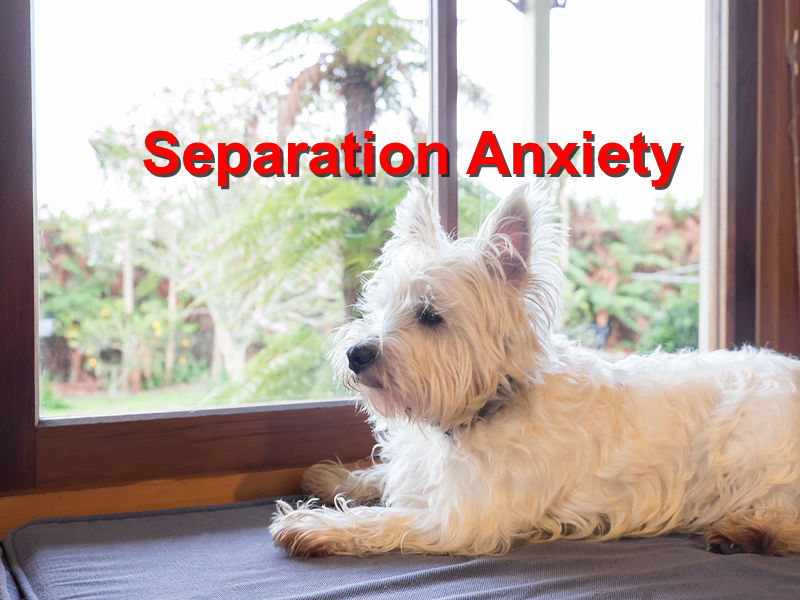
    To begin with, separation anxiety is the problematic or distressing behavior exhibited by dogs whenever we leave them. As a pet owner, we would often witness characteristics of this disorder through symptoms that range from panting, whining, and barking to even destructive scratching. In typical situations, the pet may end up defecating around the house also though its potty training. Such situation portrays an advancing separation anxiety condition.

    However, as any pet owner, we should understand that to an extent the separation anxiety happens in two forms: simulated and true dog separation anxiety. The former happens to manifests whenever the dogs learn of bad behavior that will quickly get them reprimanded by their owners. True separation anxiety, on the other hand, exhibits real stress on the dog to the extent of the bad behavior.

    Preventive measures

    Likewise, learning the background to dog separation anxiety would not be entirely fulfilled without a look at the best approaches to handling the condition. Severe cases of dog separation anxiety can explore the following remedies

    • Discipline training

    Dog separation anxiety would not profess in dogs trained well since the beginning as pups. Therefore this makes it essential for any pet dog owner, whether a puppy or a full-grown pug incorporates therapy on patience, calmness, and reward.

    1. Crate training

    Crating is another preventive option that is quite controversial in that considers it’s dangerous for dog separation anxiety. The scenario involves making the dog familiar with living in a crate for extended stays to create a sense of security with the container whenever you are away.

    1. Encourage independence

    As pet owners, we are perhaps the largest culprits in encouraging dog separation anxiety due to the unwarranted and often excessive affection. Teaching independence is best effective if it involves educating the pug to sit, sleep, lie down or play with toys while you are moving out of sight for extended periods.

    1. Medications and supplements

    Also available are veterinarian prescribed drug regimen to treat the dog anxiety and stress condition. Keep in mind, that before implementing this decision it is imperative to consult the local veterinarian.

    Bottom line

    The critical aspect to remember is that pet dogs can become distressed whenever their handlers leave them alone. However, as responsible pet owners, it remains best to leave our dogs in a stable mental and emotional state whenever we seek to retreat from the house.  

    SOURCES: VetFolioNIHDog PsychologistLabrador TrainingPet MD

  • Valentine and Pets

    Valentine and Pets

    Treat your dog to these beautiful ideas this holiday

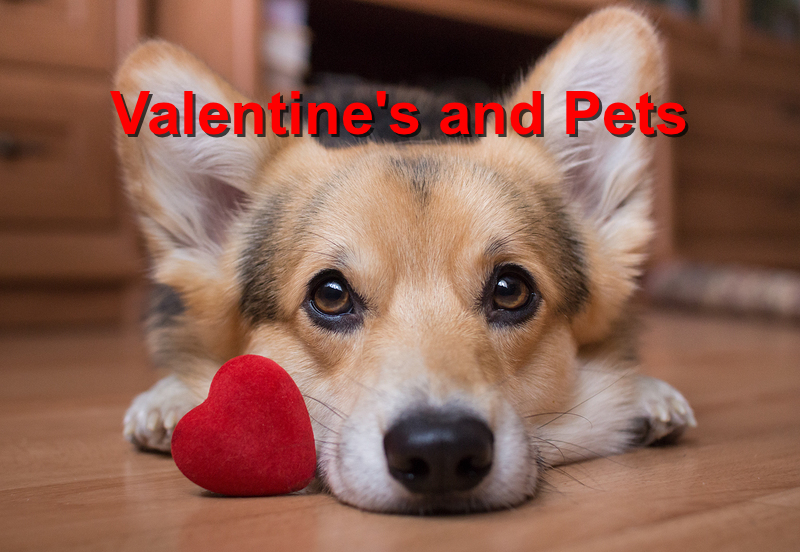
    Since Valentine’s Day is a Hallmark holiday, it’s always nice to set the ball rolling with some creativity involving your four-legged friends. And with the day soon to be at your doorstep, it’s good to make it worthwhile for you and your pet dog through the following great ideas. Below are tips on how you could potentially wag your dog’s tail with on the lovely Valentine’s Day.

    • Personalized grooming

    A Valentine’s Day grooming and pampering session would speak volume on behalf of our love for pets. Besides getting the regular haircut, you can advance further by introducing a Valentine’s Day collar, leash or outfits and make the pet much happier and pleasing to be around.

    1. Fill with special treats

    Special treats for the Valentine’s Day would have involved taking the dog to the local dog boutique for a fun day of treats in every imaginable form. Ensure you monitor how much the dog eats.

    1. Take time and play

    At times, we often overlook that our pets only want us to engage with us during our time. As such, the Valentine’s Day holiday makes up the perfect time to get down and enjoy playing with our pets. Get running with a tug on, throw a Frisbee or even play hide and seek. The best part is for the dog to feel honored in spending time with you.

    1. Go on an adventure

    Dogs love walks in nature and giving them the opportunity to walk somewhere they have never been before, gives them a great sense of satisfaction. Places like parks, beaches, or nature reserves are great options when looking to bond with your pet on Valentine’s Day. Just be sure to keep an eye out for them or better yet have them on a leash.

    1. Get the class act

    And perhaps the ultimate pampering for your dog this special Valentine’s Day would be to make use of a doggie massage as a way to bond. We all know how a good massage feels, and your pet will love one. Besides, it’s quite beneficial to their general body health.
    Overall, Valentine’s Day is a great day, to sum up, your love for your pooch. There are plenty of great ideas, and it all depends on what you feel is right with your dog. So, you can still go ahead and use your thoughts as you best see fit.

    SOURCES: LifezetteRoverNational GeographicPet Wave

  • Nutrition

    Nutrition

    Knowing how much to feed your pooch

    As dog owners, we often are left with the painful duty of determining exactly how many our pet dogs get to eat. Unknowingly, most of us would develop the bad habit of overfeeding pets into being obese. Since there is no such thing as the perfect amount, our insight article gets to assist you with the basics of determining the best amount to keep your pet satisfied.

    Deciding how to feed the pet

    An ideal task for any pet owner is always to guarantee their pet dog the right amount of food. The problem often lies in actually identifying and materializing this goal. Here’s a sprinkle of knowledge on the vital aspects to consider next time.

    • Size of the dog

    The size of your Pug is perhaps the first factor in determining the amount to feed. Fortunately, there are pet foods that bear a guide on feeding the different dog sizes: small, medium or large. However, when the dog gains weight, it’s still wise to check and consider a reduction.

    • Daily activity

    Dogs with high energy will need a high amount of food to counter their activity levels. Working dogs, for example, guide or military dogs make up as active animals that will need to feed more calories compared to their less-active counterparts.

    • Dog’s age

    Another factor often overlooked is that nutrition depends on the dog’s stage of life regarding other elements. For instance, puppies may end up needing high protein or calorie diet since they are growing. Adult dogs would also need a balanced intake of fats, carbohydrates, and proteins. For seniors, the diet would comprise a number of specific food products with immune boosters to help with their health.

    • Health conditions

    If your dog happens to have any health condition, there is a necessity to change his or her nutritional needs. Your vet would come in handy by checking the dog first and ascertaining how much food the animal needs. You could be making your beloved canine obese and worsen their condition.

    Making the right steps

    Any responsible dog owner would find out that knowing how much dog food to feed your pet is much comfortable than thought. It’s all being sensible, asking the right question and not overdoing it. Overall, common sense should prevail, and as pet owners, we should realize that how much you feed your dog is a significant factor in their health and wellbeing.

    SOURCES: Whole DogSpruce PetsCare 2Dog Time


  • Dalmatians

    Dalmatians

    Dalmatians: 7 surprising facts about the dog breed

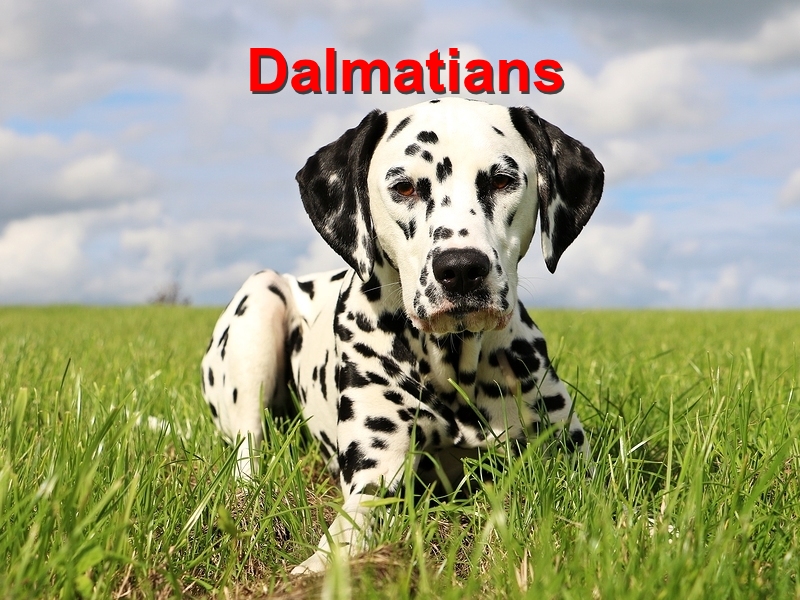
    As the only pure spotted dog breed, Dalmatians are creatures full of fascination. But how much do you really about the firehouse mascot made famous through the Disney movie? Here’s are fascinating facts about the unusual dog breed.

    • General attributes
    • Height- Males=20-23 in.

     Female=19-22 in.

    • Weight- 45-70 lbs.
    • Coat- Short, flat white background with black spots
    • Classification- Non-sporting (AKC), Companion Dog(UKC)
    • Life expectancy- 12-14 years
    1. The breed origins are still unknown

    Original, the Dalmatian dog was believed to have been imported to the UK in the 18th Century through Dalmatia- a region to the east of the Adriatic Sea in Croatia. However, the ancestry of the dog breed seems to go further in history with Egyptian tomb murals showing a Dalmatian-like hound with spots all over its body. Still, the dotted appearance in history makes the origins of the Dalmatian a matter of intrigue for all of us.

    1. Dalmatians are born all white

    Perhaps most surprisingly Dalmatian puppies are all white at birth. The spots will only start appearing after the pup is 14 days old. Depending on the dog, Dalmatians should expect to develop either black, deep brown, dark blue, tri-colored or with lime-colored.


    1. They are quite energetic

    Dalmatians are also known to be active dogs with different occupations in history. If the dog does not get its exercise and playtime, a Dalmatian can end up becoming rambunctious and bored, leading to destructive behavior such as excessive barking or destructive chewing. Therefore, pet parents to Dalmatians should always keep the animal in check with regular exercise and avoid the potential of the dog making a shamble of the house or yard.

    1. Serious health problems

    Several health conditions also plague the breed. For instance, 30% of Dalmatian dogs are born deaf and genetic testing is necessary to establish this in puppies. The breed’s unusual urinary system is also prone to urinary stones that can be life-threatening especially for male Dalmatians. Skin allergies are another condition persistent with having these great canines.

    Adopting a Dalmatian

    Unfortunately, the Disney movie did not do Dalmatians any justice since it has become a fad dog breed. Anyone looking for a perfect Dalmatian would need to shop carefully through the breeders, kennel clubs or rescue centers with the dog breed up for sale or adoption. Be sure to confirm that the Dalmatian is not a cross breed with erratic behavior.

    SOURCES: Live ScienceRetriever ManDVM 360Psychology Today

    COPYRIGHT: Local Value

  • Pet Ownership Rising

    Pet Ownership Rising

    According to Latest Studies – Pet Ownership Rising 

    There is a significant rise in pet ownership across the US. Dogs make up the highest percentage of pets while huge gains are being seen across less conventional pets such as lizards and poultry. These results were showcased in after recent studies into pet ownership by the AVMA. The comprehensive AVMA report is a critical source of data for pet practices and also for driving conversations regarding the essential need for veterinarians in the country.

    The Pet Ownership Numbers in Detail

    The numbers show that nearly 57% of all American households owned pets in 2016, with cats and dogs being the most common choices of pets. Most significantly, the dog ownership rate was at its highest level ever since the first AVMA study in 1982. Dogs accounted for 38% of the pets in households across the nation, while cats followed closely behind at 25%.

    The data also shows that other exotic kinds of pets were becoming more popular in the country. More households now own specialty pets like rabbits, gerbils, ferrets, fish, snakes, livestock, poultry, lizards, guinea pigs, hamsters, and others. Over 13% of America households had an exotic pet in 2016, representing a significant 25% rise from 2011. Furthermore, poultry pet ownership climbed by 23% over the last five years.

    Which States Had the Most Pets?

    The ownership of pets was found to be highest in predominantly rural states, while urban states had the least percentages. The top ten states with a high rate of American households with pets were the following:

    •    65%: Colorado
    •    65%: Oklahoma
    •    65: Mississippi
    •    69%: Arkansas
    •    69%: Indiana
    •    70%: Idaho
    •    70%: Vermont
    •    70%: Nebraska
    •    71%: West Virginia
    •    72%: Wyoming

    Which States Had the Least Pets?

    Here are the ten states that had the least percentage of households that owned pets:

    •    52%: New Hampshire
    •    51%: Georgia
    •    50%: Connecticut
    •    50%: New York
    •    49%: Massachusetts
    •    49%: Illinois
    •    49%: Maryland
    •    47%: New Jersey
    •    46%: South Dakota
    •    45%: Rhode Island

    Data about Veterinarian Visits

    The AVMA report also considers veterinarian visits, their occurrences, and critical circumstances. The survey results showed that those who owned dogs were the most likely people to get veterinary assistance as compared to other pet owners. In 2016, an average of three visits was made by dog-owning clients whereas cat owners came behind with 2.4 trips.

    Conclusion

    As mentioned earlier, this AVMA report is an informative and fascinating document that showcases the pet ownership sector in the country. By examining and evaluating these trends, veterinarians and pet owners can be able to safeguard the welfare and health of all pets.

    References: AVMAPet Product News

    Copyright: Local Value