Category: Puppy

  • Dog Preventative Care

    Dog Preventative Care

    Dog Preventative Care Tips

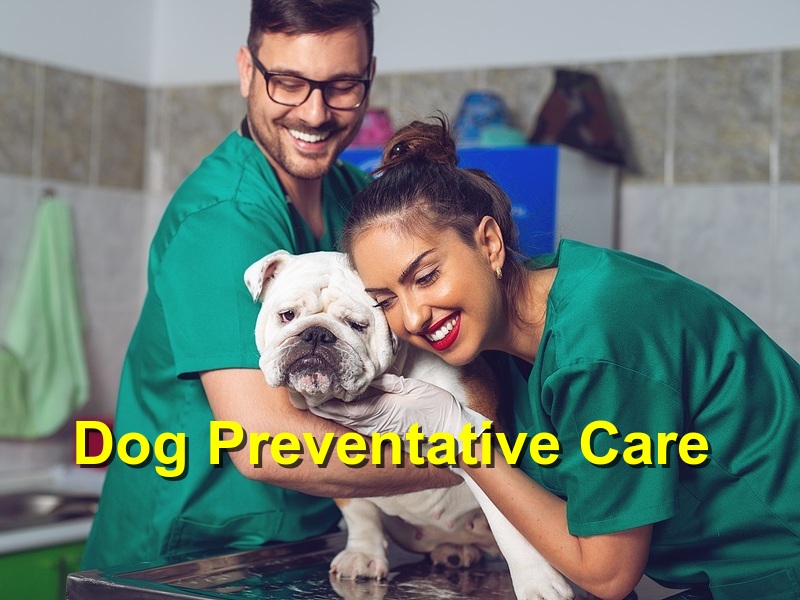
    Dogs should visit the veterinary on an annual basis for checkup. However, some dogs may require frequent visits. Essentially, a dog’s individual needs will determine the frequency of visits. Prevention is better than cure and hence avoiding the risk of illnesses is better than seeking treatment. So let’s discuss how you can keep diseases at bay.

    How frequent should your dog visit the vet?

    Since dogs normally age faster than humans, it is advisable to take them to the vet regularly. A dog’s calendar year is equal to about 4 – 10 human years easily depending on the breed and how dogs mature. As dogs have a rapid aging process, preventive health care is more important than ever before.

    Preventive health care stipulations

    An elaborate preventive health care plan typically revolves around the integration of scheduled exams to maintain the dog’s optimum health levels. And to create a standard wellness plan, the American Animal Hospital Association (AAHA) gathered pertinent medical information from other pet specialty organizations and formulated guidelines in regards to preventive health care for dogs and cats.

    Why these recommendations are important

    Here’s an outline of some of the recommendations formulated by AAHA for preventive health care for dogs.

    History – Your dog’s general home life can give the vet a good idea of whether his overall health is optimum. For example, you may not be able to explain your dog’s change in demeanor until the vet asks you a few questions. 

    Does the dog ever experience shortness of breath? Does he have any problem when urinating? Or does he drink plenty of water? Your answers will help your vet recommend an appropriate coarse of action that will enhance your dog’s overall health.

    Examinations – Healthy dogs should also be examined annually by the vet. But if the dog has pre-existing medical conditions, frequent visits might be necessary. Comprehensive physical exams are helpful and can detect abdominal tumors, heart murmurs, skin tumors, enlarged lymph nodes, or shrunken liver, or kidneys that might instigate systemic disease.

    Treating dog disease

    Of course, since dogs lack the ability to communicate, the vet cannot ask them what is ailing them. And dogs typically have innate survival instincts that make them hide illness to avoid appearing vulnerable or weak to predators. Therefore, after thorough physical examination including urine and blood tests, the vet will know your dog’s overall health. And early diagnosis will make treatment more easier and less costly.

    Conclusion 

    To ensure you dog lives a healthier and longer life, you should observe all the guidelines mentioned above. Take your dog to the vet at least twice a year for check up to prevent the onset of diseases.

    References: VCA Hospitals, Apah24, Pet Health Network

    Copyright: Local Value

  • German Shorthaired Pointers

    German Shorthaired Pointers

    German Shorthaired Pointer 

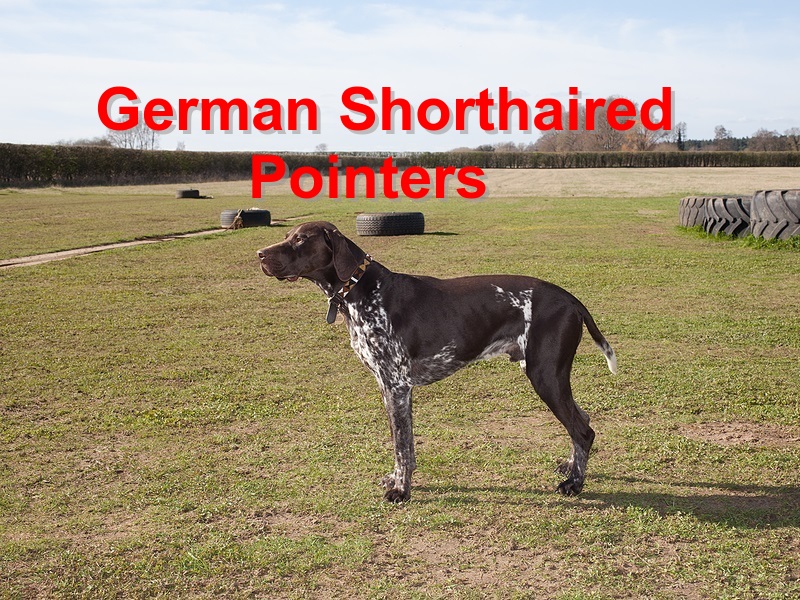
    This sporting German dog breed is an excellent hunter that retrieves prey from water or land, and is a great companion as well. They have an attractive, easy-to-care coat and they need regular exercise to eliminate pent up energy.

    If you ensure it gets the right physical and mental challenges it craves, it will become your trusted friend. But without enough space to exercise and play, it can easily get bored and become destructive around the home.

    Breed Characteristics

    This stylish sporting dog breed is an excellent family companion and is an ideal partner when hunting. It can hunt both furred and feathered game and can trail deer as well. When the sun sets, he is playful indoors or might choose to sleep near the sofa. If you don’t hunt, this dog breed can jog or hike with you.

    Generally smaller than most dog breeds, the German Shorthaired Pointer features an attractive chiseled head and dark eyes. It has a large nose and is intelligent and striking good-humored demeanor. The ears are broad and dropped. And the tail is docked while the coat is dense and may be white or solid liver.

    Energetic and playful

    This intelligent, energetic dog is both enthusiastic at play and work. As a great companion, it is friendly around children but might be quite rough for the little ones. And due to its vibrant personality, it easily becomes unhappy and irritable when left alone for extended periods. Regular exercise and companionship is recommended to prevent destructive behavior.

    Plenty of exercise is recommended 

    Males are usually more aggressive and outgoing than females. But generally, this breed usually needs plenty of exercise. A two hour walk on a daily basis is sufficient. With a water-resistant coat, this dog enjoys swimming occasionally. 

    Care

    This dog breed isn’t recommended for those living in apartments. It is more suited to those who live in an area with plenty of space. Remember that this breed has a lot of stamina and energy, thereby require plenty of space to play and exercise. When they don’t get enough play time, they easily become destructive.

    Health

    While this dog breed is generally healthy like other breeds, they are vulnerable to specific health conditions. Therefore, it is advisable to take your dog to the vet for check up at least once a month.

    Conclusion

    If you notice your dog is stressed, lethargic or depressed, you should visit the vet as soon as possible to ensure the dog receives an appropriate treatment.

    References: Dog Time, Hills Pet, AKC

    Copyright: Local Value


    https://www.hillspet.com/dog-care/dog-breeds/german-shorthaired-pointer

    https://www.akc.org/expert-advice/lifestyle/10-things-only-a-german-shorthaired-pointer-owner-would-understand/

  • Camping with your Dog

    Camping with your Dog

    Is It Possible To Camp Safely With Your Dog?

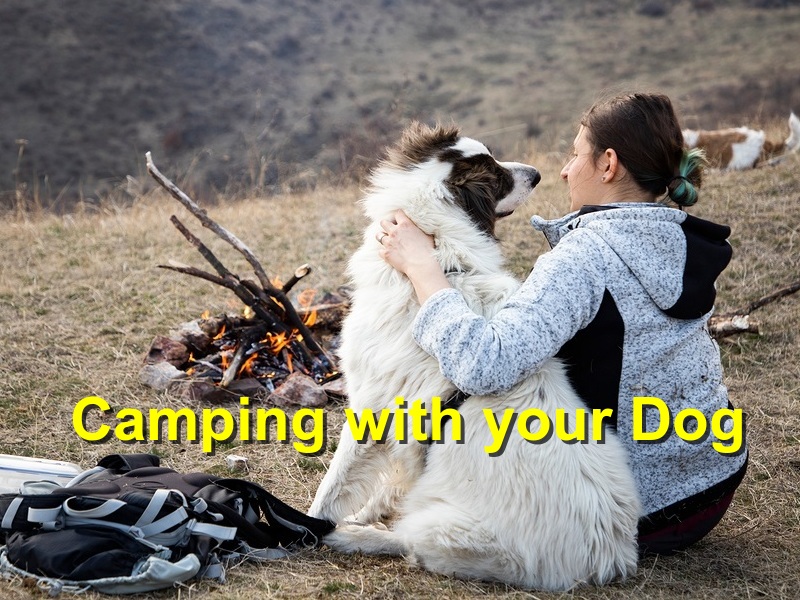
    Dogs love adventure and you can definitely take them with you for camping. They enjoy playing outdoors as this gives them an opportunity to explore nature. However, before you decide to take your dog with you camping, you need to keep a few things in mind. Let’s discuss some of the things you need to consider to make your camping eventful.

    Consult your veterinarian

    You need to take your dog to an accredited vet to determine fitness levels as this is important for spirited hiking and other outdoor activities. The vet will analyze your dog’s overall health and inject the vaccinations, as well as preventive medications required for camping, which includes tick, flea and heartworm prevention.

    Besides ensuring your dog is fully accessed by the vet, you also need to pack a few basic pet medications as you prepare your camping trip. You can consider installing a microchip on your pet for easy identification if you are accidentally separated.

    Pack all the essential canine necessities

    Remember to carry with you all the basic essentials, including bowls, water, food, waste bags, and airtight containers. Dry kibble is an excellent option than carrying canned food, which often needs proper refrigeration after it’s opened. 

    Store your pet snacks and food in airtight, waterproof containers to prevent attracting rodents. And never leave traces of food out in the open after your pet has finished eating. Keep your camping ground as clean as possible and remove all the waste.

    Confinement options may come in handy

    Besides carrying a sturdy harness or collar and identification tags, you should also pack a stake and tether. Confine your dog securely and safely inside the crate if you want to prevent them from roaming aimlessly in the wildlife. A curious puppy can easy tear apart your camping tent when it smells or hears a fascinating critter.

    On the other hand, it can be easily lured astray by a stranger. While most pest listen to instructions at home, that training might not really work when camping due to high excitement levels.

    Stock up on your entertainment essentials

    To prevent your dog from making unnecessary noise when camping outdoors, bring distractions like toys filled with treats, food puzzles, or chew bones. These distractions will prevent your dog from becoming restless.

    Conclusion 

    While camping outdoors with your dog is adventurous and fulfilling, you should always remember to pack a first aid kid. But in the event your dog accidentally gets injured, you should visit the vet immediately.

    References: AAHA, KOA, ROVER

    Copyright: Local Value

  • Boxers

    Boxers

    Characteristic Of Boxers

    Key Characteristics

    Boxers have well-developed muscles with chiseled heads. Additionally, they have unique coat appearance that covers their toned muscles. Studies also show that they have the longest tongue as compared to most dog breeds.

    They have brown eyes with docked tails. However, this practice is now seen as unnecessary and cruel. Their coat often come in white, black, brindle or fawn. 

    Where do they come from

    This dog breed originated from Europe back in the early 16th century. And the earliest ancestor boxer breed was a popular fighting dog that originated from Tibet. Most people believe that boxers are closely related to terriers and bulldogs.

    While they were initially used for bull baiting and dogfighting activities, those practices have now been outlawed. Hunters also used boxers for hunting purposes, where they pinned down large preys awaiting for the hunters.

    This dog breed was later refined in the 19 century in Germany and was recognized by The American Kennel Club in 1904. The breed become popular in 1930’s but in limited numbers.

    Are they friendly?

    Boxers are affectionate and patient with adults and children. Furthermore, they are courageous, fearless and protective, and these desirable qualities make the breed an excellent choice if you are considering getting a dog.

    They are easy to train and are quite intelligent. They are playful and energetic dogs with a curiosity to learn new things. When properly socialized, this breed can live well with other pets. However, you should never leave them alone with small pets.

    Should you get a boxer?

    While boxers are extremely active indoors, they can do well in residential areas and apartments. They need a brisk walk regularly to help eliminate pent up energy. They are sensitive to extreme temperature changes (both cold and hot).

    To ensure they are always happy, this dog requires a lot of playtime. You can’t leave your Boxer outdoors and then leave them to play alone. Remember that boxers that aren’t socialized properly or trained to expel pent up energy are often likely to become difficult and stubborn.

    Grooming Needs

    Boxers have low grooming needs and weekly brushing might be sufficient. You should bathe the boxer once in a while and apply natural oils on its coat. Also remember to clip the nails regularly and clean their ears, too.

    Conclusion

    If your boxer has any health condition, it is always advisable to visit the vet immediately to prevent the condition from worsening.

    References: Petful, AKC, Dog Time

    Copyright: Local Value

  • Canine Distemper

    Canine Distemper

    Canine Distemper: Recognize the symptoms and getting help 

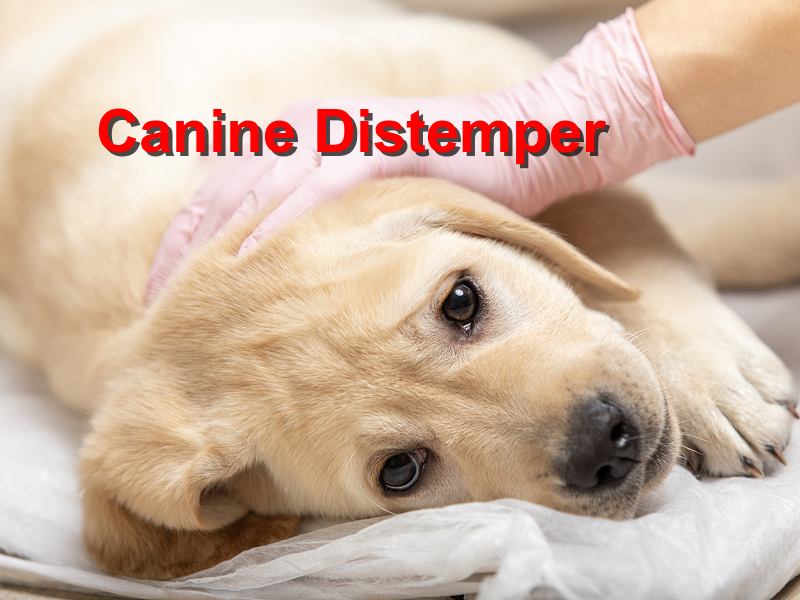
    Canine distemper is an infectious viral disease that affects domestic dogs, cats, and a wide variety of wild canine species.

    In particular, canine distemper is known to affect the immune, gastrointestinal and respiratory systems of the animal with often fatal consequences.
    How do you spot canine distemper symptoms?

    At the start of 10-14 days, the most common symptoms to watch out for include:

    • Inflammation

    Infected cats or dogs develop eyes and noses with watery or pus-like discharge.

    • Respiratory conditions

    Coughing, and shortness of breath like kennel cough

    • Immuno-suppression

    The dog or cat will appear lethargic with a loss of appetite present.

    • “Hard Pad” disease

    If the viral infection matures, dogs can exhibit signs of hardening on the paws and nose.

    • Neurological disorders

    Secondary bacterial infecting of canine distemper is known to cause severe neurological disorders. In such cases, loss of consciousness, seizures, and paralysis can happen as advanced symptoms.

    Is canine distemper preventable?

    The virus responsible “paramyxovirus” can end up as a widespread infection among dogs and cats through the following ways

    • Direct contact with infected pets or wildlife
    • Airborne exposure to contaminated object or animals
    • Transmission through pet body fluid such as saliva, feces, urine, and respiratory secretions

    Sadly, there is no cure for canine distemper, and the only best option is getting to prevent it. Vaccines are the best bet to counter potential cases of canine distemper in your furry friend.

    Besides, you can also opt for the following preventable measures.

    • Avoid missing any of the immunizations scheduled for canine distemper or other viral diseases
    • Increase the immunization check for your pets, especially young puppies under six months since they are at most risk.
    • Control your pet’s movement and contact with wildlife
    • Ensure you check on your dogs socializing rate at parks to prevent contact with infected dogs
    • Pet owners with ferrets or other types of pet canines should get USDA-approved vaccines to prevent canine distemper

    Can a dog recover from canine distemper?

    With the right diagnosis, veterinarians can identify clinical signs of canine distemper and approve lab testing of antibodies. While there is no cure, such early diagnosis and treatment consisting of supportive care can save your dog.

    Unfortunately, dogs, once infected with canine distemper, can never fully recover. Neurological conditions such as mental and motor deterioration can be lasting signs throughout your pet’s lifespan.

    Reference: Merckvetmanual, AKC, ncbi.nlm.nih.gov, cwhl.vet.cornell.eduaphis.usda.gov, ncbi.nlm.nih.gov

    Copyright: Local Value

  • Runaway Dog

    Runaway Dog


    How to stop your dog from running away: Taming escape artist pet dogs


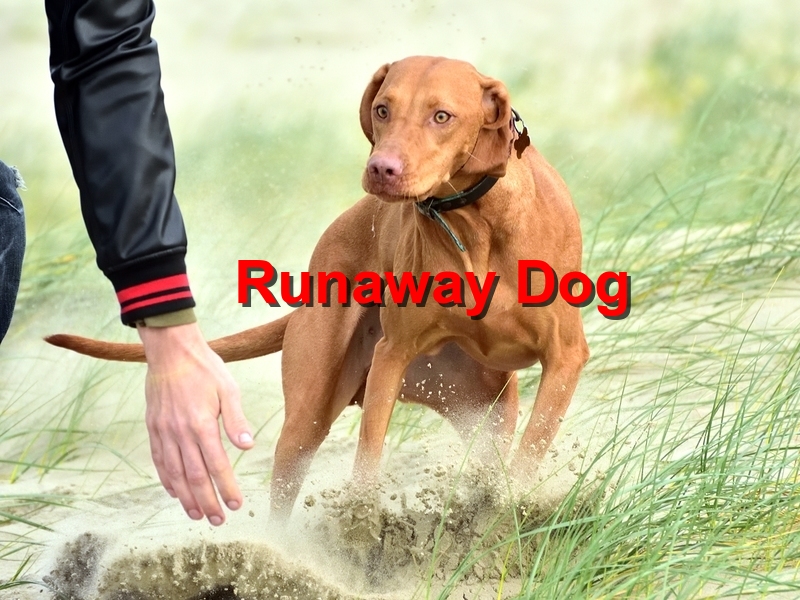
    According to the American Humane Society, 10 million pets are lost annually in the United States. Unfortunately, for pets, especially dogs, they never ask too many questions and pick up and run whenever they see fit. If this sounds like your case, we recommend you read on and learn how to stop your dog from running away. 

    Why do dogs keep running away? 

    As dog owners, we often fail to realize that dogs are instinctual animals. They react to the first behavioral mood they have in place. So, what are some of these moods?

    Becoming bored

    Believe it or not, dogs have had a long intertwined history with humans. This means, like humans; they too can get bored pretty quickly especially spending all their time in one place. 

    Seeking out a mate

    Dogs are social animals, and it is not a surprise to see your young pug run away after a damsel pug from the neighborhood. 

    A habit

    If you notice that your dog tends to run away, there is a good chance it’s not the first time. Remember, dogs are pretty much instinctual animals, and once they learn something, it tends to stick. 

    Anxiety or fear

    Have you changed houses recently? Or have extreme noises around your home? Perhaps a gunshot range or a single party with firecrackers? 

    All these are well-known sources of anxiety and fear in dogs and can cause them to take off immediately. 

    How to stop your dog from running away 

    Rather than keep experiencing the heartbreak of your pug running away, here are tips to try out for a change in behavior.

    • Start by finding out why your dog keeps running away 
    • Plenty of exercise activities such as runs or walks will keep them occupied
    • Tighten your home or backyard security with wooden fences or chicken wire
    • Have toys around to help with stimulating the dog to play 
    • Others opt to get their dogs spayed or neutered to prevent mate roaming depending on their perspectives
    • Obedience training at an early age is the best bet to avoid any running away. Teach them basic commands to keep them calm 
    • Always have your dog on a collar or leash whenever there are signs of running away triggers

    Getting to stop your dog from running away is no easy task. Lucky enough these above tips will ensure you are on the safe side. 

    References: Americanhumane, NCBI, NCBI, Sciencedirect

    Copyright: Local Value


  • Rottweilers

    Rottweilers

    Learn More About Rottweilers

    1. Key characteristics

    This dog has a short, black coat with rust or mahogany markings. Rottweilers belong to the AKC working group and have a life expectancy of 9-10 years. Males weigh between 90 to 135 pounds while females weigh between 80 to 100 pounds. 

    2. Where do Rottweilers originate from?

    This dog breed traces its origin in ancient Rome and earliest evidence show that these ancestor dogs trace back their origin to 74 A.D. Rottweilers drastically declined and went almost extinct around 1800s.  

    A club was later formed in early 1901 to act as a representative of the Rottweiler dog breed. The dog breed was considered a go-to-protective dog by the police in the 1900s. This immensely improved their numbers and they were recognized by the American Kennel Club (AKC) in 1931. However, Rottweilers were subjected to specific legislations that now focus on the multiple variations of Bull Terrier dog breeds.

    3. Are they friendly?

    Despite being protective and intelligent, Rottweilers are loyal and trainable. Their even-calm disposition means they are generally friendly, but are quite courageous as well. Rottweilers are said to be so fierce that sometimes they might appear somewhat immune to pain. Nonetheless, socialization and training should start immediately. Rottweilers that are properly socialized will have leadership traits and hence will be a great companion for kids and other pets. 

    Rottweilers can generally help to keep strangers away from your home. Unfortunately, some insurance companies consider these dogs a dangerous breed. Therefore, you need to consult your insurer before you adopt this breed to ensure your insurance firm will not cancel the coverage.

    4. Is this dog breed right for you?

    This dog breed is very active and hence requires high exercise needs. It thrives well on regular exercise and jogs or daily walks will help to expel energy and keep them in shape. Retrieving and swimming are fun workouts that your dog might enjoy. Although they are inactive indoors, they do well in apartments provided they get plenty of exercise.

    5. Grooming Needs

    Their short, double coat might be vulnerable to regular shedding. Bathe and brush your Rottweiler weekly, and ensure you maintain their ears, teeth and nails regularly. While some people still perform tail docking, several countries have already banned this practice.

    6. Health problems

    Some of the common health problems connected to this breed include snoring, overeating, Entropion (eyelid problem), ACL injuries and Hip dysplasia.

    Conclusion

    If your Rottweiler shows any signs of sickness, you should consult a vet immediately to ensure the problem doesn’t worsen.

    References: Petful, Dog TimeAKC

    Copyright: Local Value

  • Leptospirosis

    Leptospirosis

    How to Deal With Leptospirosis 

    Leptospirosis is an illness that is caused by the Leptospira bacteria. This toxic bacteria is found in water and soil. The bacteria has multiple strains that often cause the onset of diseases. Leptospirosis is zoonotic and that means it can easily spread from pets to humans. People who are infected usually exhibit flu-like symptoms that may lead to kidney or liver disease.

    Common leptospirosis risk factors 

    Our furry friends are often at high risk of getting infected by the disease. The disease is rare in cats and its not known if the disease affects other animal species. Some of the risk factors that lead to leptospirosis in dogs include drinking from streams, lakes or rivers; roaming on properties that have been exposed to infected wildlife, water sources, or farm animals.

    Dogs that are infected by this disease develop a wound, scrap or cut on their skin when they come into direct contact with urine-contaminated water, soil, infected urine, bedding or food. They can also get infected when they are bit by an infected animal, or by eating sickly carcasses or tissues. While rare, the disease can be passed to puppies during birth.

    Symptoms of leptospirosis 

    Dogs usually have varying leptospirosis symptoms. However, some infected dogs might not show any symptoms of illness, while others show a transient and mild illness, and can recover fast. Others can develop severe illness that leads to death.

    Some of the common symptoms of leptospirosis might include jaundice, lethargy, inflammation of the eyes, diarrhea, vomiting, dehydration, increased thirst, reluctance to walk, muscle tenderness, shivering and fewer. The disease often leads to kidney failure if left untreated.

    In addition to causing breathing difficulty, the disease can also induce blood-tinged saliva, stool, urine or vomit. It can also lead to nosebleed and gum disease, as well as swollen legs when fluid accumulates in the abdomen or chest.

    Prevention and treatment

    The disease is regularly treated by use of antibiotics and proper supportive care. If treated early after detection, there are better chances of recovery but there might still be a risk of liver or kidney damage. Current vaccines that effectively delay the onset of leptospirosis can protect your dog for at least one year. However, dogs that are high risk should receive annual vaccination. 

    Conclusion

    If you suspect your dog is infected by this disease, it is advisable to consult the vet immediately to administer the proper antibiotics medication.

    References: AVMA, cdc.gov, cdc.gov

    Copyright: Local Value