Category: Kitten

  • Cats and Electrical Cords

    Cats and Electrical Cords

    Cats, Cord-chewing and How to Stop it

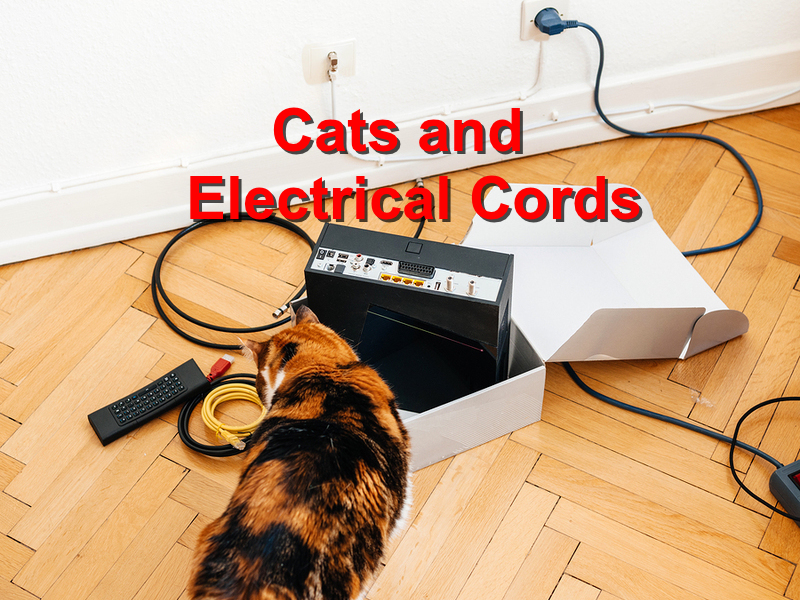
    If your feline is chewing on electrical cords, a variety of factors might be involved. For starters, it might be OCD or an issue related to the environment. Other factors such as irritation caused by a dental problem can also make your feline friend nibble on electrical cords. Whatever the reason, chewing electrical wires is dangerous to cats as it puts them at risk of electrocution. It can also lead to choking which can cause death if no-one is around to help the cat.

    Here are some symptoms of electrical injury in cats.

    Signs of electrical injury in cats

    The most common symptom of electrical injury in cats is burning around the animal’s mouth. If the hairs around the mouth or whiskers are singed, that might also be a sign of electrical injury. Other common signs of electrical injury in cats include coughing, tinged skin, difficulty in breathing, cracking sounds in the cat’s lungs when breathing, and abnormal breathing.

    If you see any of these symptoms in your cat contact us immediately for professional assistance.

    How to stop your pet from chewing cords

    Take them to a vet

    The first step towards stopping your cat from chewing electrical wires is noticing any unusual chewing behavior. Visit us so we can identify the real reason behind such behavior as well as any underlying health issues.

    Cover all cords

    Use PVC pipes to cover your electrical cables. Doing this means not only the cats are safe, but anybody else that might come into contact with an exposed wire in the house. If they still try to chew the pipes, make them less appealing by spraying them with pepper or hot sauce.

    Offer them an alternative

    If your cat is hell-bent on chewing wires, offer them something different such as cardboard. Dip the cardboard in water before giving it to your puppy then use the microwave to soften them further. Your cat might be gnawing on electrical cords as part of their teeth fall out process and can offer significant help.

    Conclusion

    If the methods above do not work, you can also try adding digestible fiber to your cat’s diet. It helps your cat reduce their chewing activity or even stop. Chewing electrical cords can also be a sign of anxiety. Relieve your cat’s stress by bringing them over for a therapy session while learning how to stop cable chewing altogether.

    Sources

    https://www.thesprucepets.com/cat-chewing-electrical-wires-554022

    http://www.pethealthnetwork.com/cat-health/cat-behavior/why-does-my-cat-chew-electrical-cords

    https://www.petmd.com/cat/conditions/cardiovascular/c_ct_electric_cord_bite 

  • Kitten Season

    Kitten Season

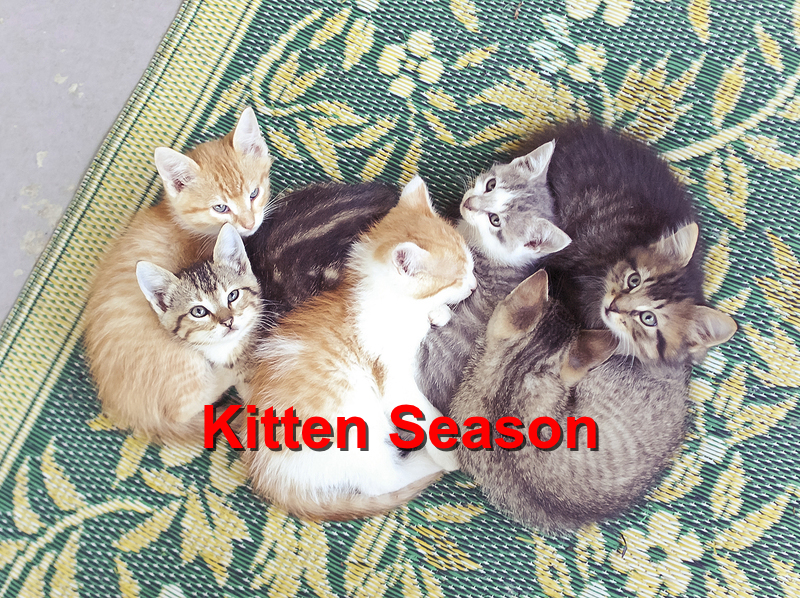
    Kitten Season is here! Learn about the cat breeding cycle

    Kitten season is here with us. And for cat lovers, it may be both an exciting or challenging phase especially if there is a mother cat around. But before we get to learn on what cat lovers get to experience, let’s get to understand what the term ‘Kitten Season’ entails.

    What is the Kitten Season?

    Kitten Season is the period that would see unaltered cats primarily goes into heat and mate. The warmer months from Match to October would have the ‘tomcat’ looking for love from around its area of dominance.  

    On the other hand, the female cats (Queens) would come into the Kitten Season as soon as they are just six months of age. This would continue until the queen is about nine years old. Coming into the Kitten Season, a female cat would enhance the seasonal polyestrous capabilities to allow it to have multiple pregnancies with different males.

    The mating and pregnancy

    The Queen is usually in charge of the coupling, and would often portray signs of being on heat. These signs would have our Miss Kitty make annoying shrill sounds, awful rubbing against anything or drag the hindquarters like in pain. This unfortunate behavior can go on for five days, to last more than a week. At times, the heat cycle can go to over 15 days, if the Queen has not found a mate. A ‘rest period’ of 2 to 14 days known as anestrus would take place before the female cat can resume the heat cycle and start mating once again.

    Once successful in attracting a suitor, the Queen would approach the tomcat and make only then would the male cat make courting attempts. The courtship routine would take several hours while the actual mating is just done in a few minutes. The result would see the Queen give birth to about 18 kittens, which is usually a litter of 4-8 produced after every 60 days.

    Dealing with a cat on heat

    Whatever the case, we still have to consider that the cycle can bring a challenge of kitten overpopulation. The most effective measure to prevent this would be to undertake a spay/neuter program when they are young to make a strong case of birth control. If the cat is already on heat, it would be wise to keep the cat in exercise, away from male cats and use sedative remedies to calm the heat.   

    Sources: SLUWisconsin UniversityAVMANIH


  • Whisker Stress

    Whisker Stress

    Whisker Stress: Coping with this Common cat health problem

    Cat whiskers are not there just for looks. The hair-like structures are pretty crucial to your cat’s lifestyle and health. Unfortunately, not many cat owners understand the role of these tactile hairs in the lives of their feline friend. If you happen to fall into this category, this article may pick your curiosity on correctly what role do whiskers play in the life of your cat.
    Understanding Whiskers Stress

    To understand this issue, we would first need to look at how cat whiskers exactly help felines in their day to day activities. Initially, whiskers are pretty much like the cat’s antennas since they help in interpreting the surroundings through the proprioceptors. That makes whiskers a sensitive part of the cat, to detect the slightest changes in temperature and air pressure in the surroundings.

    Likewise, whiskers are great navigation tool that cats often use to judge the area of space they may want to enter. If the whiskers happen to touch the sides, the cat will hesitate not going through since it indicates the path if not a perfect fit.

    Whisker stress or at times whisker fatigue may be a new controversial concept, but to an extent, it does hold to the possibility of such a condition. The idea is that cats have highly sensitive face antennas that are often stimulated during mealtimes, especially if it involves putting the face inside a bowl.

    Potentially, the cat would show the following signs next time it faces whisker stress from using the bowl

    • Pawing the food to eat from the floor
    • Pacing around the food or water bowl
    • Resisting food since it’s in a bowl

    Avoiding the state

    Fortunately, the fix for cat whiskers stress is quite simple. An easy step would be to first change the food and water bowls into bowls that take the span of the whiskers into account. In essence, the food and watering should be on a flat or mat-like plate. A shallow ceramic, metal or glass bowl can also work to see the symptoms dissipate.

    The possibility of other conditions

    Likewise, you would have to consider visiting the vet if you happen to overrule whisker stress. It is wise to remember that there are plenty of other health issues that can exhibit similar characteristics to whisker stress. Therefore, keep in mind checking up with your local vet can save your cat a lot of pain and discomfort.

    SOURCES: WSU, Science Daily, OK State, Cat Food Dispenser Reviews

    COPYRIGHT: Local Value


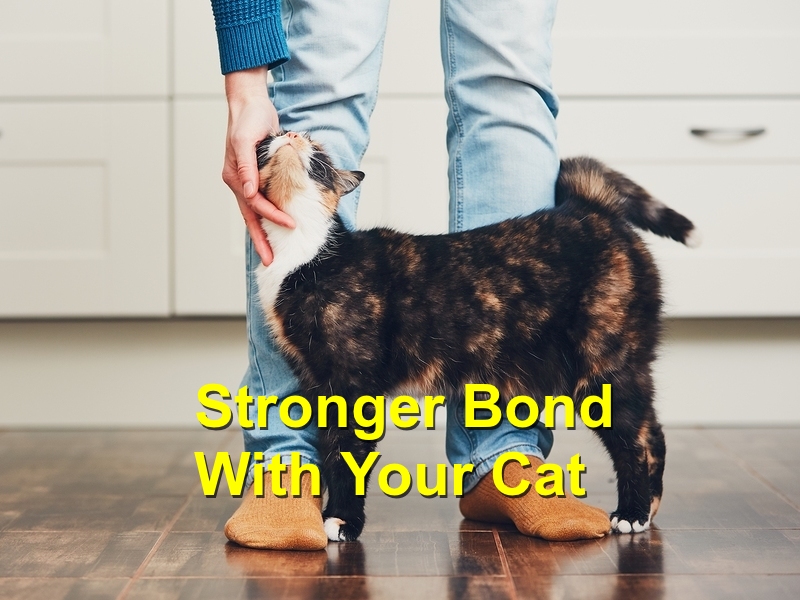
  • Stronger Bond With Your Cat

    Stronger Bond With Your Cat

    How to Develop a Stronger Bond with Your Cat

    It is about that time again to make resolutions to enhance your life in the New Year. Some of the typical decisions include stopping bad habits, eating healthier and joining a gym among others. However, you should also consider developing a stronger cat bond. Here are some practical guidelines for improving the relationship with your favorite pets:

    Set Time Aside For Your Pet

    It is easy for cat owners to ignore their pets, especially since they seem self-sufficient and a generally well-behaved. The reality is that there are so many distractions for owners, from TV shows and smartphones to household work that could stop you from spending quality time with your pet. The solution is to set some time aside every day to interact with your cat without getting distracted by anything.

    Find out Your Cat’s Desires

    The next step in strengthening the relationship with your cat is to understand what they love. Discover activities that the cat enjoys and incorporate that into the day. You should even add some play toys to the mix as they help in stimulating your cat’s need for chasing things. For example, using foraging toys can boost your cat’s inbuilt instincts.

    Train your Cat

    Training is not something you would typically associate with cats, as it is more often linked to obedience training in dogs. However, the reality is that cat training is an excellent way of building better communication between both of you. You only need a clicker along with some necessary information about cat training to get started. Start with natural behaviors like sitting up before moving to other complicated tricks.

    Listen to Your Cat

    Cats communicate every day, and most owners tend to overlook their vocalizations as either annoying or cute, without really thinking about the meaning behind the sounds. The other way of building stronger bonds is resolving to watch and hear what your cats are saying. That involves learning their daily routine and general behaviors, which is critical since most behavior changes signify poor health. You will also need to research more information about cat body language to ensure you understand what is going on.

    Plan a Regular Veterinary Visit

    Data from the AMVA shows that cat owners take their precious pets to see the veterinarian fewer times compared to dog owners. It is therefore likely that it has been a long while since you visited the vet. Remember cats require a regular physical examination every year, so ensure you plan for that.

    References: Pet Health Network, I Heart Cats

    Copyright: Local Value


  • Pet Ownership Rising

    Pet Ownership Rising

    According to Latest Studies – Pet Ownership Rising 

    There is a significant rise in pet ownership across the US. Dogs make up the highest percentage of pets while huge gains are being seen across less conventional pets such as lizards and poultry. These results were showcased in after recent studies into pet ownership by the AVMA. The comprehensive AVMA report is a critical source of data for pet practices and also for driving conversations regarding the essential need for veterinarians in the country.

    The Pet Ownership Numbers in Detail

    The numbers show that nearly 57% of all American households owned pets in 2016, with cats and dogs being the most common choices of pets. Most significantly, the dog ownership rate was at its highest level ever since the first AVMA study in 1982. Dogs accounted for 38% of the pets in households across the nation, while cats followed closely behind at 25%.

    The data also shows that other exotic kinds of pets were becoming more popular in the country. More households now own specialty pets like rabbits, gerbils, ferrets, fish, snakes, livestock, poultry, lizards, guinea pigs, hamsters, and others. Over 13% of America households had an exotic pet in 2016, representing a significant 25% rise from 2011. Furthermore, poultry pet ownership climbed by 23% over the last five years.

    Which States Had the Most Pets?

    The ownership of pets was found to be highest in predominantly rural states, while urban states had the least percentages. The top ten states with a high rate of American households with pets were the following:

    •    65%: Colorado
    •    65%: Oklahoma
    •    65: Mississippi
    •    69%: Arkansas
    •    69%: Indiana
    •    70%: Idaho
    •    70%: Vermont
    •    70%: Nebraska
    •    71%: West Virginia
    •    72%: Wyoming

    Which States Had the Least Pets?

    Here are the ten states that had the least percentage of households that owned pets:

    •    52%: New Hampshire
    •    51%: Georgia
    •    50%: Connecticut
    •    50%: New York
    •    49%: Massachusetts
    •    49%: Illinois
    •    49%: Maryland
    •    47%: New Jersey
    •    46%: South Dakota
    •    45%: Rhode Island

    Data about Veterinarian Visits

    The AVMA report also considers veterinarian visits, their occurrences, and critical circumstances. The survey results showed that those who owned dogs were the most likely people to get veterinary assistance as compared to other pet owners. In 2016, an average of three visits was made by dog-owning clients whereas cat owners came behind with 2.4 trips.

    Conclusion

    As mentioned earlier, this AVMA report is an informative and fascinating document that showcases the pet ownership sector in the country. By examining and evaluating these trends, veterinarians and pet owners can be able to safeguard the welfare and health of all pets.

    References: AVMAPet Product News

    Copyright: Local Value


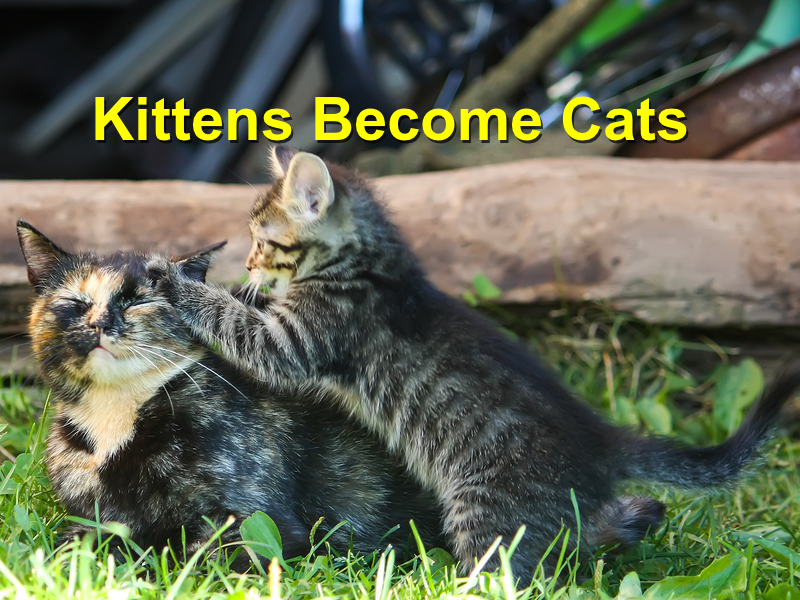
  • Kitten becoming Cat

    Kitten becoming Cat

    Things to Look Out For As Your Kitten Transitions to A Senior Cat

    Senior cats will require more care as compared to young kittens. Staying vigilant about their health and taking the senior cats for regular wellness testing and veterinary exams will help to keep your cat healthy even in old age. Since your cat is more vulnerable to diseases with age, your vigilance in checking their daily habits must be increased after seven years to ensure you can catch and prevent issues early before they develop further into more severe complications.

    What to look out for when observing a senior cat

    • Odd litter box behaviors

    • Weight loss or gain

    • Reduced mobility

    • Changes in behavior like sleeping and hiding away from family members

    Common diseases that affect senior cats

    • Osteoarthritis: It affects the joints and causes mobility issues.

    • Kidney disease: It is found in most senior cats, and it is categorized by lager urine clamps, weight loss, and inappetence.

    • Inflammatory bowel condition: The common symptoms here include weight loss, diarrhea, and vomiting.

    • Cognitive dysfunction: Nearly 80% of cats will develop cognitive dysfunction once they reach 15 years old.

    • Cancer: Oral, intestinal and mammary cancers are common in older cats

    • Hyperthyroidism: Increased vocalization, appetite, and weight loss are all hyperthyroidism symptoms in cats

    • Dental disease

    • Diabetes: As the cat adds more weight with age, they are more likely to develop diabetes.

    The significant role of your veterinarian

    To maintain proper health for your cat even in old age, you will need to take them for complete physical examinations twice per year once they reach seven years old. Consider that these biannual visits to the vet are similar to a human going for a checkup after every three or four years. Because cats love hiding their symptoms and usually have several health issues simultaneously, regularly wellness testing and exams will help to keep your senior cats healthy.

    Tips for keeping senior cats healthy

    • Ensure you meet all your senior cat’s needs: They should have enough food, water, social interactions, resting and an easily accessible litter box

    • Arrange regular visits to your veterinary: Once your cat reaches seven years, schedule biannual veterinarian visits.

    • Keep track of their weight: Regularly weigh your cat at home to track any sudden changes in their weight and report to your veterinarian

    • Observe your cat closely: Be more vigilant in observing your cat since any change may mean that something is wrong.

    • Healthy nutrition: Your vet will recommend the best diet for your senior cat, which includes small but several potions of canned foods and encouraging lots of water consumption.

    References: Pet MD, The Spruce Pets


  • Cat Training

    Cat Training

    Tips for Cat Training and Behavior

    For new pet parents, it might seem overwhelming to understand all the subtleties of your cat’s behavior. Luckily, there are easy ways that you can learn how to interpret your pet’s body language and communicate better with your cat. It includes learning what different vocalizations and body postures to avoid misinterpretation and miscommunication, which can compromise the human-pet bond. Here are some practical cat training tips.

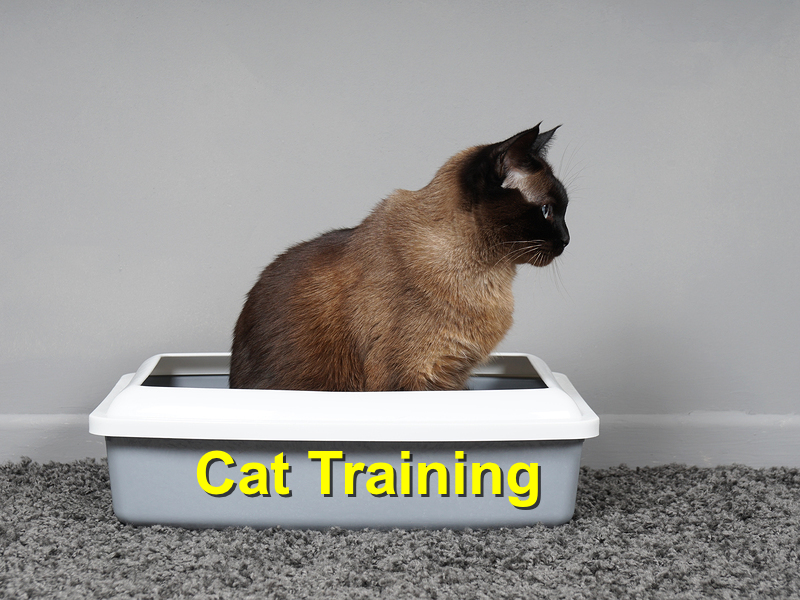
    Start with Training the Cat on Using the Litter Box

    The priority in your cat training must be to teach your pets about how they should properly use their litter boxes. Fortunately, cats pick up quickly on this training. However, the major mistake that many new pet owners tend to make is that they have insufficient litter boxes around the house. Veterinarians recommend at least one more litter box for every cat, which means that if you have two cats, you should get three litter boxes.  

    When buying a litter box for your cat, ensure you consider the size of your cat and also place the boxes tactically around your home, not clustered together. Look for finely grained cat litter that is clumping and unscented. Heavily-fragranced litter boxes that mask odors could end up deterring the cats from learning how to use these critical tools.

    Be Alert and Prevent Any Unwanted Behaviors.

    To prevent common cat training problems, like peeing outside the litter boxes, it is critical that you are proactive in maintaining tidiness. Ensure you keep the cat’s box clean through scooping daily and washing and refilling it with fresh litter every two weeks or so.

    The other familiar, frustrating cat behavior is their tendency to scratch up your curtains or furniture. To solve this issue, you must offer the appropriate scratching accessories and posts. Cats instinctively like to scratch for various reasons, including stretching their limbs, marking their territory and also removing the worn-out outer claw layer.

    Offer Enough Environmental Stimulation to Your Cat.

    Besides giving your cats a nice place for scratching their nails along with the necessary litter boxes, it is vital to ensure your pets are mentally and physically stimulated. Your cats require sufficient enrichment to help in satisfy normal behaviors like scratching, climbing, playing and hunting. When your cats do not have the best outlets where they can perform these natural behaviors, then it leads to unwanted behaviors. Some of the solutions include food puzzles, interactive toys and also interacting with your cats regularly.

    References: Pet Coach, The Spruce Pets, Anti Cruelty