Category: Kitten

  • Polyedactyl Cats

    Polyedactyl Cats

    Interesting Facts About The Rare Polydactyl Cats 

    Polydactyl cats – or cats with extra toes are awesome and we just cherish them. While polydactyl cats are common nowadays, most people still don’t understand the condition behind this abnormality.

    1. It is caused by genetic abnormality

    Start by counting your cats toes. Most cats usually have 18 toes with four at the rear paw and five at the front paw. If the cat is polydactyl, it might have eight toes on a single paw. Polydactyl cats have eight toes on the front paws that somewhat resemble adorable mittens. 

    2. These cats are popularly referred to as Hemingway cats

    At the popular Ernest Hemingway Museum, Polydactyl cats still thrive as a colony. In fact, most of these cats are the progenies of Hemingway’s original polydactyl. Polydactyl are so popular that they once occupied the White House. 

    3. This condition exists commonly in Maine Coons

    Historically, this trait is common in Maine Coon cats. And most breeds originate in Maine with extra doublewide paws that function as snowshoes. For instance, most Maine Coons currently have extra toes. But though this trait is not predominating among the breed, Polydactyls are well liked by cat lovers from all walks of life.

    4. World Record polydactyl cat has 28 paws 

    Based on records form the Guinness World Book, Jake – a cat from Canada boasts of seven toes on each paw and this totals to 28. Interestingly, all toes have their own pad, claw, and bone structure. However, having extra toes can affect a cat’s mobility.

    5. They are considered good luck when sailing

    In the old days, most fishermen took their polydactyl cats on their fishing journeys. And to earn their usefulness – these efficient mouse hunters often use their extra tows for better balance on rough waters. Therefore, this explains the cat’s vast travels and this is the reason they predominantly exist throughout the U.S.

    Conclusion 

    Fortunately, having extra toes is completely healthy and isn’t detrimental to the cat’s health in any way, shape or form. However, trimming the cat’s nails can be more difficult. If you notice your cat has twisted or underdeveloped forelegs due to this genetic condition, you should visit the vet immediately to get the right diagnosis.

    References: Catster, The Sprucepets, Tree Hugger

    Copyright: Local Value

  • Cat Snoring

    Cat Snoring

    Cats Snoring: Is It Healthy? 

    Does your cat snore? Should you be worried about it? Well, some cats often snore and for many, this is normal. Nonetheless, cat snoring might indicate an underlying medical disorder.

    Snoring usually occurs when the upper airway passages – the throat, pharynx, mouth, or nose – vibrate audibly when the cat is breathing. Snoring and resultant vibrations occur the moment the uppermost airways are at rest during sleep.

    When cat snoring indicates a health disorder

    Cat snoring can indicate an underlying health disorder. The most common health problem that instigates cat snoring is obesity or overweight. Excess weight often leads to build up of fat on the tissues that surround the inner airways, thereby triggering snoring. This affects both dogs and cats, and people as well.

    Cats that have respiratory infections may develop snoring. This audible breathing is caused by mucus buildup or sinus congestion inside the nose airways. Bacterial and viral infections are also major causes of cat snoring, but they are curable with appropriate medication. Nonetheless, fungal infections are more difficult to treat.

    What leads to sinus infections

    Generally, foreign objects like grass blades can get trapped inside the nose or mouth and ultimately trigger snoring, agitation, and coughing. More often, tumors or masses in the upper airways or the sinuses can lead to snoring. On the other hand, cancers like adenocarcinoma, fibrosarcoma and lymphoma can cause cat snoring. 

    Ways of determining whether your cat has a health disorder to excessive snoring

    There are a few guidelines to help you determine if your cat snoring indicates an underlying health disorder. For starters, light snoring is not related to respiratory issues and that means your cat is absolutely healthy. 

    Cat snoring often becomes louder with time and is accompanied with symptoms like coughing, sneezing and lack of appetite. If you notice any of these signs, medical emergency is important. If you aren’t sure whether your cat is healthy or not, always consult your vet. Antibiotics can facilitate speedy recovery if your cat is suffering from respiratory infections. 

    The vet can perform anesthetic evaluation to check for a foreign object inside the throat. Overall, snoring is quite normal and could as well define your cat’s unique character.

    Conclusion

    If your cat exhibits excessive snoring than usual, you need to visit the vet immediately to diagnose the problem before it worsens.

    References: Catster, Animal Friends, The Spruceness

    Copyright: Local Value

  • How long do Cats live?

    How long do Cats live?

    What is a Cat’s Average Lifespan?

    To determine the average life expectancy of a cat, it is essential to consider several factors including health, diet and environment. Is the cat neutered or spayed? This also determines the cat’s lifespan.

    Neutering and spaying eliminates the chance of the cat developing common infections that affect the cat’s reproductive system when they age. Recent studies suggest that with dietary and medical advancements, a cat can live for at least 20 cat years. Generally, the lifespan of a domestic cat is about 15.1 years.

    Cat breed

    Research further suggests that cat breed can affects it’s lifespan. Based on our findings, mixed cat breeds are hardier and thereby love longer. But if you have questions concerning your cat’s longevity, you can consult experts on hybrid and purebred cat breeds.

    On average, male cats usually have a shorted lifespan than female cats. On the other hand, indoor cats have a longer lifespan than wild cats. Homeless, feral and wild cats live shorter lives when compared to domestic cats.

    How long do indoor cats live?

    Most people often ask, ‘’How long do indoor cats live?’’. Well, overwhelming research shows that indoor cats have a longer lifespan than homeless cats. This is because indoor cats get to live away from the dangers and risks of the harsh outside world. More importantly, they are vaccinated and sterilized often and this increases their lifespan. 

    While indoor cats often get more attention than outdoor cats, they should always get adequate exercise to keep obesity at bay. Fortunately, most pet owners understand the value of exercise for their hairy friends.

    How long do outdoor cats live?

    Outdoor cats generally have a shorter lifespan due to harsh challenges of the outside world. But this will depend on where the cat lives. For example, does it live in a suburban, remote or rural location? Are other outdoor cats living nearby? 

    Are there stay or feral cats nearby? Increased exposure to ticks, fleas and illnesses ultimately lowers the lifespan of an outdoor cat. And due to many unpredictable variables, the average lifespan of an outdoor cat is 5 cat years.

    Conclusion

    If you want to learn ways on how to increase your cat’s lifespan, you can visit the vet to get dietary suggestions and other tips geared towards enhancing the cat’s overall health.

    References: Catster, Sciencealert, The spruce Pets

    Copyright: Local Value

  • Cats and Bacon

    Cats and Bacon

    Can Cats Consume Bacon? Here Are The Facts 

    Cats are carnivores by nature and that means they enjoy eating meat. Essentially, their bodies need meat. However, dogs are scavenging carnivores and that means they primarily eat meat but they can survive on plant diets when push comes to shove. But can cats eat bacon? More importantly, should they?

    To answer the aforementioned questions, let’s first discuss what constitutes a bacon. Well, bacon is basically pork, and this is a versatile meat if you want to plan your dog’s diet. However, bacon is loaded with calories, fats, and sodium that your cats should only eat in small doses.

    Is it healthy for cats to eat bacon?

    So, should you allow your cats to eat bacon? Yes, it’s completely healthy. Nonetheless, they should only consume a small amount as mentioned earlier. Studies now show that ingesting bacon is likely to have adverse effects on your cat. Most cats, for instance as they age – sleep more often than they play or hunt. That means they need a proper nutrition profile that can help counteract their inactivity.

    A cat has a sleeping schedule of 15 to 20 hours every day. This isn’t sufficient time for your cat to completely burn the calorie profile that exists in bacon. Bacon also contains a lot of fat and sodium, which is harmful for your cat when ingested in high doses.

    Can you feed your cat turkey bacon?

    Turkey bacon isn’t necessarily a healthy option as compared to the normal bacon, either. You should feed your cat small doses of turkey bacon as they are loaded with sodium and toxic preservatives.

    Can your cat consume bacon bits?

    Most people often ask, ‘’Is it okay to feed my cat bacon bits?’’ Again, you need to avoid all artificial bacon bits as they are over-processed, which means they are sodium laden products that can harm your cat’s overall health.

    Can you give your cat bacon as treats?

    If you decide to feed your cat bacon, what is the right time to feed them? You can feed your cat small bits of bacon as a reward after a trip to your vet. That means it’s only an occasional treat and not something you should do regularly.

    Conclusion

    When your cat unintentionally consumes a lot of bacon, it is likely to get stomach upset that could result in vomiting. If this happens, you should consult your vet as soon as possible.

    References: Catster, Cuteness, Cancateat

    Copyright: Local Value

  • Cat Bites

    Cat Bites

    Cat Bites and Cat Bites Infection: Why you should keep an eye


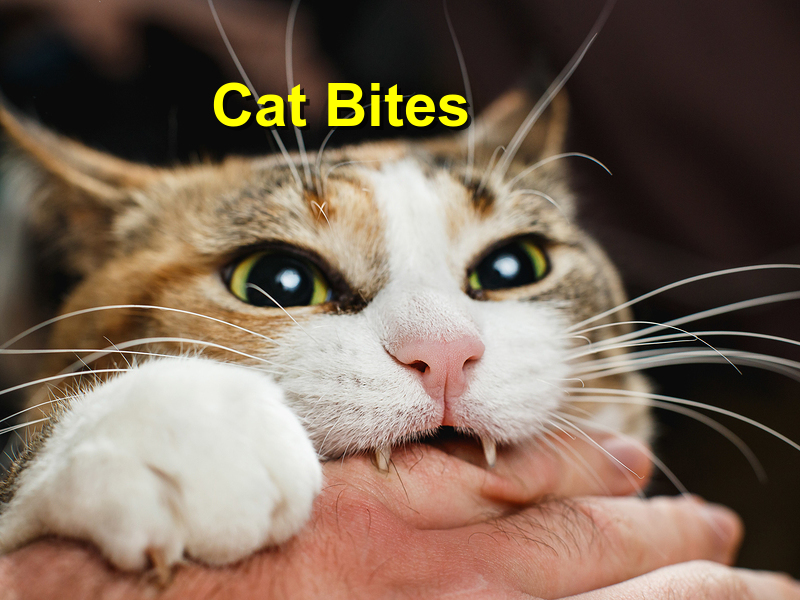
    Sally, the office cat, once took a bite of my left pinkie from under the table. While this was uncommon, Sally had lately been showing aggressive signs. Still, I had a part of my skin torn. But the worst part was not the cat bite harm rather what was to follow next. 

    Why are cat bites dangerous? 

    Cat bites are quite infectious as I found out. That is despite coming in second to dog bites accounting for 10-20% of animal-related bite injuries. Dog bites tend to be more significant wounds, but with cats, the scars are small but deep like hypodermic needles. 

    Research puts it as cat bites being infectious due to several reasons. 

    First, cats room around with various bacteria in their mouths and teeth. These bacteria are capable of tissue infection on other animals and even humans. 

    One-bite has infectious pathogenic bacteria such as staphylococci, streptococci, and Pasteurella multocida. These spread and either cause cat bite cellulitis or cat-scratch disease(Bartonella henselae) Infection. 

    How long after a cat bite does infection set in? 

    Symptoms should not be expected immediately at the onset of a cat-bite. On average, the cat bite infection will develop within a day or two in about 20% of the cases. But, this depends on the situation with other symptoms that may show in three to fourteen days. 

    What are the cat bite symptoms?

    Prompt medical evaluation and proper treatment are mandatory upon a cat-bite to determine a favorable outcome. If not done the following symptoms are common in most patients. 

    • Redness
    • Swollen wound with pus or abscess
    • Fever on the whole body
    • Heat in the bite wound
    • Odor can also develop from the bite wound
    • Blood infection(septicemia) in severe infections cases

    What to do if a cat bites you

    • Apply pressure to stop bleeding before drying it off
    • Wash the wound immediately using a mild salt solution or soap and water. Avoid disinfectants and use peroxide instead. 
    • Get a sterile bandage and apply after stitching
    • Contact a physician immediately for a check-up and anti-biotics. That is especially for the elderly or people with pre-existing health conditions such as diabetes
    • Get your rabies shot within 14-days 

    Some jurisdictions may need you to contact the local department of health for a follow-up. This totals up to help you act and prevent a health risk from the cat bite.

    References: WHO, Medicine Journal, Medscape, ncbi.nlm.nih.gov, cdc.gov

    Copyright: Local Value

  • Why Cat’s Meow

    Why Cat’s Meow

    Why Cat’s Meow?

    It is a well-known fact that some cat breeds are more vocal than others, and other cats just enjoy meowing. But if you notice that your cat is meowing non-stop, you need to visit the vet to check if everything is in order. So, what causes constant meowing in cats. Below are some of the reasons that cause non-stop meowing:

    1. Your cat might be in heat

    Cat with wide open mouth – meowing, trilling and making funny kitten sound may indicate that she’s in heat. If your cat hasn’t been spayed, meowing might show that the cat is in heat. Cats that are in heat are usually super-affectionate and make eerily loud sounds.

    2. Signs of hyperthyroidism
      

    Commonly observed in older cats, signs of hyperthyroidism is usually accompanied by symptoms like excessive vocalization, excessive activity and weight loss. If your cat is meowing endlessly and shows any of these symptoms, you should visit the vet for checkup.

    3. Signals loss of hearing and/or vision

    When your older cat meows endlessly when you turn off the light as you retire to bed, it’s likely she’s feeling lost. If the cat is partially deaf or blind, it may have difficultly moving inside the house and might not hear you.

    4. Cat dementia

    Unknown to many, cats also become senile. Commonly known as cat dementia, feline cognitive dysfunction often cause multiple problems for your cat and it may end up feeling disoriented and scared. Yowls, wails and nonstop cat meowing are signs of dementia. Cats with this condition become irritable, lose coordination and experience unbalanced sleep cycles.

    5. Feline hyperesthesia syndrome

    Cats affected by this condition are often eye-wild and behave as though they are hallucinating. The cat will yowl and cry loudly, might have altered mood swings, and can may start grooming the skin aggressively, leading to severe hair loss.

    6. Constant meowing may signal pain

    Cats rarely express pain but when experiencing real pain, cats often meow most of the time. For example, cats with urinary tract infection might meow non-stop due to the pain and discomfort caused by the condition. If you notice that your cat is meowing non-stop, then you should visit the vet.

    Conclusion

    While cat meowing is a normal occurrence, if it occurs repeatedly over a duration of time, you should consider visiting the vet to check whether there is an underlying health problem.

    References: Catster, Webmd, Aspca

    Copyright: Local Value

  • Cat Warts

    Cat Warts

    Cat Warts – How To Deal With Them

    While commonly linked to toads and witches, warts can affect several species and cats are very vulnerable to them. Cat warts often appear as skin disease and can easily be confused with lumps. Though they are not dangerous, immediate medical attention is essential when the lump doesn’t go away.

    It is fairly a common occurrence to find a lump on your cat. Abscesses, bug bites and fatty tumors are the typical culprits. An abnormal raised area on your skin can indicate the presence of a wart. Cat warts usually stem from papilloma viruses.

    How to identify cat warts 

    If your cat has a scaly abnormality on its skin, you should first monitor it before you consult a vet. More importantly, your cat’s strong immune system might destroy the virus. Nonetheless, when the skin abnormality continues, then you need to take your cat to the vet.

    What causes cat warts?

    Cats usually contract the dangerous papilloma virus by direct contact with another pets or animals’ bowls, toys and bedding, etc. However, cat warts are very rare. Just like any medical condition, here are some of the factors you need to keep in mind when dealing with cat warts.

    Cat warts cannot be spread to humans. This virus is usually animal specific. For example, cat warts cannot be easily transmitted to humans.

    Cats with weak immune systems are often vulnerable to warts. Older cats and very young cats are more vulnerable to get infected by the papilloma virus.

    Secondary complications: It is important to prevent your cat from biting, licking and scratching the wart to prevent further infection. 

    Always ensure your cat’s environment is contaminant free. When you get a diagnosis that your cat has warts, you should change all the items in the adjacent surroundings. Get new bedding and litter boxes.

    Cat warts can appear anywhere on the cat’s body. Though they might be found on the skin, they can also hide inside the mouth. It is therefore essential to monitor your cat regularly to ensure watts aren’t popping up.

    Treating cat warts

    While there is no specific treatment to cure this condition permanently, these lesions can be removed permanently through surgery.

    Conclusion 

    If your cat has warts, don’t attempt to remove them using over-the-counter drugs. You should consult your vet to recommend the best treatment option.

    References: Catster, Petmd, Wag walking

    Copyright: Local Value

  • 5 stages of cat pregnancy

    5 stages of cat pregnancy

    5 Stages Of Cat Pregnancy 

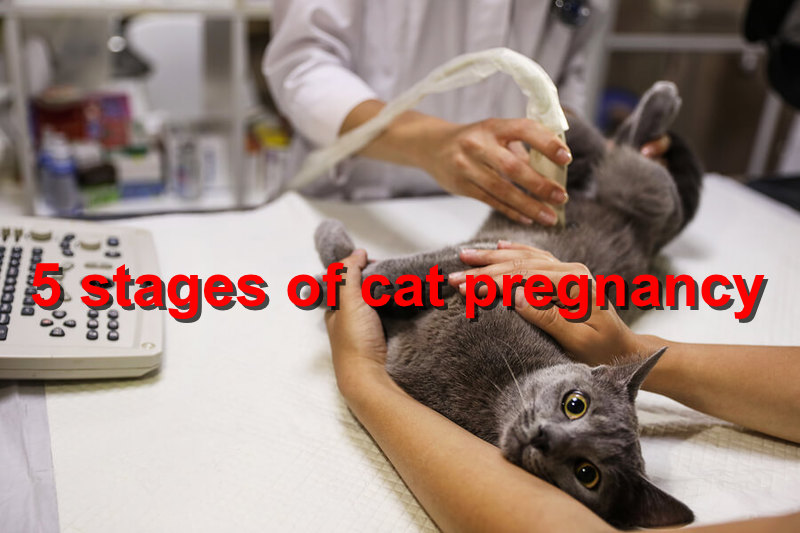
    Although most people often recommend cat neutering or spaying, there are chances that you may have to deal with cat pregnancy, due to deliberate breeding or an unexpected liaison at the shelter or clinic. So, how long do cats stay pregnant and what should you do to ensure safe delivery of kittens? Well, here are the 5 stages of cat pregnancy to guide you on what to do:

    1. Fertilization

    Before we first discuss how long cats are pregnant before they conceive, let’s first have a look at what age they reach peak sexual maturity and go into heat. Generally, cats usually go into heat once they are six months old. 

    Recent findings show that a cat is pregnant for around 58 to 70 days before it gives birth. But this is only a rough estimate.

    2. What happens during the early stages

    Do cats experience morning sickness when pregnant? Yes, cats experience morning sickness when they are pregnant. During the initial two to three weeks of pregnancy, the cat will eat less due to nausea. After the third week, the cat will start gaining weight and by this time, you will start to feel some lumps in the stomach of the developing kittens.

    3. The middle stage of pregnancy

    Your cat will start gaining weight rapidly. As the kittens get bigger in her stomach, your cat will look as if the belly has a football inside. If you are eager to know the number of kittens the cat is carrying, you can request a vet to perform an X-ray.

    4. Pre-labor

    Most people are often unable to tell when a cat is just about to give birth. Pre-labor is usually about six days before the cat gives birth. You will notice that her nipples become more pronounced and you might spot milk drops in the litter. 

    At this point in time, she will start moving around restlessly looking for a safe and warm place to birth her kittens. The cat will become inactive and stop eating at the last one to two days before she is about to go into labor.

    5. Labor

    It is easy to tell when your furry friend is about to go into labor. Your cat will lick her genitals aggressively and might even make noises to show discomfort. If your cat is having its first litter, it will pace around anxiously. She will give birth after about an hour when the labor starts. 

    Conclusion

    After 12 weeks, the kittens should by properly weaned. It is advisable to take your cat to the vet to be spayed to ensure she doesn’t get pregnant in a short period of time.

    References: Catster, Medic animal, Purina

    Copyright: Local Value