Category: Kitten

  • When do cats need shots

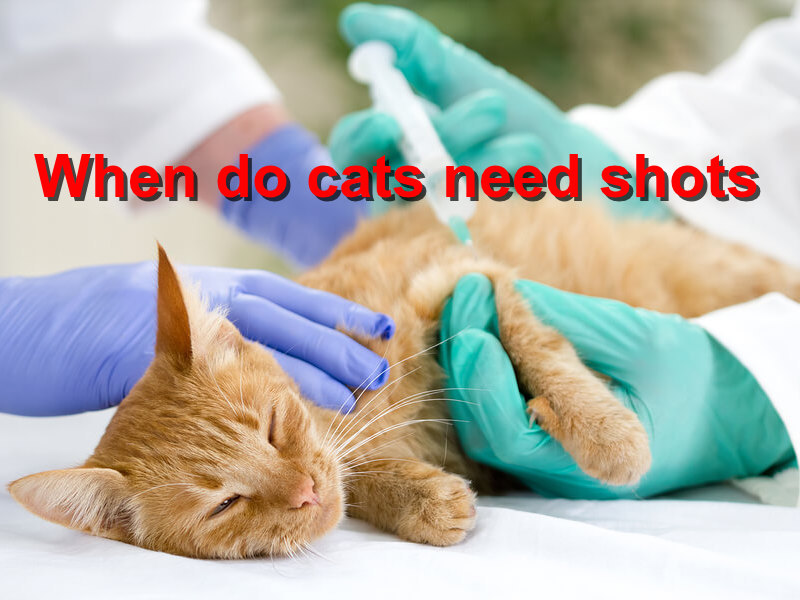
    When do cats need shots

    When do cats need shots?

    How often should you take your cat to the vet for shots, as well as other essential preventive measures such as heartworm and flea treatments? Read on to learn why it is important to take your cat for shots on a regular basis.

    But before we discuss the importance of taking your cat to the vet for shots, let’s first answer this question. ‘’How often should your cat get shots?” Well, the answer to this question varies depending on lifestyle, immune system and geographic location. Put simply, there is no straightforward answer to this question. Nonetheless, you can follow a set of guidelines to ensure you understand cat vaccines as well as preventive measures.

    Do cats require regular flea prevention?

    Do cats require flea prevention or is it only essential for outdoor cats? Before we address this question, it is important to remember that fleas are contagious and can easily be transmitted to all household pets. And though flea prevention is important for all pets, keep in mind that fleas have an outstanding capacity of surviving and spreading. More importantly, indoor cats can also get flea infestation regardless of whether they have contact with other pets or not.

    However, this doesn’t mean that your cat requires monthly flea prevention. Cats that don’t have skin problems can easily get by when you use occasional flea preventative applications. This means that flea prevention is option particularly for indoor cats. Nonetheless, be aware that fleas have excellent survival skills and it’s common that most cat owners are often unaware that their pets have significant infestation.

    Heartworm prevention

    Is heartworm prevention important for your cat? Heartworm disease can also affect indoor cats as it is spread to pets by mosquitos. And while outdoor cats are more vulnerable to mosquitos that spread this disease, indoor cats can also be infected by these parasites. For that reason, heartworm prevention is important for all household cats. The best thing about heartworm prevention is that it also prevents the onset of intestinal worms that can easily spread to human beings.

    Are vaccine booster shots important for cats?

    While there is no definite answer to this question, it is important to ensure your cat receives booster shots at least once after a period of three years. For example, kittens should receive shots to prevent feline panleukopenia. After all, preventions is definitely better than cure.

    Conclusion

    If you are not sure if your cat is supposed to receive shots, you should consult your vet who will attend to your cat’s specific needs. 

    Reference: Catster, Webmd, My pet needs that

    Copyright: Local Value


  • Exotic Short Hair Cat

    Exotic Short Hair Cat

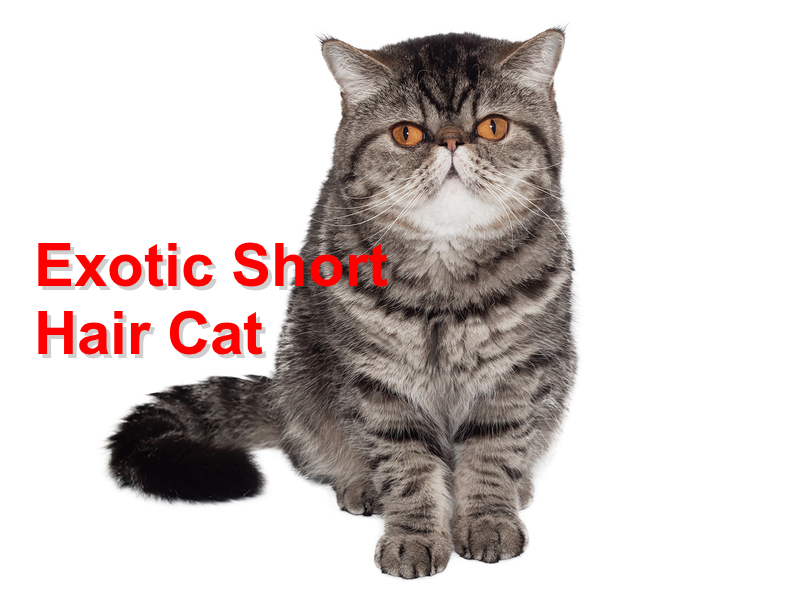
    5 things to know about exotic shorthair cat 

    The exotic shorthair cat is almost similar to the Persian cat. It has round eyes and fleecy texture that compliments its overall appearance. Read on to learn more about the exotic shorthair cat.

    1. Key characteristics

    An ideal exotic shorthair cat is thought to be a well-balanced cat that has a captivating expression. The cat has a circular head that contributes to its round facial appearance. It is well known for its thick coat that is longer when compared to other cat breeds. The cat has oval ears and is famous for its frowny expression.

    1. What is their personality?

    They are extremely friendly and possess characteristics you can find in kittens or dogs. They are affectionate, curious, and playful. However, just like other cat breeds, they also need their alone time. They also form strong bonds with the owner and can quickly get depressed when left alone in an empty house. Due to their calm personality, they make a great lap cat.

    1. Can they get on well with other pets?

    Are you considering buying an Exotic shorthair cat? Well, there is no need for you to worry even if you have a dog or other pets. The cat is outgoing and friendly and can co-exist well with other pets. And if your home has a rat problem, the cat will prove quite useful.

    1. Is this the right cat for you?

    The exotic shorthair cat is not suitable for someone who has a busy schedule. Many people love cats for their sense of independence. While the shorthair cat also enjoys some freedom or alone time, he might not be the best option for someone with a busy schedule. Unfortunately, if you have a hectic schedule, then getting the Exotic shorthair cat might not be the right thing to do.

    1. Will the cat personality make it a perfect pet?

    The Exotic shorthair cat has minimal grooming requirements and easy to look after. The playful, Exotic shorthair cat can quickly adapt well to different living situations and can do well in both apartment and house environments. The cat is adaptable, intelligent, and requires low maintenance. It can also get along perfectly well with children and other pets. However, they are prone to depression and separation anxiety if you leave them alone longer.

    Conclusion

    You should take your cat to the vet when it shows any sign of discomfort. Early treatment can prevent the problem from deteriorating.

    References: Pet health network, Pet finder, Pretty litter cats

    Copyright: Local Value


  • Halloween and your Pet

    Halloween and your Pet

    Halloween Safety Tips for Pets

    Halloween can be a fun time for families but not for pets. Here are practical steps you can take to keep your pets safe on Halloween

    Keep your pets indoors

    Its certainly better to keep your pet indoors on Halloween as there will be many activities happening around your home. Strangers walking in and out of your home in unusual costumes can be frightening for your pet, and can result in unexpected aggression or escape attempts. You can put your cat or dog in a safe room to prevent them from running wildly into the night.

    Store glow sticks in a safe room

    Although glow sticks are generally non-toxic, they can add unwanted drama and spoil your holiday when a pet accidentally chews one open. When pets chew on a glow stick, they may become agitated or even vomit. If your pet chews on a glow stick, you should offer a small treat or fresh water to help remove the material from its mouth.

    Keep electric powered Halloween decorations away from pets

    While electric powered decorations are safer than regular candles, they can still present a potential risk to pets. It is therefore important to keep electric powered decorations away from pets as they can cause a life-threatening electrical shock. Pets can swallow batteries leading to gastrointestinal blockage or chemical burns if chewed open.

    Keep lit pumpkins away from pets

    When you use candles to light your Halloween decorations, ensure you place them away from pets. If you are not careful, they can easily burn themselves or cause a fire.

    Never feed them candy

    All types of chocolates, particularly dark chocolate can be lethal for cats and dogs. Some of the common symptoms your pet is suffering from chocolate poisoning might include diarrhea, vomiting, seizures, rapid breathing and increased heart rate. Halloween candies also contain an artificial sweetener that can be poisonous to pets.

    Use proper tags and collars

    You should ensure your pets have proper tags or collars should they escape in the night on Halloween. Microchips offer peace of mind should the tag or collar fall off. Ensure you keep the information up-to-date.

    Keep Halloween plants away from pets

    Although you can feed your pets small amounts of pumpkin and corn, swallowing uncooked Halloween pumpkins can cause digestive problems. Pets often experience stomach upset whenever they eat something they are not used to.

    Conclusion

    In the event your pet is injured during Halloween, you should consult your veterinarian or locate a 24-hour veterinary clinic.

    References: Petmd, Pet insurance, HSLM

    Copyright: Local Value

  • Constipation in Cats

    Constipation in Cats

    Constipation in Cats: What causes it?

    Most cats often don’t drink enough water and this causes them to have digestive problems like constipation. This is a serious condition and should never been taken lightly. Constipation can cause a lot pain and suffering for your cat.

    Is constipation a problem for cats?

    Constipation is unpleasant for cats. Second, frequent episodes of constipation in cats can cause permanent expansion of the colon. There are serious cases of constipation where cats are completely unable to expel stool and may need a laxative. When a cat is ‘’impacted’’ or blocked up and the colon becomes so enlarged, surgery might be the only option.

    Causes of constipation in cats

    The common causes of cat constipation are:

    • A disease
    • Stress at home
    • Dehydration
    • A dirty litter-box
    • Painful defecation

    While it may not be easy to identify the cause, it’s important to find ways to manage the condition and prevent it from worsening. You can consult your local vet to help you find the cause.

    Avoid feeding you cat dry foods and buy canned food instead to ensure your pet gets enough water intake. Canned food contains 80% water while dry food has only 10-20% water.

    Symptoms of constipation in cats

    Constipated cats usually have decreased appetite. When defecating, constipated cats might vocalize their discomfort. Constipation also causes vomiting.

    How do you test constipation in cats?

    First, the vet will perform a complete physical exam. Blood work can show presence of a metabolic disease like high calcium or low potassium. It can show dehydration as well.

    When can you tell your constipated cat needs surgery?

    Extreme constipation is known as obstipation. Cats suffering from obstipation usually have a poor quality of life. A cat that has obstipation has an excessively stretched colon and is unable to expel rock-hard stools. When the colon is unable to perform its job efficiently, medications and diet changes often become useless. Surgery is done to remove the giant, diseased colon.

    How to treat constipation in cats

    After the vet has done a thorough physical exam to test for constipation, here are some of the common treatments to consider.

    • A laxative
    • A diet high in fibers
    • Drugs to help expel the fecal matter 
    • Injection of fluids to help reduce dehydration

    Conclusion

    You should ensure your cat gets plenty of exercise climbing, jumping and running. These activities combined with sufficient hydration will prevent constipation. If you pet goes more than two days without a bowel movement, its best to consult your veterinarian.


    References: Pet Health Network, Petmd, Honest Paws

    Copyright: Local Value

  • Cat Weight Loss

    Cat Weight Loss

    Reasons for Cat Weight Loss 

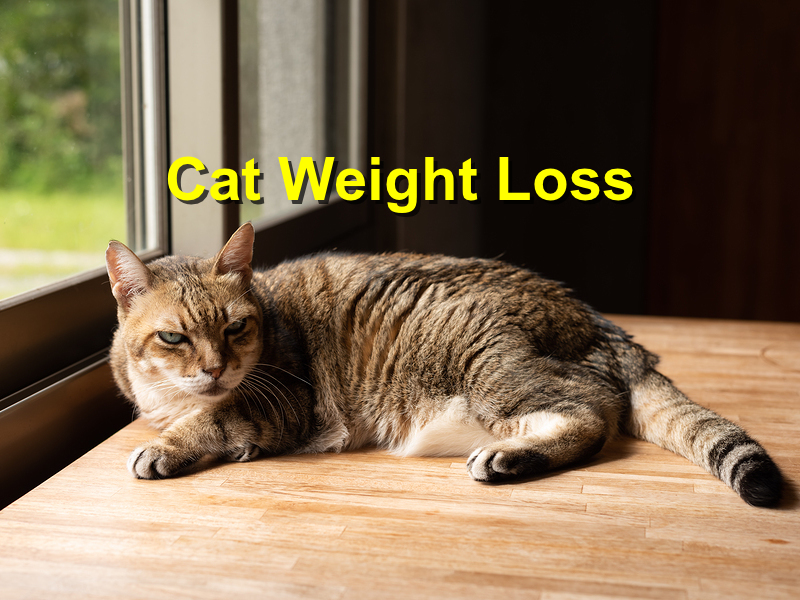
    While overweight cats are certainly on the rise, unexplained weight loss is also something to worry about for cat owners. Depending on what is causing your cat to lose weight, it’s likely that their appetite is entirely gone or significantly reduced. Lack of food can lead to anorexia and other risky health conditions. Learn the primary reasons why your cat is losing weight here below.

    Dirty dishes

    Are you serving the cat’s food on clean dishes? Cats can quickly get fussy about their food if it’s not appropriately served. For dry cat foods, store them in airtight containers to preserve freshness. Also, have clean water readily available and ensure to clean out the debris and hair that may fall into the eating blow.

    Stress and anxiety

    Cats under stress in their environments can stop eating, which can lead to significant weight loss. Some of the situations that could cause stress to your cats are excessive noise during mealtime and even placing the food near their litter box. If a cat fails to eat for more than one day, contact your vet so that they can run tests and rule out more significant health issues.

    Gastrointestinal problems

    Food allergies and other gastrointestinal issues could be the reason behind the unexpected slim-down. Roundworm infections are pretty common in cats, and they can get these infections either through drinking milk from their mother or through eating rodents. If your cats love bringing home rodents, then look through their feces for worms. Next, go to your vet for de-working medicine to quickly treat the problem.

    Age

    As cats continue aging, they will likely have considerable changes in their overall weight. While certain senior cats become bigger and overweight, others often slim down. The culprits here are likely dental disease and a reduced feeling of smell. Elderly cats may also have metabolism changes or constipation that leads to a visible weight loss. Consult your vet regarding the best diet for your senior cat and book regular checkups to enable you to identify issues early. 

    Conclusion

    If you have eliminated the common cat weight loss explanations mentioned above, then consult your veterinarian for additional consultations. Your vet will conduct extensive tests to determine the reason for the weight loss, as it is a symptom of most cat diseases, like cancer. Nevertheless, it is best to identify and treat any health issues early on to ensure your cat lives a healthy life.

    References: Web MD, Animal Planet, Animal Planet

    Copyright: Local Value


  • Cat Sweat

    Cat Sweat

    Do Cats Sweat?

    The genealogy of domestic cats goes back to the wild cat species in the deserts of Arabia and Africa. That means that cats are originally from scorching environments. Even in the hottest summers, you will never see a cat sweating. Learn how cats keep cool here below:

    Does a Cat Sweat?

    While you might never see a cat sweating,  these furry animals have an efficient internal cooling system. Different from humans who have sweat glands throughout the body, these sweat glands in cats are located in specific hairless regions. These areas include the lips, chin, paws, and on the skin around the anus.

    Once the cat’s body temperature gets too high, these glands start sweating. As the sweat begins evaporating, it creates the cooling effect.  Stress may also cause the sweating effect, which is why you will see wet footprints in a vet clinic when a cat is being examined.

    How cats try to stay cool

    The minimal sweat glands in cats mean that that sweating alone will not be sufficient to manage high temperatures. Cats also use other methods to cool themselves, including grooming. That is why you will notice that your cat’s grooming habits will increase during the hot summer season.

    Besides grooming, cats also sleep during the hot times during the day. They will sleep through most parts of the day and only become active at night. Domestic cats like to find a cool place where they can spread their body on the cold surface for heat dissipation.

    Do Cats Pant?

    Unlike dogs, panting isn’t a regular activity for cats. Even though cats can still use panting as a way of cooling down, it is often a symptom that the cat is under too much stress or that they have underlying lung or heart diseases. If your cat starts panting, move them to a cooler area, and provide cold water. However, if the panting doesn’t stop, it could indicate heatstroke or heat stress, and you should immediately consult your vet.

    Does Excessive Sweating Signify Underlying Medical Conditions?

    In most cases, cats never sweat excessively. Nevertheless, if your cat is living in heat-regulated space and is still leaving sweaty footprints, it could point to anxiety or stress. Luckily, a certified vet or behaviorist can address these problems quickly.

    Other cat owners have noticed excessive sweat production near the mouth. In such cases, the cat isn’t sweating and is salivating excessively because of any stomach or dental problems. Cats will even drool when they are petted. However, if your cat is overly wet around the mouth, then contact your vet.

    References: PetMDIndiana public mediaPetMD

  • Nail Trimming

    Nail Trimming

    Important Pointers on How to Make Nail Trimming Less Stressful

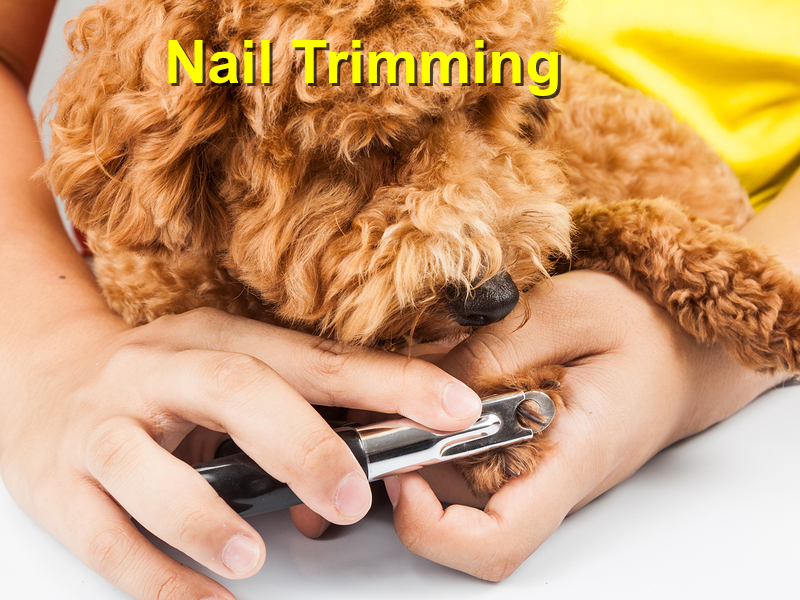
    Of all occasional tasks that pet caregivers, guardians, and owners have to perform, trimming the nails of their favorite canine friend is often the one that they look forward to the least. As you would expect, dogs do not exactly enjoy nail trimming and neither is the trimming process therapeutic.

    Fortunately, here are a few quick tips to how you can make nail trimming non-stressful

    1.  Get your Furry Friend Accustomed to Being Around Nail Clippers

    Dogs have a natural instinct of relating the sight of clippers to past trauma. Hence, it is imperative to resolve this dreadful fear of trimming clippers by reconditioning them to be comfortable around clippers. A good way of doing this is by getting into the habit of summoning your dog while in the presence of clippers. Go even an extra length and act happy as u grab these clippers while giving them a soothing rub or treating them to their favorite snack. If possible, repeat this several times for the next few weeks. Soon, the animal will gradually learn to associate the clippers with treats and praise.

    2. Train them to Allow Relaxed Paw Handling

    Another reason why some pet guardians find it impossible to trim the nails of their pet ( without them being under local anesthesia or a tranquilizing shot ) is that some pets have the tendency of going radioactive as soon as anyone handles their paws. However, you can rework this by getting them accustomed to you touching or applying gentle pressure on the paws. A good approach would be to gift them with supplemental treats and rewards whenever they allow you to handle their paws without objecting or resisting.

    3.  Sharpen the Clippers Regularly

    Dull or blunt clippers can mean excruciatingly painful and comfortable nail trimming. Make sure that the clippers are recently sharpened before attempting to use them on your pet. 

    In Conclusion

    With persistence and a little bit of patience, a majority of our furry faithful friends can accept or even gladly look forward to regular nail clipping and trimming. Nonetheless, if your dog starts to exhibit signs of extreme anxiety and fear such as excessive drooling, trembling, growling, snapping or panting when you attempt to clip their nails, it is best to consult a qualified veterinarian or experienced pet health professional. Avoid aggravating issues by trying to force or coerce them to allow you to clip their nails

  • Thin Cat

    Thin Cat

    Why Is My Cat Getting Thin?

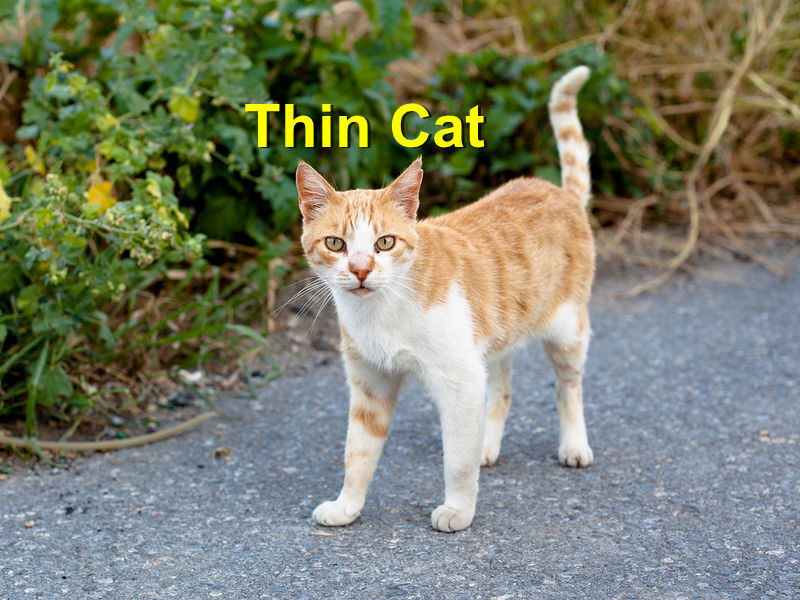
    Most cats experience the weight loss issue, especially in older cats. Determining whether your precious cat is quickly losing weight is often reliant on how the cat feels in your hand instead of the cat’s appearance. That is because the plush coat of fur can easily mask the thinness of your cat. Ensure you take note of whether your cat feels a bit bonier during petting or grooming and also if your previously hefty friend is now feeling very light when you lift her or him.

    Although your cat’s behavior and appetite may seem normal, an unexplained loss of weight is something that your veterinarian should address. Here are some of the come reasons for cat weight loss.

    Lack of Sufficient Food

    When your cat is not consuming enough calories, then weight loss will occur. A few common reasons for cutting back on food intake may include:

        Competition or distress at the eating bowl, especially when several cats are feeding simultaneously

        Painful mouth problems like dental disease or a growth

        Lack of access to the feeding bowl

        Lack of interest in the brand or type of food that you serve

        Anxiety or stress associated with a new home or a new human or pet in their lives

    Diabetes

    Diabetic cats typically seem like they are starving while in the middle of plenty of food. Despite their voracious appetite, such cats can shed weight very quickly. That is because their diabetic condition causes them to be unable to utilize or process the calories that they consume correctly.

    Gastrointestinal Issues

    Gastrointestinal diseases may prevent proper digestion and absorption of essential nutrients, which leads to weight loss. Even though many cats have tapeworms, they rarely cause weight loss. Some typical cat gastrointestinal issues include:

        Inflammatory bowel disease

        Intestinal parasites

        Pancreatitis

        Cancerous processes

    Hyperthyroidism

    Most older cats will develop the hyperthyroidism issue, where thyroid glands start producing excess amounts of thyroid hormones. Hyperthyroid cats will typically have a range of symptoms, including weight loss. The excessive levels of thyroid in the body increase the metabolic rates in the cat’s body, thus burning more calories.

    Tumor

    Some forms of malignant and benign tumors may also cause weight loss. The reason for this is that specific cancerous cells consume all the calories, which robs the cat of any nutrition.

    Organ failure

    The final reason weight loss occurs in cats is due to poorly function essential internal organs like the heart, kidneys or liver. This type of weight loss also comes because of a lack of appetite or interest in food.

    Conclusion

    If your cat is losing weight drastically, make sure your visit your veterinarian for help.

    References: Pet Health Network, E WiskersWebMD