Category: Dog

  • Halloween Safety Tips

    Halloween Safety Tips

    Tips for Keeping your Pets Safe During Halloween

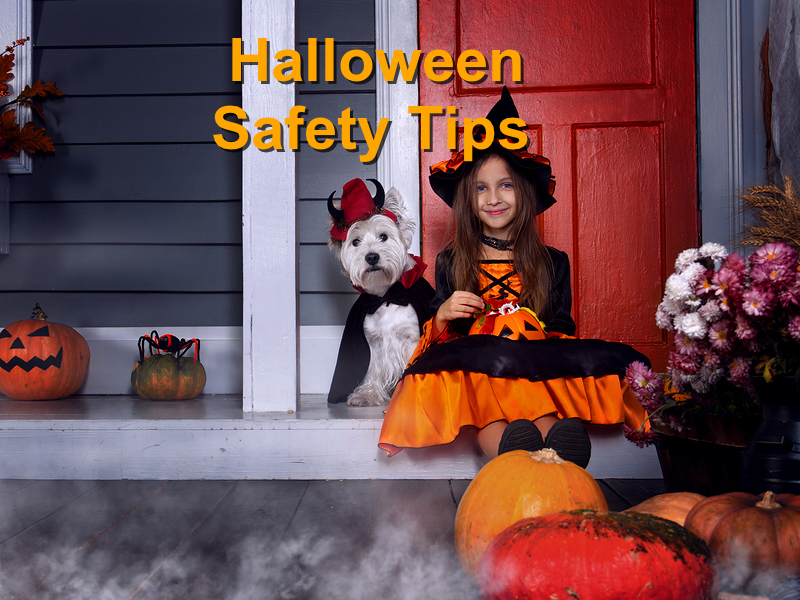
    Unusual activities, costumed visitors, anxiety, and fear can all make Halloween a nightmare for your pets. Whether your pets are prone to anxiety and fear or not, they like their daily routine, which when interrupted can cause them to feel agitated and uncomfortable. Here are some excellent tips for keeping your pets during Halloween.

    Never give your pets candies

    Regardless of how much fun you think it will be for your pets to participate in Halloween, you should never give them candies. All types of chocolate, specifically the dark or baking chocolate, can be lethal for cats and dogs. Chocolate poisoning symptoms include diarrhea, elevated heart rate, seizers, rapid breathing and vomiting. Also, xylitol, an artificial sweetener, can cause your dogs to have liver failure or other issues related to low blood sugar.

    Don’t Leave your pets outside during Halloween

    There are cases of vicious pranksters who injure, tease or even steal pets during Halloween. Black colored cats are more vulnerable to these cruelty-related pranks, so ensure that your pets are safely locked away indoors. 

    Keep your pets away from your front door

    While indoor is much better than staying outdoors during Halloween, your front door will likely be opened and closed constantly, with different visitors wearing strange costumes. Your pets may find that situation scary, resulting in unexpected aggression or escape attempts. Make sure you put your cat or dog away in a room far away from the door as possible to minimize stress.

    Don’t let your pets play with glow sticks

    Even though glow sticks are essential in keeping people safe during Halloween, your pet can easily chew one open. Fortunately, the liquid used in these devices is not toxic. If your pet bites into these glow sticks, offer them fresh water to clear out the material from the mouth.

    Keep all Halloween plants out of your pet’s reach

    Although your pet can safely eat small quantities of pumpkin and corn, ingesting moldy or uncooked Halloween display plants can cause huge problems. Your pet could get gastrointestinal upset or intestinal blockage when they swallow large pieces. 
    Avoid keeping lit items around pets

    When you are using any Halloween decorations that involve fireworks, candles or lanterns, ensure you place them out of easy access by your pets. It will prevent your pets from burning themselves and even causing a huge fire. The same also applies for any battery or electric-powered Halloween decorations. 

    Avoid dressing your pets in limiting costumes

    The pet costumes you choose must not restrict hearing, breathing ability, movement or eyesight. You should aim to make this process fun for your pet through positive reinforcement and treats.

    Lastly, ensure your pets have the proper IDs. Tags and collars are perfect for ensuring that they will be easily returned if they happen to get lost during Halloween. 

  • Heart Disease in Pets

    Heart Disease in Pets

    Tips on Dealing with Heart Disease in Pets

    Finding out that your cat or dog is suffering from heart disease can be quite tough. Depending on how far the condition has advanced, your veterinarian may have limited treatment options. However, although they are no scientifically proven methods of preventing heart disease, experienced veterinarians recommend that you recognize the symptoms of this health problem early. An early diagnosis means that your vet will have enough time to create a good treatment plan to help your pet maintain a decent standard of life. 

    Heart Disease Symptoms in Dogs

    The symptoms of heart disease typically appear in puppies who have the condition from birth. In contrast, acquired heart problems show up with old age. In both cases, slowing down and lethargy are indicative of cardiac issues and not just orthopedic discomfort or arthritis. 

    As the health issue progresses to the heart failure stage, most dogs start coughing along with increased respiratory effort and rate. It is recommended to monitor your dog’s natural breathing rate by counting the number of times their chest rises up in one minute. Anything under 35 is normal, but if you notice a progressive increase in effort or the rate, then go to the vet for a checkup immediately.

    Heart Disease Symptoms in Cats

    According to researchers, cat owners have a hard time noticing if their pet’s behavior is indicative of a health problem until the disease has progressed much further. For instance, your cat may be displaying the normal laziness associated with cats or they could be lethargic due to heart disease. Nevertheless, heart disease in cats can cause lack of appetite, respiratory difficulty, and enhanced reclusiveness.

    The cat purring behavior makes it challenging to count their respiratory rate. However, you can still try and count how many breaths they take every minute while your cat is sleeping. Anything under 50 breaths every minute is normal.

    Are Specific Pet Breeds More Vulnerable to Heart Disease?

    Some dog breeds are more vulnerable to developing heart problems. Certain large dog breeds like Dobermans, Boxers, and Great Danes are likely to develop cardiac myopathy, which involves enlargement of heart muscles, thus affecting its capability of pumping blood. Poodles, Schnauzers, and Pomeranians are all susceptible to valve diseases. In contrast, various breeds like Cairns, Terriers, and Westies among many others do not tend to become affected with heart complications as compared to other dogs. 

    It is harder to make the same sweeping generalizations for cats since many people do not own purebred cats. Nevertheless, several breeds like Bengals, Maine Coons and Sphinxes are the most affected by genetic hypertrophic cardiomyopathy. More scientific research is, however, necessary to understand the genetic causes of heart problems in cats. 

    Conclusion

    Early detection is critical to maintaining your pet’s optimal health even if they have heart disease. When the pet owner, a vet and a specialist intervene early on with the right medication, the dog or cat can live for years without experiencing fatal heart failure. 

    References: Pet MD, 2nd Chance, Pet Care Rx


  • Heart Disease in Pets

    Heart Disease in Pets

    Tips on Dealing with Heart Disease in Pets

    Finding out that your cat or dog is suffering from heart disease can be quite tough. Depending on how far the condition has advanced, your veterinarian may have limited treatment options. However, although they are no scientifically proven methods of preventing heart disease, experienced veterinarians recommend that you recognize the symptoms of this health problem early. An early diagnosis means that your vet will have enough time to create a good treatment plan to help your pet maintain a decent standard of life. 

    Heart Disease Symptoms in Dogs

    The symptoms of heart disease typically appear in puppies who have the condition from birth. In contrast, acquired heart problems show up with old age. In both cases, slowing down and lethargy are indicative of cardiac issues and not just orthopedic discomfort or arthritis. 

    As the health issue progresses to the heart failure stage, most dogs start coughing along with increased respiratory effort and rate. It is recommended to monitor your dog’s natural breathing rate by counting the number of times their chest rises up in one minute. Anything under 35 is normal, but if you notice a progressive increase in effort or the rate, then go to the vet for a checkup immediately.

    Heart Disease Symptoms in Cats

    According to researchers, cat owners have a hard time noticing if their pet’s behavior is indicative of a health problem until the disease has progressed much further. For instance, your cat may be displaying the normal laziness associated with cats or they could be lethargic due to heart disease. Nevertheless, heart disease in cats can cause lack of appetite, respiratory difficulty, and enhanced reclusiveness.

    The cat purring behavior makes it challenging to count their respiratory rate. However, you can still try and count how many breaths they take every minute while your cat is sleeping. Anything under 50 breaths every minute is normal.

    Are Specific Pet Breeds More Vulnerable to Heart Disease?

    Some dog breeds are more vulnerable to developing heart problems. Certain large dog breeds like Dobermans, Boxers, and Great Danes are likely to develop cardiac myopathy, which involves enlargement of heart muscles, thus affecting its capability of pumping blood. Poodles, Schnauzers, and Pomeranians are all susceptible to valve diseases. In contrast, various breeds like Cairns, Terriers, and Westies among many others do not tend to become affected with heart complications as compared to other dogs. 

    It is harder to make the same sweeping generalizations for cats since many people do not own purebred cats. Nevertheless, several breeds like Bengals, Maine Coons and Sphinxes are the most affected by genetic hypertrophic cardiomyopathy. More scientific research is, however, necessary to understand the genetic causes of heart problems in cats. 

    Conclusion

    Early detection is critical to maintaining your pet’s optimal health even if they have heart disease. When the pet owner, a vet and a specialist intervene early on with the right medication, the dog or cat can live for years without experiencing fatal heart failure. 

    References: Pet MD, 2nd Chance, Pet Care Rx


  • New Puppy

    New Puppy

    Checklist for a New Puppy

    There are few events more exciting as compared to welcoming a new pet into your home. Since a puppy needs lots of attention and care, you have to make sure that you are well prepared before your furry friend arrives. Here is a checklist of all the essential puppy items you should have in place before you get distracted by a happy, licking puppy at home.

    Get dog toys

    When puppies are teething, they feel the need to start chewing on items. Hence, you should ensure that you have a sufficient supply of quality chew toys or else your furniture, shoes or purses will be targeted. Also, since inappropriate chewing can be costly or even dangerous for your puppy, set them up for a successful transition by providing the appropriate dog toys.

    Invest in dog treats

    Everyone deserves a treat every once in a while, and your puppies are no different. Dog treats not only make it easier to train your furry friends, but it also helps to enhance the puppy-human bond through positive reinforcement. However, make sure you don’t overdo it since the treats are supposed to add a bit of flavor and not replace healthy meals.

    Healthy dog food

    Get the right food that is adequate for their current developmental stage. Age-specific dog foods will allow your puppy to grow naturally without consuming too many calories. If you are unsure of what to give your puppy, consult a veterinarian to make sure that the foods you are using are the ideal option for your pet.

    Set up the bedding area

    Puppies need a clean, safe and comfortable sleeping sport. Most owners use crate training for both house training as well as providing the slumber spot. Ensure you use a sizeable crate and a comfortable crate pad to give your dog a nice place to relax.

    Buy cleaning supplies

    Puppies are quite messy, especially before they get used to the new environment. Hence, having a decent cleaning supply is invaluable to any pet owner. Pet safe cleansers are the best option since they also safeguard your dog’s health.

    Plan for dog grooming

    Your puppy will undoubtedly need a clean-up at some stage. You should buy a shampoo that is designed for dogs since their skin is very sensitive and it is vulnerable to the chemicals and stripping cleansers that are used in shampoos created for people. Also, get a brush as brushing keeps your puppy’s coat healthy and shiny.

    Dog collar and leash

    Puppies are not born with an inbuilt understanding of leashes or callers. You must train them early on how to get familiarized with using a collar and leash as part of their socialization skills. Long leashes are ideal for older dogs while puppies should use short leashes to ensure that they are always under your control.

    In conclusion, you should establish a connection with your local veterinarian since your puppy will need ongoing care, including vaccination shots and regular checkups. 

    References: Pet MD, My Dogs Name, Pet MD

  • Tips for Effective Dog Dental Care

    Tips for Effective Dog Dental Care

    As a dog owner, you think carefully about maintaining your pet’s health: providing quality food, keeping fit and routine checkups. However, many people often overlook an equally important part of their dog’s general health, oral hygiene. According to veterinarian reports, more than 85% of dogs above four years old suffer some dental disease, like periodontal disease or gingivitis. Here are a few tips on the best ways to give your dog the best dental care and avoid dental issues.

    Tips for Brushing your Dog’s Teeth

    The recommended frequency of brushing your dog’s teeth is as regularly as possible. For smaller breeds like Chihuahuas and Yorkies that are susceptible to dental diseases, the ideal rate is every day. However, with larger dog breeds, you can aim for at least once per week or after a few days.

    As for the doggie toothbrush, you can use a soft, human toothbrush that is adequately sized to match the dog’s mouth. Also, you can buy a canine toothbrush as it is angled and easily fits over your fingertip. Chose the type you both enjoy using.

    Since it is not likely that your dog knows how to spit, you should get a type of toothpaste that they can swallow safely. That swallowing factor rules out all human kinds of toothpaste as they contain detergents and abrasives that your dog should not ingest. Additionally, dogs will enjoy the seafood or poultry options of their canine toothpaste.

    How to Maintain Proper Dental Care

    Effective dog dental care is not just limited to preserving oral hygiene, but it also includes everything the dog does in between the brushing sessions. Dogs can also gnaw down on dental treats and bones that are designed to keep their teeth polished, strong and healthy. Luckily, most of these chew toys for dogs are appealing, which makes maintaining oral health an enjoyable activity.

    When it comes to choosing the best type of dog food, both wet and dry foods will leave a residue that builds up over time to create tartar. The healthiest food for your dog’s teeth is raw meat as the pets must use their teeth to gnaw and tear at this crucial protein source the way it was intended by nature. Also, schedule regular dental checkups at your local vet.

    Conclusion

    Like regular grooming, dog dental care must be done regularly so that your pet comes to anticipate it each day. However, it will not happen overnight since most dogs typically take time becoming accustomed to people cleaning their teeth. It is best to introduce these dental care practices early in puppies while taking a patient, slow approach with adult dogs.

    References: Cesar’s Way, Rover, Dogster, Animal Planet
    Copyright: Local Value

  • Protect Your Dog From Fall Dangers

    Protect Your Dog From Fall Dangers

    We are always eagerly anticipating the fall season mainly because of the holidays that come with it. It is a time for Halloween and many other parties where we invite our loved ones to celebrate with us. For dog owners, it is also time to play and have fun with our pets. However certain things during this season can harm dogs and ruin the holidays for us. Here are some of the fall dangers that can affect your dog.

    Common Fall Dangers to Dogs

    Halloween Candy

    Halloween time is one of the most awaited holidays for this season. There is no Halloween without candy. Unfortunately, these candy and candy wrappers can be harmful to your dog. Pets can access candy easily since it is usually all over the place. If your pet consumes candy, it can cause gastrointestinal upset or even chocking. Dogs that have eaten candy show signs of seizures vomiting, diarrhea or appear to be extra hyper.

    Plant Decorations

    We love to decorate our homes during the holiday season. It is crucial to know some decorating plants are harmful to dogs. Plants such as poinsettias result in oral irritation and could also cause gastrointestinal upset. Other plants that could harm pets are Chrysanthemums, holly, and mistletoe. Ensure that plants Decorations are not accessible to your Pets.

    Temperature Changes

    The fall season comes with weather changes. This season can be cold in certain places. Some dogs especially young ones and those with a weak immune system will require warm clothing. This can protect them from getting ill.

    Allergies

    Just like human beings, Dogs also experience seasonal allergies. Some signs of allergies include sneezing itching watery eyes and coughing.

    How to Avoid these Dangers

    Ensure that all edible items and food that are not appropriate for pets are stored away. Keep your trash cans in places that your dog cannot reach. Doing this will protect your dog from illnesses and hazards such as chocking.

    Contact the Veterinary-If you see your dog exhibiting signs of any disease, contact the Vet immediately. Most of these dangers are treated quickly if you reach a veterinary. For every pet owner, it is vital that you have a vet’s contact all the time.

    Prepare your Pet for the season-It is critical that you prepare to avoid certain dangers such as allergies. Buy warm sweaters and jackets before the season in case your dog may require them.

    Conclusion

    Fall seasons should be a time to celebrate, but we cannot do that if our lovely pets are sick. Ensure you take every necessary precaution to prevent your dogs from anything that may cause harm.

    References: Pet Health Network, PetMD, Chewy
    Copyright: Local Value


  • Reasons Dogs Lick Their Butts

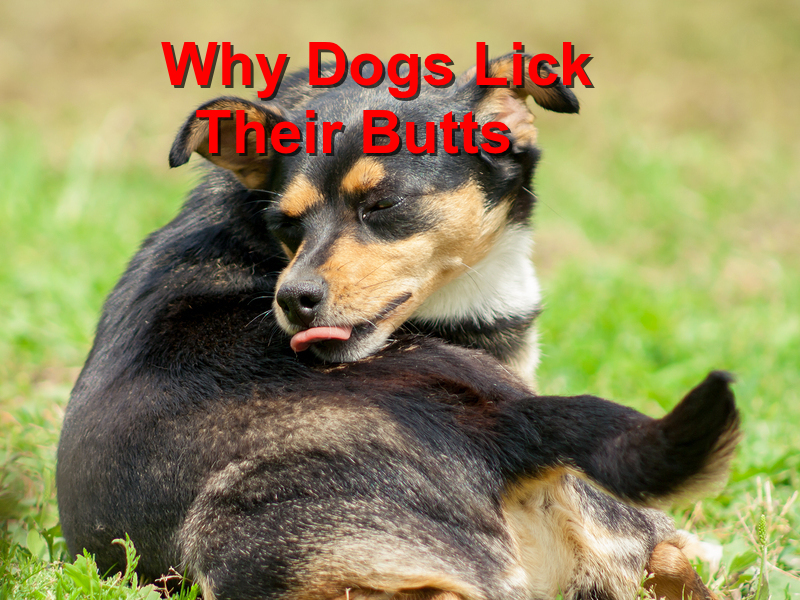
    Reasons Dogs Lick Their Butts

    Whenever dogs sit down and start licking their butts, it is usually a signal that the bottom area feels painful or itchy. The cause of irritation around the anal region in your dogs can be varied, but all of them require you to schedule a trip to the vet to reduce that discomfort. Read on below and discover the top reasons why dogs lick their butts.

    Anal Gland Problems

    A primary reason for discomfort around a dog’s butt is that their anal glands can be infected or adversely impacted. Besides licking around the affected area, the dog may also drag himself along the floor to seek relief from irritation through scratching. Healthy anal glands typically expel smelly fluids every time the dog defecates. If that doesn’t occur, these glands become impacted and swell up, leading to an abscess or bacterial infection. The vet will typically expel these fluids manually before prescribing treatment for any related infections.

    Internal Parasites

    Various types of internal parasites, including tapeworms, hookworms, roundworms, and whipworms, that live within your dog’s intestines may cause anal irritation and other health issues like nutritional deficiencies, vomiting, diarrhea, and anemia. You may also find the segments of these parasitic worms in around the dog’s anus and even in the stool. Once the fecal sample test is carried out, your veterinarian will prescribe treatment that will eliminate the internal parasites.

    Allergies and External Parasites

    Mites, fleas, and ticks all cause your dog’s rear region to become itchy. Fortunately, there are topical parasite treatments that you can use to get rid of these external parasites. However, if the parasites are not the reason for the itchy butts, you need to consider food allergies and contact allergies. With frequent bathing, hypoallergenic diet, and anti-inflammatory creams or drugs, you can provide relief for allergy-related butt itchiness.

    Skin Infection

    A fungal or bacterial skin infection may occur around the dog’s anal area, particularly when the affected skin was punctured. The anal area is particularly susceptible to diseases due to fecal matter presence every time your dog defecates. Regrettably, through excessively licking the anal region to minimize itching and pain, the skin gets more irritated, thus making the skin infections worse.

    Conclusion

    It is perfectly reasonable for dogs to lick their backside when grooming themselves. However, if you notice that the licking has become persistent or excessive, then it requires a diagnosis by your vet. You may even require getting an Elizabethan dog collar to help minimize further damage to the area your dog is licking to give it enough space and time to heal. In other cases, butt licking can also indicate anxiety issues, where no medical causes are identified.

    Sources: Pet Health Network, The Nest, I Heart Dogs

  • Pet Dental Health

    Pet Dental Health

    Help keep your pet free from dental ailments

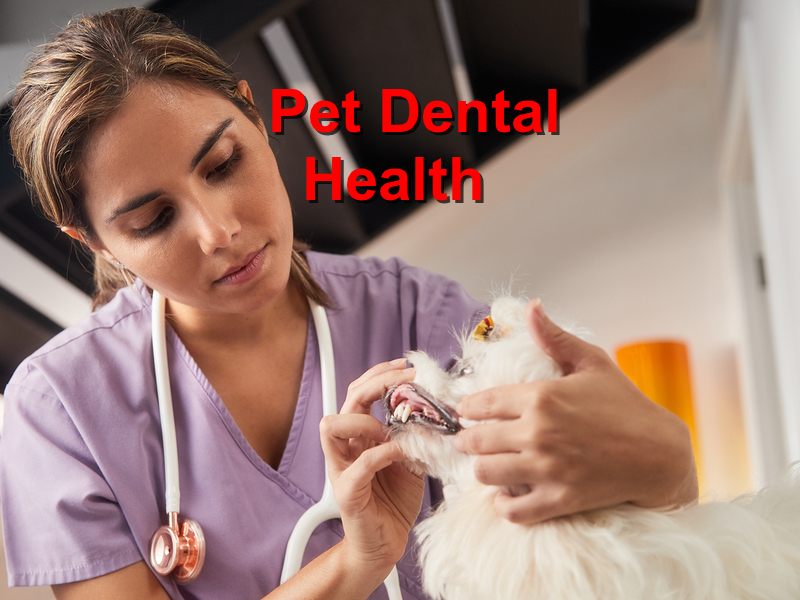
    Just like humans, our pets are also prone to the accumulation of bacteria, plaque, tartar, cavities, viruses and bleeding within their gums and teeth. Similarly, pet oral health problems are avoidable if the appropriate and timely dental care for the pet is effectively carried out to eliminate chances of such conditions. Apart from the vet’s dental cleaning option, renowned companies have created the essentials that will ensure you brush your pet’s teeth daily and prevent plaque buildup.

    Steps to your pet’s dental care

    Things you’ll need

    1. Toothbrush

    Usually, a human toothbrush will work well for most pets, with a child-sized brush being the ideal choice to fit and match the pet’s mouth.

    2. Toothpaste

    Human toothpaste is unsafe for pets since it contains toxic ingredients that would end up harming the animal. There are canine toothpaste types that are designed specifically for dogs and cats.

    3. The cleaning process

    Routine conditioning- it’s not appropriate to jump right away into brushing, and the best way is to introduce the pet to the process while young as a daily routine. If already grown, you could get the pet to lie in your lap and ensure it is comfortable enough to allow you to touch the inside of its mouth, lips, and teeth.

    Get a small amount of toothpaste and let the pet lick a bit. Begin brushing gently and slowing without putting much stress, forcing or struggling with the pet. If the cat or dog resists in the first trials, it’s wise to back off and try it when the pet is comfortable.

    If the pet is accommodative to the brushing, pay attention to avoid scrubbing too hard since it can lead to pain and discomfort. Take note also of the back of the teeth since most of the severe dental conditions tend to hide at the end.

    4. Possible alternatives

    While not every pet is accommodative of the brushing process at home, there is always the option of taking the animal to the vet for a professional dental cleanup. However, there are additional tips on how you can slow down these dental problems for your furry friend. There is the option of introducing safe toys which are the pet version of oral health products for people. Feeding the pet a high-quality diet is also ideal, and the vet is an excellent source of information on what to feed and not to feed your pet.

    Sources: DVM 360, Veterinary Practice News, AKC, Humane Society