Tag: Pets

  • Halloween Safety Tips

    Halloween Safety Tips

    Tips for Keeping your Pets Safe During Halloween

    Unusual activities, costumed visitors, anxiety, and fear can all make Halloween a nightmare for your pets. Whether your pets are prone to anxiety and fear or not, they like their daily routine, which when interrupted can cause them to feel agitated and uncomfortable. Here are some excellent tips for keeping your pets during Halloween.

    Never give your pets candies

    Regardless of how much fun you think it will be for your pets to participate in Halloween, you should never give them candies. All types of chocolate, specifically the dark or baking chocolate, can be lethal for cats and dogs. Chocolate poisoning symptoms include diarrhea, elevated heart rate, seizers, rapid breathing and vomiting. Also, xylitol, an artificial sweetener, can cause your dogs to have liver failure or other issues related to low blood sugar.

    Don’t Leave your pets outside during Halloween

    There are cases of vicious pranksters who injure, tease or even steal pets during Halloween. Black colored cats are more vulnerable to these cruelty-related pranks, so ensure that your pets are safely locked away indoors. 

    Keep your pets away from your front door

    While indoor is much better than staying outdoors during Halloween, your front door will likely be opened and closed constantly, with different visitors wearing strange costumes. Your pets may find that situation scary, resulting in unexpected aggression or escape attempts. Make sure you put your cat or dog away in a room far away from the door as possible to minimize stress.

    Don’t let your pets play with glow sticks

    Even though glow sticks are essential in keeping people safe during Halloween, your pet can easily chew one open. Fortunately, the liquid used in these devices is not toxic. If your pet bites into these glow sticks, offer them fresh water to clear out the material from the mouth.

    Keep all Halloween plants out of your pet’s reach

    Although your pet can safely eat small quantities of pumpkin and corn, ingesting moldy or uncooked Halloween display plants can cause huge problems. Your pet could get gastrointestinal upset or intestinal blockage when they swallow large pieces. 
    Avoid keeping lit items around pets

    When you are using any Halloween decorations that involve fireworks, candles or lanterns, ensure you place them out of easy access by your pets. It will prevent your pets from burning themselves and even causing a huge fire. The same also applies for any battery or electric-powered Halloween decorations. 

    Avoid dressing your pets in limiting costumes

    The pet costumes you choose must not restrict hearing, breathing ability, movement or eyesight. You should aim to make this process fun for your pet through positive reinforcement and treats.

    Lastly, ensure your pets have the proper IDs. Tags and collars are perfect for ensuring that they will be easily returned if they happen to get lost during Halloween. 

  • Heart Disease in Pets

    Heart Disease in Pets

    Tips on Dealing with Heart Disease in Pets

    Finding out that your cat or dog is suffering from heart disease can be quite tough. Depending on how far the condition has advanced, your veterinarian may have limited treatment options. However, although they are no scientifically proven methods of preventing heart disease, experienced veterinarians recommend that you recognize the symptoms of this health problem early. An early diagnosis means that your vet will have enough time to create a good treatment plan to help your pet maintain a decent standard of life. 

    Heart Disease Symptoms in Dogs

    The symptoms of heart disease typically appear in puppies who have the condition from birth. In contrast, acquired heart problems show up with old age. In both cases, slowing down and lethargy are indicative of cardiac issues and not just orthopedic discomfort or arthritis. 

    As the health issue progresses to the heart failure stage, most dogs start coughing along with increased respiratory effort and rate. It is recommended to monitor your dog’s natural breathing rate by counting the number of times their chest rises up in one minute. Anything under 35 is normal, but if you notice a progressive increase in effort or the rate, then go to the vet for a checkup immediately.

    Heart Disease Symptoms in Cats

    According to researchers, cat owners have a hard time noticing if their pet’s behavior is indicative of a health problem until the disease has progressed much further. For instance, your cat may be displaying the normal laziness associated with cats or they could be lethargic due to heart disease. Nevertheless, heart disease in cats can cause lack of appetite, respiratory difficulty, and enhanced reclusiveness.

    The cat purring behavior makes it challenging to count their respiratory rate. However, you can still try and count how many breaths they take every minute while your cat is sleeping. Anything under 50 breaths every minute is normal.

    Are Specific Pet Breeds More Vulnerable to Heart Disease?

    Some dog breeds are more vulnerable to developing heart problems. Certain large dog breeds like Dobermans, Boxers, and Great Danes are likely to develop cardiac myopathy, which involves enlargement of heart muscles, thus affecting its capability of pumping blood. Poodles, Schnauzers, and Pomeranians are all susceptible to valve diseases. In contrast, various breeds like Cairns, Terriers, and Westies among many others do not tend to become affected with heart complications as compared to other dogs. 

    It is harder to make the same sweeping generalizations for cats since many people do not own purebred cats. Nevertheless, several breeds like Bengals, Maine Coons and Sphinxes are the most affected by genetic hypertrophic cardiomyopathy. More scientific research is, however, necessary to understand the genetic causes of heart problems in cats. 

    Conclusion

    Early detection is critical to maintaining your pet’s optimal health even if they have heart disease. When the pet owner, a vet and a specialist intervene early on with the right medication, the dog or cat can live for years without experiencing fatal heart failure. 

    References: Pet MD, 2nd Chance, Pet Care Rx


  • Heart Disease in Pets

    Heart Disease in Pets

    Tips on Dealing with Heart Disease in Pets

    Finding out that your cat or dog is suffering from heart disease can be quite tough. Depending on how far the condition has advanced, your veterinarian may have limited treatment options. However, although they are no scientifically proven methods of preventing heart disease, experienced veterinarians recommend that you recognize the symptoms of this health problem early. An early diagnosis means that your vet will have enough time to create a good treatment plan to help your pet maintain a decent standard of life. 

    Heart Disease Symptoms in Dogs

    The symptoms of heart disease typically appear in puppies who have the condition from birth. In contrast, acquired heart problems show up with old age. In both cases, slowing down and lethargy are indicative of cardiac issues and not just orthopedic discomfort or arthritis. 

    As the health issue progresses to the heart failure stage, most dogs start coughing along with increased respiratory effort and rate. It is recommended to monitor your dog’s natural breathing rate by counting the number of times their chest rises up in one minute. Anything under 35 is normal, but if you notice a progressive increase in effort or the rate, then go to the vet for a checkup immediately.

    Heart Disease Symptoms in Cats

    According to researchers, cat owners have a hard time noticing if their pet’s behavior is indicative of a health problem until the disease has progressed much further. For instance, your cat may be displaying the normal laziness associated with cats or they could be lethargic due to heart disease. Nevertheless, heart disease in cats can cause lack of appetite, respiratory difficulty, and enhanced reclusiveness.

    The cat purring behavior makes it challenging to count their respiratory rate. However, you can still try and count how many breaths they take every minute while your cat is sleeping. Anything under 50 breaths every minute is normal.

    Are Specific Pet Breeds More Vulnerable to Heart Disease?

    Some dog breeds are more vulnerable to developing heart problems. Certain large dog breeds like Dobermans, Boxers, and Great Danes are likely to develop cardiac myopathy, which involves enlargement of heart muscles, thus affecting its capability of pumping blood. Poodles, Schnauzers, and Pomeranians are all susceptible to valve diseases. In contrast, various breeds like Cairns, Terriers, and Westies among many others do not tend to become affected with heart complications as compared to other dogs. 

    It is harder to make the same sweeping generalizations for cats since many people do not own purebred cats. Nevertheless, several breeds like Bengals, Maine Coons and Sphinxes are the most affected by genetic hypertrophic cardiomyopathy. More scientific research is, however, necessary to understand the genetic causes of heart problems in cats. 

    Conclusion

    Early detection is critical to maintaining your pet’s optimal health even if they have heart disease. When the pet owner, a vet and a specialist intervene early on with the right medication, the dog or cat can live for years without experiencing fatal heart failure. 

    References: Pet MD, 2nd Chance, Pet Care Rx


  • Healthy and Hydrated Pets

    Healthy and Hydrated Pets

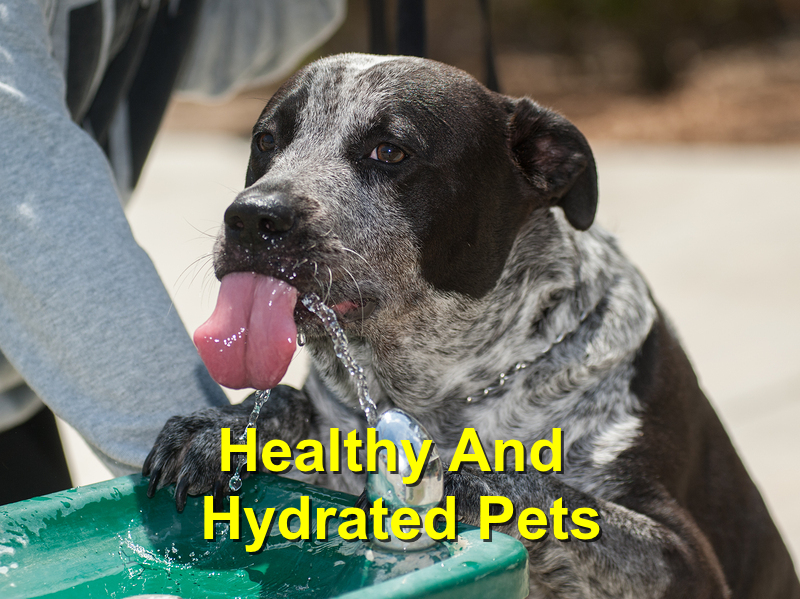
    Feeding your pet: How to Keep them Healthy and Hydrated

    With the warm weather upon us, it seems like a great time to get out and enjoy the sun while bonding outdoors. However, while the swimming, basking and hanging around outdoors may seem ideal for people, pets could have a hard time especially with issues such as heat, allergies, and bugs.

    Such a scenario necessitates the need to take safety precautions when it’s hot, whether you are traveling or just at home. With the following preventive care measures, you can get detect future heat problems and ascertain what is necessary to do depending on the condition.

    Dehydration signs

    • Generally, lethargy is the first sign of something wrong with the dog or cat. Some of the other symptoms frequently include
    • Decreased appetite due to the reduction in blood flow to the pet’s digestive tract, slowing down the process
    • Elevated breathing and heartbeat as the heart contracts and attempts to increase oxygen to the body tissues
    • Skin flexibility also indicates a level of dehydration with less skin flexibility evident from rigid and dry nose membrane and lack of the skin retaining the usual shape.
    • Water-seeking behavior is a definite indication of the pet’s need for water, and this can lead to the animal potentially drinking water from unfamiliar places.

    What you can do

    1. Consistent Supply of Fresh Water

    The pet hydration needs should be constant since the average dog or cat is said to need an ounce of water per a pound of body weight each day. It is, therefore, necessary to ensure there are water sources that make cold water available to drink whether if it’s indoors or outdoors during hot weather.

    2. Diet

    Making sure the pet is fully hydrated would mean focusing on changing the diet to suit more moist foods. Such a scenario would entail feeding the dog or cat rehydrated commercial feeds or home-prepared meals over the typical dry kibble.

    3. Vet Visit

    At times the heat may become unbearable for the pet, and in dire situations, any fever or health-related ailment would require professional help. You can set up a checkup for the pet whenever you feel the dehydration symptoms are becoming more evident than usual.

    Overall, these are simple precautions that could play an essential role in protecting the pets during the warm weather. As a matter of convenience, you can purchase pet insurance to cover your pet in any case of emergency or accident.

    Sources: AKCCHF, Animal Awareness, VCA Hospitals


  • Tips to keep your dog safe this 4th of July

    Tips to keep your dog safe this 4th of July

    Five tips to keep your dog safe this 4th of July

    Unless you follow the necessary precautions and pet-friendly tips, there are plenty of unfortunate situations that could happen to your dog during a holiday such as 4th of July. Fortunately, we focus on some of the possible threats to your dog and what necessary actions you can take before heading out for the holiday festivities.

    Fireworks

    There is no July 4th without fireworks. But to your dog fireworks are the most significant threat since their hearing is acuter than a human’s. That means the animal can become nervous and distressed by the loud noises. Instead, you should keep them in a safe, quiet and escape-proof area at home.

    Water Safety

    We are aware that dogs are not excellent swimmers, and the festivities always come with pool parties or lakeside events. Whatever, type of water the event is, it is imperative to keep supervising the dog’s activity and ensure it does not drink or swim in any chlorinated pool since the harmful chemicals could cause health and skin problems

    Dog Movement

    Never leave your dog unattended outside, even if it’s on a leash in a fenced yard or kennel. Often dogs become frightened and may run off and become lost or also injured along the way. There is also the risk of the leash or chain getting entangled and potential injury or death.

    Picnics and Barbecues

    Some foods are safe for most of us but not necessarily to the dogs. Some of the dangerous foods could include raisins, grapes, chocolate, and onions. Overall, the best option would be to prepare something in advance for your dog, let’s say a special treat or dog food that they like.

    Outdoors Protection

    Remember dogs do not tolerate the sun as well as we do, therefore a sun umbrella, pop-up tent or some other type of shade for the dog could help it cool off. Also, ensure the dog always has plenty of fresh water during the day to stay hydrated.
    For many, the 4th of July is an excellent time to lounge outdoors with family and friends (inclusive of the four-legged companion. While it seems a like an excellent idea to bring your dog along, it may not turn to become a not so enjoyable holiday. However, the intent is not to encourage you to exclude your dog in fun but to ensure a joyful and safe Independence Day.
     
  • Tips to keep your dog safe this 4th of July

    Tips to keep your dog safe this 4th of July

    Five tips to keep your dog safe this 4th of July

    Unless you follow the necessary precautions and pet-friendly tips, there are plenty of unfortunate situations that could happen to your dog during a holiday such as 4th of July. Fortunately, we focus on some of the possible threats to your dog and what necessary actions you can take before heading out for the holiday festivities.

    Fireworks

    There is no July 4th without fireworks. But to your dog fireworks are the most significant threat since their hearing is acuter than a human’s. That means the animal can become nervous and distressed by the loud noises. Instead, you should keep them in a safe, quiet and escape-proof area at home.

    Water Safety

    We are aware that dogs are not excellent swimmers, and the festivities always come with pool parties or lakeside events. Whatever, type of water the event is, it is imperative to keep supervising the dog’s activity and ensure it does not drink or swim in any chlorinated pool since the harmful chemicals could cause health and skin problems

    Dog Movement

    Never leave your dog unattended outside, even if it’s on a leash in a fenced yard or kennel. Often dogs become frightened and may run off and become lost or also injured along the way. There is also the risk of the leash or chain getting entangled and potential injury or death.

    Picnics and Barbecues

    Some foods are safe for most of us but not necessarily to the dogs. Some of the dangerous foods could include raisins, grapes, chocolate, and onions. Overall, the best option would be to prepare something in advance for your dog, let’s say a special treat or dog food that they like.

    Outdoors Protection

    Remember dogs do not tolerate the sun as well as we do, therefore a sun umbrella, pop-up tent or some other type of shade for the dog could help it cool off. Also, ensure the dog always has plenty of fresh water during the day to stay hydrated.
    For many, the 4th of July is an excellent time to lounge outdoors with family and friends (inclusive of the four-legged companion. While it seems a like an excellent idea to bring your dog along, it may not turn to become a not so enjoyable holiday. However, the intent is not to encourage you to exclude your dog in fun but to ensure a joyful and safe Independence Day.
     
  • How to Prepare Your Home for Guests with Pets

    How to Prepare Your Home for Guests with Pets

    Having guests over is a great feeling, but you would have a lot of considerations to make if they intend to tag along with their fur friends. Hence, you should always prepare to receive guests with pets in an exclusive manner.
    The idea here is to make everyone at your home comfortable around the new-comers, and that would include your pet. But what if your pet isn’t guest friendly? How do you go about it?

    Learn about the Visiting Pet

    We advise that you take time, like a few days before the visit to call your guest and inquire about their pet. What do they like and how do they behave around strangers (both human and animals). That way, you will get a rough idea of how to organize your space and even prepare other family members for a visit.

    Prepare a Spot for your Pet

    Before the visit, organize a place for your pet. For instance, if they like resting near the living room, you can shift them to the hallway for some privacy and avoid conflicts with the visiting pet. However, be sure they are comfortable and used to the spot at least before the big day.

    Let your Guest Corporate with You

    Inform your visitor/s that you also have a pet at home and let them know. By doing this, it won’t come as a surprise when you request them to keep their dog/cat out of the way as yours makes its way to the yard. Also, some people don’t like their pets mixing with others, so it’s important that your guests stay informed.

    Keep your pet Busy

    You can decide to have someone take your canine for a walk during the time of visit to avoid conflicts. Consequently, if that isn’t possible, buy them a new playing machine to keep them wowed. Remember to have their toys within reach as well and check on them often.

    Don’t skip your Pet’s Daily Routine

    Ensure your pet gets on with their daily activities, and this calls for the help of other family members. For instance, meals and toilet visits should be on time to avoid triggering your pet into throwing a tantrum. It could get worse if they feel the “intruder” is receiving more attention themselves.

    Reconsider Those Seat Covers

    It’s more likely that the visiting furry might climb on your seats. So if you are not comfortable with them leaving some scent, you can take your favorite seat covers off.

    COPYRIGHT: Local Value
     
  • Pet Safety: Top This Labor Day Weekend Tips

    Pet Safety: Top This Labor Day Weekend Tips

    This Labor Day Weekend will be a wonderful time, but it can be stressful and sometimes even dangerous for pets. Here are answers to 5 questions that will help you and your pet have a wonderful Labor Day Weekend.

    How can I keep guests from sneaking food to my pets? 

    Be direct and ask them not to give any human food. Explain that as tasty as it is for humans it can cause severe problems for your animal. If you feel that this request will not effect, then play it safe rather than sorry, and put secure your pets away from the area where guest will be.

    Which foods are most harmful?

    Chocolate, caffeine, alcohol, macadamia nuts, candy, sugar, and foods with high salt content can all be deadly. Consult with us about foods that are particularly hazardous to your animal, and then be vigilant about leaving any of these foods out even for a moment.

    What kinds of plants can cause problems during the Labor Day Weekend?

    Steer clear of poinsettias, holly, lilies, and mistletoe. Pine needles have the potential to puncture the intestines when swallowed. So as much as these plants symbolize the holidays for many of us, your pet’s safety should come first.

    How should we handle all of the extra cords?

    You can tape them down, run them behind furniture, or put them under a rug. Running wires through inexpensive plastic tubing that can be bought from the hardware store is also a great way to limit access to pets and young children.

    What’s the best way to stabilize the tree?

    Build a wooden box on which to place the tree. Use a tree holder that has flat feet. Put a bolt on each foot of the tree holder and screw it down on both sides of each of the feet.

    This will prevent the tree from tipping if Chance (dog) pulls on it, Fluffy (cat) jumps on it, or Rio (bird) sits on it. Anchoring from the ceiling is also possible, but for those who are mechanically challenged this may not be an option.

    Being vigilant about what kinds of products you bring into your is the best way to keep your pets safe.

    The Labor Day Weekend is stressful for people, and for pets as well.

    Make sure that you carve out plenty of time to spend with your pet. And regardless of what you celebrate, sharing the love is what it’s all about. 

    SOURCE: Huffington Post, Vet Street

    COPYRIGHT: Local Value