Tag: Pets

  • What You Need to Know about Ear Mites in Pets

    What You Need to Know about Ear Mites in Pets

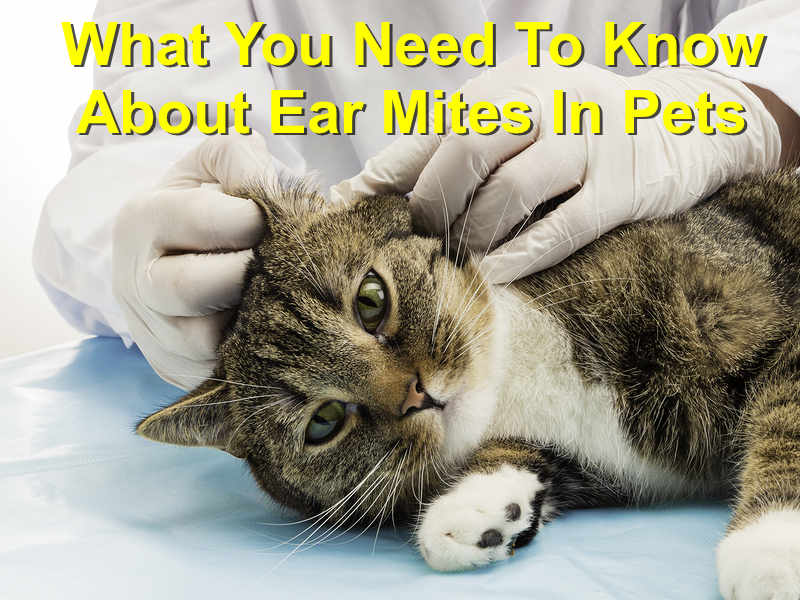
    Ear mites are without a doubt one of the major parasite problems afflicting pets nowadays. Also known as Otodectes Cynotis, ear mites have grown to be quite common and pervasive in the past five years. Usually, most pets (dogs and cats) can tolerate these parasites without any major complications. However, the problem starts if the afflicted pet has a hypersensitive reaction that results in hematoma and excessive skin irritation. In line with this, here’s a quick guide on all you need to know about ear mites. 

    1. What Causes Pet’s Ear Mites?

    Generally speaking, ear mites are typically spread and transmitted via mutual socialization with cats and dogs. Especially if your pets spend a lot of time outside.

    Generally speaking, ear mites are typically spread and transmitted via mutual socialization with cats and dogs. Especially if your pets spend a lot of time outside. 

    2. How Can You Tell that Your Pet Has Ear Mites?

    Physically, ear mites are tiny – almost microscopic. If you’re lucky, you can chance on them as an array of glistening – almost shiny – white dots that tend to scurry away when

    Physically, ear mites are tiny – almost microscopic. If you’re lucky, you can chance on them as an array of glistening – almost shiny – white dots that tend to scurry away when a light is shone on them. But this is just the tip of the iceberg – usually, ear mites hide in thousands deep inside the ear canal, making it virtually impossible to see them without the aid of specialized equipment. To rule out the possibility of ear mites in your fur buddy, visit a vet and let him conduct a thorough otoscope analysis in the pet’s ear canal. It is only this way that you can rule out the possibility of mites infestation.

    3. What are Some of the Common Symptoms of Mites Infestation?

    Some of the tell-tale signs of a possible mite attack revolve around frequently shaking the head, scales, and

    Some of the tell-tale signs of a possible mite attack revolve around frequently shaking the head, scales, and crustings on the neck, excessive scratches and abrasions on the underside of the ears – as a result of frequent scratching. Others include generalized itching especially around the head and coffee ground-like pimples and bumps inside and around the ear canal.

    4. How to get Rid of Ear Mites.

    Since the infection and mites infestation is highly contagious, it is recommended that all household pets be subjected to the same treatment to lessen the chances of cross-transmission. Start by cleaning the pet’s ears thoroughly with a commercial liquid ear cleaner. It is important to ensure that you use the correct formulation – whether you’re dealing with dogs or cats. That being said, the application of these ear parasiticides ought to be repeated every 10 – 14 days until the mites have been eradicated. The same applies to the thorough cleaning and fumigation of the pet’s kernel or resting area. Take advantage of the fact that mites do not survive for long outside a pet’s body.

    SOURCES: Petful, Blue Cross

    COPYRIGHT: Local Value

  • Bring Your Kids and Pets Out to Play

    Bring Your Kids and Pets Out to Play

     Nothing can arguably bring you so much joy, fulfillment, satisfaction, and a sense of purpose than a litter of pets and a group of kids. In fact, the best way of taking a break from the daily humdrum of our busy, arduous, and lackluster days is by spending a day with children and animals. This is one of the reasons Collen Paige – a celebrity, family, lifestyle and pet expert – pushed for the commemoration of Pets and Kids Day every year on April 26th. And this year is no exception. The former EMT and medic also recognized the importance and value of the special bond that kids typically develop with their pets and chose to set aside a day to pay homage to this unique relationship. This is also the day that adults and parents are encouraged to help spread awareness of the plight that sheltered, unadopted pets face every year that they remain unclaimed.

    kids pets dayAccording to the pet lover, who is also the founder of numerous animal welfare organizations, the Pets and Kids Day is the ideal time of the year to teach our children how to show unconditional compassion. It is also the day to re-evaluate the kind of relationship that our children at home have developed with our pets. Children with learning difficulties, for instance, can improve their reading and understanding prowess by regularly reading to pets. Unlike when reading to other people, shy children are not afraid to make mistakes, mispronounce words and strive to do better altogether when conversing with pets.

    A recent study also shows that kids whokids pets day are entrusted with the responsibility of taking care of pets early in life turn out to be more caring, responsible and all-around adults. In fact, they tend to be more extremely compassionate, nurturing, selfless and dedicated. And April 26th is the best day of the year to appreciate the role our pets play in our kid’s upbringing.

    SOURCE: Kids and Pets Day
    COPYRIGHT: Local Value

  • 5 Important Pet Health Tips to Ring In The New Year

    5 Important Pet Health Tips to Ring In The New Year

    As a pet owner, you should ask yourself what you can do to keep your pets health in check. And what better time to do it than the New Year! Here are 5 Important Pet Health Tips you can use as a checklist to make sure your pet is happy and healthy for many, many, years to come.

    1. Schedule a yearly veterinary examination

    Annual examinations for your pet are important. You never want to wait till your pet is sick before bringing them in to us. Rather, schedule a yearly examination with us so you can be assured that your pet is healthy. An annual physical exam is a vital part of maintaining a long, healthy, and happy, life for your pet.

    1. Vaccinations

    Are your pet’s vaccines up to date? Immunizations protect our pets from harmful diseases caused by viruses and bacteria. Ask us to find which vaccines can benefit your pet based on their lifestyle and breed, and how often your pet should receive vaccines.

    1. Screening Tests

    Screening tests are very important because they detect disease before signs and symptoms even occur. We will recommend screening tests to look for problems like diabetes or thyroid disease, depending how old your pet is.

    1. Parasite protection

    Parasites are a common disease in pets. They can be internal or external, like fleas and ticks. Parasites  can also lead to heartworm and Lyme disease, to possible death which is another reason to schedule an exam each and every year.

    1. Microchips

    Does your pet have a microchip? If not, they should. While ID tags are important, you can’t guarantee that you’ll find your pet if they wander away from home. Collars and ID tags are not always the answer because they can get brittle and fall off. It’s always better to be safe than sorry.

    We all want to ensure the best for our pets. These pet health tips should ensure that your pet has a safe New Years for many years to come.

    Source: Pet Health Network
    Copyright: Local Value

  • National Lost Pet Prevention Month

    National Lost Pet Prevention Month

    What You Can Do To Keep Your Pet Safe

    July is National Lost Pet Prevention Month and the thought of losing our beloved pets is unbearable for most. We love them and want to make sure we are doing everything we can as responsible pet parents to ensure they are healthy, happy and SAFE!

    There is so much new technology out there these days to help us find our lost animals, should the worse happen, but we shouldn’t forget about traditional methods like getting your pet a proper identification tag.

    This is the first thing you probably get for your new furry four-legged friend when you bring them to their new home but you have to make sure you include important relevant information on the tag to ensure that your pooch or kitty can get returned safely to you should they get out for whatever reason.

    Unfortunately, a lot of people don’t include the information they should when getting this tag. If you follow these few handy tips you should have no problem!

    Make sure to include the following information:

    • Your Pets Name
    • A Cell Number, and additional number
    • Your Address
    • I’m Microchipped! (if applicable)

    One thing to be aware of is when you put your pets name on the tag, everyone will know your pet’s name. It is great for someone with good intentions who wants to return your pooch to you, but a person with less Nobel intention could use that information to lure your animal away. Fortunately, in most cases the situation is not the latter and it is better safe than sorry.

    Here is hoping that your pet never runs away or escapes but if the worse does happen, at least you can ensure that you took the steps towards his safe return by providing all of the necessary information to whoever finds your fido or fifi.

    SOURCE: Pet Health Network
    COPYRIGHT: Local Value LLC

  • Pet Advice: What July 4th Means To Your Pet

    Pet Advice: What July 4th Means To Your Pet

    July 4th

    Usually, you get together with your friends and family on Fourth of July, right? You might have a picnic or a little backyard BBQ, relax and maybe go see some fireworks. That might sound like a good time to you, however, all of the Fourth of July festivities can terrify your pets.

    Pay attention to you pet to how they react to the loud sounds of fireworks because you never know if those sounds are frightening your pet and could cause them to run. The summer heat is another thing to worry about and could be very dangerous. In order to keep your pets safe, it’s important to follow a plan to keep them safe.

    Fourth of July Safety Tips:

    1. ID Tags: Always make sure your pets – cats and dogs alike – have ID tags with correct information on them.
    2. Current Photo: Always have a current photo on hand. You don’t want to show a picture of your lost pet if the pic is a baby picture.
    3. Microchip: Consider getting your pet microchipped. If your pet is microchipped then make sure all information is up to date.
    4. Anxiety Reduction: If you know your pet gets anxious during loud noises like fireworks, consult your local veterinarian on which types of treatments or therapy can help reduce the risk of problems.
    5. Secured Gates: Make sure all of your gates are locked, pet doors or gates are secure. You want to keep your pet safe and don’t want them to escape.
    6. Cates: Crates can keep your pets safe. Consider putting your pets in a safe and secure, escape proof room or crate during Fourth of July Festivities.
    7. Indoors: If you keep your dogs outside then consider bringing them inside during fireworks and they will thank you.
    8. Table Scraps: Avoid the urge to feed your pets table scraps or other foods intended for people.
    9. Trash: Check your yard for any trash that might have been left out from the festivities. There might be something dangerous like sharp objects such as cans or toothpicks.
    10. Cars: You should never leave your pets in the car when it’s warm outside. Vehicle interiors heat up much faster than the air around them, and even a short time in a locked car can be dangerous to pets.

    SOURCE: AVMA
    COPYRIGHT: Local Value

  • Senior Pets

    Senior Pets

    Did you know that cats and dogs are usually considered “senior” at 7 years of age? Larger breeds of dogs are even considered senior at 5 years old. That being said, it is important to remember that not only is your pet’s coat color getting greyer, but also your pet’s organ systems are changing as they age. Below are some things that you need to be on the look out for:

    • An older pet is more likely to develop diseases such as heart, liver and kidney disease, cancer or arthritis. Cancer accounts for about half of the deaths of pets over the age of 10.
    • It is normal for pets to lose some of their sight and hearing as they age, just like humans. If your pet’s eyesight is failing, avoid rearranging or adding furniture or other items that could become obstacles.
    • If your pet is starting to avoid jumping, active playing or even daily activities such as jumping into your car, it may have arthritis.
    • Behavioral changes in your pet can serve as the first indicators of againg or of a problem. Changes might be due to pain, or worsening signt or hearing or even due to its normal aging process.
    • Weight can have an enormous effect on an older pet’s health. Excess weight in older pet increases the risk of arthritis, difficulty breathing, diabetes, high blood pressure, skin problems, cancer and other conditions.

    Because older pets are more likely to develop certain conditions, it is very important that they are regularly examined by a veterinarian to maintain them healthy. For more senior pet’s information go to the American Veterinarian Medical Association Senior Pets webpage.

  • Pets and Summer Weather

    Pets and Summer Weather

    We’re ready for summer weather and we know our pets are probably looking forward to getting outside too! If you are a very active dog owner and like jogging or running outdoors with your best canine friend, make sure he or she enjoys the activity as much as you do. Just as running isn’t the sport for everyone, it’s not the sport for every dog either.

    First remember that running injuries are not restricted to two-legged runners. Remember that while you are wearing well-padded shoes, your canine companions are not. Running on concrete can put a lot of stress on your dog’s body and put them at risk of having injuries.

    Remember that your dog’s breed may play a role too. Huskies, for example, might be much happier in cold weather and very miserable in the heat. Be aware of this before taking your best friend for a run.

    Finally, if you have a short-nose dog like a pug, mastiff or boxer, know that these dogs have abnormalities in their airways, which makes it harder for them to breath.

    To keep you and your pet safe when running, follow these simple rules from the American Veterinary Medical Association: