Tag: dog

  • Choosing the Best Dog Breeds

    Choosing the Best Dog Breeds

    Guide for Senior Citizens When Choosing the Best Dog Breeds

    Dogs have been proven to be of great benefits for senior citizens. They not only bring joy and unconditional love but also help to enhance the lives of older adults. The following is a guide for seniors who are looking for canine companionship and tips on how to incorporate these precious pets into their everyday lives.

    According to veterinarians, it is critical to be careful of the dog breed you choose. You must consider the quality of life for both yourself and your pet. Some of the primary considerations include the size of your house and how regularly you plan on walking your pet among others. Here is a collection of the best breeds for seniors.

    Pug

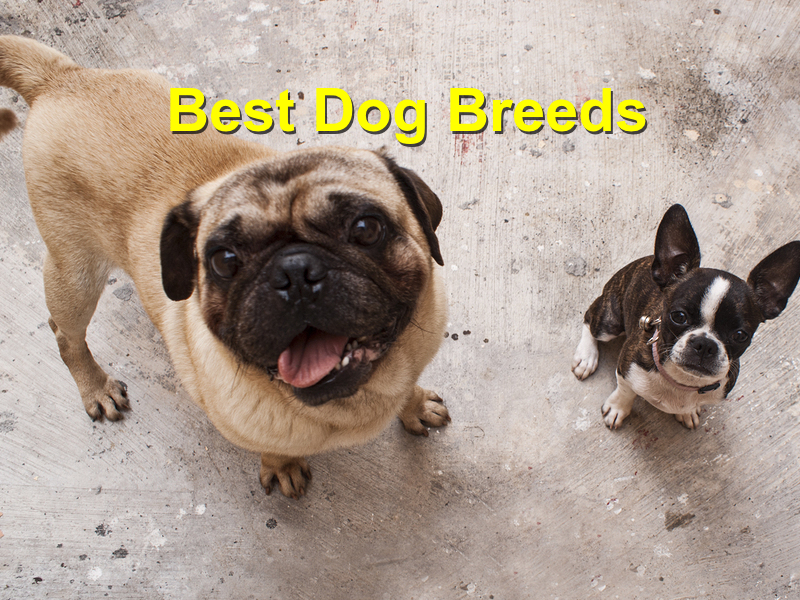
    The ever-charming pug breed represents a versatile type that makes perfect companions for various people, including senior citizens. Besides requiring minimal grooming and having moderate exercise requirements, Pugs have plenty of fun personality about them. However, since they can be a bit heavy compared to other toy dog breeds, seniors should consider that before choosing them.

    Shih Tzu

    The low-maintenance and easy-going Shih Tzu breed are usually fitting matches for senior citizens. These little dogs are fun, natural companions that do not need a lot of exercises. They are always happy to relax with their owner and are loving and sweet. The only thing that they need is daily brushing and regular grooming to maintain that perfect look.

    Japanese Chin

    A quiet and tidy little pup, Japanese Chins are renowned for being nearly cat-like. As a result, it makes them ideally suited for living in apartments and enjoying short and slow walks. They generally love spending time with people. Additionally, despite having long and beautiful coats, they are surprisingly easy to maintain and only require weekly brushing.

    Boston Terrier

    If you want a more adventurous dog breed, then you should consider getting the Boston Terrier. It is a lively and well-mannered dog breed that delights in the outdoors and plenty of activities. They have great personalities and are quite intelligent, which is easier to train them. Best of all, these dogs love making their people happy.

    Chihuahua

    The most popular dog breed for seniors, the Chihuahua, is the perfect choice because of their tiny size and light exercise requirements. These precious little dogs enjoy the lap time and therefore, thrive as the ideal companions for the elderly. Nevertheless, Chihuahua can also be quite overprotective and loud.

    References: Pet Coach, Love To Know

  • Tips for Effective Dog Dental Care

    Tips for Effective Dog Dental Care

    As a dog owner, you think carefully about maintaining your pet’s health: providing quality food, keeping fit and routine checkups. However, many people often overlook an equally important part of their dog’s general health, oral hygiene. According to veterinarian reports, more than 85% of dogs above four years old suffer some dental disease, like periodontal disease or gingivitis. Here are a few tips on the best ways to give your dog the best dental care and avoid dental issues.

    Tips for Brushing your Dog’s Teeth

    The recommended frequency of brushing your dog’s teeth is as regularly as possible. For smaller breeds like Chihuahuas and Yorkies that are susceptible to dental diseases, the ideal rate is every day. However, with larger dog breeds, you can aim for at least once per week or after a few days.

    As for the doggie toothbrush, you can use a soft, human toothbrush that is adequately sized to match the dog’s mouth. Also, you can buy a canine toothbrush as it is angled and easily fits over your fingertip. Chose the type you both enjoy using.

    Since it is not likely that your dog knows how to spit, you should get a type of toothpaste that they can swallow safely. That swallowing factor rules out all human kinds of toothpaste as they contain detergents and abrasives that your dog should not ingest. Additionally, dogs will enjoy the seafood or poultry options of their canine toothpaste.

    How to Maintain Proper Dental Care

    Effective dog dental care is not just limited to preserving oral hygiene, but it also includes everything the dog does in between the brushing sessions. Dogs can also gnaw down on dental treats and bones that are designed to keep their teeth polished, strong and healthy. Luckily, most of these chew toys for dogs are appealing, which makes maintaining oral health an enjoyable activity.

    When it comes to choosing the best type of dog food, both wet and dry foods will leave a residue that builds up over time to create tartar. The healthiest food for your dog’s teeth is raw meat as the pets must use their teeth to gnaw and tear at this crucial protein source the way it was intended by nature. Also, schedule regular dental checkups at your local vet.

    Conclusion

    Like regular grooming, dog dental care must be done regularly so that your pet comes to anticipate it each day. However, it will not happen overnight since most dogs typically take time becoming accustomed to people cleaning their teeth. It is best to introduce these dental care practices early in puppies while taking a patient, slow approach with adult dogs.

    References: Cesar’s Way, Rover, Dogster, Animal Planet
    Copyright: Local Value

  • Protect Your Dog From Fall Dangers

    Protect Your Dog From Fall Dangers

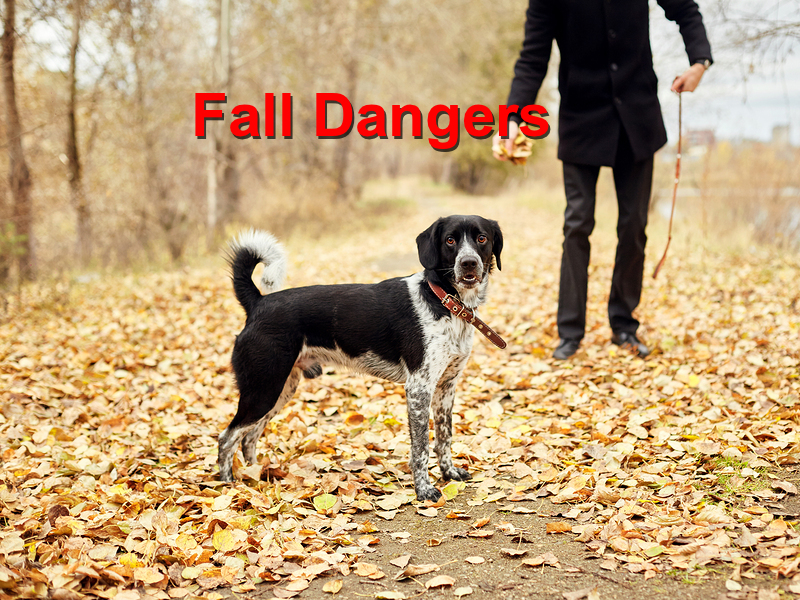
    We are always eagerly anticipating the fall season mainly because of the holidays that come with it. It is a time for Halloween and many other parties where we invite our loved ones to celebrate with us. For dog owners, it is also time to play and have fun with our pets. However certain things during this season can harm dogs and ruin the holidays for us. Here are some of the fall dangers that can affect your dog.

    Common Fall Dangers to Dogs

    Halloween Candy

    Halloween time is one of the most awaited holidays for this season. There is no Halloween without candy. Unfortunately, these candy and candy wrappers can be harmful to your dog. Pets can access candy easily since it is usually all over the place. If your pet consumes candy, it can cause gastrointestinal upset or even chocking. Dogs that have eaten candy show signs of seizures vomiting, diarrhea or appear to be extra hyper.

    Plant Decorations

    We love to decorate our homes during the holiday season. It is crucial to know some decorating plants are harmful to dogs. Plants such as poinsettias result in oral irritation and could also cause gastrointestinal upset. Other plants that could harm pets are Chrysanthemums, holly, and mistletoe. Ensure that plants Decorations are not accessible to your Pets.

    Temperature Changes

    The fall season comes with weather changes. This season can be cold in certain places. Some dogs especially young ones and those with a weak immune system will require warm clothing. This can protect them from getting ill.

    Allergies

    Just like human beings, Dogs also experience seasonal allergies. Some signs of allergies include sneezing itching watery eyes and coughing.

    How to Avoid these Dangers

    Ensure that all edible items and food that are not appropriate for pets are stored away. Keep your trash cans in places that your dog cannot reach. Doing this will protect your dog from illnesses and hazards such as chocking.

    Contact the Veterinary-If you see your dog exhibiting signs of any disease, contact the Vet immediately. Most of these dangers are treated quickly if you reach a veterinary. For every pet owner, it is vital that you have a vet’s contact all the time.

    Prepare your Pet for the season-It is critical that you prepare to avoid certain dangers such as allergies. Buy warm sweaters and jackets before the season in case your dog may require them.

    Conclusion

    Fall seasons should be a time to celebrate, but we cannot do that if our lovely pets are sick. Ensure you take every necessary precaution to prevent your dogs from anything that may cause harm.

    References: Pet Health Network, PetMD, Chewy
    Copyright: Local Value


  • Reasons Dogs Lick Their Butts

    Reasons Dogs Lick Their Butts

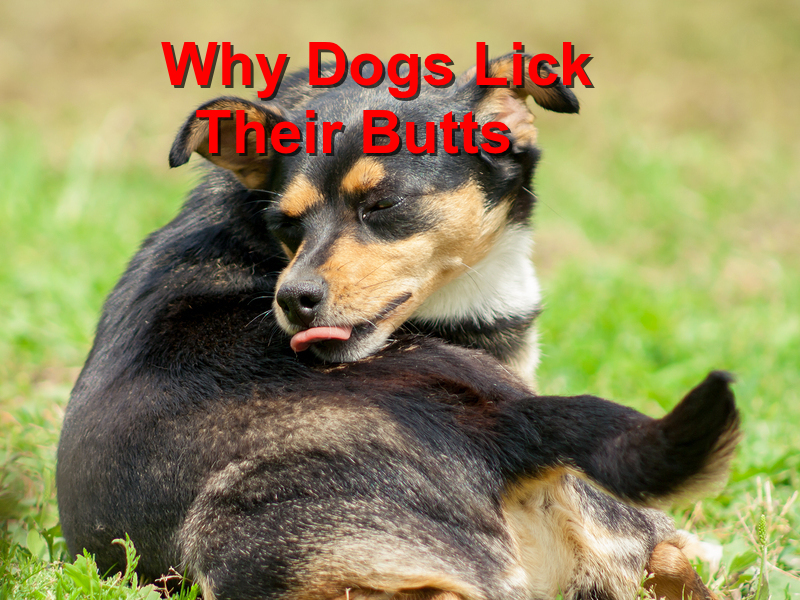
    Whenever dogs sit down and start licking their butts, it is usually a signal that the bottom area feels painful or itchy. The cause of irritation around the anal region in your dogs can be varied, but all of them require you to schedule a trip to the vet to reduce that discomfort. Read on below and discover the top reasons why dogs lick their butts.

    Anal Gland Problems

    A primary reason for discomfort around a dog’s butt is that their anal glands can be infected or adversely impacted. Besides licking around the affected area, the dog may also drag himself along the floor to seek relief from irritation through scratching. Healthy anal glands typically expel smelly fluids every time the dog defecates. If that doesn’t occur, these glands become impacted and swell up, leading to an abscess or bacterial infection. The vet will typically expel these fluids manually before prescribing treatment for any related infections.

    Internal Parasites

    Various types of internal parasites, including tapeworms, hookworms, roundworms, and whipworms, that live within your dog’s intestines may cause anal irritation and other health issues like nutritional deficiencies, vomiting, diarrhea, and anemia. You may also find the segments of these parasitic worms in around the dog’s anus and even in the stool. Once the fecal sample test is carried out, your veterinarian will prescribe treatment that will eliminate the internal parasites.

    Allergies and External Parasites

    Mites, fleas, and ticks all cause your dog’s rear region to become itchy. Fortunately, there are topical parasite treatments that you can use to get rid of these external parasites. However, if the parasites are not the reason for the itchy butts, you need to consider food allergies and contact allergies. With frequent bathing, hypoallergenic diet, and anti-inflammatory creams or drugs, you can provide relief for allergy-related butt itchiness.

    Skin Infection

    A fungal or bacterial skin infection may occur around the dog’s anal area, particularly when the affected skin was punctured. The anal area is particularly susceptible to diseases due to fecal matter presence every time your dog defecates. Regrettably, through excessively licking the anal region to minimize itching and pain, the skin gets more irritated, thus making the skin infections worse.

    Conclusion

    It is perfectly reasonable for dogs to lick their backside when grooming themselves. However, if you notice that the licking has become persistent or excessive, then it requires a diagnosis by your vet. You may even require getting an Elizabethan dog collar to help minimize further damage to the area your dog is licking to give it enough space and time to heal. In other cases, butt licking can also indicate anxiety issues, where no medical causes are identified.

    Sources: Pet Health Network, The Nest, I Heart Dogs

  • Leash Training

    Leash Training

    Leash Training your Dog? Here are Tips on the Right Ways

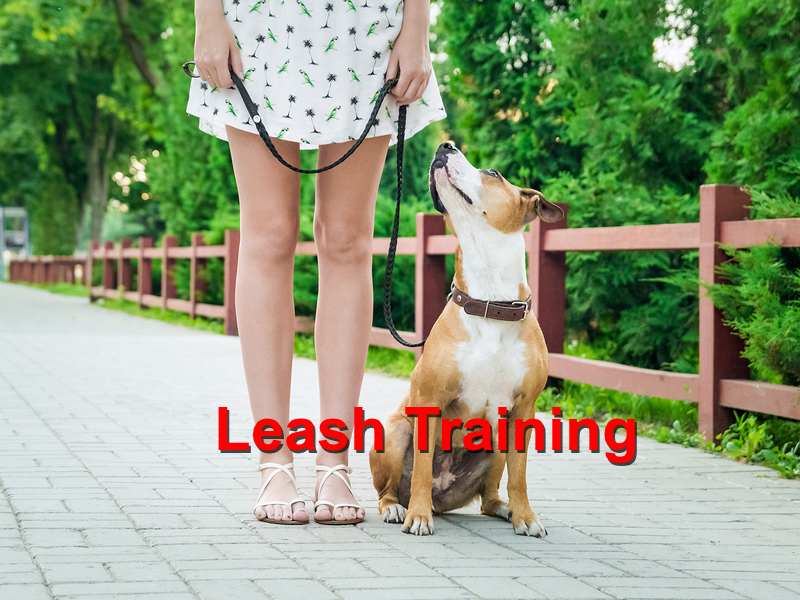
    Pet owners and especially those with dogs know how curious the animal can get and with such a situation often comes with the animal wandering off when outdoor. Therefore, one of the most important things to do for your beloved pet is to leash-train them when they are at a young age.

    Now, here are the simple tips to help you through the leash training process for your pup. Hopefully, these steps will lead to a better relationship between the pet and you.

    Starting Early

    For the best results in leash training, the idea is to begin the process at an early age while they are a puppy. With a dog’s lifespan being short, the young age offers an easily trainable phase that enables fast learning of instructions. You can start with simple understandable follow commands to get the pup to walk towards you.

    Getting the Collar

    The collar training should start immediately to condition the dog to accept it as part of their routine. If it’s a pup, the option is, to begin with a soft string collar that is comfortable on the neck. At the right age, you can pick a collar with stronger material to have them get used to it.

    Routine Walks

    Once the dog is comfortable with walking with the collar and leash around the indoors, it’s time to take the learning to public places. The outdoors would indicate the efforts of the training process since it unleashes the behavior of the pet. If the first walk with a leash is successful, then it’s recommendable that you begin a regular walk program to help them exercise and remind them of their leash training.

    Don’t be Harsh

    At not one time is it advisable to strike, yell or pull the dog while on a leash as it can lead to an injury to the dog. Additionally, altercations could result in undesirable traits.

    Reward Good Manners

    There are plenty of times the dog might become stubborn on the leash, and the best trick is to get them comfortable by using treats to trick the pet and bring its attention back to you.

    Recap

    To sum it up, these steps remain simple methods to leash train your dog and get the best relationship out of your special friend. Be sure to have patience and get the pet used to the leash to avoid encountering problems while in public.
    Sources: Science Daily, Humane Society, Animal Foundation, AKC


  • Protect your dog from ticks

    Protect your dog from ticks

    7 Habits to help protect your dog from ticks

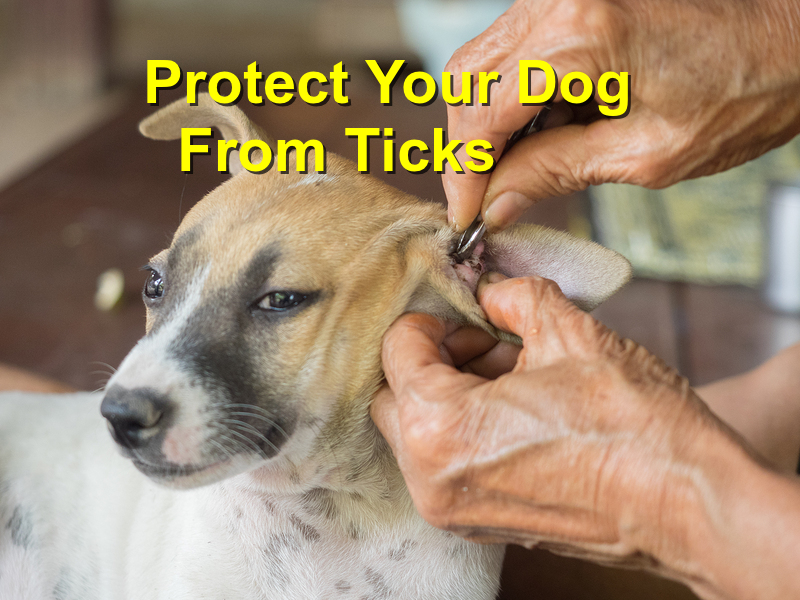
    This article intends to offer simple solutions for the average dog owner to keep ticks at bay. While they may not eliminate ticks, these are practical methods at ensuring they are under control and protect your pet.

    The Dangers of Ticks on your Pet

    Apart from the blood-sucking, ticks present danger to not only your dog’s health but also you. Ticks characteristics as disease vectors is always a point of concern as transmission to the host happens faster than expected. Some ticks do only cause temporary conditions to the dog; they could manifest into more complicated situations that could be life-threatening. Some of the tick-borne diseases that pose a danger to your dog might include

    1. Lyme disease
    2. Rocky Mountain spotted fever
    3. Bartonella
    4. Babesiosis
    5. Ehrlichiosis
    6. Anaplasmosis
    7. Hepatozoonosis

    Actions that Could Save your Dog from Ticks

    For dog owners struggling against ticks is a challenge in itself. The sight of seeing your dog scratching and irritated is very frustrating. However, we have found tidbits that could prove useful in consolidating your dog’s conditions and keeping the pesky ticks at bay. Here are the practices that you could do piously as a sign of god measure against ticks.

    Regular Baths

    While it may seem simple, regular bathing your dog helps keep them well-groomed and consequently reduces the chances of carrying external parasites. You can do this every fortnightly with a specially formulated anti-tick shampoo that has medicated ingredients to kill the ticks.

    Comb and Frisk

    It may sound unimportant, but combing and frisking do help in protecting from ticks. The concept is that combing and frisking prevent hair from matting which is how ticks get to hide on the dogs.

    Regular use of Anti-tick Products

    Luckily, there are several tick-preventive items one can purchase to protect their pet form ticks. There are products such as a tick collar, anti-tick soaps, powders, dips or topical tick repellents. However, be sure the products are not toxic.

    Keep a Trimmed Lawn

    Trimming the bushes, trees, and grass around the house help prevent a tick infestation within the vegetation. Ultimately, this will ensure you can play and breed your dog around your home with fewer chances of being affected.

    Identify the Tick Season

    Ticks are seasonal parasites, and it is best to know when they strike the most. As such you could protect your dog from these external parasites by regulating his movement during such times

    Sources:  CT, Tufts
    Copyright: Local Value 


  • A Look at a Dog’s Common Health Warning Signs

    A Look at a Dog’s Common Health Warning Signs

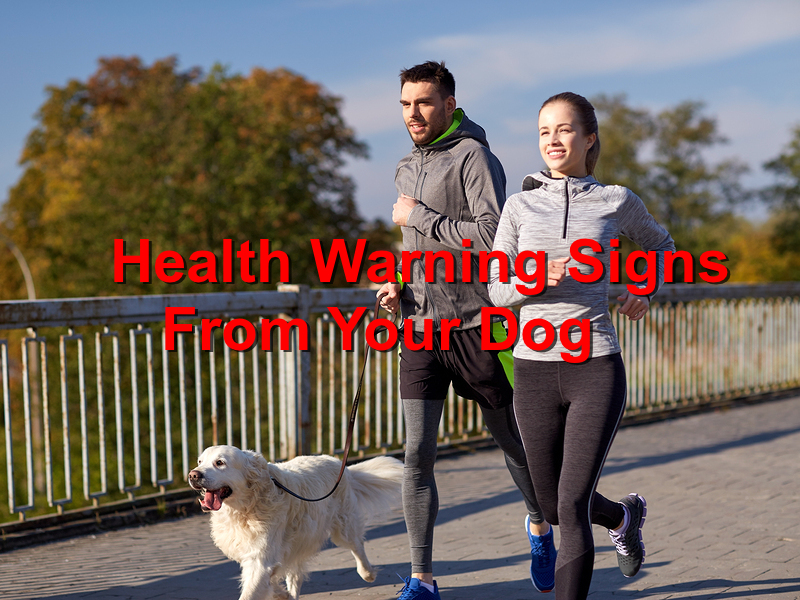
    Your dog can be your jogging mate in the morning before you leave for work but they also play a crucial role in your children’s upbringing by acting as play partners. Dogs are also known to sometimes sleep for hours, but unlike cats, their sleeping tendencies are not as elongated. In fact, extraordinarily long naps can be an indication that something is wrong with your dog. Aside from that tell-tail sign, dogs can neither talk nor show a lot of physical giveaways. Still, you might never know what a simple sneeze or a seemingly simple sprain might signify. As such, it is vital to stay updated on the ways that you use to gain a better understanding of your dog’s health.

    Here are 5 of the easiest-to-read health warning signs from your dog.

    1. Vomiting
      As far as dogs go, vomiting is as healthy as eating their vomit. They often vomit to get rid of something in their digestive systems although there are instances that require immediate medical attention. These include when your dog vomits several times in a row, starts vomiting blood, or has a fever accompanying the dog’s unsettled stomach. In some cases, the vomiting often lead to diarrhea and dehydration.
    2. Sudden Weight Loss
      Even after the holidays when everyone including the dog is trying to shed the weight they accumulated, sudden weight loss is a red flag. While it is normal for an overweight dog to lose weight, anything more than ten percent of its mass could indicate a more severe underlying health condition.
    3. Red or Cloudy Eyes
      Ever wondered why doctors shine a torch on your eyes when you go for a checkup? Well, your eyes can tell a lot about your overall wellbeing. Similarly, a dog’s eyes can be of great help when determining their health. Be on the lookout for red or cloddy eyes especially if they are followed by an excessive squinty discharge.
    4. Overheating
      I bet by now you are surprised by the similarities between the symptoms of sickness there are in human beings are there are in dogs. As one of them, overheating can lead to difficulties in breathing in dogs due to their facial outlook. However, while this needs to be facilitated by external factors such a hot car interior, internal overheating or fever should prompt you to seek immediate medical attention.
    5. Sensitivity to Touch
      Most dogs have been separated from their families after an unexpected, rough touch triggered a natural and violent reaction due to pain. Dogs are never sensitive to touch.  If anything they like being touched just as much as they like licking your face. As such, sensitivity to touch can mean inflammation, gastric torsion, or bloat. This sign is easy to read especially for people who own dogs that love rolling around for a belly rub every time they walk into a room.

    Other tell-tale signs include lumps on the dog’s body, scooting ears, an unusual appetite, and excessive thirst.

    SOURCES: Petful, Health Line

    COPYRIGHT: Local Value


  • Build Boundaries for your Dog

    Build Boundaries for your Dog

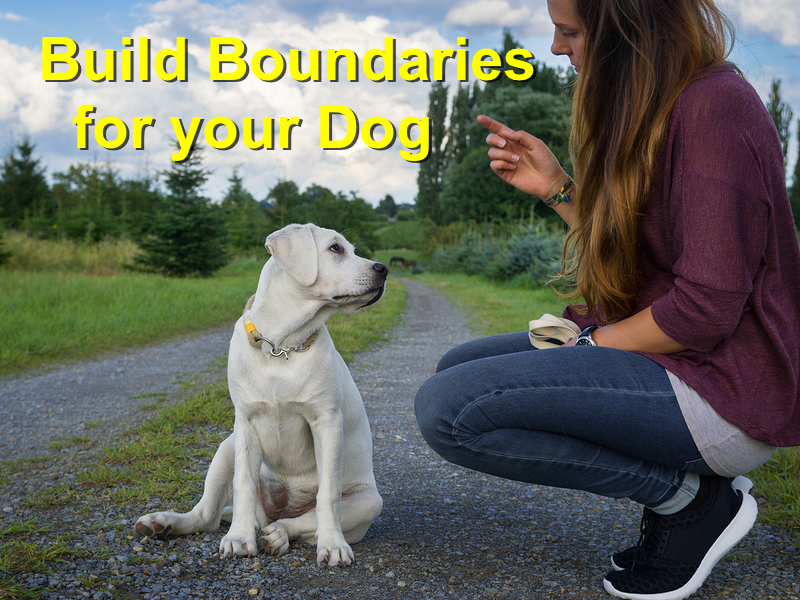
    It is vital to give your canine friend rules, limitations, and exceptions. Your dog ought to know what they can or cannot do, and where not to do it and, for how long, if they have to do it. Here’s a quick primer on how to socialize your dog by imparting the sense of boundaries in them. 

    1. Claim your Space and Don’t Relent or Back Down on it 

    Your barking buddy is a territorial animal, regardless of what you would like to believe or how domesticated you think they are. And you’ve ever observed dogs interacting; then you must have noticed their tendency to claim their space. They will often do this either physically or through their body language or primal energy just to lay out the message that a certain space belongs to them, even without barking, gnarling or ‘showing their teeth.’ The same way your pawed friend might claim a food bowl or dog toy by only standing over it, you should control access to certain aspects of your home by authoritatively denying them entry. 

    2. Learn to take the Lead 

    One of the best ways to assert your authority is to form a habit of taking the lead, at all time. Not only does this emphasize that you’re the leader but it also trains your barking friend to learn the virtue of learning how to stop and wait for your instructions, at every threshold. This way, you can have some degree of authority over the animal, and he will always look up to you for guidance and direction. One of the best ways of doing this by taking your dog for regular walks and insisting that you walk behind you all the way through. 

    3. Correct Misdemeanors Promptly, Swiftly and in Time

    If you’re trying to teach your dog how to stay away from your furniture, then the best time to prohibitive the displeasing behavior is when he just about to jump on the sofa and not when he is already on it. In other words, he will be able to connect the improper behavior with your corrective action. And with time, this will be firmly established in his mind. The key to creating a concise and an almost palpable boundary to timing your correction with when he is just about to commit an error. 

    Go beyond

    Once you have succeeded in teaching your dog what isn’t allowed and what is allowed, don’t stop there yet. Go a step further and be consistent with a few things: For starters, maintaining these preset boundaries. Secondly, the exceptions to the rule to trespassing your boundaries.

    SOURCE: Cesars Way
    COPYRIGHT: Local Value