Tag: dog

  • Dress To Impress: National Dress Your Pet day

    Dress To Impress: National Dress Your Pet day

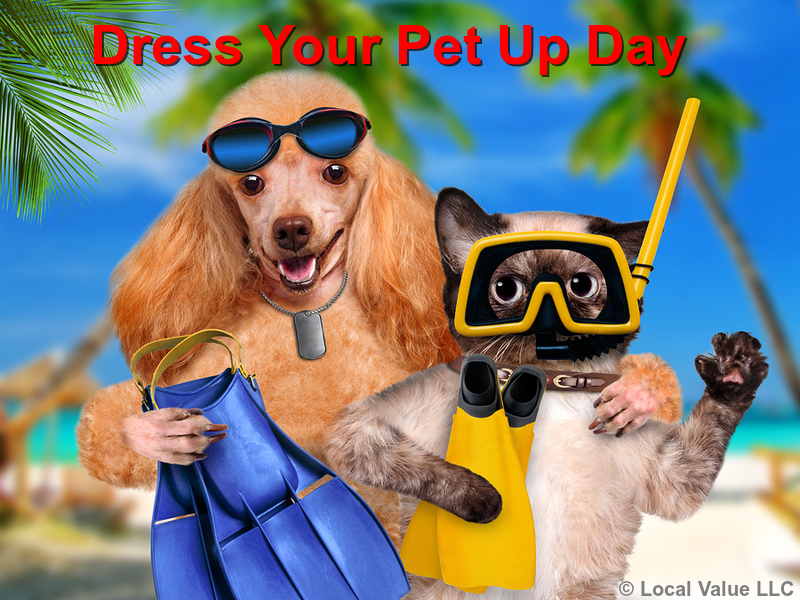
    On the 14th of January every year, dog lovers adorn their pets colorfully and gorgeously in celebration of what has come to be known as Dress Your Pet Day.

    The day is an opportunity for canine owners to wow neighbors and fans by revealing the inner diva of their lovely pooch or Persian. So, if your Chihuahua has a great sense of style, the day presents the ideal opportunity for you to dress your dog in sassy sweaters, collars bedecked with jewels and other fashion accessories.

    You can choose to immortalize the incredible moment by snapping crisp photos of you and your pet in its fabulous outfit. And you never know how far the decision can take you. Think, for instance, about photographer William Wegman and his Weimaraner called Man Ray. In the 1970s they collaborated and produced a collection of cute photos that have been internationally acclaimed and, today, Man Ray is considered as the best dressed up dog in American history.

    It doesn’t matter how you decide to dress the pet: could be in a miniature tiara, Aunt Mildred’s Floral dress, or a miniature devil’s costume from Halloween- just remember to take photos of the pet and upload it somewhere- you never know how far-reaching that might be.

    The day isn’t just for your pooch to look fabulous- it can also be a great bonding moment between the dogs and their pups who love lapping up attention if and when they see all the grins they get when they showcase their lovely garments.

    It is a thrilling day,

    for both the pets and their masters.

    But, you should keep in mind that it is more important for the apparel to be safe and comfortable than beautiful and adorable. Don’t dress the pet in any clothing that can cause choking, heat exhaustion, or otherwise cause it harm. If the pet does not like wearing a garment, don’t stress it out by forcing it to wear the clothing merely for human entertainment.

    Otherwise, prepare well for the day and make sure to have fun- you and your lovely pooch.

    SOURCES: Travis County KC, Punchbowl, Dogtipper
    COPYRIGHT: Local Value


  • This is National Train Your Dog Month

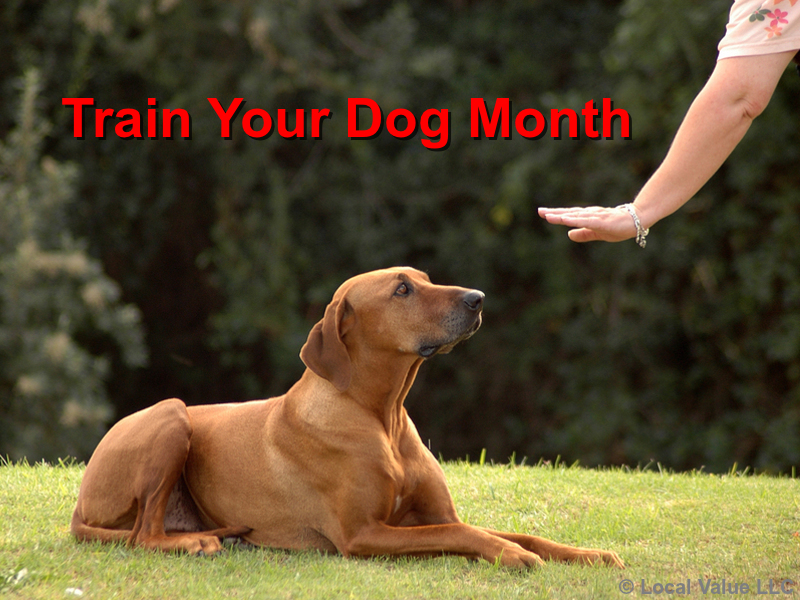
    This is National Train Your Dog Month

    Find Out A Few Benefits Of Having A Well-trained Dog.

    According to pet statistics, 37-47% of households have dogs in America alone. That’s why, when it comes to living with a dog, there are a lot of things that a dog owner must do to ensure that their dog is always on its best behavior in and out of the house. One of this things includes training the dog. With The National Train Your Dog Month just a few minutes away, it is critical all dog owners learn a thing or two about the importance of having a well-trained dog.

    Here’s a fun fact about man’s best friend; did someone just say, “it is raining cats and dogs??”

    Well according to English history, this phrase came from the fact that during the 17th century, heavy rainstorms in England used to drown homeless animals (cats and dogs) leaving their lifeless bodies scattered all over the streets. That’s why people would assume that it had actually rained cats and dogs.

    You should note that homelessness is often brought about by the lack of proper training and care. In most cases, untrained dogs do the following things;

    • Wonder around only to forget their way back home,
    • They can cause harm to innocent passers-by,
    • They can damage property,
    • They can harm themselves,
    • They can even cause harm to you.
    • Those are just a few disadvantages of having an untrained dog.

    Since, dogs are meant to live harmoniously among human beings, then their behavior and interaction with their surroundings must be acceptable to you and those around you.

    Dog Training; Something you should note!

    Dog training is usually recommended during their puppy years. This is because it’s easier to teach a puppy new things than it is to teach an old dog hence the phrase “You cannot teach an old dog new tricks.” Remember that dogs are very keen animals, that’s why it’s easy to train them than other household pets.

    Also during training, dogs (puppies) often “learn how to learn new things” making it easier for them to learn faster and better as the training progresses.

    Here are a few Reasons why it is important to train your dog.

    1. Training helps to boost your communication with the dog. Therefore, it will be easier to interact with the dog at any time.

    2. Training also improves your dog’s behavior in and out of the house. This means that you won’t have to worry about how he’s (she’s) going to behave when you take him (her) out for a walk.

    3. Improved Socialization Skills is also a critical benefit of training your dog. This is because your dog will be able to socialize and interact with people and other pets without getting angry or defensive.

    These are just a few benefits of dog training. In fact, dog training merits are extensive. Therefore, take advantage of the National Train Your Dog Month to train your dogs (puppies) if you want them to grow to be adorable and loved members of your household.

    COPYRIGHT: Local Value


  • Take Your Dog To Work Day  Tips

    Take Your Dog To Work Day Tips

    Work Day Tips

    June 24th is national Take Your Dog To Work Day. If you didn’t get the memo then you will be surprised if you see some furry ones passing by your office or cubicle.

    A 2006 survey by the American Pet Products Association (APPA) found that 1 in 5 companies allow pets in the workplace. Participants said pets make for a creative work environment, improve employee attendance and productivity, and help employees better relate to each other according to Petsafe. “Having a dog, or any pet around has a soothing and mood-lifting effect on people.”

    Here are some tips to make Take Your Dog To Work Day:

    1. Be Prepared – Don’t forget food and water for your dog. Leashes, collars, and poop bags would be a great help as well.
    2. Respect Others – Not everyone might be comfortable around a dog so respect them. Keep your dog around your office or cubicle and let others come and pet your dog.
    3. Cope with their anxiety – Maybe your dog might be anxious and they might not take to being in an office. If this is the case then make them feel comfortable as possible. They might not think Taking Your Dog To Work Day is cute. If you know your dog has high anxiety around other dogs or people then taking your dog isn’t a great idea. Know from the start to prevent anything bad from happening.
    4. Properly discard of lunches – Many dogs love snooping for food in garbage cans or anywhere else they can find it. Assume Fido will consider the wastebaskets under desks at the office or the trash receptacle in the break room as good places to grab a snack — especially after lunch.
    5. Make sure your pet plays well with others – It is likely that you won’t be the only one at your job bringing a pet to work. Some dogs would do fine if they were the only canine in the office. Add a few more, and perhaps some cats, and circumstances could change dramatically. Have an accurate sense of what the workplace atmosphere will be, and determine whether it is a good fit for your pet.

    SOURCE: PetSafe
    COPYRIGHT: Local Value

  • Today is National Dog Day

    Today is National Dog Day

    For more wonderful and inspiring dog pictures go to: https://www.facebook.com/NationalDogDay
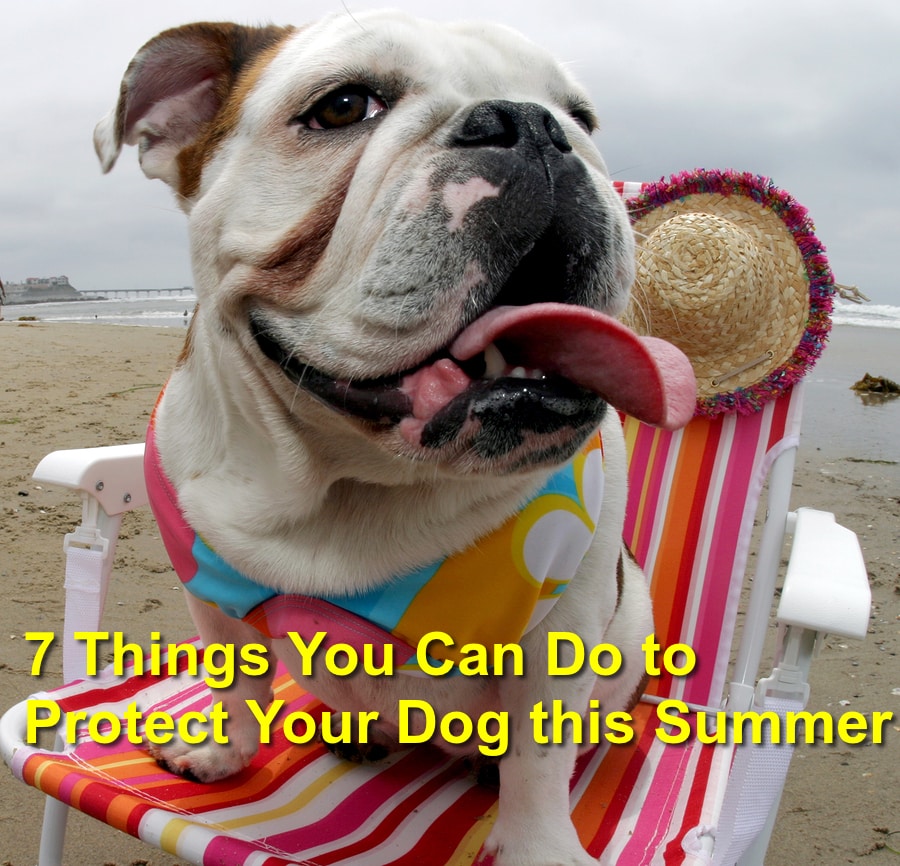
  • 7 Things You Can Do to Protect Your Dog this Summer

    7 Things You Can Do to Protect Your Dog this Summer

    1. Never leave your dog in the car;
    2. Make sure your dog has unlimited access to fresh water;
    3. Make sure your dog has access to shade when outside;
    4. Take your dog for walks in the cooler hours of the day;
    5. When walking, be aware that your dog can burn its paws, so try to stay off of hot surfaces (like asphalt);
    6. Remember that if you think it is hot outside, it is certainly hotter for your pet, so make sure your pet has a means of cooling off;
    7. Consider shaving dogs with long coats and apply sunscreen to your dogs skin if he has a thin coat.

    For more tips on how to keep your pet safe click here.

  • Senior Pets

    Senior Pets

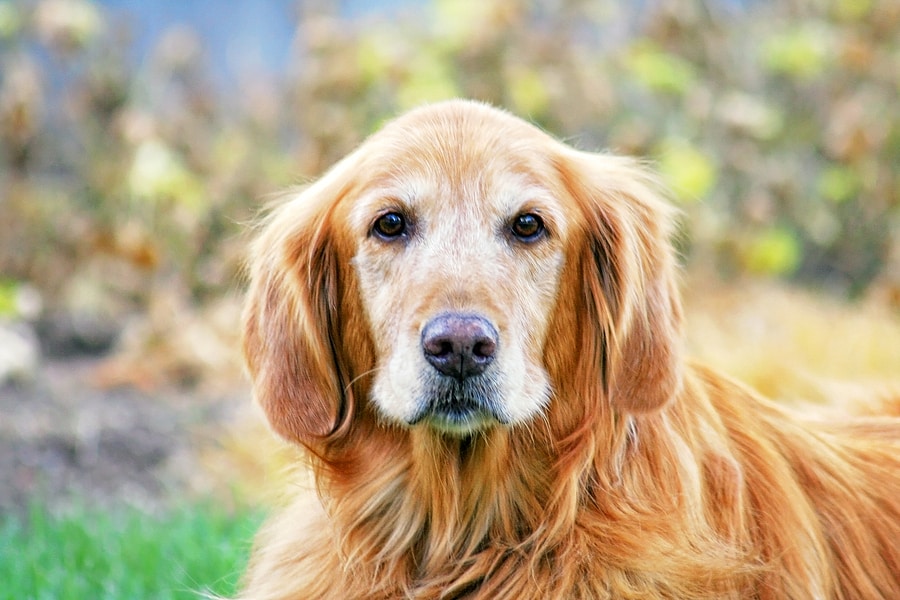
    Did you know that cats and dogs are usually considered “senior” at 7 years of age? Larger breeds of dogs are even considered senior at 5 years old. That being said, it is important to remember that not only is your pet’s coat color getting greyer, but also your pet’s organ systems are changing as they age. Below are some things that you need to be on the look out for:

    • An older pet is more likely to develop diseases such as heart, liver and kidney disease, cancer or arthritis. Cancer accounts for about half of the deaths of pets over the age of 10.
    • It is normal for pets to lose some of their sight and hearing as they age, just like humans. If your pet’s eyesight is failing, avoid rearranging or adding furniture or other items that could become obstacles.
    • If your pet is starting to avoid jumping, active playing or even daily activities such as jumping into your car, it may have arthritis.
    • Behavioral changes in your pet can serve as the first indicators of againg or of a problem. Changes might be due to pain, or worsening signt or hearing or even due to its normal aging process.
    • Weight can have an enormous effect on an older pet’s health. Excess weight in older pet increases the risk of arthritis, difficulty breathing, diabetes, high blood pressure, skin problems, cancer and other conditions.

    Because older pets are more likely to develop certain conditions, it is very important that they are regularly examined by a veterinarian to maintain them healthy. For more senior pet’s information go to the American Veterinarian Medical Association Senior Pets webpage.

  • Top 10 Signs Your Dog May be Sick

    Top 10 Signs Your Dog May be Sick

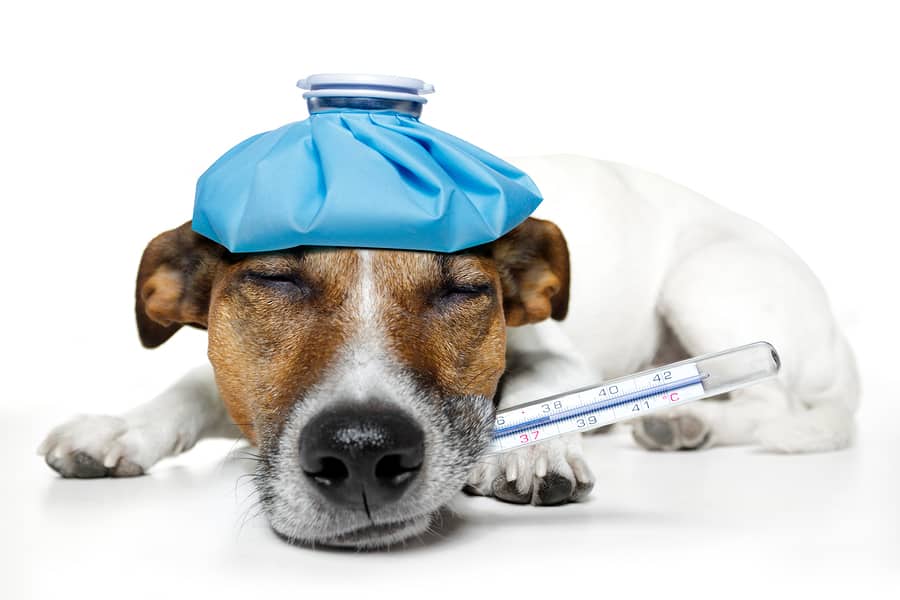
    Your dog can’t tell you when he or she is sick, but she can show symptoms of disease. Here are the top 10 signs to look for:

    1. Bad breath or drooling
    2. Excessive drinking or urination
    3. Appetite change associated with weight loss or gain
    4. Change in activity level (e.g., lack of interest in doing things they once did)
    5. Stiffness or difficulty in rising or climbing stairs
    6. Sleeping more than normal, or other behavior or attitude changes
    7. Coughing, sneezing, excessive panting, or labored breathing
    8. Dry or itchy skin, sores, lumps, or shaking of the head
    9. Frequent digestive upsets or change in bowel movements
    10. Dry, red, or cloudy eyes

    If your dog shows symptoms of being ill, contact your veterinarian immediately. For more information on how to tell when your dog is sick click here: