Tag: Tips

  • Halloween Safety Tips

    Halloween Safety Tips

    Tips for Keeping your Pets Safe During Halloween

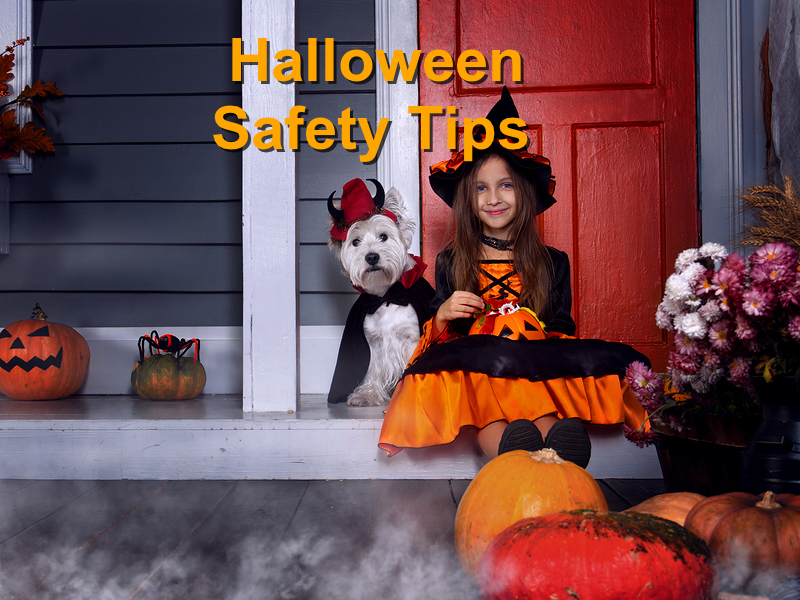
    Unusual activities, costumed visitors, anxiety, and fear can all make Halloween a nightmare for your pets. Whether your pets are prone to anxiety and fear or not, they like their daily routine, which when interrupted can cause them to feel agitated and uncomfortable. Here are some excellent tips for keeping your pets during Halloween.

    Never give your pets candies

    Regardless of how much fun you think it will be for your pets to participate in Halloween, you should never give them candies. All types of chocolate, specifically the dark or baking chocolate, can be lethal for cats and dogs. Chocolate poisoning symptoms include diarrhea, elevated heart rate, seizers, rapid breathing and vomiting. Also, xylitol, an artificial sweetener, can cause your dogs to have liver failure or other issues related to low blood sugar.

    Don’t Leave your pets outside during Halloween

    There are cases of vicious pranksters who injure, tease or even steal pets during Halloween. Black colored cats are more vulnerable to these cruelty-related pranks, so ensure that your pets are safely locked away indoors. 

    Keep your pets away from your front door

    While indoor is much better than staying outdoors during Halloween, your front door will likely be opened and closed constantly, with different visitors wearing strange costumes. Your pets may find that situation scary, resulting in unexpected aggression or escape attempts. Make sure you put your cat or dog away in a room far away from the door as possible to minimize stress.

    Don’t let your pets play with glow sticks

    Even though glow sticks are essential in keeping people safe during Halloween, your pet can easily chew one open. Fortunately, the liquid used in these devices is not toxic. If your pet bites into these glow sticks, offer them fresh water to clear out the material from the mouth.

    Keep all Halloween plants out of your pet’s reach

    Although your pet can safely eat small quantities of pumpkin and corn, ingesting moldy or uncooked Halloween display plants can cause huge problems. Your pet could get gastrointestinal upset or intestinal blockage when they swallow large pieces. 
    Avoid keeping lit items around pets

    When you are using any Halloween decorations that involve fireworks, candles or lanterns, ensure you place them out of easy access by your pets. It will prevent your pets from burning themselves and even causing a huge fire. The same also applies for any battery or electric-powered Halloween decorations. 

    Avoid dressing your pets in limiting costumes

    The pet costumes you choose must not restrict hearing, breathing ability, movement or eyesight. You should aim to make this process fun for your pet through positive reinforcement and treats.

    Lastly, ensure your pets have the proper IDs. Tags and collars are perfect for ensuring that they will be easily returned if they happen to get lost during Halloween. 

  • Dog Bite Prevention

    Dog Bite Prevention

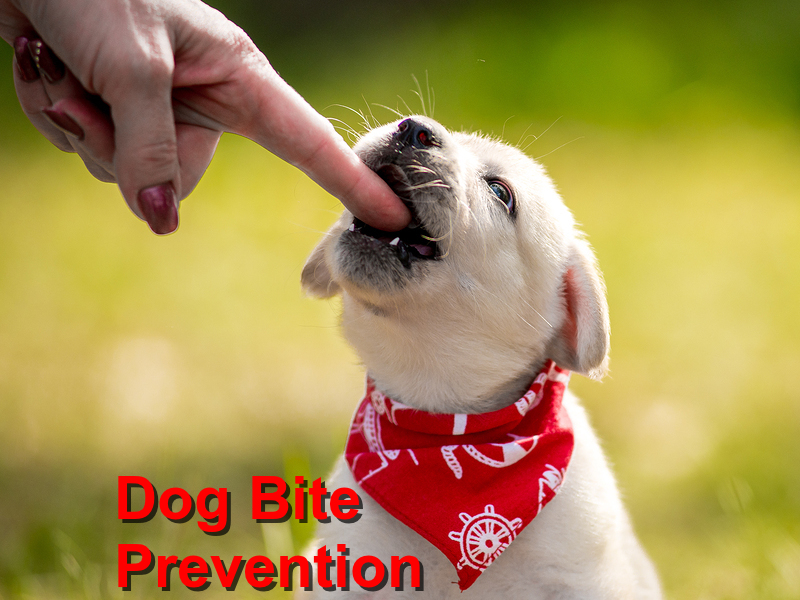
    It is estimated that more than 5 million people in the U.S are bitten by their four-pawed companions every year. To make matters more upsetting, cases involving young children make up more than 50% of these highly injurious incidents. In response to this, the AMVA ( American Veterinary Medical Association ) dedicated the third week of May every year to combat this distressing crisis and raise awareness of issues revolving around the dangers of dog bites. This year, 15th to 19th May has been set aside as the annual National Dog Bite Prevention Week, and as dog devotees, we’re all expected to stand in solidarity for a healthier and friendlier society for both our pets and kids.

    Join the Movement

    Preventing and combating the numerous cases of canine bites that have been on a worrying rise in the last four years requires the input of both pet owners and their immediate neighbors, friends, and family. As a responsible pet owner, it is your duty to caution who might want to approach or pet your dog without your consent. Also, cultivate the culture of walking your dog on a leash whenever in a public park or crowded place and teach your children/siblings the same. And when you get a new puppy, it is your responsibility to impart in them healthy socialization skills as early as possible to promote harmonious living with other pets and peoples.

    Protecting Our Children

    On the other end of the spectrum, children ought to be taught to never provoke a dog through pulling, pinching, kicking, poking or teasing. If anything, young children below five years shouldn’t be allowed to pet aggressive breeds of dogs until they are old enough to decipher an animal’s temperament and body language. Lastly but not least, ensure that you bring in Rover for a comprehensive check-up at least four times every year to protect them from common dog illnesses that might trigger unexplained hostility.

    SOURCES: AVMA, Dog Tipper

    COPYRIGHT: Local Value