Tag: safety

  • Halloween Safety Tips

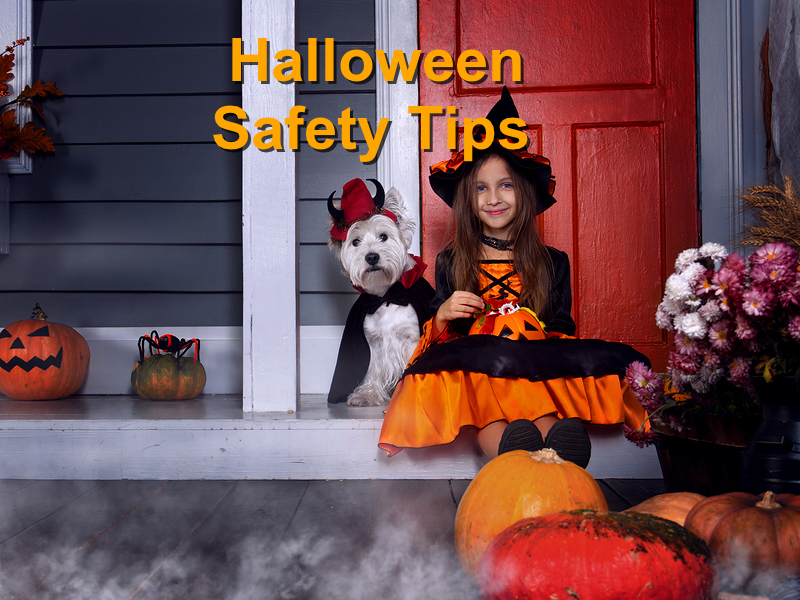
    Halloween Safety Tips

    Tips for Keeping your Pets Safe During Halloween

    Unusual activities, costumed visitors, anxiety, and fear can all make Halloween a nightmare for your pets. Whether your pets are prone to anxiety and fear or not, they like their daily routine, which when interrupted can cause them to feel agitated and uncomfortable. Here are some excellent tips for keeping your pets during Halloween.

    Never give your pets candies

    Regardless of how much fun you think it will be for your pets to participate in Halloween, you should never give them candies. All types of chocolate, specifically the dark or baking chocolate, can be lethal for cats and dogs. Chocolate poisoning symptoms include diarrhea, elevated heart rate, seizers, rapid breathing and vomiting. Also, xylitol, an artificial sweetener, can cause your dogs to have liver failure or other issues related to low blood sugar.

    Don’t Leave your pets outside during Halloween

    There are cases of vicious pranksters who injure, tease or even steal pets during Halloween. Black colored cats are more vulnerable to these cruelty-related pranks, so ensure that your pets are safely locked away indoors. 

    Keep your pets away from your front door

    While indoor is much better than staying outdoors during Halloween, your front door will likely be opened and closed constantly, with different visitors wearing strange costumes. Your pets may find that situation scary, resulting in unexpected aggression or escape attempts. Make sure you put your cat or dog away in a room far away from the door as possible to minimize stress.

    Don’t let your pets play with glow sticks

    Even though glow sticks are essential in keeping people safe during Halloween, your pet can easily chew one open. Fortunately, the liquid used in these devices is not toxic. If your pet bites into these glow sticks, offer them fresh water to clear out the material from the mouth.

    Keep all Halloween plants out of your pet’s reach

    Although your pet can safely eat small quantities of pumpkin and corn, ingesting moldy or uncooked Halloween display plants can cause huge problems. Your pet could get gastrointestinal upset or intestinal blockage when they swallow large pieces. 
    Avoid keeping lit items around pets

    When you are using any Halloween decorations that involve fireworks, candles or lanterns, ensure you place them out of easy access by your pets. It will prevent your pets from burning themselves and even causing a huge fire. The same also applies for any battery or electric-powered Halloween decorations. 

    Avoid dressing your pets in limiting costumes

    The pet costumes you choose must not restrict hearing, breathing ability, movement or eyesight. You should aim to make this process fun for your pet through positive reinforcement and treats.

    Lastly, ensure your pets have the proper IDs. Tags and collars are perfect for ensuring that they will be easily returned if they happen to get lost during Halloween. 

  • Helpful Tips to Keep Your Cat Out of Your Christmas Tree

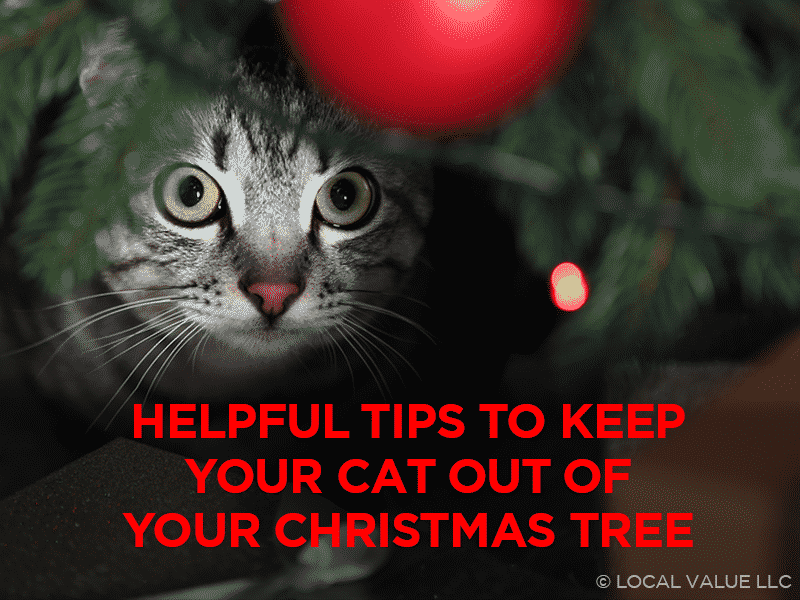
    Helpful Tips to Keep Your Cat Out of Your Christmas Tree

    Are you getting ready for the hectic holiday season? We are, and if you’re like us, getting a Christmas tree is a top priority and has been a holiday tradition for ages. And if you have a cat, well, keep in mind that the tree makes a tempting target for many mischievous cats out there. Here are some tips on how to pet-proof your Christmas tree.

    To buy a real tree or not to buy a real tree

    When it comes to Christmas trees, isn’t it better to have a real tree over a fake one?  After all, they fill your house with the holiday smells of, well, holidays. However, keep in mind that if you have cats, real trees are much more tempting. Not only are real trees fragrant and the pine needles more fun to chew on (thankfully, rarely poisonous) but the tree trunk is perfect for scratching and climbing. Consider an artificial tree. If you do get a real tree, avoid one that is very tall, as a tall tree would be more likely to topple over when kitty takes a courageous hike to the top.

    Placement of the Christmas tree

    There big question. Where do you put your Christmas tree? Make sure you have plenty of space on each side of the tree so your cat doesn’t have a launching point to attack the tree! Ideally, place it in an area with an equal amount of free space as the height of the tree (i.e., if the tree is 8 feet tall, consider leaving an 8 foot berth around it).

    Securing the Christmas tree

    The base you use should be extremely sturdy. Dill into the base stump as that has proven to provide enough stability and if kitty DOES run up the tree, it decreases the chance of it toppling over.  While these bases are ugly, it beats having your tree topple. You can also wrap a dressing over the metal rods of the base so it’s not so ugly. You can also take an extra measure and drill a hook (use an anchor!) in the ceiling and attach a wire to the tree for an extra precautionary measure.

    5 Ways to Pet-Proof Your Christmas Tree

    Here are a few ways to pet-proof your Christmas tree:

    • When watering your real tree, consider wrapping the base with plastic wrap so your cat doesn’t drink the fertilizer or chemicals. (Don’t worry, these are hardly ever poisonous, however they can cause gastrointestinal upset.)
    • If you have a real Christmas tree, wrap the base of the trunk with aluminum foil. Cats can’t stand the sound and texture of foil! If you wrap the base with foil, the less likely they will claw up the tree trunk. Also, by wrapping the tree trunk with foil hopefully you will prevent the initial climb.
    • Do not hang dangling ornaments on the bottom of the tree. Rather place ornaments up high on the tree and as an extra precautionary measure, make sure they are well secured (try twisty ties or zip ties to secure ornaments).
    • Never use tinsel in a household with cats. While tinsel isn’t poisonous, when accidentally swallowed by cats, it can get stuck around the base of the tongue or in the stomach, and the result can be life-threatening.
    • Make sure you hide all electric chords for the Christmas lights as best you can. When accidentally bitten, they can result in severe burns in the mouth and even rare fluid accumulation within the lungs (e.g., noncardiogenic pulmonary edema). Hide cords, and consider spraying them with Bitter Apple to prevent chewing. Also, make sure to turn off the Christmas lights and unplug the cords when cats are unsupervised. This is especially true for kittens.

    Let’s keep our pets safe this holiday season!  Know all the precautions and keep your house safe while saving an emergency trip to your veterinarian!

    Source: Pet Health Network
    Copyright: Local Value