Category: Social Media

  • Seeing Eye Guide Dog Annaversary

    Seeing Eye Guide Dog Annaversary

    For as long as we can remember, dogs have always been man’s best friend.

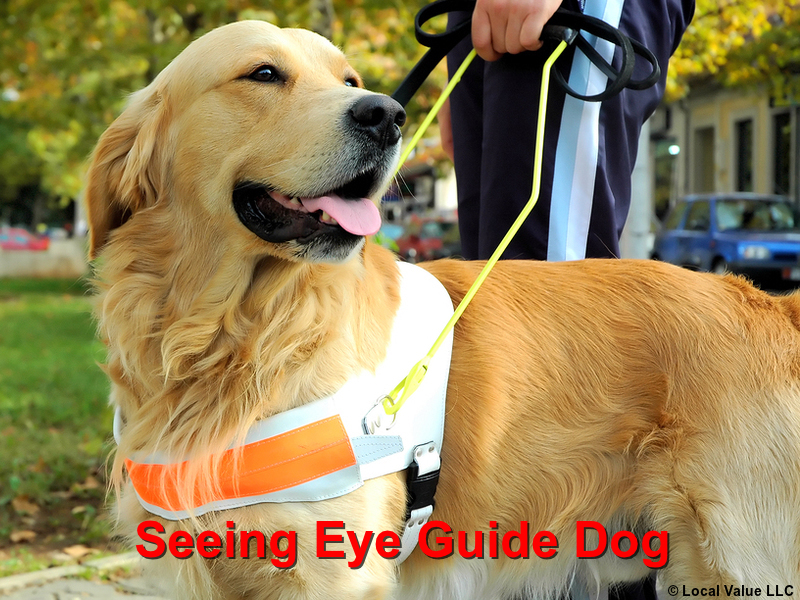
    On January 29th, 1929, the first ever Seeing Eye Guide Dog school was established. This school’s primary purpose was to train dogs to assist people with all sorts of medical, physical or emotional conditions. In most cases, guide dogs were used to guide blind people. Instead of using the walking cane, most blind people opted to get themselves the guide dogs because of the extensive benefits they possess. This year marks the 88th Seeing Eye Guide Dog Birthday on January 29th, and that’s why we must learn a thing or two about Guide Dogs;

    What are the benefits of having a guide dog over a walking stick?

    Well, there are quite a number of merits like;

    1. They simplify movements.

    Having a guide dog means that a blind person will always have a companion when on the move. In as much as the interaction with the dog might be limited due to the individual’s disability, they will get the chance to move around easily, without having to worry about things like incoming traffic. That’s a quality that the traditional walking cane cannot offer.

    2. They are adaptive.

    Since these dogs are well trained, it’s easier for them to adapt to their owner’s daily routines, likes, dislikes, walking routes, among other essential aspects of the person’s life. That means that, after a while, the person’s interactions with the dog will be smoother and easier with minimal effort.

    3. They are more in-tune with your surroundings.

    This is most probably the best part about having a guide dog. Contrary to using a walking stick, guide dogs usually have a sense of the surrounding and can be able to tell the owner when they need to get going. For instance, if they are in the park and it suddenly gets gloomy as a sign of incoming rain, the dog’s reaction to the weather change will be enough to give the owner clues of the incoming rain. In such a case, a person would get rained on if they were using a walking cane instead of a guide dog.

    In a nutshell, getting a Seeing Eye Guide Dog could be very advantageous. And contrary to popular beliefs, guide dogs are not just for the blind only. There are many other instances where a person may need a guide dog. Those are just a few things you need to know about these amazing dogs as we celebrate the 88th Seeing Eye Guide Dog Birthday this year.

    SOURCES Seeing Eye, Modern Dog Magazine


  • Don’t Forget To Answer Your Cat’s Questions

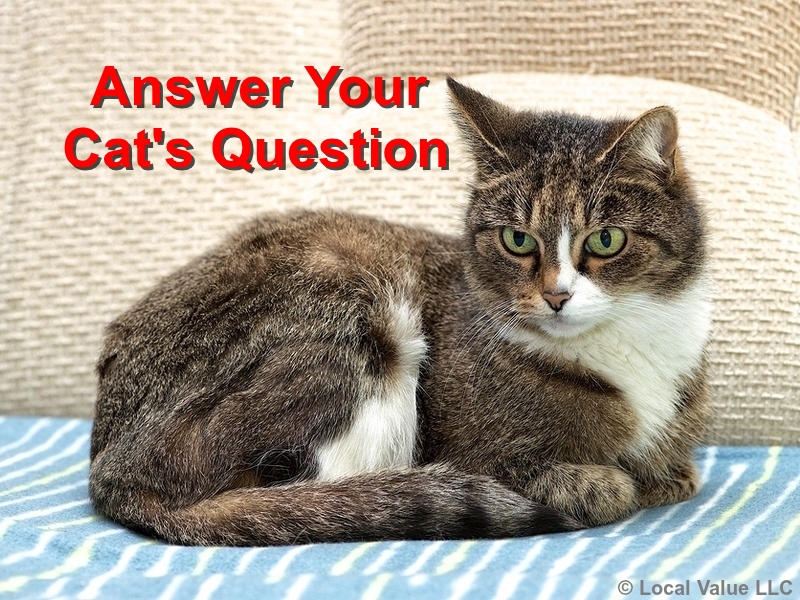
    Don’t Forget To Answer Your Cat’s Questions

    If you’ve been looking for an opportune time to hash things out with your pet cat, then this year’s National Answer Your Cat’s Question Day on January 22nd might be just what you both need. It’s true that living with a cat comes with immense benefits. One of these merits is that you’ll always have him/her to listen to you blabber about how horrible your day was or how much your crush makes you feel tingly in your stomach or any of those deep and crazy fantasies that you keep hidden from the rest of the world. The bottom line is that your cat will always be there to listen to you without any form of judgment, but what happens when the tables turn and they are the ones that need you to listen to their questions and to answer them without being judgy?

    Seeing as these cute and cuddly pets are curious and playful in nature, keeping them in check can be quite a task. In most cases, if he/she’s not scratching your couch, they might be chewing on something that shouldn’t be chewed on or trying to get on the kitchen counter among so many other mischevious deeds. Your reaction to their mischief always leaves them with a lot of questions like;

    • what did I do wrong? I was just having fun…
    • Why is he/she angry that I peed on the carpet? I really had to go…
    • Why did he/she shout at me when I was scratching the new couch? I was just trying to see how sharp my claws are…

    Basically, it’s usually quite hard for them to understand your resulting behavior and that’s why taking some time to answer some of these questions could greatly help your cat to improve its overall behavior. They say, “Curiosity killed the cat!” And no matter what you say or do, they will always be curious and attentive to detail. So, before you bring something new to the house, or react oddly to their actions or even yell at them, just know that you will be held accountable for your actions during this year’s National Answer Your Cat’s Question Day.

    SOURCES: Catster, Punchbowl
    COPYRIGHT: Local Value


  • Dress To Impress: National Dress Your Pet day

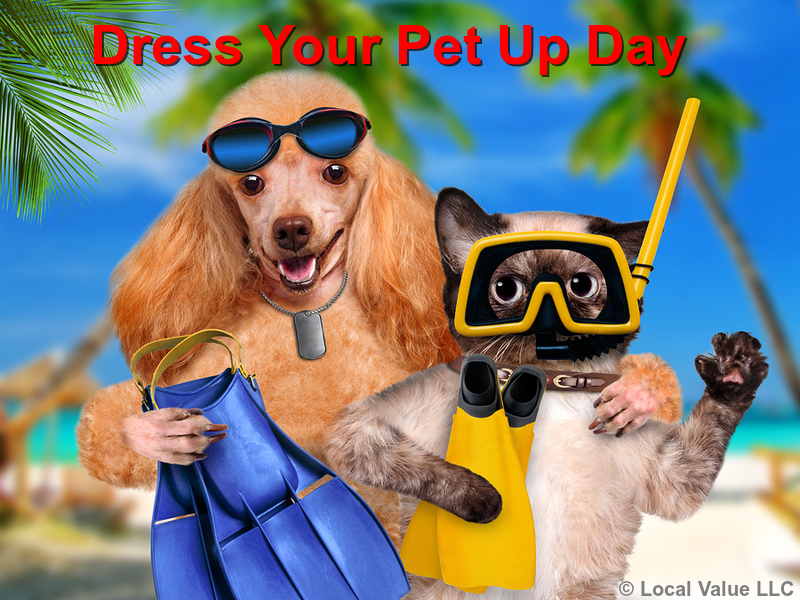
    Dress To Impress: National Dress Your Pet day

    On the 14th of January every year, dog lovers adorn their pets colorfully and gorgeously in celebration of what has come to be known as Dress Your Pet Day.

    The day is an opportunity for canine owners to wow neighbors and fans by revealing the inner diva of their lovely pooch or Persian. So, if your Chihuahua has a great sense of style, the day presents the ideal opportunity for you to dress your dog in sassy sweaters, collars bedecked with jewels and other fashion accessories.

    You can choose to immortalize the incredible moment by snapping crisp photos of you and your pet in its fabulous outfit. And you never know how far the decision can take you. Think, for instance, about photographer William Wegman and his Weimaraner called Man Ray. In the 1970s they collaborated and produced a collection of cute photos that have been internationally acclaimed and, today, Man Ray is considered as the best dressed up dog in American history.

    It doesn’t matter how you decide to dress the pet: could be in a miniature tiara, Aunt Mildred’s Floral dress, or a miniature devil’s costume from Halloween- just remember to take photos of the pet and upload it somewhere- you never know how far-reaching that might be.

    The day isn’t just for your pooch to look fabulous- it can also be a great bonding moment between the dogs and their pups who love lapping up attention if and when they see all the grins they get when they showcase their lovely garments.

    It is a thrilling day,

    for both the pets and their masters.

    But, you should keep in mind that it is more important for the apparel to be safe and comfortable than beautiful and adorable. Don’t dress the pet in any clothing that can cause choking, heat exhaustion, or otherwise cause it harm. If the pet does not like wearing a garment, don’t stress it out by forcing it to wear the clothing merely for human entertainment.

    Otherwise, prepare well for the day and make sure to have fun- you and your lovely pooch.

    SOURCES: Travis County KC, Punchbowl, Dogtipper
    COPYRIGHT: Local Value


  • This is National Train Your Dog Month

    This is National Train Your Dog Month

    Find Out A Few Benefits Of Having A Well-trained Dog.

    According to pet statistics, 37-47% of households have dogs in America alone. That’s why, when it comes to living with a dog, there are a lot of things that a dog owner must do to ensure that their dog is always on its best behavior in and out of the house. One of this things includes training the dog. With The National Train Your Dog Month just a few minutes away, it is critical all dog owners learn a thing or two about the importance of having a well-trained dog.

    Here’s a fun fact about man’s best friend; did someone just say, “it is raining cats and dogs??”

    Well according to English history, this phrase came from the fact that during the 17th century, heavy rainstorms in England used to drown homeless animals (cats and dogs) leaving their lifeless bodies scattered all over the streets. That’s why people would assume that it had actually rained cats and dogs.

    You should note that homelessness is often brought about by the lack of proper training and care. In most cases, untrained dogs do the following things;

    • Wonder around only to forget their way back home,
    • They can cause harm to innocent passers-by,
    • They can damage property,
    • They can harm themselves,
    • They can even cause harm to you.
    • Those are just a few disadvantages of having an untrained dog.

    Since, dogs are meant to live harmoniously among human beings, then their behavior and interaction with their surroundings must be acceptable to you and those around you.

    Dog Training; Something you should note!

    Dog training is usually recommended during their puppy years. This is because it’s easier to teach a puppy new things than it is to teach an old dog hence the phrase “You cannot teach an old dog new tricks.” Remember that dogs are very keen animals, that’s why it’s easy to train them than other household pets.

    Also during training, dogs (puppies) often “learn how to learn new things” making it easier for them to learn faster and better as the training progresses.

    Here are a few Reasons why it is important to train your dog.

    1. Training helps to boost your communication with the dog. Therefore, it will be easier to interact with the dog at any time.

    2. Training also improves your dog’s behavior in and out of the house. This means that you won’t have to worry about how he’s (she’s) going to behave when you take him (her) out for a walk.

    3. Improved Socialization Skills is also a critical benefit of training your dog. This is because your dog will be able to socialize and interact with people and other pets without getting angry or defensive.

    These are just a few benefits of dog training. In fact, dog training merits are extensive. Therefore, take advantage of the National Train Your Dog Month to train your dogs (puppies) if you want them to grow to be adorable and loved members of your household.

    COPYRIGHT: Local Value


  • 5 Important Pet Health Tips to Ring In The New Year

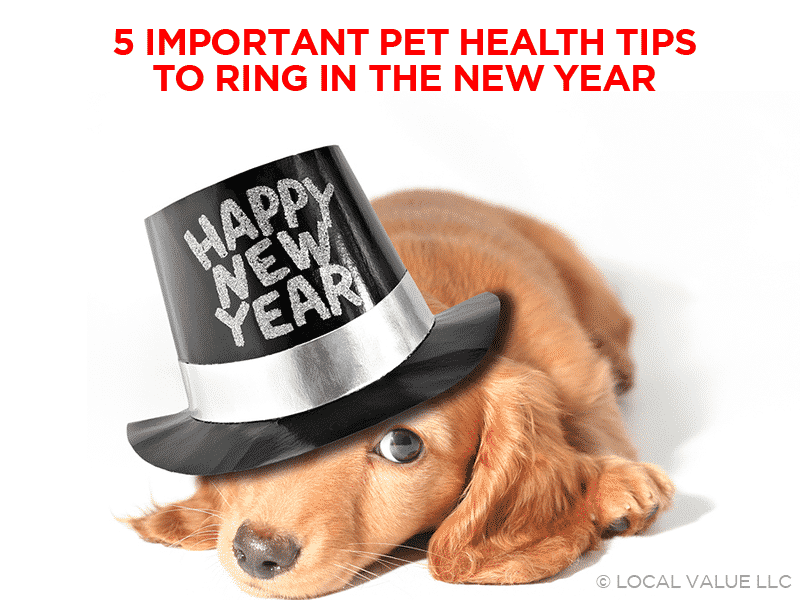
    5 Important Pet Health Tips to Ring In The New Year

    As a pet owner, you should ask yourself what you can do to keep your pets health in check. And what better time to do it than the New Year! Here are 5 Important Pet Health Tips you can use as a checklist to make sure your pet is happy and healthy for many, many, years to come.

    1. Schedule a yearly veterinary examination

    Annual examinations for your pet are important. You never want to wait till your pet is sick before bringing them in to us. Rather, schedule a yearly examination with us so you can be assured that your pet is healthy. An annual physical exam is a vital part of maintaining a long, healthy, and happy, life for your pet.

    1. Vaccinations

    Are your pet’s vaccines up to date? Immunizations protect our pets from harmful diseases caused by viruses and bacteria. Ask us to find which vaccines can benefit your pet based on their lifestyle and breed, and how often your pet should receive vaccines.

    1. Screening Tests

    Screening tests are very important because they detect disease before signs and symptoms even occur. We will recommend screening tests to look for problems like diabetes or thyroid disease, depending how old your pet is.

    1. Parasite protection

    Parasites are a common disease in pets. They can be internal or external, like fleas and ticks. Parasites  can also lead to heartworm and Lyme disease, to possible death which is another reason to schedule an exam each and every year.

    1. Microchips

    Does your pet have a microchip? If not, they should. While ID tags are important, you can’t guarantee that you’ll find your pet if they wander away from home. Collars and ID tags are not always the answer because they can get brittle and fall off. It’s always better to be safe than sorry.

    We all want to ensure the best for our pets. These pet health tips should ensure that your pet has a safe New Years for many years to come.

    Source: Pet Health Network
    Copyright: Local Value

  • Helpful Tips to Keep Your Cat Out of Your Christmas Tree

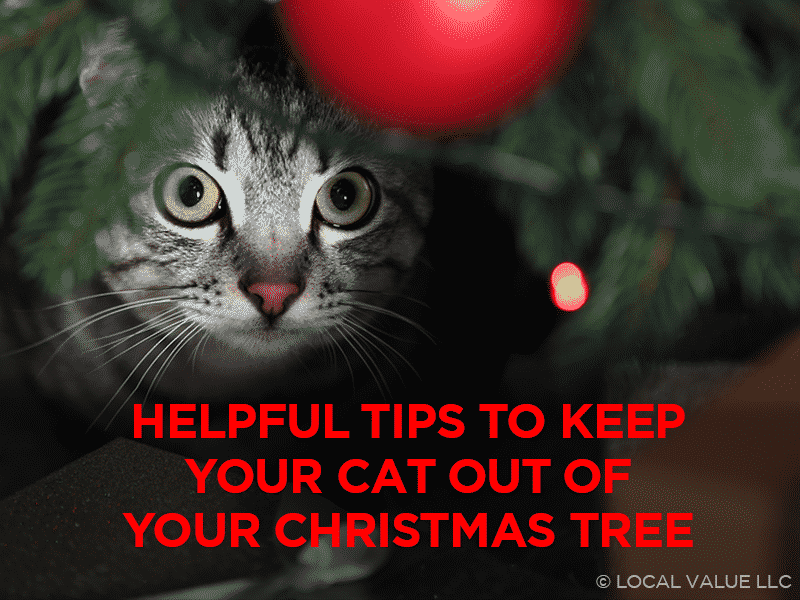
    Helpful Tips to Keep Your Cat Out of Your Christmas Tree

    Are you getting ready for the hectic holiday season? We are, and if you’re like us, getting a Christmas tree is a top priority and has been a holiday tradition for ages. And if you have a cat, well, keep in mind that the tree makes a tempting target for many mischievous cats out there. Here are some tips on how to pet-proof your Christmas tree.

    To buy a real tree or not to buy a real tree

    When it comes to Christmas trees, isn’t it better to have a real tree over a fake one?  After all, they fill your house with the holiday smells of, well, holidays. However, keep in mind that if you have cats, real trees are much more tempting. Not only are real trees fragrant and the pine needles more fun to chew on (thankfully, rarely poisonous) but the tree trunk is perfect for scratching and climbing. Consider an artificial tree. If you do get a real tree, avoid one that is very tall, as a tall tree would be more likely to topple over when kitty takes a courageous hike to the top.

    Placement of the Christmas tree

    There big question. Where do you put your Christmas tree? Make sure you have plenty of space on each side of the tree so your cat doesn’t have a launching point to attack the tree! Ideally, place it in an area with an equal amount of free space as the height of the tree (i.e., if the tree is 8 feet tall, consider leaving an 8 foot berth around it).

    Securing the Christmas tree

    The base you use should be extremely sturdy. Dill into the base stump as that has proven to provide enough stability and if kitty DOES run up the tree, it decreases the chance of it toppling over.  While these bases are ugly, it beats having your tree topple. You can also wrap a dressing over the metal rods of the base so it’s not so ugly. You can also take an extra measure and drill a hook (use an anchor!) in the ceiling and attach a wire to the tree for an extra precautionary measure.

    5 Ways to Pet-Proof Your Christmas Tree

    Here are a few ways to pet-proof your Christmas tree:

    • When watering your real tree, consider wrapping the base with plastic wrap so your cat doesn’t drink the fertilizer or chemicals. (Don’t worry, these are hardly ever poisonous, however they can cause gastrointestinal upset.)
    • If you have a real Christmas tree, wrap the base of the trunk with aluminum foil. Cats can’t stand the sound and texture of foil! If you wrap the base with foil, the less likely they will claw up the tree trunk. Also, by wrapping the tree trunk with foil hopefully you will prevent the initial climb.
    • Do not hang dangling ornaments on the bottom of the tree. Rather place ornaments up high on the tree and as an extra precautionary measure, make sure they are well secured (try twisty ties or zip ties to secure ornaments).
    • Never use tinsel in a household with cats. While tinsel isn’t poisonous, when accidentally swallowed by cats, it can get stuck around the base of the tongue or in the stomach, and the result can be life-threatening.
    • Make sure you hide all electric chords for the Christmas lights as best you can. When accidentally bitten, they can result in severe burns in the mouth and even rare fluid accumulation within the lungs (e.g., noncardiogenic pulmonary edema). Hide cords, and consider spraying them with Bitter Apple to prevent chewing. Also, make sure to turn off the Christmas lights and unplug the cords when cats are unsupervised. This is especially true for kittens.

    Let’s keep our pets safe this holiday season!  Know all the precautions and keep your house safe while saving an emergency trip to your veterinarian!

    Source: Pet Health Network
    Copyright: Local Value

  • 4 Best Tips To Keep Your Pets Safe This Winter

    4 Best Tips To Keep Your Pets Safe This Winter

    When we think of winter we probably think of getting into a cold vehicle and having to wake up an hour early just to get to work in chilly winter conditions. But what about our pets? Should you limit them to being outside in the cold? Is too much cold, well, too much? Whether your pet stays inside or loves playing outside, you have to look into the risk involved with your pets and frigid temperatures.

    Keeping Your Pet Safe During the Winter Season

    1. Keep Them Warm

    Adult dog and cat body temperature range from about 100 to 102.5 degrees F. Puppies and kittens, though, have trouble maintaining body temperature. Shorthaired pets have less protection, but even wooly cats and dogs are at risk. Thinly furred areas or body parts exposed to the wind or that come in contact with the icy ground have little protection from the cold.

    2. Prevent Dry Skin

    Cold air dries skin out. So does the heat from indoor heaters. Dogs and cats often develop dry skin, dull coats, and static-filled fur during the winter as a result. What I’ve found to work are fatty acid supplements. They nourish the skin and fur, and counteract the drying effects of the blistering winter weather. You can find fatty acid supplements from pet supply stores or from your local veterinarian.

    3. Dry Them Off

    Your pets should be kept inside when temperatures drop below about 40 degrees or the weather gets really bad. Be sure to dry off your dog or cat when they come inside every time. Damp feet and fur make pets feel even colder. Moisture doesn’t evaporate well in the winter either, and can cause skin to dry and crack which can be extremely painful. Be sure to check between your pet’s paw-pads after he’s been out in the cold to ensure ice hasn’t formed into chunks in the fur. A quick dip in warm water or a foot bath with a warm, wet towel can do the trick.

    4. Check the Heat

    Cats love the heat. They may get so close to the flame they singe their fur and risk catching a fluffy tail on fire. Place a safety screen in front of your fireplace to help keep the cats a safe distance away, to prevent burns. Also, be sure to check furnaces for your own safety as well as the pets.

    Let’s keep our pets safe this winter and prevent them from getting frostbite, hypothermia or getting injured. Contact your local vet for any questions or concerns you may have.

    Source: PetSafe
    Copyright: Local Value

  • DIY Dog Treat Recipes For The Holidays

    DIY Dog Treat Recipes For The Holidays

    It seems DIY dog treats have been pretty popular lately and if you surf Pinterest there are lots of amazing recipes you’ll find for your furry friend. We are all about strengthening relationships with dogs and there’s nothing like making fresh treats for them that warms your heart more. Especially around the holidays!

    Yes, you could buy store bought treats but our biggest piece of advice would be to read the label to make sure your keeping your bud away from harmful ingredients such as unneeded fillers.

    1. Pumpkin Peanut Butter Treats

    These Pumpkin Peanut Butter Treats contain only 6-ingredients and your dogs will flip for these.

    •       2 1/2 cups whole-wheat flour, plus more for rolling
    •       2 eggs
    •       1 1/4 cup canned pumpkin (use only pure pumpkin purée, and not the pie filling)
    •       1/4 cup peanut butter
    •       1/2 tsp. ground cinnamon
    •       water (around ¼ cup)

    Instructions:

    1.      Preheat oven to 350 degrees Fahrenheit.
    2.      Place all ingredients in a bowl; mix well, using water, until ingredients are combined.
    3.      Roll out dough to 1/4″ thickness and use cookie cutters to create cookies.
    4.      Place cookies on a greased cookie sheet and bake for 20 minutes. For a harder cookie, bake for five minutes longer or more.
    5.      Cool cookies on a wire rack before serving

    2. Doggy Oreos

    Yep, you heard right. These Doggy Oreos will make your pooch flip and the best part is the chocolate part of the cookie is replaced with carob powder, making it a safe alternative.

    Ingredients:

    • Cookie Outside
      • 1 1/4 cups whole wheat flour
      • 1/2 cup carob powder
      • 1 tsp. baking soda
      • 1/4 tsp. baking powder
      • 1/4 tsp. salt
      • 1 large egg
      • 1/2 cup sugar
      • 1/2 cup unsweetened applesauce
    • Creamy Vanilla Icing
      • 8-oz package of low fat or fat-free cream cheese, at room temperature
      • 1/4 cup low fat or fat-free milk
      • 1 tsp. vanilla

    Instructions:

    Preheat oven to 375 degrees Fahrenheit.

    Line baking sheets with parchment paper, and place both sheets in the preheating oven.

    In a large bowl, combine the flour, carob powder, baking soda, baking powder and salt with a whisk.

    In a small bowl, beat the egg; stir the sugar and applesauce into the beaten egg.

    Make a well in the dry ingredients and pour in the applesauce mixture, stirring until combined. The mixture will be very moist.

    Remove one baking sheet from the oven. Scoop a rounded teaspoon of the cookie batter and place onto the baking sheet. (Try to keep the little cookie as round as possible!)

    Remove the other baking sheet from the oven and place the sheet with the unbaked cookies in the oven for 10 minutes.

    While the first batch of cookies is baking, repeat the scoop-and-place method with the remaining batter onto the second baking sheet.

    Let cookies cool for 5 minutes on the baking sheet; then gently lift the cookies off of the parchment paper, and continue to cool on the wire rack.

    For the icing: Mix all three ingredients until smooth with a hand mixer. Spread a leveled tablespoon of icing in an even layer onto one cookie and then top with a second cookie; press the cookies together.

    The Dangers of Certain Foods For Dogs

    Please read up on the dangers of feeding pets certain foods such as chocolate, avocado, yeast dough, onions/garlic and bones. These foods can be toxic and should always, always be kept away from your dog. And always, if you have any questions or concerns on food safety with your dog, please contact us.

    SOURCE: Petful