Category: Cats

  • June Is Adopt a Shelter Cat Month

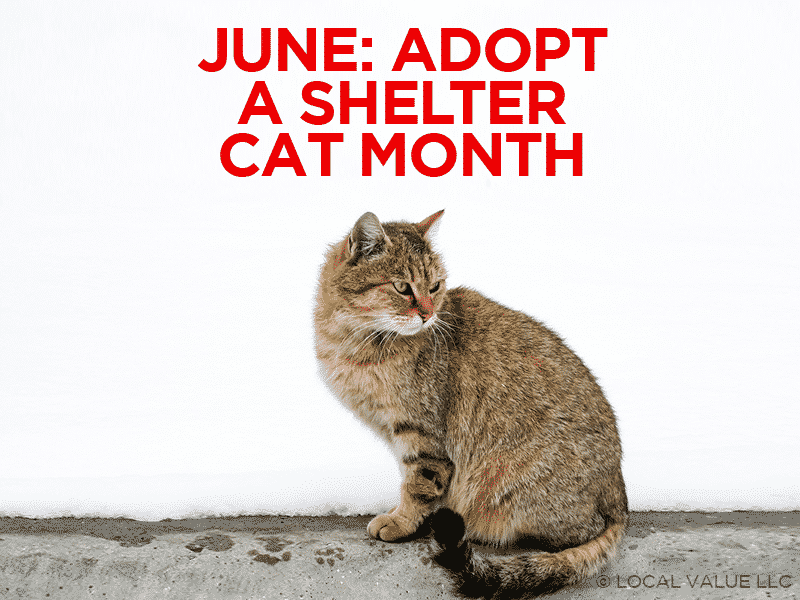
    June Is Adopt a Shelter Cat Month

    June: Adopt a Shelter Cat Month

    A new year brings a new season. In this case, this season happens to be “kitten season”. Kitten season starts in the spring, peaks in the late spring or early summer, and ends in the fall. Now would be the perfect time to adopt a furry feline! After all, the American Humane Association estimates that four million cats and kittens end up in the shelters every year.

    What to consider before adopting:

    1. Consider your lifestyle before selecting your cat or kitten – Can you afford the cat or kitten? You will also need to buy food and litter monthly. To keep your cat or kitten healthy, annual veterinary exams are strongly advised. It’s important to consider this and I would recommend talking this over with your local vet.
    2. Do You Work Long Hours? – Adult cats are often more than happy to nap the day away alone while you’re at work. Kittens, however, require your attention to raise and keep them out of trouble.
    3. Do you really want a long haired cat? – Cats & kittens with long hair will require regular grooming to prevent mats.
    4. Are there young children living in your household? – Very young children may not realize how delicate kittens are. Always watch after your children around with pets. Cats that are at least one year old may be a better fit for homes with young children. Always ask about the temperament of a cat and let the shelter know if you have children in your household.
    5. Have you considered if a kitten is right for every member of your family? Kittens don’t always mix with children or seniors. For the child’s well-being and the cat’s, we generally do not recommend a kitten for families with children under the age of six. Kittens with sharp teeth and claws may inadvertently injure a small child. Their claws can also pierce the delicate skin of an older person and cause infection.

    Just remember, cat’s are amazing animals that will shower you with love and affection. Give an adult cat a second chance at life and you will win their heart.

    SOURCE: Petful
    COPYRIGHT: Local Value

  • Tips to Create a Feline-Friendly Environment

    Tips to Create a Feline-Friendly Environment

    Tips to Create a Feline-Friendly Environment

    The life of a cat must be rough huh? Cats seem to have a pretty great life spent of napping in the sun, being attended to, pet and fed whenever required and requested. But while things look all fun and games for your kitty, things may look a little different from a cat’s perspective.

    The cat thinks it is confined to the house, with no choice of what they are eating or drinking. He or she only has one small place to go to the bathroom and no way to clean it themselves. In addition to being confined, many natural behaviors, like climbing and scratching, can lead to cats being punished.

    That’s why before you bring a new feline friend into your home, it is important that pet owners get familiar with the behavior of cats so they can create an environment to best suit the cat and its needs. By doing this, your cats will be happier and healthier.

    On the contrary, living in a threatening environment will cause their stress levels, and hormones to rise, in addition to other concerns. By changing this and creating a cat-friendly environment, the cat will be interested in what’s on around it without continually being stressed out.

    Always make sure to keep your kitties water fresh, with the food and water in fresh clean bowls. Try to remove their waste from the litter box once every day or so, to ensure they always have a clean place to go to the bathroom. Cats are neat freaks and need their food, water, and litter box clean at all times to feel the happiest. Cats also need stimulation and enjoy toys, catnip and places to climb such a cat trees you can purchase from your local pet store. The last thing that kitties need is regular attention and love. Once you have checked all of these boxes, you and your feline will live a happy life.

    Source: AVMA
    Copyright: Local Value LLC

  • How to Bring a New Cat Into Your Home

    How to Bring a New Cat Into Your Home

    How to Bring a New Cat Into Your Home

    Are you considering adding a new meowy ball of fur to your household? Owning more than one cat can be fun, and at the same time frustrating if they don’t get along. Cats are territorial by nature and do not naturally form bonds with all other cats. More than half of all new cat introductions can result  lasting aggression. A proper introduction between the new cat and the cat already living in the house could save you a lot of trouble in the long run.

    CREATING A SAFE ZONE

    Create a temporary space for the new kitty all of her own in a bedroom or bathroom away from your other animals. This will give it a chance to get used to its new environment and calm its nerves a bit. Provide kitty with water, litter, food and toys or places or it to climb and play. Cats love to entertain themselves when they are alone, so providing it an environment to do so early on is beneficial. Calming pheromones may also help ease the cat’s transition to her new home. Try keeping the cat there for about two weeks, it may need more or less time but you will have to judge according to your own cats personality.

    GRADUALLY INTRODUCE YOUR CATS

    The next step is to set up a gradual introduction between the two felines. Before they see each other, wipe one cat with a towel, then take the towel to the other cat to allow them to sniff each others scents and gain that feel of familiarity. Repeat the process until both cats seem unaffected by the scent of the towel.

    Next would be a good idea to let them see each other through a barrier such as a baby gate or screen door. This increases the changes of the introduction going smoothly. Next give each cat a dish of their favorite food, making sure to place the dishes far enough away from each other to notice the other cat is near but not feel threatened to eat the food. We want these interactions to be pleasant to set the mood for the actual introduction. Move the bowls closer together so the continue to eat with no hissing but still on opposite sides of the gates.

    As petsafe.com states, there are several options for the next step in the introduction. You can allow the cats to sniff without food, repeat the food bowl introduction without the barrier, or encourage them to play together with a feather toy wand. Many, but not all cats, continue to tolerate or even become friendly with each other after a controlled, reward-filled introduction.

    Source: PetSafe

    Copyright: Local Value LLC

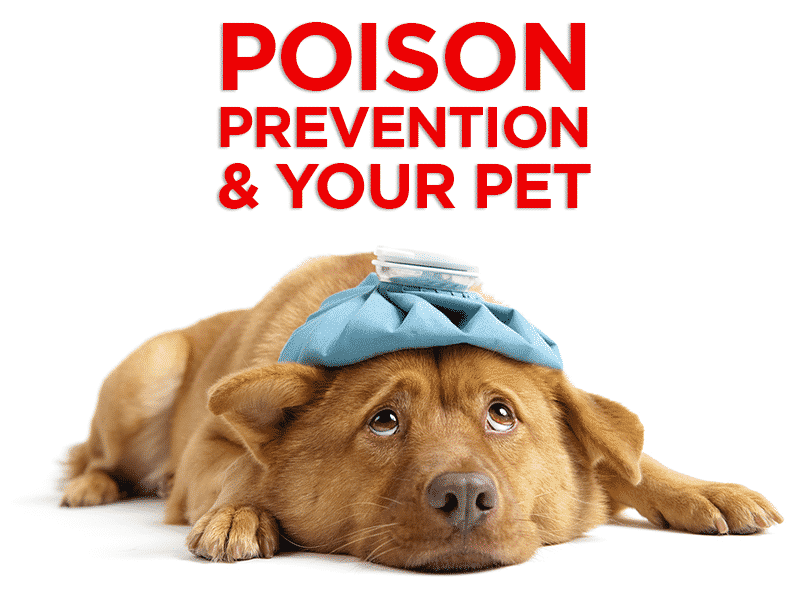
  • Poison Prevention and Your Pet

    Poison Prevention and Your Pet

    Poison Prevention and Your Pet

    March is National Poison Prevention Week. What originally began as a way to spread awareness about poisoning in people, evolved into a great way to spread awareness about poisoning prevents for your pets too!

    Is it Common for a Pet to be Poisoned?

    Poisoning is a very common reason that pets make a visit to their local vet. The National Animal Poison Control Center, handled 180,000 cases of animal poisoning in 2013. The good news is, most of these cases can be completely preventable with a bit of knowledge and education. So teach yourself today and don’t let your animal become a statistic.

    How Can I Tell If My Pet has been Poisoned?

    Unfortunately, most of the time a pet that has been poisoned will not show many physical signs and can vary with the type of toxin consumed. Some poisons are caused by pets accidentally eating mice, who have also eaten other poisons or toxins that pets encounter accidentally around the home or yard, like medications, pesticides or antifreeze. If your pet isn’t acting right and you think a poisoning is possible, take it to the vet or ER immediately!

    Seasonal Poison Risks

    Petsafe.net has listed some informative seasonal poison risks. Here are some common warm-weather risks to your pet.

    • Blue-green algae in stagnant ponds
    • Compost piles
    • Swimming pool and hot tub chemicals
    • Cocoa mulch
    • Venomous animals – toads, snakes, scorpions

    And here are their cold-weather counterparts.

    • Antifreeze (see above)
    • Ice melter
    • Liquid potpourri

    How YOU Can Prevent Pet Poisoning

    Everything can be prevented and prevention is key. Keep your medications out of reach in child-safe containers. Make sure all cleaning products and chemicals are in sealed containers and out of reach of pets. Secure your lawn chemicals and antifreeze. Dogs are naturally curious about the world and will get into EVERYTHING. They don’t know the difference between toxins and treats and as their guardians and protectors, it is up to us to keep them safe and make sure all chemicals and medications are secure.


    Source: PetSafe 

    Copyright: Local Value LLC

  • National Pet Dental Health Month and Your Pet

    National Pet Dental Health Month and Your Pet

    It’s National Pet Dental Health Month and though we should always take good care of our beloved one’s teeth and gums, this month is dedicated to addressing the significance of oral care for our pets year round.

    First of all, it’s important to brush your pet’s teeth. Periodontal disease is the most common clinical condition in cats and dogs even though it’s completely preventable. 4 out of 5 dogs over the age of 3 years have some sort of periodontal disease. That is why it is very important to brush those chompers.

    Dental disease can actually lead to problems with your pet’s organs. AVMA suggests to watch Dr. Sheldon Rubin’s easy, step-by-step instructions on how to teach a dog or cat to accept a daily tooth brushing.

    If you have noticed your dogs breath is isn’t very pleasant, brushing your pet’s teeth with have better breath. Occasionally, “bad breath” may be caused by gastric odors or metabolic disease. Again, talk with your vet if you have concerns. His breath can be chalked up to his poop recycling habit. But if your dog’s mouth has an unpleasant odor day in and day out, he most likely has smelly bacteria in that mouth and needs attention. A pet with healthy teeth equals a pet with better breath!  Also, taking care of your pet’s teeth can prevent other health problems, which can save you money in the long run.

    It’s also important to mention that your dog and cat are very good at hiding pain – you might never know that your pet has a serious dental problem until it’s very advanced. This is yet another reason it’s important to take your pet in for regular dental checkups.

    Don’t just brush your pets teeth just for the sake of National Pet Dental Health Month but do it for health of your precious pup!

    Sources AVMA, Pet Health Network, Petful


  • Pet Care Tips for The Winter

    Pet Care Tips for The Winter

    Winter is here,

    and that always brings pet hazards. Beware of these problems to ensure your pets are happy and healthy until things warm up again.

    Keep Pets Warm

    Make sure your dogs have shelter and an area to stay dry and out of the cold and wind. Indoors is the best, but unfortunately not all circumstances allow for that.

    Avoid Antifreeze & Other Poisons

    A lot of people change the antifreeze in their cars in fall and early winter. As a consequence, veterinary ERs see cases of antifreeze poisoning in dogs rise when the mercury dips.

    Watch out For Cats in Your Car

    When the cold weather rolls in, cats look for warmth and shelter anywhere they can find it. In many cases this involves curling up to the warm bed of the engine in our cars. Be aware of this and check before starting your car this winter and causing potential harm.

    Pets Need Fresh Water in Winter, Too

    Make sure the water supply doesn’t freeze. A frozen water bowl can lead to thirst and dehydration quickly.

    Read the Full Article Here:

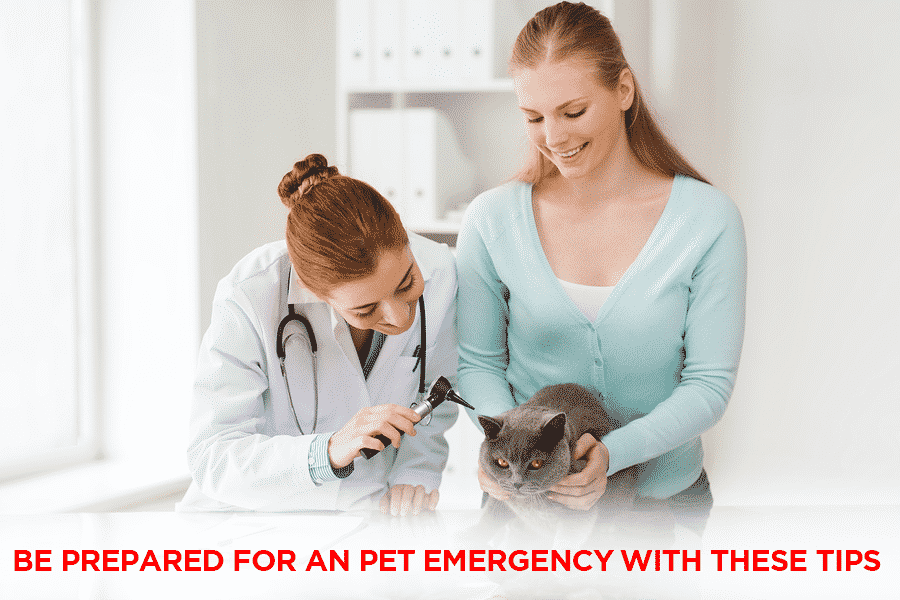
  • Be Prepared For An Pet Emergency With These Tips

    Be Prepared For An Pet Emergency With These Tips

    If you suspect your pet has consumed or been exposed to any toxic substances or think that you are having an emergency, the first step would be to immediately contact your veterinarian or the ASPCA Animal Poison Control Center [888-426-4435*] immediately. A fee may apply.

    Here are some tips, links and emergency phone numbers that may help:

    1. Your vet’s emergency phone number
    2. The local emergency clinic number
    3. How to get to the veterinary clinic
    4. Poison Control number (888-426-4435)
    5. How to perform basic CPR on your pet
    6. How to stop bleeding/apply a basic pressure wrap
    7. How to muzzle your pet (to keep an injured pet from biting you)
    8. If addition to these seven things, you should also be prepared with methods of payment for your pet’s medical care. Emergency care is often more expensive than routine care due to the intensity of diagnostics, monitoring and treatment required, and it is your responsibility as a pet owner to pay for that care. Many clinics are unable to bill you for the services, or may require a deposit or payment in full at the time of service. Delaying medical care to avoid fees could put your pet’s life at risk. Planning ahead for financial coverage of emergencies – perhaps by having a separate account or credit card for emergency use only, or pet insurance – can save you a lot of stress when they do happen.

    Source: AVMA

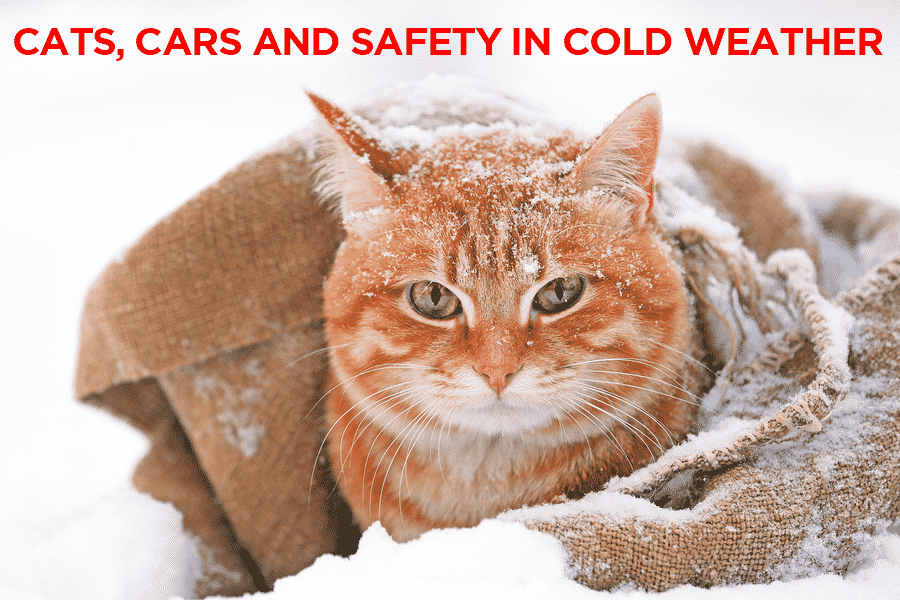
  • Cats, Cars and Safety in Cold Weather

    Cats, Cars and Safety in Cold Weather

    Cats seek warmth wherever they can, especially during the cold winter months. One particularly irresistible place for our furry friends is the cozy confines of a warm car engine. Unfortunately,that might not be the most ideal place for them when the car is started, causing injury or death. Help keep our feline friends safe this winter with these great tips.

    Cats – Keep Them Inside

    The best advice regarding your own cat is simply to keep him indoors during the winter. You’ll protect him not only from engine dangers but also from becoming lost, stolen, or injured.

    Check on Them Before Leaving For A Trip

    With your cat safe inside, it should be easy for you to check on her before leaving on any trips.

    Give Them a Warning

    Even with your cat safely inside, neighborhood and feral felines could still be hiding under your car. You can honk your horn before starting your car to help wake up any sleeping cats under or in your engine and give them a chance to escape before starting the car.

    Source: Pet Health Network