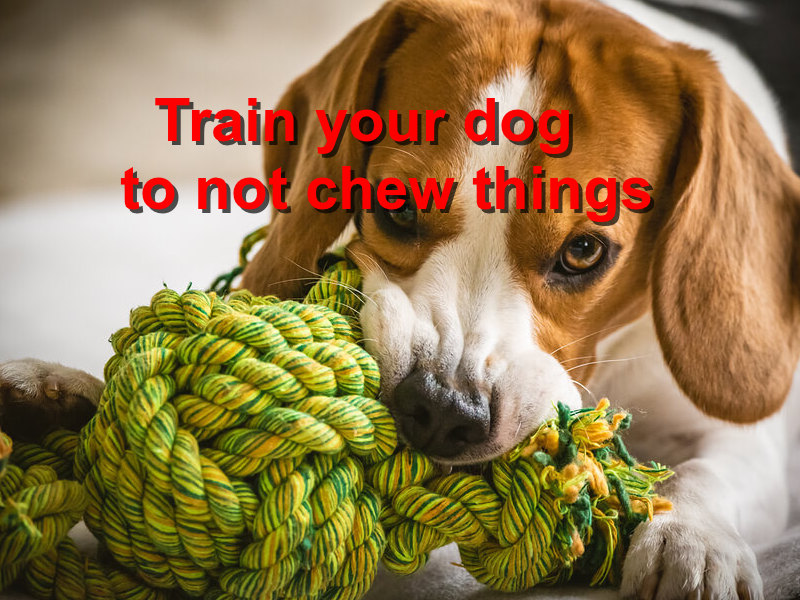
Tag: Train your dog to not chew things

  • Train your dog to not chew things

    Train your dog to not chew things


    How to Train a Dog Not to Chew on Things

    Destructive chewing affects dog lovers from all walks of life. How can you train your dog not to chew on your things?

    Why puppies chew

    Puppies often use their mouths to learn important life skills. Through their little mouths, they:

    • Learn how to cope with boredom
    • Get out frustrations
    • Soothe teeth and sore gums 
    • Learn about the environment around them
    • Cope with anxiety

    Why older dogs chew

    When do dogs really stop chewing everything they come across? Do they stop this habit when they reach a certain age? If you have dog, you may be looking for answers to these questions.

    Most dogs outgrow this habit that’s often associated with jaw development between the ages of 1-2 years. Chewing is normal when your puppy is teething.

    If your dog never learned the right things to chew while young, they may have a destructive chewing habit when they get older.

    A few things that can cause older dogs to chew:

    • Lack of training 
    • Too much freedom
    • Bad habits learned when young
    • Anxiety
    • Lack of physical exercises
    • A medical problem

    Train your dog to chew on their own toys

    If you want to control this behavior, the goal is not trying to stop chewing. You should show them what to chew instead. Here are some of the ways you can address chewing.

    Confine

    You can try using a crate to train your dog. While many people assume its cruel to use a crate, they are useful when used correctly. Before you try this method, get your puppy used to the crate.

    Sprinkle treats evenly inside the crate and outside

    Encourage your puppy to eat the treats.

    When your puppy finishes eating the treats, you can add more until the puppy gets used to the crate.

    When your puppy is comfortable walking into the crate, offer them a food-stuffed toy and close the door behind them. Once the puppy is done eating the treats from the toy, let them stay there until they are quiet. Gradually leave your dog inside the crate longer and then sprinkle treats after every ten minutes.

    Supervise

    Your puppy won’t stay inside the crate all day. Allow them to play outside the crate but ensure you are nearby to supervise them. By leaving your pup in the crate filled with food-stuffed chew toys, they will learn to chew their own toys instead of chewing on household items. 

    Conclusion

    Chewing has many benefits for dogs but you need to train your dog to chew on their toys and not on your things. If your dog is chewing on its skin, visit the veterinarian as soon as possible as this may cause allergies.

    References: Petful, Dogtime, Cesarsway

    Copyright: Local Value