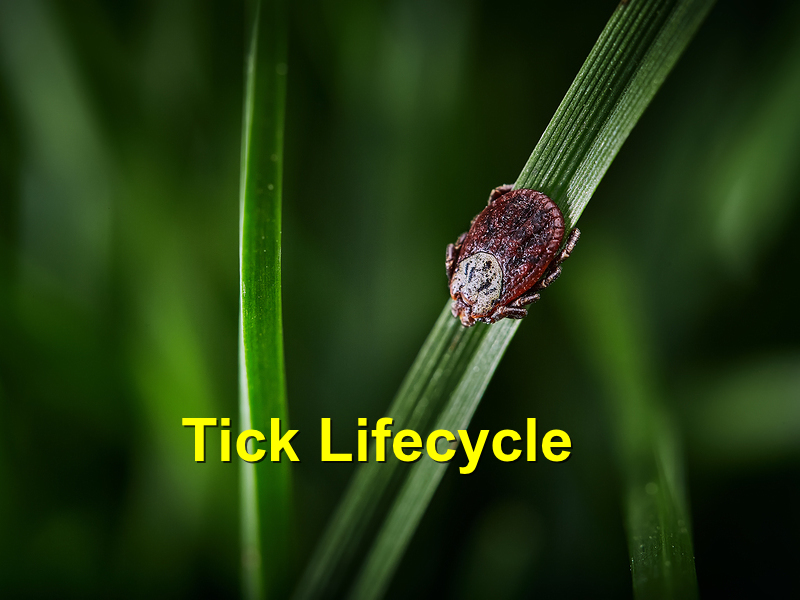
Tag: Tick

  • Tick Lifecycle

    Tick Lifecycle

    The Lifecycle of a Tick

    Ticks are the harmful parasites that live by feeding on their host’s blood, which can either be a human or an animal. They are highly efficient disease carriers because they securely attach themselves to the host when they want to suck blood. Also, they usually feed slowly, which means they may go without being seen for quite some time while they feed.

    Where Do Ticks Live?

    Ticks are highly dependent on their hosts for both reproduction and survival. Hence, they spend most of their lives looking for hosts, especially dogs and cats, and even people. Ticks are often found in wooded areas, tall grass and dense brush.

    How do Ticks Attach themselves to a Host?

    Ticks can neither jump nor fly; they crawl instead. So, they wait for any host animal on the ends of shrubs and grasses. They use a mechanism known as questing, where they raise two of their front legs to detect any nearby hosts. These front legs have carbon dioxide detectors that can sense hosts and allow the tick to quickly crawl onto the fur or clothes of their host and start feeding.

    While they feed on the dog’s blood, ticks can easily transmit a range of infectious bacteria and organisms to the host. These organisms lead to health problems for the host including Rocky Mountain spotted fever and Lyme disease. Once it is full, it then drops off to move on to the next stage.

    Here are the four stages of the lifecycle of a tick:

        Egg

        Larvae

        Nymph

        Adult

    The larvae stage and the nymph stage both require a meal of blood to move onto the following stage. Meanwhile, adult ticks must feed on a host for mating and reproduction purposes. Also, female ticks can lay thousands of eggs at a time after dropping off their host.

    How to Remove Ticks

    If you discover that your pet has any ticks, you should immediately remove those nasty parasites to lower the risk of contracting diseases. Use tweezers and grasp the ticks as close as possible to the surface of the skin. Pull upwards slowly, firmly and gently to avoid leaving the tick’s mouth in the skin, which may cause infections.

    Finally, clean all the bite areas and apply antiseptic. Make sure you also wash your hands afterward. You may want to save one of the ticks and freeze it in a sealed plastic bag for purposes of identification if the pet later becomes ill.

    Conclusion

    Ensure you check your pets daily for any tick infestation, and consult your veterinarian for help regarding tick preventatives that will keep your pets safe.

    References: Pet Health NetworkCDCPetMD

  • Dog Tick Tips that a Dog Owner Should Know About

    Dog Tick Tips that a Dog Owner Should Know About

    Dog ticks are without a doubt quite annoying and irritating creatures. But their irritation is not just pegged on their constant irritation to bite and suck blood from their hosts, but also by the ability to spread tick-borne disease. 

    Here’s how to minimize the tick nuisance and save your canine friend a lot agony in the coming months. 

    1. Learn a Horde of Tick Prevention Strategies 

    Prevention is better than cure. If you can keep the ticks away from his kernel or your household, you wouldn’t have to worry about the best elimination strategy afterward. Ticks have a liking for areas studded with dense vegetation. They usually thrive best around bushy, overly grassy and unkempt compounds. And since they spend over 90% of their lifetime in the ground, they are quite adept at climbing tips of vegetation and attaching themselves to the nearest unlucky host. So, avoid as much as possible exposing your barking buddy to shrubby and bushy places, especially during the so-called peak tick season. 

    2. Vaccinate your Pet 

    A majority of pet owners don’t know that there exists a Lyme disease vaccine that has actually been around for several months now. Lyme is one of the common dog diseases that are spread by ticks. In fact, most veterinarians ( like myself ) would recommend vaccinating your pet at least once a year if you reside in an area prone to Lyme disease infection. 

    3. Frisk and Inspect your Pet on a Daily Basis 

    Get into the habit of performing a daily or twice-a-day regular ‘tick check’ on your trusted friend, especially if he’s been outside your compound for a while. Getting rid of these parasites before they engorge and embed themselves inside the animal is easier and hampers their chances of spreading infectious diseases. Some of the parts that ticks love on a dog include his neck, under the ears, at the base of the neck and the area around his tail. Pay a lot of attention to these areas while frisking him. 

    4. Learn how to Remove Embed and Engorge Ticks Property and Promptly

    There is no point frisking your canine buddy if you don’t know how to purge these annoying parasites from his body, right? For starters, wear a good pair of clinical gloves before attempting to remove the ticks, use a pair of forceps ( and not a pin) to pry the tick away from the body of the animal. There also a number of good tick extractors on the market that are designed to remove ticks that have been attached to a pet’s body for longer. 

    SOURCES: Vet Street, Pet MD, Huffington Post
    COPYRIGHT: Local Value